

When planning or buying a home, one common question is: How big is a normal bedroom? The answer depends on the type of home, how many people use the room, furniture needs, and available floor space.
A bedroom does not have to be huge to feel comfortable. A well-planned room with enough space for a bed, storage, and walking areas can work very well.
In many homes, a standard bedroom is around 10 × 10 feet to 12 × 12 feet, while primary bedrooms are often larger. However, no single bedroom size works for every home.
How Big Is a Normal Bedroom?
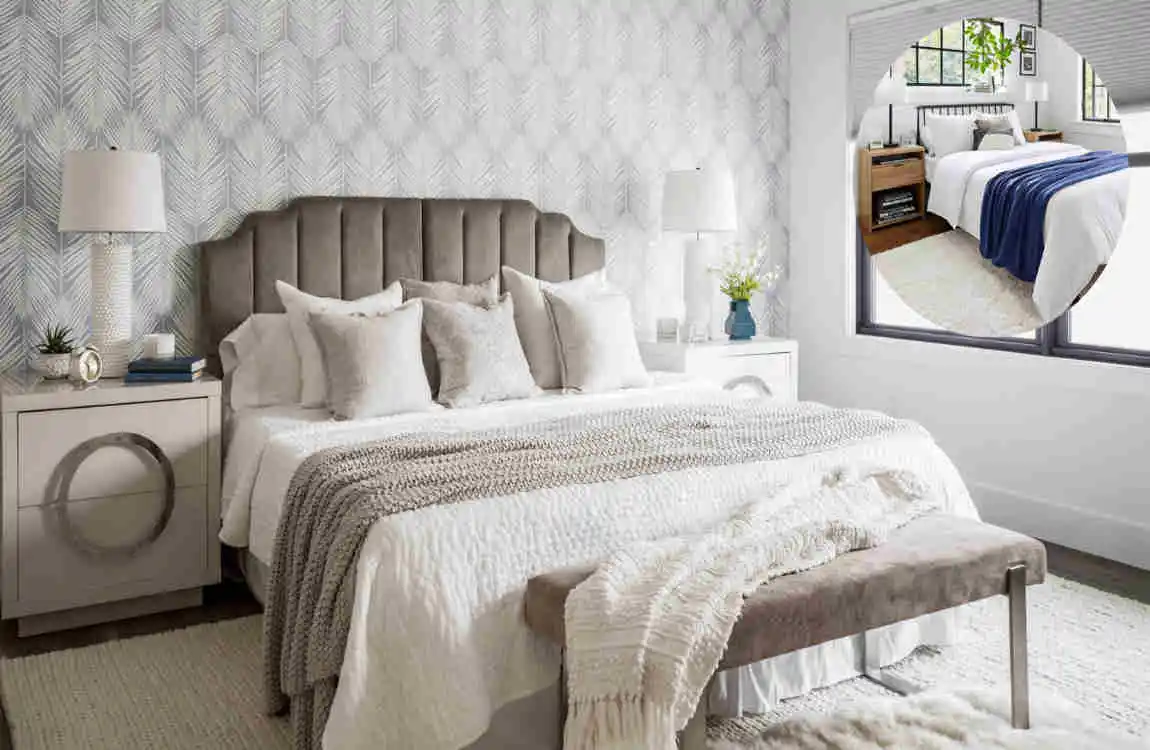
A normal bedroom is generally large enough to fit a bed, clothing storage, and comfortable walking space.
A 10 × 10-foot bedroom provides about 100 square feet of floor area. A 10 × 12-foot bedroom provides about 120 square feet. These sizes are commonly suitable for smaller bedrooms.
Larger bedrooms may measure 12 × 12 feet, 12 × 14 feet, or more, especially in newer houses.
The home’s design also matters. Apartment bedrooms may be more compact, while bedrooms in detached houses can offer more floor space.
Why Bedroom Size Matters
Bedroom size affects more than appearance. It determines how easily you can arrange furniture and move around the room.
A room that is technically large enough for a bed may still feel uncomfortable if there is little space around the furniture.
Think of the room as a complete living area, not just the space needed for a mattress.
What Is the Average Bedroom Size?
There is no universal average because bedroom dimensions vary considerably between properties.
Average Standard Bedroom
A standard bedroom often falls somewhere between 100 and 144 square feet.
For example, a 10 × 10-foot room is compact but practical, while a 12 × 12-foot room gives you more flexibility for furniture.
Apartments and smaller homes may use smaller bedrooms to make better use of limited floor space.
Average Primary Bedroom
A primary bedroom is normally larger than a standard bedroom.
Common dimensions can include 12 × 14 feet, 14 × 14 feet, or larger. Larger primary bedrooms may have enough room for a king-size bed, nightstands, dressers, seating, and additional storage.
Some modern homes also connect the primary bedroom to a private bathroom or walk-in closet.
Average Small Bedroom
A small bedroom may be around 8 × 10 feet or 9 × 10 feet, depending on the home’s design.
These rooms can still be useful if you select furniture carefully.
A twin or full-size bed, a compact wardrobe, and wall-mounted storage can help keep the room functional without making it feel crowded.
Standard Bedroom Sizes by Type
Different bedrooms have different space requirements.
Single or Small Bedroom
A single bedroom is designed primarily for one person. It can work well with a twin or full-size bed, a small wardrobe, and a desk.
The key is to keep a clear path around the main furniture.
Double Bedroom
A double bedroom needs enough space for two people and their belongings.
A full-size or queen-size bed is often a practical choice. You may need extra space for two nightstands, a wardrobe, or a dresser.
A 10 × 12-foot room can provide a reasonable starting point, although furniture dimensions and door placement still matter.
Primary Bedroom
Primary bedrooms are usually designed for more comfort and flexibility.
A larger room can accommodate a king-size bed, larger dressers, chairs, benches, and additional storage.
If you want a luxurious bedroom, plan the size around both furniture and circulation space.
Guest Bedroom
A guest bedroom does not necessarily need to be large.
A room around 10 × 10 or 10 × 12 feet can provide enough space for a comfortable bed, storage, and basic furniture.
Keeping the design simple can make a smaller guest room feel welcoming.
What Size Bedroom Do You Need for Different Furniture?
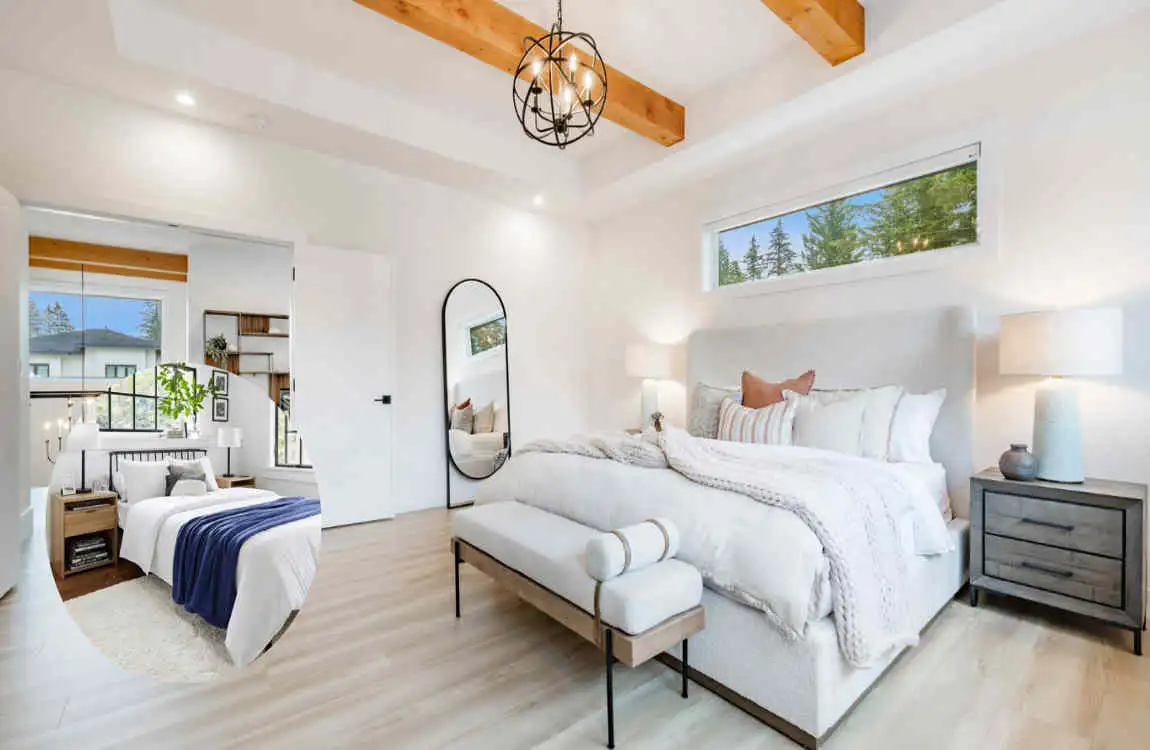
Furniture strongly influences the ideal bedroom size.
A twin bed takes considerably less floor space than a king bed. Likewise, a large dresser or wardrobe can quickly reduce usable walking space.
Bedroom TypeTypical SizeSuitable For
Small Bedroom 8 × 10 to 10 × 10 ft One person
Standard Bedroom 10 × 10 to 12 × 12 ft One or two people
Primary Bedroom 12 × 14 ft or larger Couples
Guest Bedroom 10 × 10 to 10 × 12 ft Visitors
Choosing the Right Bed
A twin bed is a good choice for smaller rooms because it leaves more floor space.
A full-size bed needs more room but can still work in a compact bedroom.
A queen bed offers a comfortable middle ground and is one of the most flexible choices for bedrooms.
A king-size bed requires considerably more floor space. Before choosing one, measure the room and consider the space needed for nightstands and walking paths.
Leave Space Around Furniture
Do not plan a bedroom by placing furniture wall-to-wall without considering movement.
You should be able to get into and out of bed easily. Doors should also open without hitting furniture.
A few extra inches of usable space can make a surprisingly large difference in everyday comfort.
How to Make a Small Bedroom Feel Bigger
Smart planning can make a small bedroom feel much more spacious.
Choose the Right Furniture
Avoid oversized furniture in a compact room.
Choose pieces that match the room’s scale. A slim dresser, compact nightstand, or bed with built-in storage can help you save valuable floor space.
Multifunctional furniture is particularly useful in small bedrooms.
Improve the Layout
Start by deciding where the bed should go. In many bedrooms, the bed becomes the room’s visual and functional centre.
Keep the main walking paths open and avoid blocking doors or windows with large furniture.
A simple layout often makes a small room feel larger than a crowded arrangement.
Use Light and Storage
Light colours, mirrors, and good lighting can make a bedroom appear more open.
Use vertical storage when possible. Shelves and tall wardrobes provide storage without taking up much floor space.
Also remove furniture that you rarely use. Less clutter usually creates a stronger sense of space.
What Makes a Bedroom Comfortable?
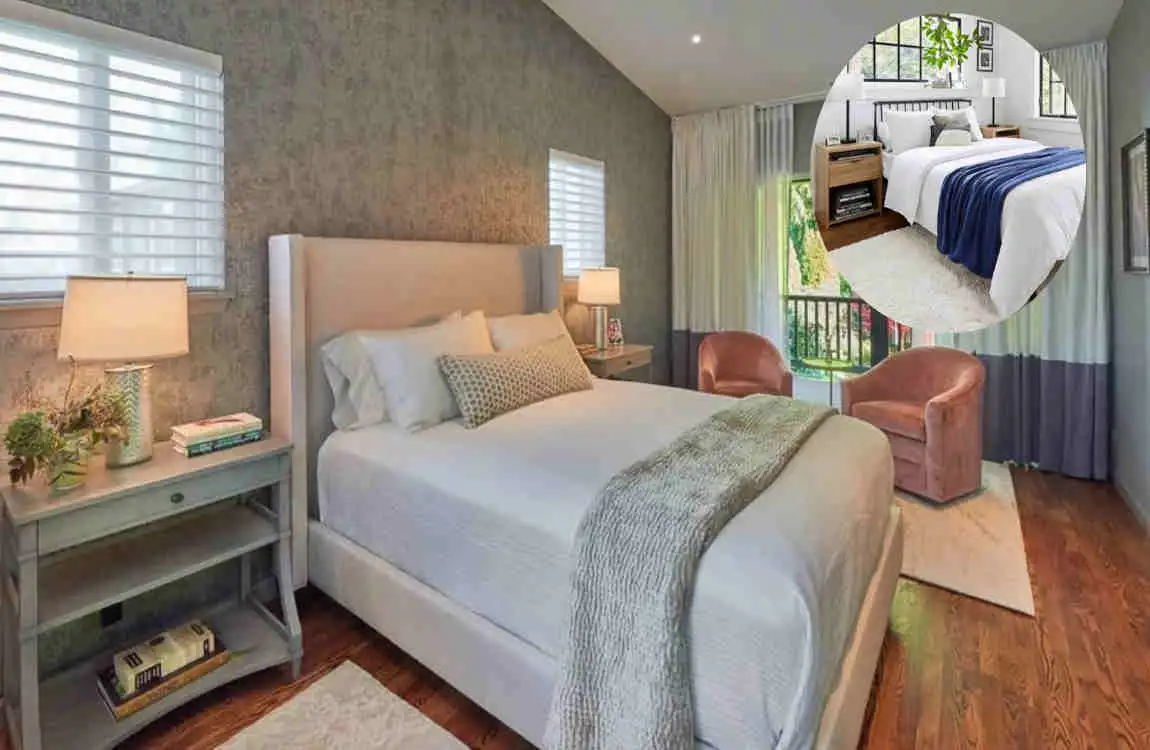
Bedroom size is important, but it is not the only factor that affects comfort.
Ceiling Height and Natural Light
A room with good natural light can feel more open and pleasant.
Ceiling height also affects the overall feeling of the space. Even a moderately sized bedroom can feel comfortable with good proportions and sufficient light.
Storage Requirements
Consider how much clothing, bedding, shoes, and personal belongings you need to store.
A bedroom with limited storage may feel crowded even when its floor area is reasonable.
Built-in wardrobes can help because they use available wall space more efficiently.
Walking and Circulation Space
A comfortable bedroom needs clear movement areas.
You should be able to walk around the bed and reach important furniture without constantly moving around obstacles.
Windows and Doors
The position of windows and doors can affect furniture placement.
A room with an awkward door swing or poorly positioned window may be harder to furnish than a similarly sized room with a practical layout.
Minimum vs Comfortable Size
There is an important difference between a bedroom that can fit furniture and one that feels genuinely comfortable.
A smaller room may technically accommodate a bed, but adding a wardrobe and dresser could make movement difficult.
When designing a bedroom, consider how the room will function every day, not just whether the furniture fits on paper.
FAQ: How Big Is a Normal Bedroom?
Is 10 × 10 a Normal Bedroom Size?
Yes. A 10 × 10-foot bedroom is a common compact bedroom size. It can work well for one person, especially with appropriately sized furniture.
Is 10 × 12 a Good Bedroom Size?
Yes. A 10 × 12-foot bedroom provides about 120 square feet and offers more flexibility than a 10 × 10 room.
It can work well for a single person or as a guest bedroom.
What Is a Good Size for a Primary Bedroom?
A primary bedroom is often around 12 × 14 feet or larger. Larger dimensions provide more room for a king bed, storage, seating, and other furniture.
How Big Should a Bedroom Be for Two People?
For two people, a room around 10 × 12 feet or larger can work, depending on the bed and furniture you choose.
A larger room provides better circulation and more storage options.
What Is Considered a Small Bedroom?
A bedroom under approximately 100 square feet is generally considered compact. However, the layout and furniture arrangement can make a small room highly functional.
Can a Queen Bed Fit in a Small Bedroom?
Yes. A queen bed can fit in many small bedrooms, but you need to measure the room carefully.
Before deciding, consider the bed’s dimensions, nightstands, wardrobe, dresser, and walking space.
How Much Space Should Be Around a Bed?
No single number works for every room. The goal is to maintain comfortable walking space around the bed and ensure doors, drawers, and wardrobes can open properly.
| Bedroom Type | Average Size | Approx. Dimensions | Suitable For |
|---|---|---|---|
| Small Bedroom | 70–100 sq. ft. | 7×10 to 10×10 ft | One person |
| Standard Bedroom | 100–150 sq. ft. | 10×10 to 12×12 ft | One or two people |
| Large Bedroom | 150–250 sq. ft. | 12×13 to 14×18 ft | Couples |
| Primary Bedroom | 200–400+ sq. ft. | 14×14 to 20×20+ ft | Spacious adult suite |
| Kids’ Bedroom | 80–120 sq. ft. | 8×10 to 10×12 ft | One child |
| Guest Bedroom | 100–150 sq. ft. | 10×10 to 12×12 ft | Guests |
