
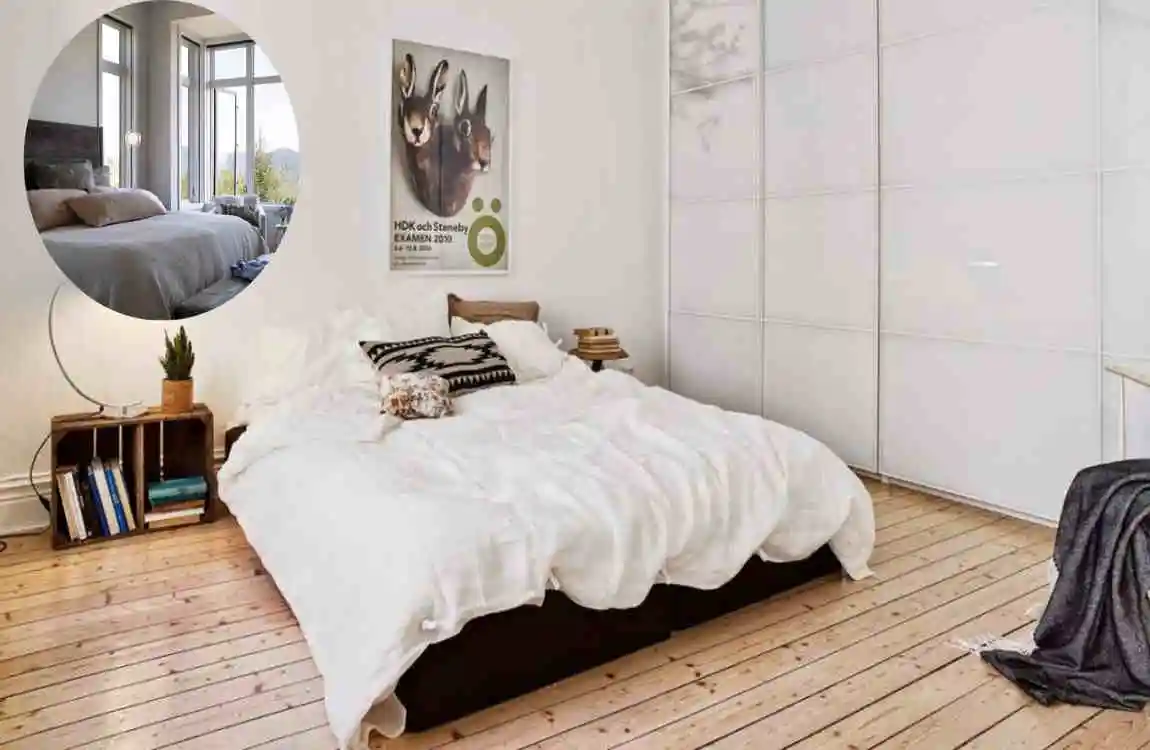
If you are wondering does a bedroom have to have a window, the short answer is: often, yes, but the exact requirement depends on local building and housing regulations.
Bedroom windows are not simply decorative features. They can provide natural light, fresh air, and an emergency escape route. These safety concerns matter most when a room is used as a sleeping space.
A room without a window may still be comfortable and attractive, but that does not automatically mean it legally qualifies as a bedroom. Before converting an interior room into a bedroom or advertising it as one, check the requirements for your property.
Does a Bedroom Have to Have a Window?
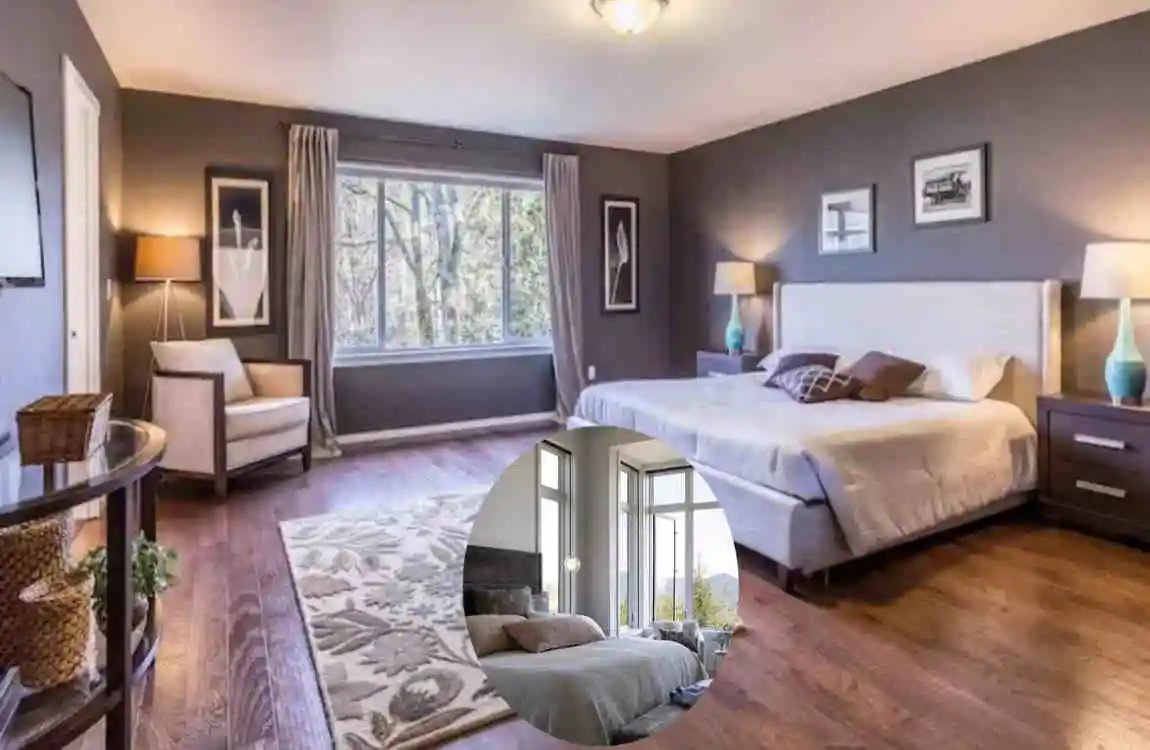
Whether a bedroom must have a window depends on the local building code and the legal definition of a bedroom in your area.
In many jurisdictions, a sleeping room must have an appropriate emergency escape and rescue opening, commonly provided by a properly sized window or another approved opening.
This requirement exists mainly because sleeping occupants may not be able to react quickly during a fire or other emergency.
Several different requirements can also apply to a bedroom. Natural light, ventilation, minimum room dimensions, ceiling height, and emergency escape may all be considered separately.
A room can therefore look like a bedroom but fail to meet one or more requirements for being legally classified as one.
Why Bedroom Windows Are Commonly Required
A window can provide more than daylight. In an emergency, it may give an occupant another way to leave the building or allow emergency responders to reach the room.
For everyday living, windows can also make a bedroom feel brighter, larger, and more comfortable.
However, requirements differ by location and property type. Always check your local regulations before making structural changes or converting a room into a bedroom.
Why Are Windows Important in a Bedroom?
A bedroom is where people spend many hours, often while sleeping. That makes safety and air quality particularly important.
Natural Light and Occupant Comfort
Natural daylight can make a room feel more open and pleasant.
A small bedroom with a properly positioned window may feel significantly larger than a similar room without one. Daylight also reduces the need for artificial lighting during the day.
If a bedroom has no window, thoughtful lighting becomes much more important.
Emergency Escape and Rescue
One of the most important purposes of a bedroom window is emergency egress.
Egress means having a way to get out of a building or room during an emergency. An approved egress window provides a usable emergency escape and rescue opening.
This is especially important in bedrooms because occupants may be asleep when a fire or other emergency begins.
Ventilation and Fresh Air
Windows can help bring fresh outdoor air into a room and allow stale indoor air to escape.
Good ventilation can help manage humidity, odors, and indoor air quality. However, a window is not the only possible way to provide ventilation.
Some buildings use mechanical ventilation or HVAC systems. Even so, ventilation and emergency escape are separate issues. A ventilation system does not automatically replace an emergency exit requirement.
Bedroom Window Rules and Building-Code Requirements
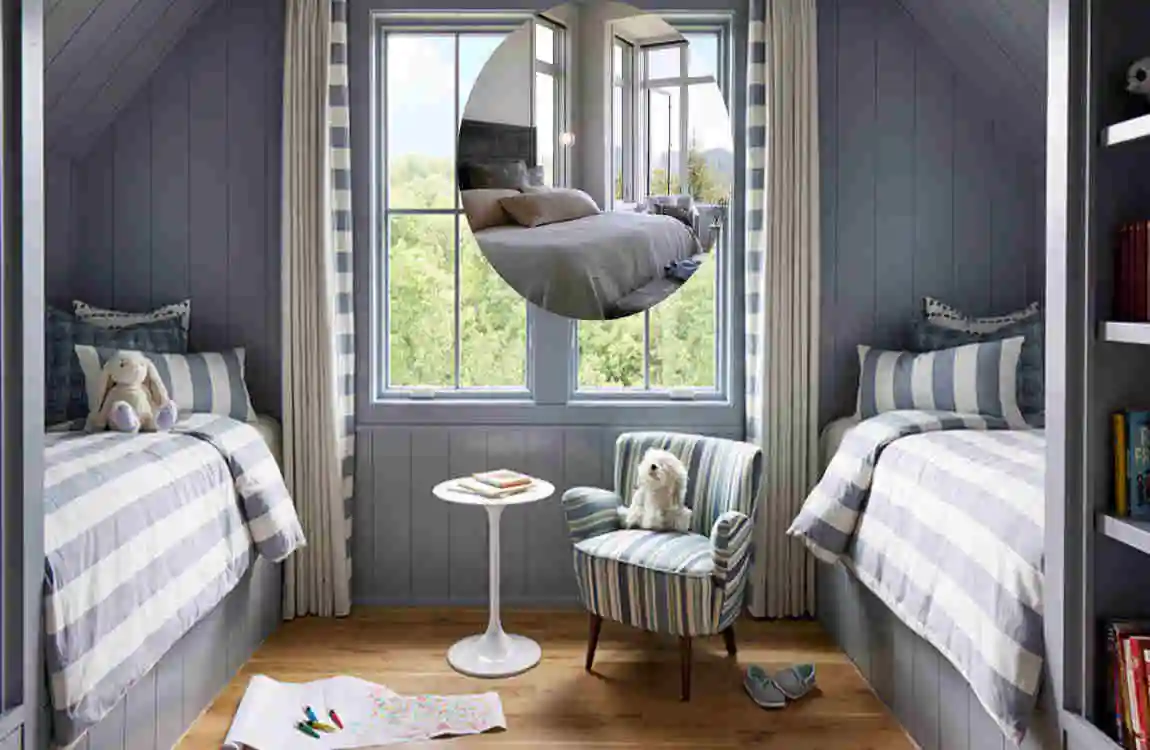
Building regulations can be confusing because requirements vary between locations.
What Is an Egress Window?
An egress window is an opening designed to provide emergency escape and, where required, access for rescue.
It must generally meet specific requirements relating to factors such as its usable opening, location, and accessibility.
Simply having a small decorative window does not necessarily mean that it qualifies as an egress window.
The important point is that an emergency opening must be practical for a person to use.
Do All Bedrooms Need an Egress Window?
Not necessarily under every regulation, but many building codes have specific emergency escape requirements for sleeping rooms.
Basement bedrooms often receive particular attention because occupants may have fewer alternative ways to escape.
Above-ground bedrooms may also have egress requirements depending on the applicable regulations.
Because these rules can vary considerably, do not assume that a window that works in one property will meet the requirements in another location.
Bedroom vs. Other Habitable Rooms
A room can be used for sleeping without necessarily meeting the legal definition of a bedroom.
Depending on the jurisdiction, a legal bedroom may need to satisfy requirements involving:
- Minimum floor area
- Ceiling height
- Light
- Ventilation
- Emergency escape
- Access and safety
This distinction matters when renovating, renting, selling, or listing a property.
Can You Safely Use a Bedroom Without a Window?
A windowless bedroom can raise several practical concerns.
Main Safety Concerns
The biggest concern is usually emergency escape.
If a fire blocks the normal doorway, a person sleeping inside needs another safe way to escape when required by local regulations.
Ventilation is another concern. A room with poor airflow can become uncomfortable and may develop excess humidity.
Lack of natural light can also affect how the room feels during the day.
When a Windowless Room May Be Acceptable
Some interior rooms can be perfectly useful without windows. For example, they may function as offices, storage areas, closets, media rooms, or other spaces depending on the property and local rules.
However, using such a room for sleeping does not automatically make it a legally recognized bedroom.
Alternative ventilation, lighting, or safety equipment can improve the room. Still, these features do not automatically replace requirements for emergency egress or other code provisions.
If you are considering converting a windowless room into a bedroom, check the applicable regulations before beginning construction.
Windowless Bedroom Design Ideas
If you have a windowless room that meets the applicable rules for sleeping, thoughtful design can make it much more comfortable.
Improve Artificial Lighting
Without daylight, lighting becomes one of the most important design elements.
Instead of relying on one ceiling light, use several layers of lighting. A combination of ceiling fixtures, bedside lamps, wall lights, and accent lighting can make the room feel more balanced.
Warm lighting can create a cosy bedroom atmosphere, while brighter lighting can help when you need to read, dress, or clean.
Make the Room Feel Larger
Windowless rooms can sometimes feel smaller than they really are.
You can create a more spacious look with light-coloured walls, mirrors, simple furniture, and uncluttered layouts.
Avoid filling every wall with furniture. Leaving some open space can make the room feel less enclosed.
Create Better Ventilation
Good airflow is essential for comfort.
Make sure beds, cabinets, or other large furniture don’t block HVAC vents. Where appropriate, a suitable mechanical ventilation system can help maintain indoor air quality.
Also monitor humidity, especially in rooms that tend to feel damp.
Add Visual Interest
A room without windows does not have to look boring.
Artwork, textured walls, decorative lighting, plants suited to the room’s conditions, and carefully selected furniture can add character.
Some homeowners also use interior glass features or faux-window designs to create visual interest. These are design solutions, however, and should never replace required emergency openings.
How to Make a Windowless Bedroom Feel Comfortable and Safe
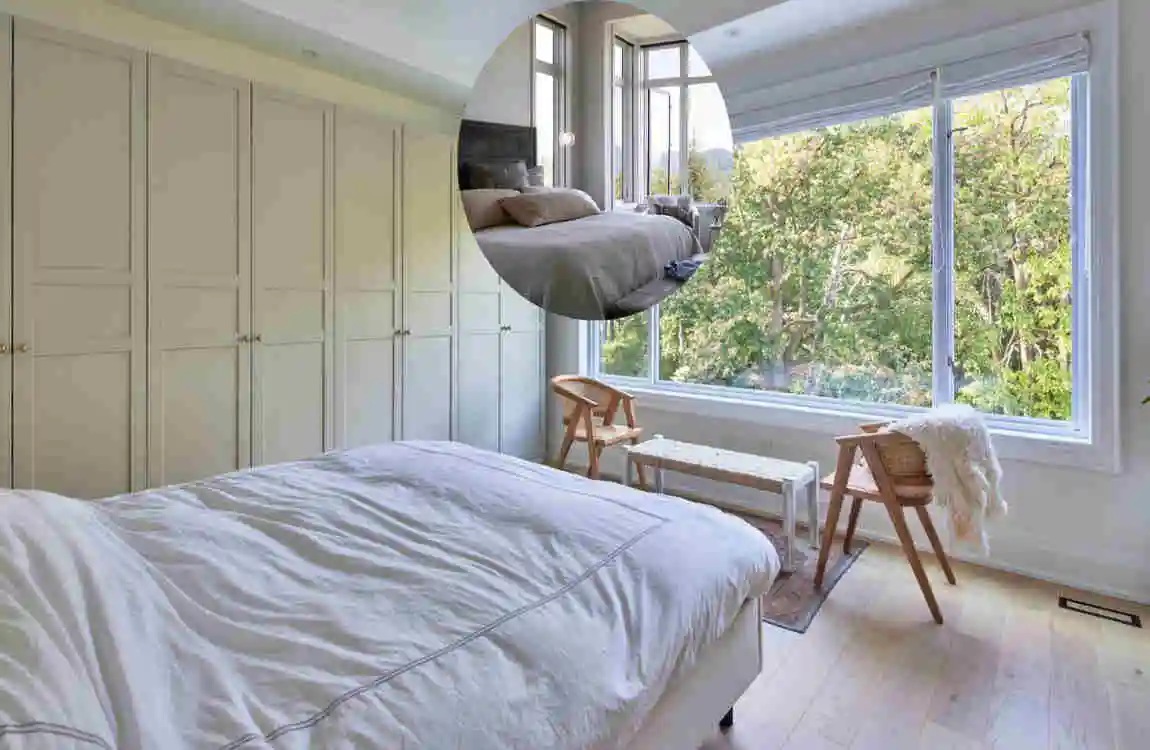
If a sleeping space is legally permitted without a conventional exterior window, pay close attention to ventilation, alarms, lighting, and clear pathways.
Install working smoke alarms and carbon-monoxide alarms where required, and test them regularly.
Keep the path to the room’s exit clear. Avoid placing large furniture where it could make emergency movement difficult.
Control humidity as well. Excess moisture can contribute to condensation, unpleasant odors, and mold growth.
Frequently Asked Questions About Windowless Bedrooms
Does a bedroom have to have a window?
It depends on the local building and housing regulations. Many jurisdictions require sleeping rooms to have an approved emergency escape and rescue opening. Other requirements may address light and ventilation separately.
Can a room without a window legally be called a bedroom?
That depends on the legal definition used in your area. A room may be used for sleeping but still fail to qualify as a legal bedroom if it doesn’t meet applicable requirements.
Does a basement bedroom need a window?
Basement bedrooms commonly have specific emergency egress requirements. A properly designed egress window or another approved escape opening may be required.
Always check the regulations that apply to your basement and property.
Can ventilation replace a bedroom window?
Not necessarily. Ventilation and emergency escape are different requirements. A mechanical ventilation system may improve airflow, but it does not automatically provide an emergency exit.
What is an egress window?
An egress window is an opening designed to provide an emergency escape route and, where required, allow rescue access.
The applicable rules may specify requirements for the opening’s size, location, and accessibility.
Can you make a windowless bedroom safe?
You can improve safety and comfort through proper ventilation, working alarms, adequate lighting, clear pathways, and humidity control.
However, these improvements do not automatically make a room legally compliant. Always check local requirements first.
Is a windowless bedroom good for sleeping?
It can feel comfortable if the room has suitable ventilation, lighting, temperature control, and a safe exit. However, legal and safety requirements for a sleeping room matter more than appearance or comfort alone.
Should you add a window to a windowless bedroom?
If the room does not meet applicable bedroom requirements, adding an appropriate window may be one possible solution. Plan structural changes carefully, and you may need permits or professional advice.
| Topic | Short Information |
|---|---|
| Building Rules | Window requirements vary by local building codes and property type. |
| Emergency Escape | A sleeping room may need an approved emergency exit, such as an egress window or exterior door. |
| Fire Safety | Install working smoke alarms and keep escape routes clear. |
| Ventilation | Provide adequate mechanical ventilation to maintain fresh air and control moisture. |
| Natural Light | Use bright artificial lighting, mirrors, and light-colored finishes to reduce the dark feeling. |
| Air Quality | Avoid blocking vents and consider proper air circulation to prevent stuffiness and humidity. |
| Interior Design | Choose light walls, simple furniture, and reflective surfaces to make the room feel more spacious. |
