
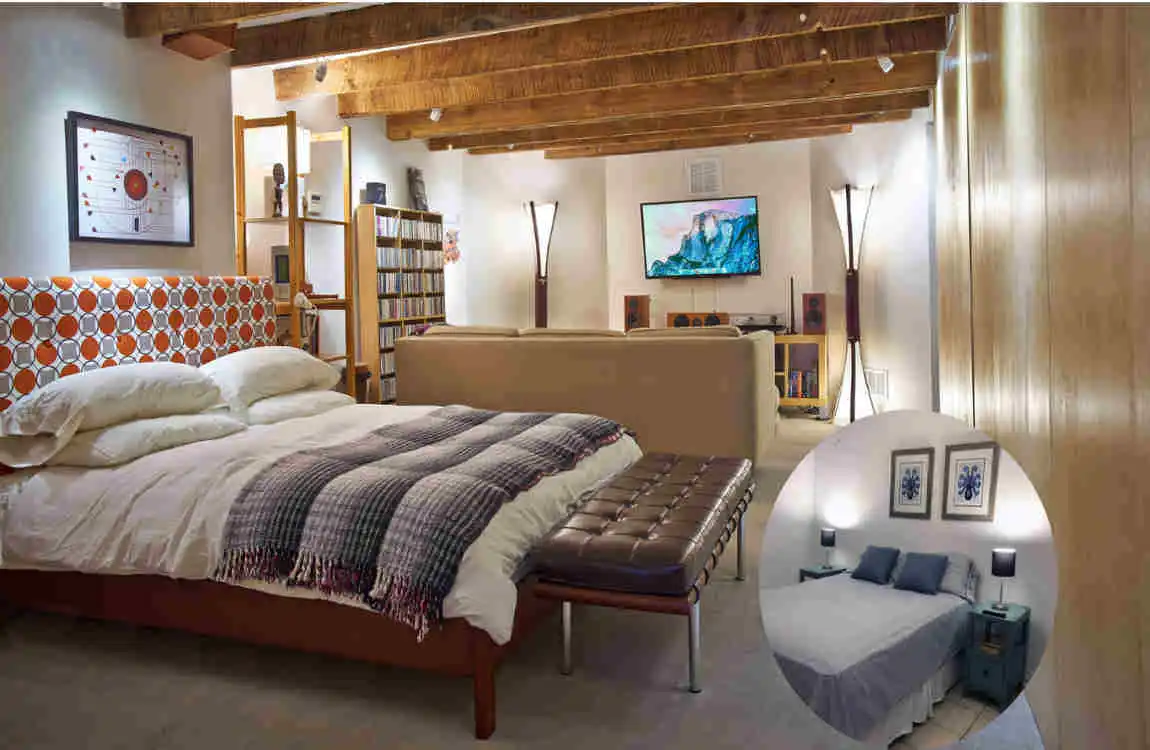
A bedroom without a window may seem practical when you are working with a basement, interior room, or limited floor plan. But before turning a windowless room into a bedroom, you need to consider more than furniture and decoration.
If you are asking, “Can I have a bedroom without a window?” the answer largely depends on your local building and housing requirements. Bedrooms often need a safe emergency escape route, adequate ventilation, and proper fire protection. A room can look like a bedroom and still not legally qualify as one.
Can I Have a Bedroom Without a Window?
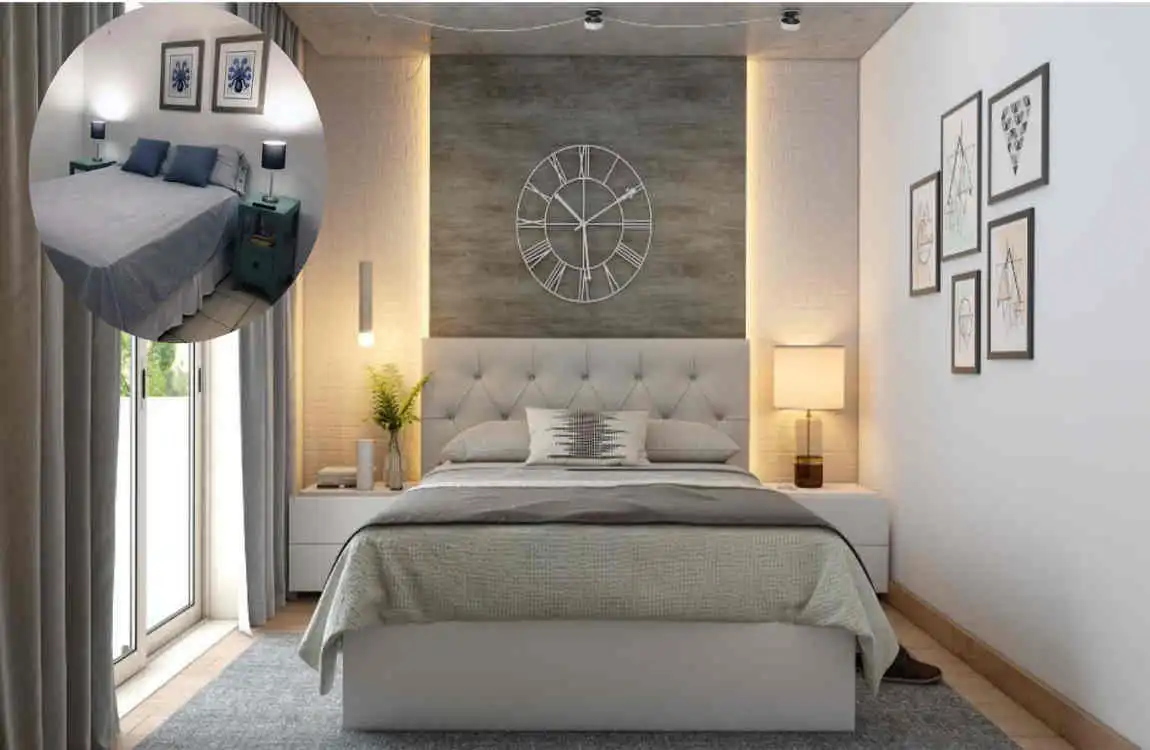
Whether you can legally have a bedroom without a window depends on where you live and how the room is classified.
Building codes and housing regulations can have specific requirements for sleeping rooms. In many locations, bedrooms need an approved emergency escape route, often called an egress opening. This may involve a window or another permitted means of escape.
There is also an important difference between using a room for sleeping and officially calling that room a bedroom for building, rental, or property purposes.
For example, an interior room might be used as a temporary sleeping space, but that does not automatically mean it meets all requirements for a legal bedroom.
Why Do Bedrooms Usually Need Windows?
Windows are useful for several reasons:
- Natural daylight makes the room more comfortable.
- Fresh air can improve ventilation when the window can be opened safely.
- Emergency escape can provide another way out during a fire or other emergency.
- Windows can enhance the overall sense of space and connection to the outdoors.
The emergency escape function is particularly important. A bedroom should not leave someone trapped if the normal doorway becomes unsafe.
Does Every Bedroom Need an Exterior Window?
Not necessarily in the same way everywhere. Local rules may allow different arrangements depending on the building and type of room.
An ordinary window and an approved emergency escape opening are not automatically the same thing. An opening used for emergency escape generally needs to meet requirements related to size, accessibility, location, and usability.
Before converting an interior room into a bedroom, check the rules that apply to your property.
Bedroom Window Rules and Building Code Requirements
There is no single bedroom rule that applies to every home in every location.
Requirements can vary depending on local building codes, housing regulations, property type, and whether you are constructing a new room or modifying an existing space.
Emergency Egress Requirements
Egress means a safe way to get out.
A bedroom may require an emergency escape opening that a person can reach and use without unreasonable difficulty. The exact requirements can vary, so do not assume that any small window or opening will qualify.
If you are planning a basement bedroom or major renovation, verify the applicable requirements before construction.
Ventilation Requirements
A windowless room needs particular attention to ventilation.
Sleeping in a closed room can result in stale air, uncomfortable humidity, odors, and poor air circulation. A simple portable fan may move air around, but it does not necessarily provide proper fresh-air ventilation.
A suitable mechanical ventilation or HVAC arrangement may be necessary depending on the home and applicable requirements.
Smoke and Carbon Monoxide Safety
Smoke alarms are an important part of bedroom safety. Carbon monoxide detection may also be required or strongly recommended depending on the home and fuel-burning equipment.
Keep doors, hallways, and other escape routes clear. A safe bedroom should provide occupants with a clear means of leaving the property during an emergency.
Is It Safe to Sleep in a Bedroom Without a Window?
A windowless sleeping room can be comfortable in some circumstances, but you should not treat it exactly like a conventional bedroom.
The biggest concerns are usually emergency escape and ventilation.
Without a window, you lose a potential natural escape opening and a source of natural light and ventilation. These issues need to be addressed before worrying about decoration.
Main Safety Concerns
The major concerns include:
- Limited emergency escape
- Poor ventilation
- Lack of natural light
- Humidity and stale air
- A more enclosed feeling
A properly designed ventilation system can help with air quality, while good lighting can make the room more comfortable. Neither solution automatically satisfies emergency escape requirements.
When a Windowless Sleeping Room May Be More Practical
A windowless room may be more practical when it is an interior space with appropriate mechanical ventilation and the property meets applicable safety requirements.
Some basement layouts or interior rooms may have alternative approved exits. Temporary sleeping arrangements may also be different from officially creating a bedroom.
The important point is simple: check the requirements before treating the room as a permanent legal bedroom.
How to Ventilate a Bedroom Without a Window
Ventilation becomes one of the most important considerations in a windowless bedroom.
Use a Proper Mechanical Ventilation System
Mechanical ventilation can bring fresh air into a room and remove stale air.
Depending on the home’s design, ventilation may involve exhaust systems, supply systems, balanced ventilation, or more advanced systems that efficiently exchange indoor and outdoor air.
Your HVAC system may also help circulate and condition air, but the exact setup depends on how the home is designed.
Improve Air Circulation
Keep air vents unobstructed by beds, cabinets, curtains, or other furniture.
Ceiling fans and portable fans can improve air movement, although moving existing air is different from providing fresh outdoor air.
Make sure doors and ventilation pathways are not unnecessarily blocked.
How to Make a Windowless Bedroom Feel Bright and Comfortable
A lack of natural light does not mean the room has to feel dark or unpleasant.
You can create a more open atmosphere by combining lighting, color, mirrors, furniture, and carefully selected décor.
Use Layered Lighting
Do not rely on one bright ceiling fixture.
Instead, combine ambient lighting with bedside lamps, wall lighting, accent lights, and task lighting.
Dimmable fixtures are especially useful because they let you adjust brightness according to the time of day.
Choose Light Colors
Light colors can reflect artificial light, making a room feel more spacious.
Good options include:
- White
- Cream
- Soft beige
- Light gray
- Pale neutral shades
You can still use darker colors as accents, but covering every surface in a dark shade may make a windowless room feel smaller.
Add Mirrors Strategically
A large mirror can reflect light and create the impression of greater depth.
Position mirrors so they reflect useful light rather than create uncomfortable glare.
Choose the Right Furniture
Avoid overcrowding the room.
Choose furniture that fits the available floor space and leave clear walking paths around the bed and other major pieces.
Built-in storage or furniture with drawers can be particularly useful because it reduces the need for additional cabinets.
Design Ideas for a Bedroom Without a Window
A windowless bedroom can still have plenty of personality.
Create a Faux Window
A decorative faux window can add visual interest to the wall. You could use a decorative frame, landscape artwork, or a backlit panel designed to resemble a window.
LED-lit panels can create the impression of a bright outdoor scene.
Remember, however, that a decorative window is not an emergency exit.
Use Glass or Interior Openings Carefully
Interior glass can make a room feel more connected to the rest of the house.
For example, frosted or decorative glass may allow light from an adjoining space to enter while maintaining privacy.
Interior glass should not be considered a replacement for an approved exterior emergency escape opening unless local requirements specifically allow it.
Add Biophilic Design Elements
Nature-inspired design can make an enclosed room feel more comfortable.
Try indoor plants, wood textures, natural fabrics, landscape artwork, and other organic-looking materials.
Use a Feature Wall
A feature wall can become the room’s visual focus.
Consider textured wallpaper, decorative panels, wood slats, or large artwork. Pair the feature with appropriate lighting to create depth.
Best Lighting for a Windowless Bedroom
Lighting becomes especially important when there is no natural daylight.
LED Lighting
LED fixtures are popular because they are energy-efficient, long-lasting, and available in different brightness levels and color temperatures.
For a bedroom, choose lighting that feels comfortable rather than excessively harsh.
Use multiple fixtures so the entire room does not depend on one overhead light.
Smart Lighting
Smart lighting can make a windowless room feel more natural.
Timers, dimmers, automated schedules, and sunrise-style lighting can gradually change brightness throughout the day.
This can help create a distinction between morning, daytime, evening, and bedtime even without an actual window.
Can a Basement Bedroom Have No Window?
Basement bedrooms require special attention because they may present additional concerns regarding egress, moisture, ventilation, and fire safety.
A basement room used as an office is not necessarily subject to the same requirements as a room intended for sleeping.
Basement Egress Considerations
Before creating a basement bedroom, investigate the required emergency escape arrangements.
Depending on the property and local requirements, this may involve an appropriate exterior opening, window well, door, or another approved route.
Do not assume that a basement doorway alone automatically satisfies every bedroom requirement.
Basement Moisture and Air Quality
Basements can experience higher humidity and moisture problems.
A windowless basement bedroom may therefore need additional attention to ventilation and humidity control.
Depending on conditions, homeowners may use dehumidification, proper ventilation, waterproofing improvements, and moisture monitoring to create a healthier and more comfortable environment.
How to Make a Windowless Bedroom Feel Larger
A windowless bedroom can feel enclosed if the layout is crowded.
Use a simple furniture arrangement and keep unnecessary items out of the room.
Light wall colors, reflective surfaces, vertical lighting, and appropriately sized furniture can help create a sense of visual space.
Choose multifunctional furniture where possible. A bed with built-in drawers or a compact wardrobe can provide storage without filling the room with separate pieces.
Pros and Cons of a Bedroom Without a Window
ProsCons
More privacy Limited natural light
Can use otherwise unused space Emergency escape may be a concern
Complete control over artificial lighting Ventilation can be challenging
Can work with some interior layouts May not qualify as a legal bedroom
Flexible decorating options Can feel enclosed
What to Check Before Creating a Windowless Bedroom
Before you begin construction or remodeling, work through these important points:
- Check local building codes.
- Confirm whether the room can legally be classified as a bedroom.
- Check emergency egress requirements.
- Provide appropriate ventilation.
- Install required smoke and carbon monoxide alarms.
- Plan sufficient artificial lighting.
- Control moisture and humidity.
- Keep doors and escape routes unobstructed.
- Consider professional advice for major construction changes.
Doing this work before remodeling can save you from expensive changes later.
Windowless Bedroom vs. Bedroom With a Window
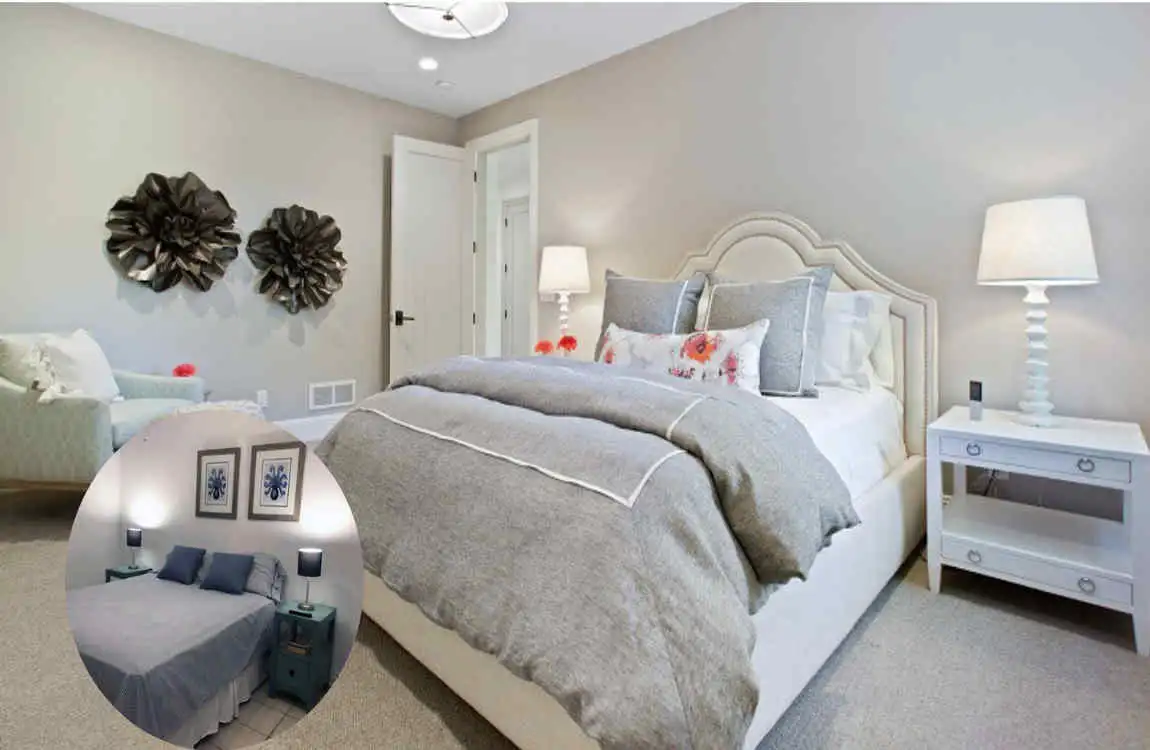
Feature Bedroom With Window Bedroom Without Window
Natural light Excellent None
Natural ventilation Possible Not available through a window
Emergency escape Often easier Requires careful planning
Privacy Moderate High
Lighting control Less control Complete artificial control
Design flexibility Standard Requires creative solutions
Common Mistakes to Avoid
Assuming Any Room Can Be Called a Bedroom
A room containing a bed is not automatically a legal bedroom.
There can be a difference between how a homeowner uses a space and how the room is officially classified under applicable regulations.
Ignoring Ventilation
Do not assume that keeping the bedroom door open occasionally is enough.
A sleeping room needs an appropriate approach to air circulation and fresh-air supply.
Relying Only on Artificial Light
Good lighting can make the room brighter, but it does not solve emergency escape or ventilation concerns.
Treat lighting as a design solution, not a replacement for safety requirements.
Blocking the Only Exit
Never allow furniture, storage boxes, or other items to obstruct a required exit route.
Keep paths clear and easy to access.
Skipping Local Code Checks
This is one of the biggest mistakes you can make.
Before converting a basement, storage room, office, or other interior space into a bedroom, verify which requirements apply to your property.
Frequently Asked Questions
Can I have a bedroom without a window?
It depends on local building codes and how the room is classified. Emergency escape and ventilation are two major considerations.
Is it legal to sleep in a room with no windows?
Legality varies by location, property type, and how the room is being used or classified. Check applicable local requirements before creating a permanent sleeping room.
Does a bedroom legally need a window?
Many regulations require bedrooms to have an approved means of escape in case of emergency, but the exact requirements vary. A conventional window and an approved egress opening are not necessarily the same thing.
How do you ventilate a bedroom without a window?
A windowless bedroom may require appropriate mechanical ventilation or an HVAC system designed to provide adequate air movement and fresh-air exchange.
Can a basement bedroom have no window?
A basement bedroom can have additional requirements involving emergency escape, ventilation, moisture, and fire safety. Check local regulations before converting a basement room into a bedroom.
How can I make a windowless bedroom brighter?
Use layered LED lighting, light-colored walls, mirrors, reflective finishes, and decorative lighting. Multiple light sources usually create a more comfortable result than one bright ceiling fixture.
| Aspect | What to Know |
|---|---|
| Is it allowed? | It depends on local building codes. Many areas require bedrooms to have an emergency escape window or another approved exit. |
| Safety | A windowless sleeping room can create concerns about fire escape, ventilation, and natural light. |
| Egress requirements | Building codes may require a bedroom to have a properly sized emergency escape and rescue opening. |
| Ventilation | If there is no window, adequate mechanical ventilation may be necessary to maintain fresh indoor air. |
| Natural light | Some codes require minimum glazing or natural-light levels for habitable rooms. |
| Basement bedrooms | Windowless basement bedrooms may face stricter requirements because safe emergency escape is especially important. |
| Design tips | Use layered lighting, light colors, mirrors, ventilation, and space-saving furniture to make the room feel brighter and more comfortable. |
| Best option | Before using a windowless room as a legal bedroom, check your local building and housing regulations. |
