
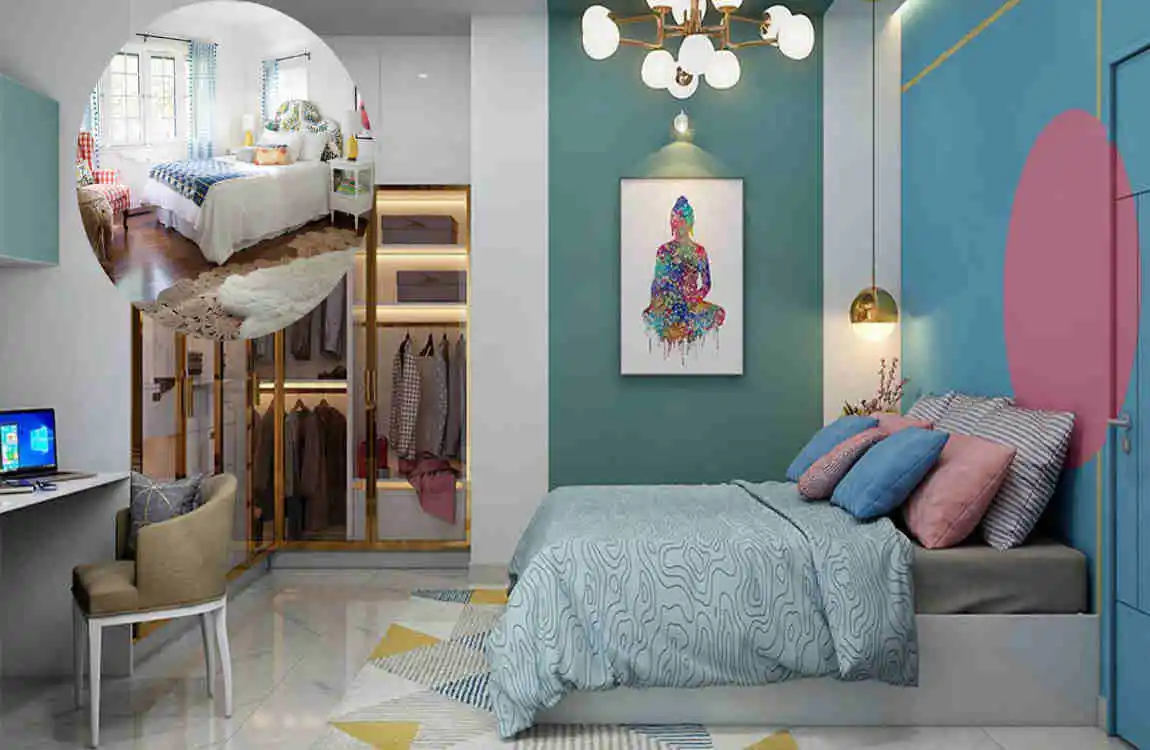
Arranging bedroom furniture is not only about making the room look attractive. The right layout can make your bedroom more comfortable, functional, spacious, and relaxing. Whether you have a small bedroom or a large main suite, thoughtful furniture placement can completely change how the space feels.
If you are wondering how to arrange bedroom furniture, start with the room’s size, the bed position, walking paths, storage needs, and natural light. You do not always need new furniture to improve your bedroom. Sometimes, simply changing the position of the pieces you already have can make a noticeable difference.
Choose the Best Position for the Bed

The bed is normally the largest piece of furniture and the main focal point in a bedroom. Therefore, decide where the bed goes before positioning everything else.
Place the Bed Against the Main Wall
In many bedrooms, placing the headboard against a solid wall creates a comfortable and balanced appearance.
A solid wall gives the bed a strong visual anchor and can make the sleeping area feel more settled.
However, you should also consider doors, windows, heating vents, and the room’s natural traffic flow.
Center the Bed When Possible
Centering the bed on a wall often creates symmetry. It also gives you room for a nightstand on each side.
This arrangement can make the room feel organized without requiring expensive decoration.
In a small bedroom, however, perfect symmetry may not be possible. Function should always come before appearance.
Consider Windows and Natural Light
A window can provide beautiful natural light, but placing a bed directly in front of it may create practical problems.
Think about sunlight, drafts, curtains, privacy, and access to the window.
If the bed must sit near a window, make sure you can still open the window and curtains easily.
Keep the Bed Away From High-Traffic Areas
Avoid placing the bed where people constantly walk around it.
The entrance, closet, and bathroom routes should remain as open as possible. This is especially important in bedrooms shared by two people.
Arrange Nightstands for Convenience and Balance
Nightstands may be small, but they play an important role in the arrangement of bedroom furniture.
Keep Nightstands Close to the Bed
A nightstand should be easy to reach while you are lying in bed.
You can use it for a lamp, a phone, a book, water, an alarm clock, or other nighttime essentials.
Avoid placing the table so far away that you need to get out of bed to reach your phone or turn off a lamp.
Use Matching or Complementary Nightstands
Matching nightstands create a classic symmetrical appearance.
But they do not have to be identical. You can use different tables if they have similar heights, colors, materials, or visual weight.
This approach gives the bedroom a more relaxed and personal appearance.
Leave Enough Space for Movement
Do not squeeze a nightstand into a tiny gap simply because there is technically enough room for it.
Check that drawers and cabinet doors can open properly. Also make sure there is enough space to get in and out of bed comfortably.
Position the Dresser and Other Storage Furniture
Storage is another major part of bedroom furniture placement. A dresser should provide useful storage without making the room feel crowded.
Place the Dresser on a Practical Wall
Choose a wall where the dresser can sit without blocking doors, windows, or walking paths.
Leave enough space in front of the drawers so they can open fully.
If your bedroom is small, a shallow dresser may work better than a large, deep piece.
Keep Furniture Proportional to the Room
Scale matters.
A huge dresser may look attractive in a furniture showroom but can overwhelm a small bedroom.
Similarly, tiny furniture can look lost in a large main bedroom.
Choose pieces that match the size and proportions of your space.
Use Vertical Storage in Small Bedrooms
When floor space is limited, look upward.
Tall dressers, shelving, wall-mounted storage, and built-in wardrobes can provide more storage without taking up too much floor area.
This is one of the most useful strategies for a small bedroom layout.
Create Comfortable Walking Paths
A bedroom should feel easy to move through.
Maintain Clear Pathways
Keep the main routes between the bed, door, closet, and bathroom open.
Do not fill every empty corner with furniture simply because there is space available.
Less furniture often creates a more comfortable bedroom.
Think About Door and Drawer Clearance
Every door and drawer needs operating space.
Before finalizing your arrangement, open every dresser drawer, wardrobe door, closet door, and bedroom door.
This quick test can reveal problems that are not obvious when everything is closed.
Avoid Overcrowding
Furniture should serve a purpose.
If a chair, table, cabinet, or storage unit rarely gets used, consider removing it. An open floor area can be more valuable than another decorative piece.
How to Arrange Bedroom Furniture in a Small Room
Small bedrooms need careful planning because every square foot matters.
Choose the Right Bed Size
The bed takes up more floor space than almost anything else.
If your bedroom is very small, choosing an appropriately sized bed can make a major difference.
Do not select an oversized bed if it leaves almost no room for movement.
Use Multifunctional Furniture
Furniture that serves multiple functions is particularly useful in compact bedrooms.
Consider:
- Beds with built-in storage
- Storage benches
- Floating nightstands
- Foldable desks
- Storage ottomans
These pieces can reduce clutter while keeping important functions available.
Keep the Floor as Open as Possible
Open floor space makes a small bedroom feel less crowded.
Wall-mounted shelves and furniture with visible legs can create a lighter appearance.
Try to avoid unnecessary cabinets and bulky decorative furniture.
Use Mirrors and Light Colors
Mirrors can reflect light and create the impression of greater depth.
Light-colored walls, bedding, curtains, and furniture can also make a compact bedroom feel more open.
How to Arrange Bedroom Furniture in a Large Room
Large bedrooms give you more freedom, but too much space can make the room feel disconnected.
Create Functional Zones
Instead of placing furniture randomly around a large room, divide it into useful areas.
You might create:
- A sleeping zone
- A reading corner
- A dressing area
- A work area
Each zone should have a clear purpose.
Use an Area Rug to Define the Bed Area
An area rug can visually connect the bed, nightstands, and nearby furniture.
It also adds warmth and helps make a large bedroom feel more cohesive.
Add a Bench or Seating Area
If you have enough space, consider placing a bench at the foot of the bed.
A chair and small table can also create a comfortable reading corner without interfering with the sleeping area.
Avoid Pushing Everything Against the Walls
You do not have to place every piece of furniture against a wall.
Floating a chair, bench, or small seating group away from the walls can make a large bedroom feel more intentional and professionally designed.
Bedroom Furniture Arrangement Ideas for Different Layouts
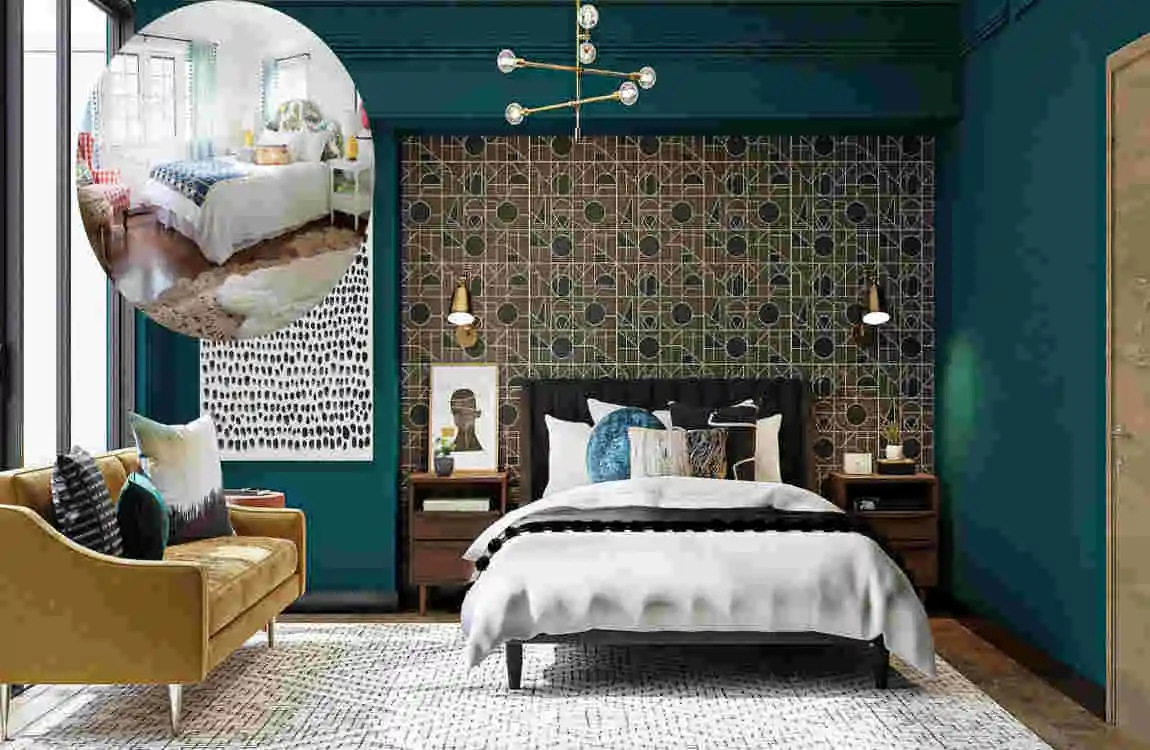
Different room shapes require different solutions.
How to Arrange a Square Bedroom
A square bedroom often works well with a centered bed and balanced furniture on either side.
You can use symmetry to create a calm and organized appearance.
If space allows, place a dresser opposite the bed and keep the main walking paths clear.
How to Arrange a Rectangular Bedroom
A rectangular bedroom can sometimes feel like a narrow corridor.
Position the bed to break up the length of the room.
Use rugs, seating, or storage groupings to create separate visual zones.
How to Arrange a Bedroom With Windows
Do not automatically avoid windows when arranging furniture.
Instead, consider how sunlight, ventilation, curtains, and privacy will affect the furniture.
Large windows can become an attractive feature of the bedroom when they remain accessible.
How to Arrange a Bedroom With Multiple Doors
Multiple doors can make furniture placement challenging.
First, identify the main traffic route. Then place larger furniture on walls that do not interfere with those routes.
Keep all door swings clear before finalizing the layout.
How to Make a Bedroom Feel More Comfortable
Good furniture placement should support relaxation rather than look attractive.
Prioritize the Bed
Make the bed the most inviting part of the room.
Comfortable bedding, suitable pillows, and a clean surrounding area can immediately improve the bedroom experience.
Avoid surrounding the bed with unnecessary objects.
Use Proper Lighting
A comfortable bedroom benefits from several types of lighting.
Consider bedside lamps, ceiling lights, wall sconces, or subtle accent lighting.
Layered lighting lets you create bright conditions when needed and softer ones when you want to relax.
Reduce Visual Clutter
Clutter can make even a large bedroom feel stressful.
Keep nightstands organized and use drawers, baskets, and cabinets to hide items that do not need to remain visible.
Consider Temperature and Airflow
Never block heating or cooling vents with furniture.
Good airflow helps maintain a comfortable room temperature and prevents furniture placement from interfering with the home’s heating or cooling system.
How to Add Style Without Sacrificing Comfort
A stylish bedroom should still be practical.
Create a Visual Focal Point
The wall behind the bed is often the easiest place to create a focal point.
You could use a:
- Statement headboard
- Accent wall
- Artwork
- Wallpaper
- Decorative lighting
Keep the design connected to the rest of the room instead of making it feel separate.
Use Symmetry Carefully
Symmetry can make a bedroom look polished, but not everything has to match perfectly.
You can create balance through similar heights, colors, textures, or shapes.
Coordinate Colors and Materials
Choose a small group of complementary colors and materials.
For example, wood furniture can work well with soft fabrics and simple metal accents.
The goal is to create a coordinated bedroom rather than a room filled with unrelated items.
Common Bedroom Furniture Arrangement Mistakes to Avoid
Even attractive furniture can create problems when it is positioned incorrectly.
Pushing Too Much Furniture Into the Room
More furniture does not automatically make a bedroom better.
Too many pieces reduce walking space and make the room feel crowded.
Blocking Windows or Doors
Avoid blocking windows, doors, closets, and important access points whenever possible.
Your bedroom should remain easy to use every day.
Choosing Furniture That Is Too Large
Always consider scale.
A large bed and oversized dresser may dominate a small bedroom, while tiny furniture may look out of place in a large room.
Ignoring Traffic Flow
Think about where you naturally walk.
If you repeatedly bump into furniture or have to take a strange route around the bed, the arrangement needs to be adjusted.
Creating Too Much Visual Symmetry
Perfect matching can sometimes make a bedroom feel overly formal.
A little variation can make the space feel more natural and personal.
Forgetting Storage Needs
A beautiful bedroom still needs enough storage.
Think about your clothing, shoes, bedding, books, and everyday belongings before deciding where to place storage furniture.
Bedroom Furniture Arrangement: Quick Reference Table
Bedroom Feature Recommended Approach
Bed Make it the main focal point
Nightstands Keep them within easy reach
Dresser Place it where drawers have clearance
Wardrobe Keep doors accessible
Rug Define the sleeping area
Seating Keep it away from main pathways
Desk Place near useful lighting
Storage Use vertical options in small rooms
Walkways Keep major routes open
Decor Add personality without clutter
How to Arrange Bedroom Furniture for Better Sleep
Your bedroom layout can also influence how relaxing the space feels.
Keep the Sleeping Area Calm
Keep unnecessary objects away from the bed.
A clean and organized sleeping area can create a more peaceful atmosphere at the end of the day.
Control Light and Noise
Use suitable curtains or blinds to manage outside light.
If possible, keep frequently used or noisy furniture away from the immediate sleeping area.
Keep Electronics Organized
Messy charging cables can quickly make a nightstand look cluttered.
Use simple cable management and keep electronic devices organized rather than allowing cords to spread across the furniture.
Simple Bedroom Layout Tips on a Budget
You do not need to spend a lot of money to improve your bedroom.
Rearrange Existing Furniture
Start by testing different positions for the bed, dresser, and nightstands.
You may discover a better layout without buying anything.
Remove Unnecessary Pieces
Decluttering can make a bigger difference than purchasing new furniture.
Remove items that no longer serve a useful purpose.
Refresh Small Details
Small changes can give the room a fresh appearance.
Consider updating your bedding, pillows, curtains, lampshades, rug, or wall art.
Shop Your Own Home
Look at furniture and accessories in other rooms.
A chair, small table, mirror, or lamp from another part of the home may work perfectly in your bedroom.
Frequently Asked Questions About How to Arrange Bedroom Furniture
What is the best way to arrange bedroom furniture?
The best arrangement starts with the bed. Position it where it feels comfortable, then add nightstands, storage, and other furniture while keeping clear pathways.
Where should a bed be placed in a bedroom?
A bed often works best against a solid wall when possible. However, doors, windows, ventilation, natural light, and traffic flow should also influence the decision.
Should the bed be centered on a wall?
Centering the bed can create visual balance and provide equal space for nightstands. However, unusual or small bedrooms may require a more flexible arrangement.
How do I arrange bedroom furniture in a small room?
Choose appropriately sized furniture, maximize vertical storage, use multifunctional pieces, and keep as much floor space open as possible.
How much space should be left around bedroom furniture?
The exact amount depends on the furniture and room size. The important thing is to maintain comfortable walking paths and enough clearance for drawers, doors, and closets to operate properly.
Should a dresser face the bed?
A dresser can face the bed if there is enough space and the arrangement does not interfere with movement or drawer clearance.
How can I make my bedroom look bigger?
Reduce oversized furniture, remove unnecessary items, keep pathways open, use lighter colors, maximize natural light, and consider adding a mirror.
| Bedroom Furniture | Best Arrangement Tip | Comfort & Style Benefit |
|---|---|---|
| Bed | Place it against the main wall, ideally facing the door without blocking it. | Creates a strong focal point and balanced layout. |
| Nightstands | Put one on each side of the bed when space allows. | Provides easy access to lamps, books, and essentials. |
| Dresser | Position it on an open wall opposite or beside the bed. | Adds storage without making the room feel crowded. |
| Wardrobe | Keep it near the entrance or along a larger wall. | Makes clothing storage practical and accessible. |
| Desk | Place it near a window for natural light. | Creates a comfortable work or study area. |
| Chair/Bench | Add it in an unused corner or at the foot of the bed. | Provides extra seating and improves the room’s appearance. |
