

Have you ever stepped into your bathroom, looked up, and noticed peeling paint, bubbling surfaces, or, worse, black mold creeping across your ceiling? If so, you’re not alone! Bathrooms are one of the trickiest spaces to maintain in a home because of their high humidity and constant exposure to moisture. The good news? Choosing the correct type of paint for your bathroom ceiling can help you avoid these common problems.
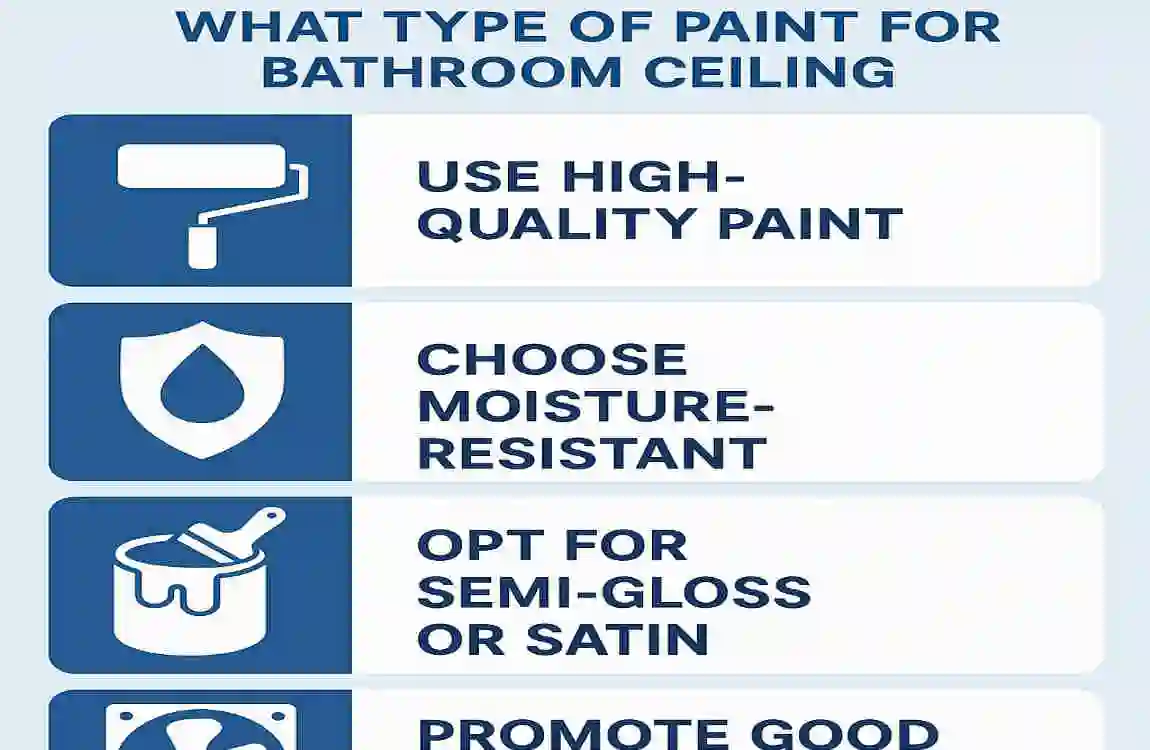
The type of paint you use for your bathroom ceiling matters more than you might think. Ordinary paint won’t cut it in a space prone to steam, condensation, and moisture. Using moisture-resistant paint, like semi-gloss or satin finishes, is vital to protect your ceiling from peeling, mildew, and long-term damage. Not only does this choice improve the durability of your bathroom, but it also helps keep your home safe from health risks caused by mold and mildew.
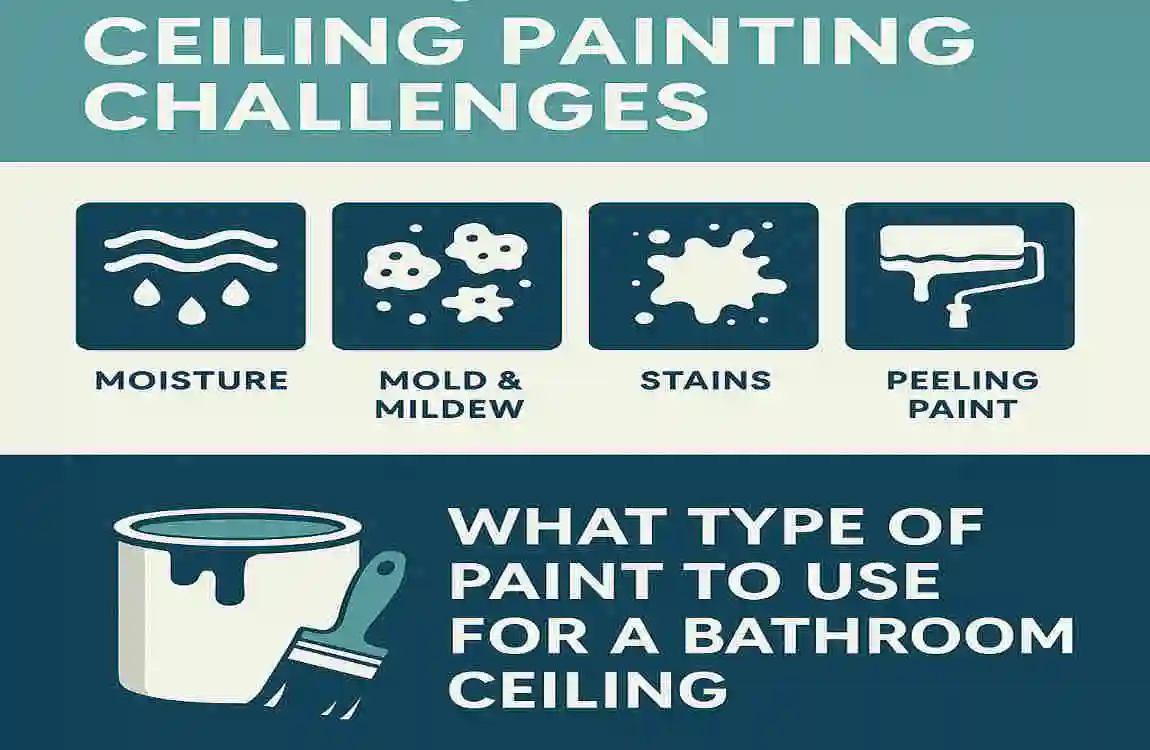
Painting a bathroom ceiling isn’t as simple as slapping on a coat of paint. Bathrooms present a unique set of challenges because of their high-humidity environment. Let’s explore why standard paint doesn’t hold up and what makes this space so tricky to maintain.
The Effects of High Humidity
Bathrooms are the most humid spaces in any home. Steamy showers and poor ventilation create condensation, which can wreak havoc on your ceiling. Standard paints absorb moisture, leading to visible damage like peeling, bubbling, and discoloration within months. This not only ruins the appearance of your ceiling but also shortens its lifespan.
Mold and Mildew Risks
Excess moisture isn’t just harmful for your paint—it’s also a breeding ground for mold and mildew. These fungi thrive in damp environments, and once they start growing, they can spread rapidly. Mold on your bathroom ceiling isn’t just an eyesore; it’s a health hazard. It can cause respiratory issues, trigger allergies, and compromise indoor air quality.
Common Symptoms of Paint Failure
Here are some telltale signs that your bathroom ceiling paint is failing:
- Peeling and bubbling: Paint begins to lift from the surface due to trapped moisture.
- Visible stains: Yellow or brown patches caused by water damage or mold growth.
- Frequent repaints: Standard paints may need retouching every 6-12 months.
- Health impacts: Mold spores can aggravate allergies and asthma, especially in children and elderly family members.
Key Factors to Consider When Choosing Paint for Bathroom Ceilings
Not all paints are created equal, especially in bathrooms. To ensure durability and long-term performance, you need to consider several important factors when selecting the best paint for your bathroom ceiling.
Moisture Resistancebat
The most critical factor in bathroom ceiling paint is its moisture resistance. High-quality moisture-resistant paints are designed to repel water and prevent it from seeping into the surface. Look for labels like “mold-resistant” or “bathroom-safe” to ensure the paint is up to the task.
Sheen Levels: Flat vs. Glossy
The sheen of your paint plays a key role in both appearance and functionality. Here’s a quick breakdown:
- Semi-Gloss: The top recommendation for bathroom ceilings. It’s moisture-resistant, easy to clean, and reflects light beautifully in small spaces.
- Satin: A softer, low-sheen alternative that still offers good moisture resistance.
- Eggshell: A budget-friendly choice but less durable than semi-gloss or satin.
- Flat Paint: Avoid flat finishes in bathrooms—they absorb moisture and are prone to stains and peeling.
Durability and VOC Levels
Durable paints are essential for high-traffic areas like bathrooms. Additionally, pay attention to VOC (volatile organic compound) levels. Low-VOC paints are safer for families, especially in enclosed spaces like bathrooms, where ventilation may not be ideal.
Quick Comparison Table: What to Look for in Bathroom Ceiling Paint
FactorWhy It Matters: Ideal for Bathrooms
Moisture Rating Resists humidity up to 95% High (10/10)
Sheen Easier to clean, repels water Semi-gloss/Satin
Dry Time Quick recoat in humid spaces <4 hours
VOC Levels Safer for family & environment Low-VOC options
Types of Paint for Bathroom Ceilings: Pros, Cons, and Recommendations
Now that you know what to look for, let’s explore the different types of paint available for bathroom ceilings. Each type has its own strengths and weaknesses, so choosing the right one depends on your specific needs.
Latex (Water-Based) Paints
Pros:
- Affordable and widely available.
- Low odor and easy to clean up with water.
- Resistant to mild humidity.
Cons:
- Not suitable for extreme moisture conditions.
Recommendation: Opt for a semi-gloss latex paint for bathrooms with moderate humidity levels.
Oil-Based Paints
Pros:
- Excellent moisture resistance.
- Ideal for high-humidity bathrooms.
Cons:
- Strong odor during application.
- It can yellow over time in low-light areas.
- Requires mineral spirits for cleanup.
Epoxy Paints
Pros:
- Industrial-strength moisture protection.
- Highly durable.
Cons:
- Expensive and challenging to apply.
- Best suited for commercial or extreme conditions.
Mold-Resistant/Specialty Paints
These are designed specifically for room bathrooms and high-humidity environments. They often come pre-mixed with fungicides to prevent mold and mildew growth.
Top Picks:
- Behr Premium Plus Semi-Gloss: Excellent moisture and stain resistance.
- Sherwin-Williams Duration Home: A Premium option with a mold-resistant formula.
Sheen Recommendations: Ranked
- Semi-Gloss: Best for durability and moisture resistance.
- Satin: A softer, modern look with good resistance.
- Eggshell: An economical option, but not as durable.
Moisture-Resistant Paint Recommendations
Looking for the perfect paint? Here are our top five picks for moisture-resistant bathroom ceiling paints:
- Behr Premium Plus Semi-Gloss
- Price: $40-$60 per gallon.
- Why we love it: Excellent coverage, moisture-resistant, and low-VOC.
- Sherwin-Williams Duration Home
- Price: $55-$70 per gallon.
- Why we love it: Premium mold-resistant formula with stunning finish.
- Benjamin Moore Aura Bath & Spa
- Price: $70-$80 per gallon.
- Why we love it: Specifically formulated for humid environments.
- Rust-Oleum Specialty Mold Blocker
- Price: $20-$30 per spray can.
- Why we love it: Budget-friendly and easy to apply.
- Zinsser Perma-White
- Price: $35-$45 per gallon.
- Why we love it: Long-lasting mildew resistance.
Step-by-Step Guide: How to Paint Your Bathroom Ceiling
Ready to get started? Follow these steps to ensure professional results:
- Clean the Surface: Remove dirt, grease, and mold.
- Apply Primer: Use a mold-resistant primer like Zinsser.
- Paint in Two Coats: Apply the first coat, let it dry, then apply a second coat.
- Allow for Curing: Wait 48 hours before exposing to high humidity.
- Cleaning: Use mild soap and a soft cloth to clean your ceiling.
- Repainting: Repaint every 3-5 years to maintain a fresh look.
- Ventilation: install an exhaust fan or use a dehumidifier to prevent moisture buildup.
