
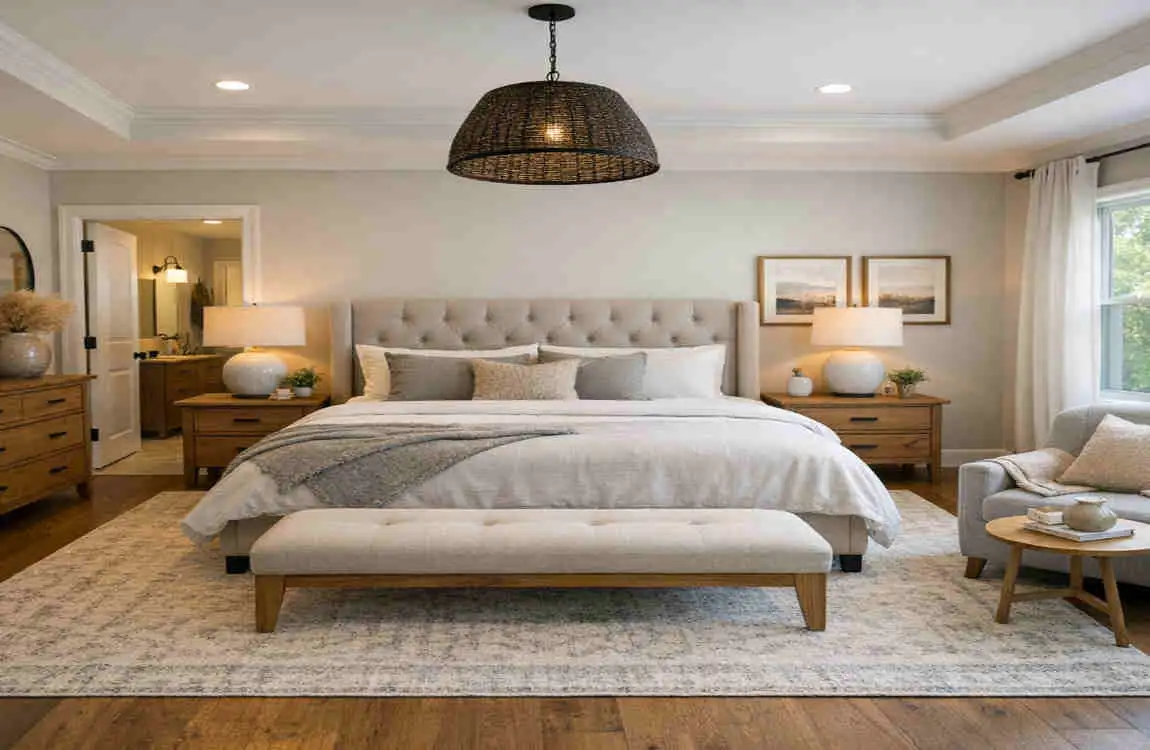
Bedroom size affects much more than just a room’s look. It changes how easily you can place furniture, how much storage you have, and how comfortable the space feels every day.
If a bedroom is too small, it can feel crowded fast. If it is too large, it may feel empty or harder to use well. That is why many homeowners ask what the average bedroom size is before planning a new build, renovation, or furniture layout.
The right bedroom size depends on the home, the number of people using the room, and the room’s purpose. A standard bedroom, primary bedroom, guest room, and children’s bedroom all need different amounts of space.
What Is the Average Size Bedroom in a House?
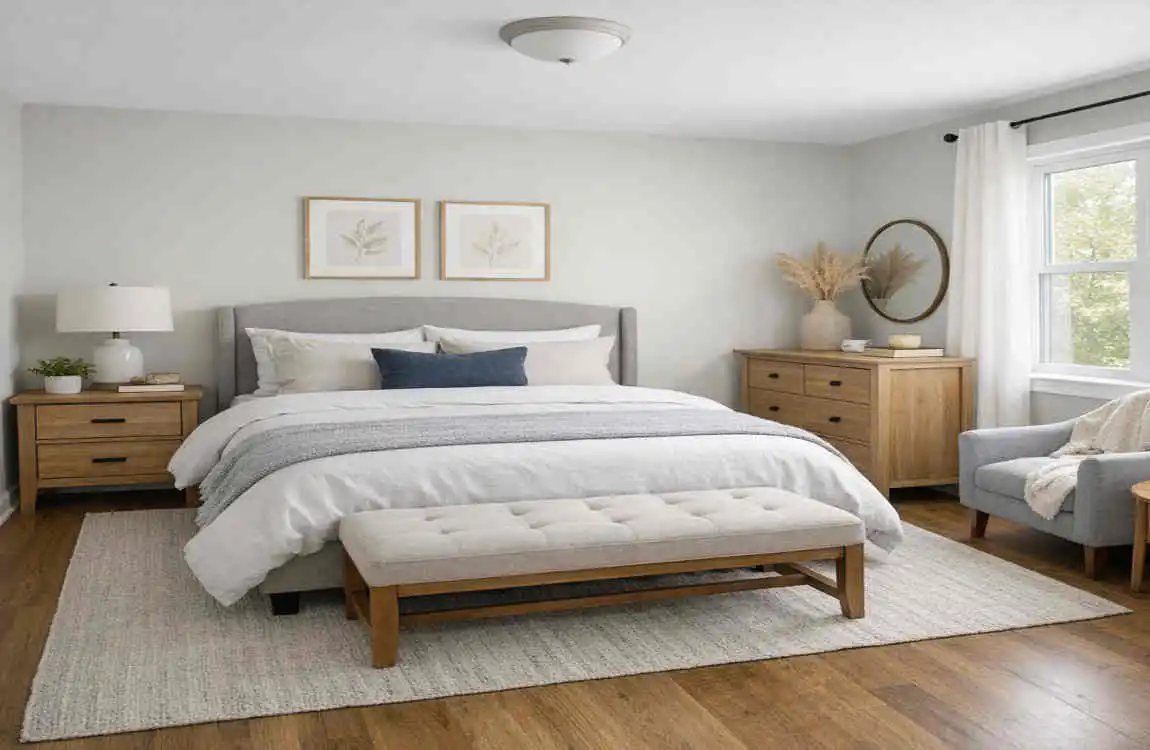
The average bedroom size in a house usually falls in a practical middle range. In many homes, bedrooms are often around 10 × 10 feet, 10 × 12 feet, or 12 × 12 feet.
These sizes are common because they can accommodate a bed, at least one nightstand, and some basic storage. They are not huge, but they are often enough for daily comfort.
A bedroom’s square footage affects how easy it is to move around and how much furniture it can hold. A small bedroom may work well with a twin or full bed, while a larger room can handle a queen or king bed more comfortably.
There is no single standard size for every house. Older homes, modern homes, small apartments, and large custom homes often have very different bedroom dimensions.
Home style, local building practices, the house’s age, and the overall floor plan all shape the size of each bedroom.
Standard Bedroom Size
A standard bedroom is usually a secondary bedroom. It is often used for a child, a teen, a guest, or a general family member.
These rooms are usually designed to fit a bed, a dresser, and basic storage without taking up too much floor space. A 10 × 10 or 10 × 12 room is often enough for this kind of use.
Primary Bedroom Size
A primary bedroom is usually larger because it serves as the home’s main sleeping space. It often needs room for a larger bed and more furniture.
Many primary bedrooms have space for a queen or king bed, nightstands, dressers, seating, and bigger closets. Some also include a small reading area or a private bathroom.
What Is a Comfortable Bedroom Size?
A comfortable bedroom is not only about square footage. It is also about how the room feels when you live in it.
The minimum practical size is the smallest room that can still function. A comfortable size gives you more room to move, store items, and arrange furniture without stress.
Room shape matters too. A square room often feels easier to furnish than a long, narrow room. Ceiling height, windows, doors, and closet placement also affect comfort.
A bedroom should allow you to walk around the bed without feeling cramped. It should also leave enough room for doors to open, drawers to pull out, and natural light to flow in.
Small but Functional Bedrooms
Small bedrooms can still feel very comfortable if they are planned well. You do not need a huge room to create a peaceful space.
The key is to use space-saving furniture and keep the layout simple. A smaller bed, wall shelving, or a slim dresser can make a big difference.
These rooms work best when every piece has a purpose. If you choose items carefully, even a small bedroom can feel calm and usable.
Medium-Sized Bedrooms
Medium bedrooms are often the easiest to use for everyday family life. They usually give you enough room for a bed, storage, and walking space.
This size works well because it offers flexibility. You can fit a queen bed in many medium rooms without making the room feel tight.
Medium bedrooms also leave room for design choices. You can add a chair, desk, or larger nightstands without crowding the space.
Large Bedrooms
Large bedrooms can feel luxurious, but they also require careful planning. More space does not always mean more comfort.
If a bedroom is too large and poorly furnished, it may feel empty or less cozy. You may end up with wasted space that serves no real purpose.
A large room works best when it includes clear zones, such as a sleeping area, reading corner, or dressing space.
Bedroom Size by Type and Use
Primary Bedroom
The primary bedroom usually needs the most space. It often serves as the main rest area for adults, so it should feel relaxed and practical.
A comfortable primary bedroom should have enough room for:
- A queen or king bed
- Nightstands
- Dressers or wardrobes
- A seating area
- Closet access
If you want the bedroom to feel open, plan for extra walking space around the bed.
Guest Bedroom
A guest bedroom should feel welcoming without being overfilled. It does not need to be as large as a primary bedroom, but it should still be comfortable.
A bed, a small dresser, and a spot for luggage are usually enough. If the room is flexible, you can also include a desk or chair.
The goal is to make guests feel at ease without crowding the room.
Children’s Bedroom
Children’s bedrooms often need more floor space than people expect. Kids need room to sleep, play, study, and store toys or clothes.
A good children’s room should usually include:
- A bed
- Toy or clothing storage
- Open floor space
- A study area if needed
Keeping the layout simple helps the room grow with the child over time.
Teenager’s Bedroom
Teen bedrooms often need more function than smaller children’s rooms. Teens may want space for studying, relaxing, and storing more personal items.
A desk, chair, bed, and storage can all fit in a medium-sized bedroom if the layout is planned well. Privacy and flexibility matter too.
Home Office and Bedroom Combination
If you use the bedroom as a workspace too, the layout becomes even more important. The room should feel restful for sleep and focused for work.
A compact desk, wall shelving, and a clear divide between sleeping and working zones can help. You want the room to stay balanced, not busy.
How to Plan Furniture in an Average Bedroom
Choosing the Right Bed Size
The bed is usually the largest item in the room, so it should be the first thing you plan around.
A twin bed works well in small bedrooms. A full bed gives more sleeping space without taking over the room. A queen bed fits many average-sized bedrooms well. A king bed needs more space and works best in larger rooms.
Here is a simple guide:
Bed Size Best Room Type Notes
Twin Small bedroom, child’s room Saves space
Full Small to medium bedroom Good balance of comfort and size
Queen Average bedroom Very common choice for adults
King Large bedroom Needs more walking room
If the room is small, do not force a bed that is too big. The room will feel tighter and less comfortable.
Creating Better Walking Space
Walking space matters more than many people realize. You need enough room to move around the bed without bumping into furniture.
A bedroom should have clear paths to the door, closet, and windows. If drawers cannot open easily or if you cannot walk around the bed, the room may be too crowded.
Try to avoid placing too many pieces in one room. Sometimes less furniture creates a much more comfortable space.
Using Nightstands, Dressers, and Storage Wisely
Nightstands are useful, but they should not be oversized in a smaller room. A slim one may work better than a wide one.
Dressers and wardrobes should fit the wall space without blocking movement. Vertical storage can help when floor space is limited.
If your bedroom is small, think upward instead of outward. Shelves and tall storage units can free up more walking room.
How Décor Can Make a Bedroom Feel Larger
The way a room looks can change how large it feels. Light wall colors often make a bedroom feel more open.
Mirrors can reflect light and create a sense of depth. Rugs can help define areas without making the room feel heavy.
Soft lighting also helps. A bright, balanced room often feels more spacious than a dark one.
Factors That Determine the Best Bedroom Size
The ideal bedroom size depends on more than one number. You should think about how the room will actually be used.
Some of the biggest factors include:
- Number of occupants
- Bed size
- Furniture needs
- Closet or storage space
- Ceiling height
- Natural light
- Window and door placement
- Room shape
- Lifestyle
- Future needs
For example, a single child may be comfortable in a smaller room, while a couple sharing a primary bedroom may need much more space.
A home office inside a bedroom also needs room for a desk and chair. If you expect your needs to change later, plan with flexibility in mind.
The best bedroom is usually the one that supports your daily life, not the one with the most square footage.
How to Make a Small Bedroom Feel Bigger
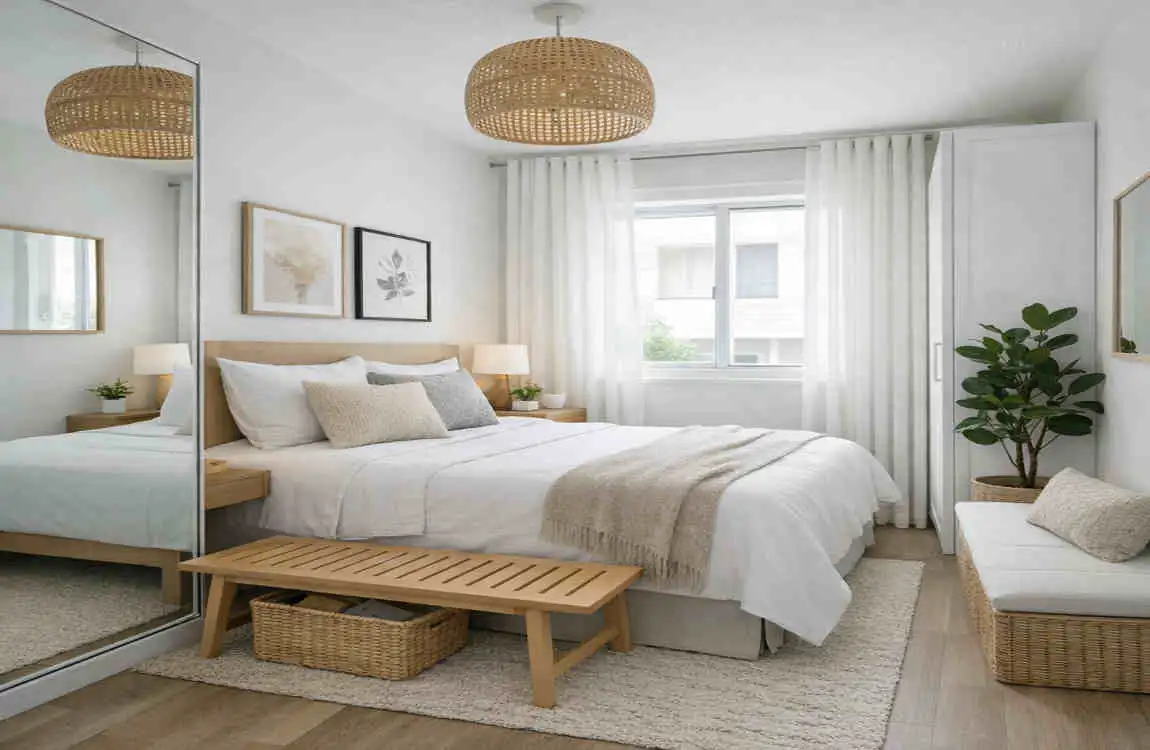
A small bedroom can still feel comfortable if you design it carefully. You do not need a huge room to enjoy good sleep and easy movement.
Use Light and Simple Colors
Light colors help a room feel brighter and more open. White, cream, soft gray, and light beige often work well.
Too many dark shades can make a room feel smaller. A simple palette usually feels calmer too.
Choose Smaller Furniture
Furniture with a smaller footprint takes up less visual and physical space. This is especially helpful in compact rooms.
Look for slim nightstands, narrow dressers, and beds with built-in storage when possible.
Use Vertical Storage
When floor space is tight, use the walls. Shelves, tall storage units, and wall hooks can free up valuable room below.
Vertical storage helps keep the room organized without crowding it.
Install Mirrors Strategically
Mirrors can make a small room feel more open by reflecting light. They work especially well near windows or across from light sources.
You do not need many mirrors. One well-placed mirror can make a noticeable difference.
Keep the Floor Clear
Clutter makes a room feel smaller fast. Keeping the floor open helps the space breathe.
Use under-bed storage, closed baskets, or built-in storage to reduce visible mess.
Choose Multifunctional Furniture
Furniture that serves multiple purposes is very useful in a small bedroom. A bed with drawers, a bench with storage, or a desk that doubles as a vanity can save space.
Use the Right Lighting
Good lighting helps a room feel larger and more inviting. Layered lighting often works best.
Try a mix of ceiling light, bedside lamps, and soft accent light if the room needs more depth.
Avoid Oversized Beds
A king bed may sound appealing, but if the room is too small, it can make everything feel crowded.
Choose a bed size that fits the room instead of forcing a large bed into a tight space.
Frequently Asked Questions
What is the average size bedroom in a house?
The average bedroom in a house is often around 10 × 10 feet, 10 × 12 feet, or 12 × 12 feet. The exact size depends on the home style, floor plan, and number of bedrooms.
Is a 10 × 10 bedroom big enough?
Yes, it can be big enough for a twin bed, a full bed, and some basic furniture. It may feel tight with a queen bed, especially if you also need storage.
Is a 10 × 12 bedroom a good size?
Yes, it is a very practical size for many homes. It usually works well for a full or queen bed and still leaves some walking space.
What is a good size for a primary bedroom?
A good primary bedroom is usually large enough for a queen or king bed, nightstands, storage, and sometimes a seating area. Comfort matters more than a fixed number.
What is the minimum comfortable bedroom size?
There is no single number for everyone. The minimum comfortable size depends on who uses the room, what furniture is needed, and how the layout works.
Can a small bedroom still feel comfortable?
Yes, absolutely. Good furniture choices, storage, lighting, and organization can make a small bedroom feel very comfortable.
What bedroom size is best for a king-size bed?
A king-size bed usually needs a larger bedroom, so you still have walking space around it. A medium or large primary bedroom is usually the best fit.
| Bedroom Size | Approx. Dimensions | Comfort Level | Best For |
|---|---|---|---|
| Small | 10 × 10 ft | Basic | Single person or guest room |
| Medium | 12 × 12 ft | Comfortable | One or two adults |
| Large | 12 × 14 ft | Very comfortable | Master bedroom |
| Extra Large | 14 × 16 ft+ | Spacious | Master suite with furniture and seating |
