
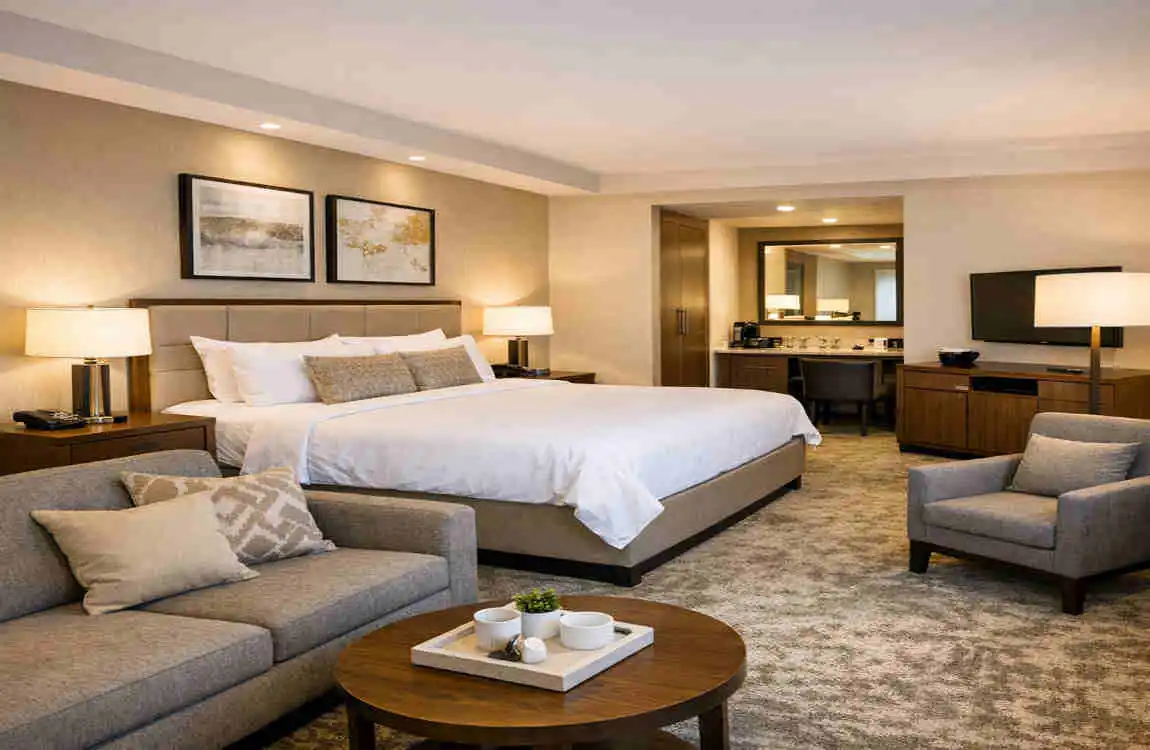
Bedroom terms can be confusing. You may see words like room, suite, studio, or standard suite bedroom and wonder what they actually mean. This is especially true in hotels, apartments, and rental listings, where the same word can mean slightly different things.
So, what is a standard suite bedroom? In simple terms, it usually refers to a bedroom that is part of a suite and offers more space or functionality than a basic bedroom. A suite often includes a sleeping area plus one or more additional areas, such as a sitting space, a workspace, or a private bathroom.
What Is a Standard Suite Bedroom?
Basic Definition
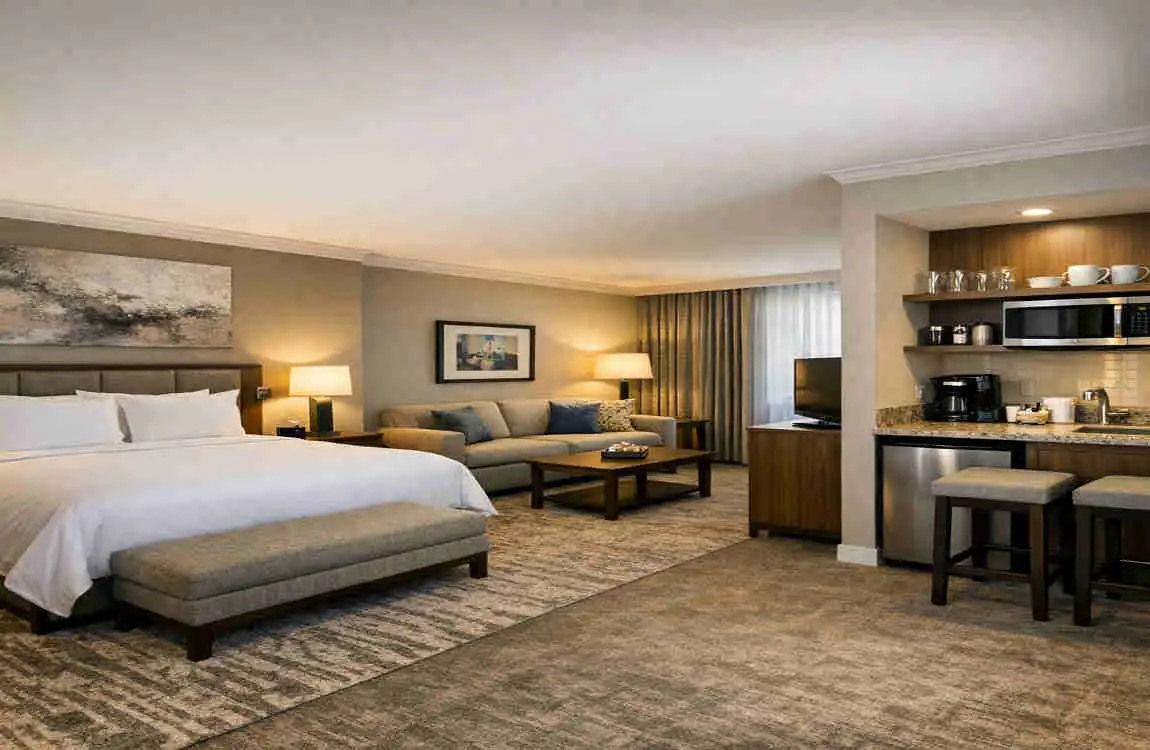
A standard suite bedroom is typically part of a suite layout rather than a simple single-room setup. It is designed for both sleeping and living, even if the living area is small.
The exact meaning can change depending on the property. In a hotel, a suite may mean a bedroom plus a separate lounge area. In an apartment, it may mean a larger bedroom with private bathroom access and other features. In a rental listing, the term can be used in slightly different ways, so it is always good to check the details.
The main idea is simple: a suite bedroom is usually more than just a place to sleep.
Common Features
A standard suite bedroom often includes several useful features. These may be basic, but they make the room feel more complete and comfortable.
Common features include:
- Sleeping area
- Private bathroom
- Storage space
- Seating area
- Basic bedroom furniture
- Sometimes a work desk or extra living space
Not every suite will have all of these, but many have at least a few. The bigger the suite, the more likely it is to include extra comfort features.
Why Is It Called a “Suite”?
The word “suite” usually refers to a group of connected spaces that serve more than one purpose. A regular bedroom is mainly for sleeping. A suite bedroom often includes a sleeping area plus additional usable space.
That is the big difference. A suite is more flexible. It may let you sleep, work, relax, or host a guest in the same area without feeling cramped.
What Does a Standard Suite Bedroom Usually Include?
Sleeping Area
The sleeping area is the main part of the room. This is where you will usually find the bed, and the size may vary depending on the property.
You may see:
- A queen bed
- A king bed
- Two smaller beds in some layouts
The bed is usually placed so there is enough walking space around it. Good placement matters because it helps the room feel open rather than crowded. Nightstands and lamps are also common because they make the space easier to use at night.
If the room is well planned, you should be able to move around the bed without feeling squeezed.
Living or Sitting Area
Many suite bedrooms include a sitting area or a small living corner. This is one of the features that makes a suite more useful than a standard bedroom.
This area may include:
- A sofa
- One or two chairs
- A small table
- A corner for reading or working
This extra space can be very helpful if you want to relax without lying on the bed all day. It can also be useful if you are travelling for work and need a place to sit and use a laptop or review documents.
Bathroom and Storage
A private bathroom is one of the most common features of a suite bedroom. Having your own bathroom adds convenience and privacy, especially in hotels or shared properties.
Storage is another important part. Many suite bedrooms include:
- A closet
- A wardrobe
- Drawers
- Shelves or small built-in storage units
Good storage helps the room stay neat. It also makes longer stays easier because you have a place to keep clothes, bags, and personal items.
Other Possible Amenities
Depending on the property, a standard suite bedroom may also include additional features to enhance comfort.
These might be:
- A television
- A desk or workspace
- A mini refrigerator
- A kitchenette
- A balcony
- Extra seating or lighting
These features are not always included, but they can make the suite feel more complete. If you are staying for several days or more, these small additions can make a big difference.
How Is a Standard Suite Bedroom Different From a Regular Bedroom?
Standard Bedroom
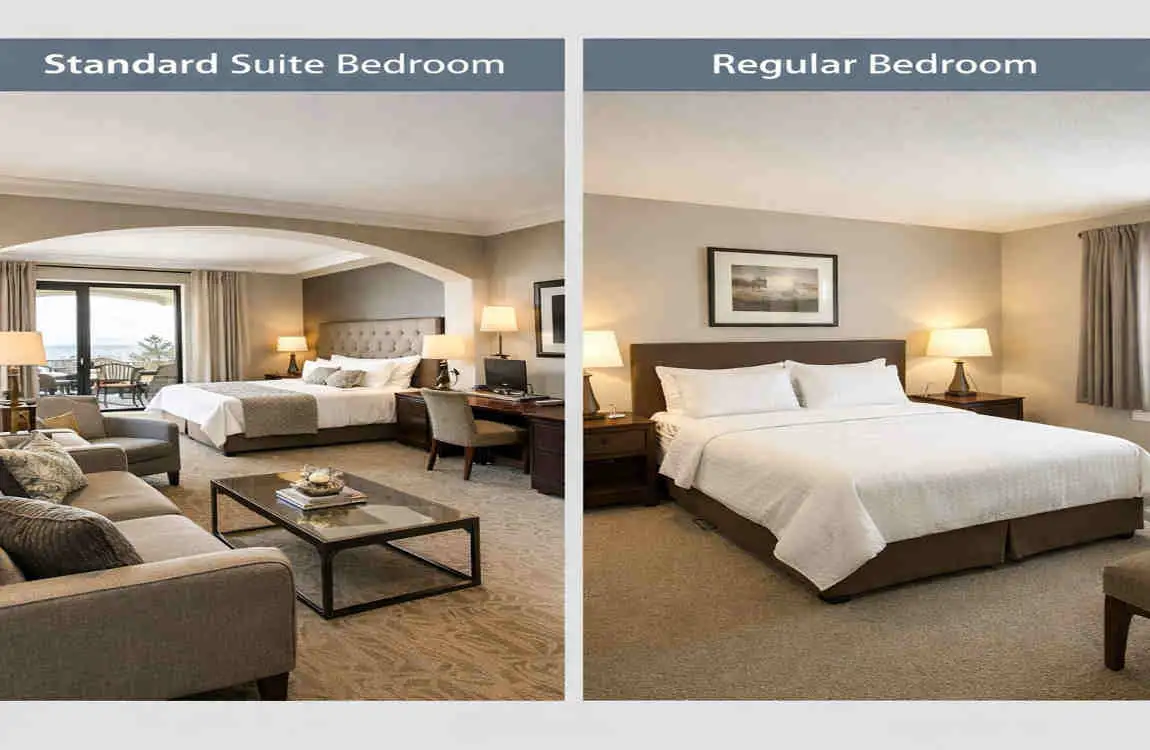
A regular bedroom is usually built mainly for sleeping. It may be simple, functional, and smaller than a suite.
A standard bedroom may include:
- A bed
- A nightstand
- A closet
- Basic lighting
That is often enough for short stays or simple living needs. But it may not give you much extra room to sit, work, or relax.
Standard Suite Bedroom
A suite bedroom usually offers more usable space. It may have a separate sitting area, greater privacy, and more overall comfort.
That means you can use the room in more than one way. You can sleep, read, work, or sit without feeling like the whole room is only for one purpose.
What Size Is a Standard Suite Bedroom?
Typical Space
There is no single universal size for a standard suite bedroom. The size depends on the building, the location, and the property type.
A hotel suite bedroom may be larger than a regular hotel room. An apartment suite may be designed differently from a rental suite. That is why the word “suite” alone does not tell you the full story.
It is better to consider the total usable space rather than just the bedroom size.
Factors That Affect Suite Size
Several things can influence how large a suite bedroom feels:
- Hotel category
- Apartment or house design
- Number of occupants
- Furniture layout
- Available floor space
A smaller suite can still feel comfortable if it is well designed. A larger suite can still feel awkward if the layout is poor. So size matters, but layout matters too.
How to Judge Whether the Space Is Large Enough
When looking at a standard suite bedroom, ask yourself a few simple questions:
- Is there enough room around the bed?
- Can I walk through the room easily?
- Is the storage space enough?
- Is there a seat or desk if I need one?
- Does the layout feel open or crowded?
These questions help you decide whether the suite is practical for your needs.
Benefits of Choosing a Standard Suite Bedroom
More Space and Comfort
One of the biggest advantages of a suite bedroom is space. You usually have more room to move around, sit, and store your things.
That extra space makes the room feel less crowded. It can also help you feel more relaxed, especially during longer stays.
Better Privacy
A suite often gives you more privacy than a regular bedroom. If the living and sleeping areas are separate or partially separated, you can use the room in different ways without feeling exposed.
This can be helpful for couples, families, or business travellers who need quiet time.
Suitable for Longer Stays
A standard suite bedroom is often a better choice for longer stays because it offers greater comfort and flexibility. You are not limited to just sleeping in the room.
You can sit, work, and relax more easily. That makes extended travel or temporary living feel much easier.
Flexible Use
A suite bedroom can serve multiple purposes. It may work as a sleeping space at night, a work area in the day, and a relaxing space in the evening.
That kind of flexibility is one of the biggest reasons people choose suites over basic rooms.
Better for Families and Couples
If more than one person is staying in the space, the extra room can really help. Families often need a little more breathing room. Couples may also appreciate the added comfort and privacy.
A standard suite bedroom can reduce stress by giving everyone a bit more personal space.
How to Choose the Right Standard Suite Bedroom
Check the Floor Plan
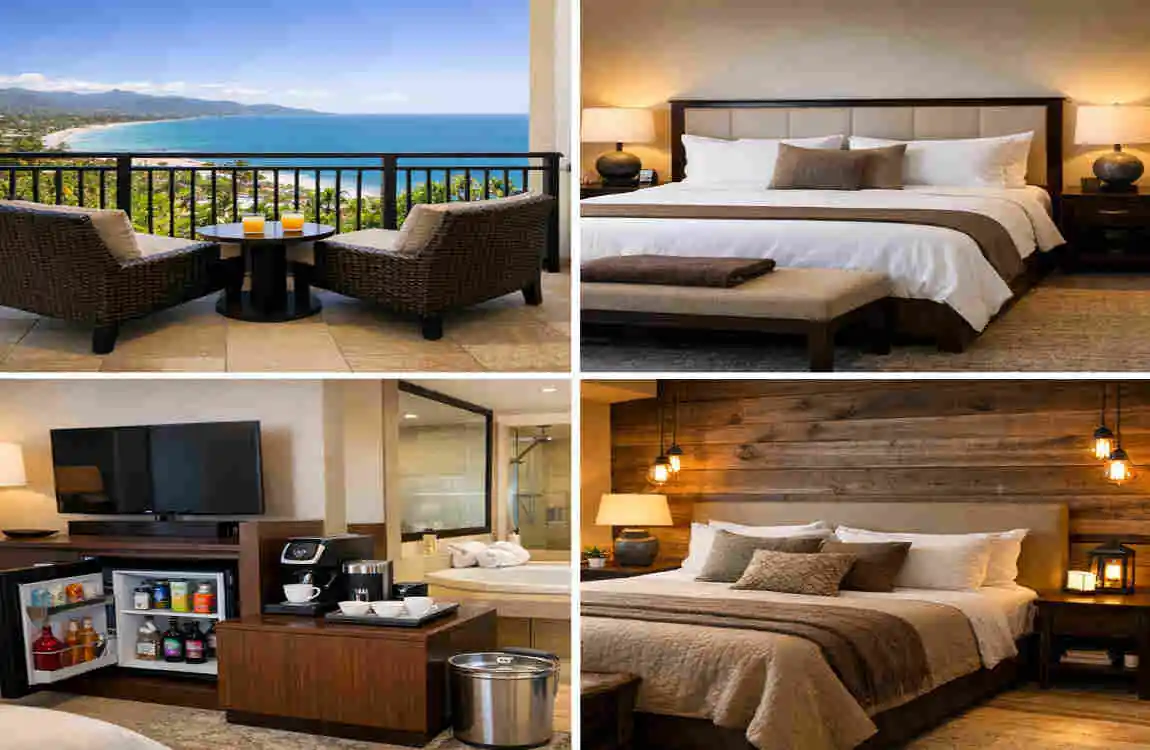
Always look at the layout first. A suite may sound great, but the floor plan tells you how the space actually works.
Check whether the bedroom and living area are truly separate or just loosely divided. That difference can matter a lot.
Review Included Amenities
Before booking or renting, look at what comes with the room. Common items to check include:
- Private bathroom
- Storage
- Workspace
- Seating
- Internet
- Entertainment
- Kitchenette or mini fridge
The more clearly you understand the features, the easier it is to choose the right space.
Consider Your Needs
Think about how you plan to use the room. A short stay may not need much extra space. A longer stay usually benefits from more comfort and flexibility.
Ask yourself:
- Do I need a work area?
- Do I want more privacy?
- Will I be staying alone or with others?
- Do I need extra storage?
Your answer will guide your choice.
Check the Property Description Carefully
This is important because the word “suite” can mean different things in different contexts. One property may use it for a fully separate bedroom and lounge. Another may use it for a larger room with a few extra features.
Always read the description closely and confirm the room size, layout, and amenities before deciding.
Standard Suite Bedroom: Frequently Asked Questions
What is a standard suite bedroom?
It usually refers to a bedroom that is part of a suite and offers sleeping space plus additional living or functional space.
Is a suite bedroom bigger than a standard bedroom?
Usually, yes. But the exact size depends on the property and room type.
Does a standard suite have a separate bedroom?
Sometimes yes, sometimes no. Some suites have a separate bedroom, while others use an open or partly divided layout.
What is the difference between a suite and a bedroom?
A bedroom is mainly for sleeping. A suite usually includes sleeping space plus additional living or functional areas.
Is a standard suite bedroom good for families?
Yes, often it is. The extra space can make it more comfortable for families, especially during longer stays.
Does every standard suite have a living room?
No. Some do, but not all. It depends on the property design.
Is a suite worth paying more for?
It can be, if you want more comfort, privacy, and usable space. For longer stays, the extra cost may be worth it.
Can a standard suite bedroom be used as a permanent bedroom?
That depends on local housing rules, ventilation, egress, and whether the space legally qualifies as a bedroom.
| Feature | Description |
|---|---|
| Definition | A standard suite bedroom is a bedroom that is part of a larger suite, usually with additional private living or functional space. |
| Bedroom Area | Provides a dedicated space for sleeping, typically large enough for a bed, storage, and basic furniture. |
| Private Bathroom | Many suite bedrooms include an attached private bathroom, although this can vary by property. |
| Living Space | A suite may have a small sitting room, lounge, or separate living area connected to the bedroom. |
| Privacy | Offers more privacy and separation than a typical single bedroom. |
| Common Uses | Found in homes, apartments, hotels, student housing, and guest accommodations. |
| Main Benefit | Combines sleeping space with extra comfort, storage, or living space in one private area. |
