
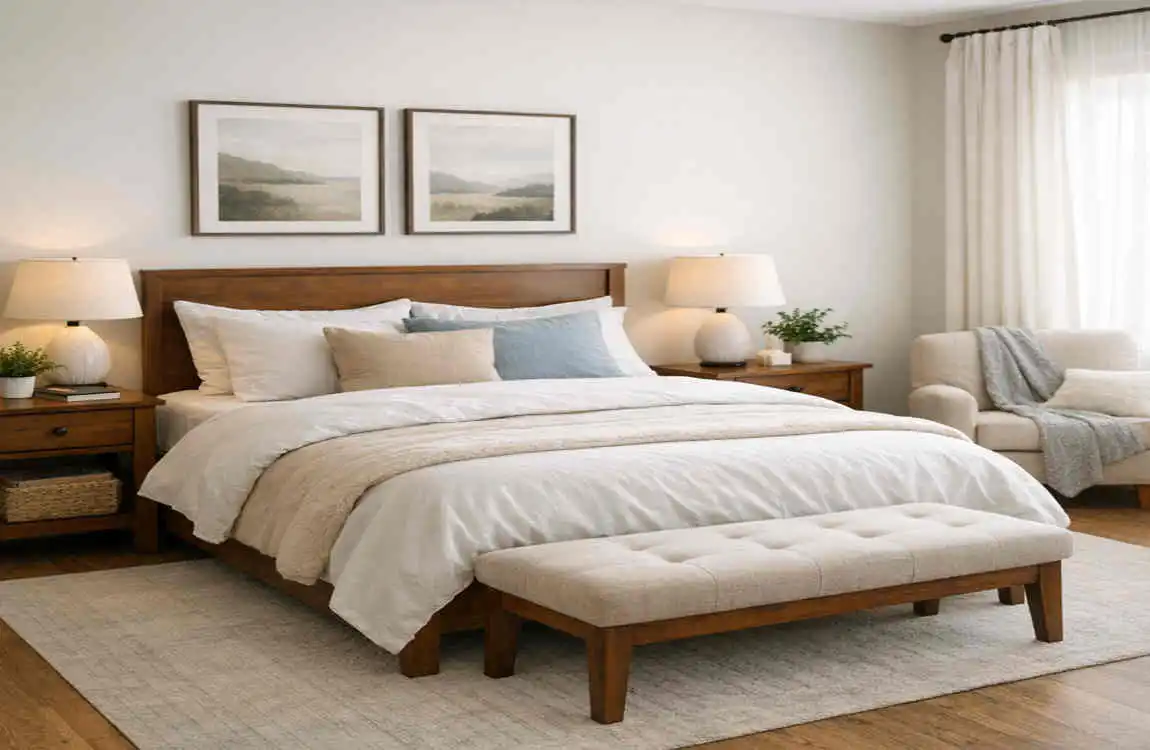
If you are asking what a bedroom means, the simple answer is this: a bedroom is a private room in a home designed mainly for sleeping and resting. It is one of the most personal spaces in a house because it gives you comfort, privacy, and a place to unwind.
Bedrooms can look very different from one home to another. Some are small and simple. Others are large, stylish, and filled with extra furniture. But the basic purpose stays the same.
What Does a Bedroom Mean?
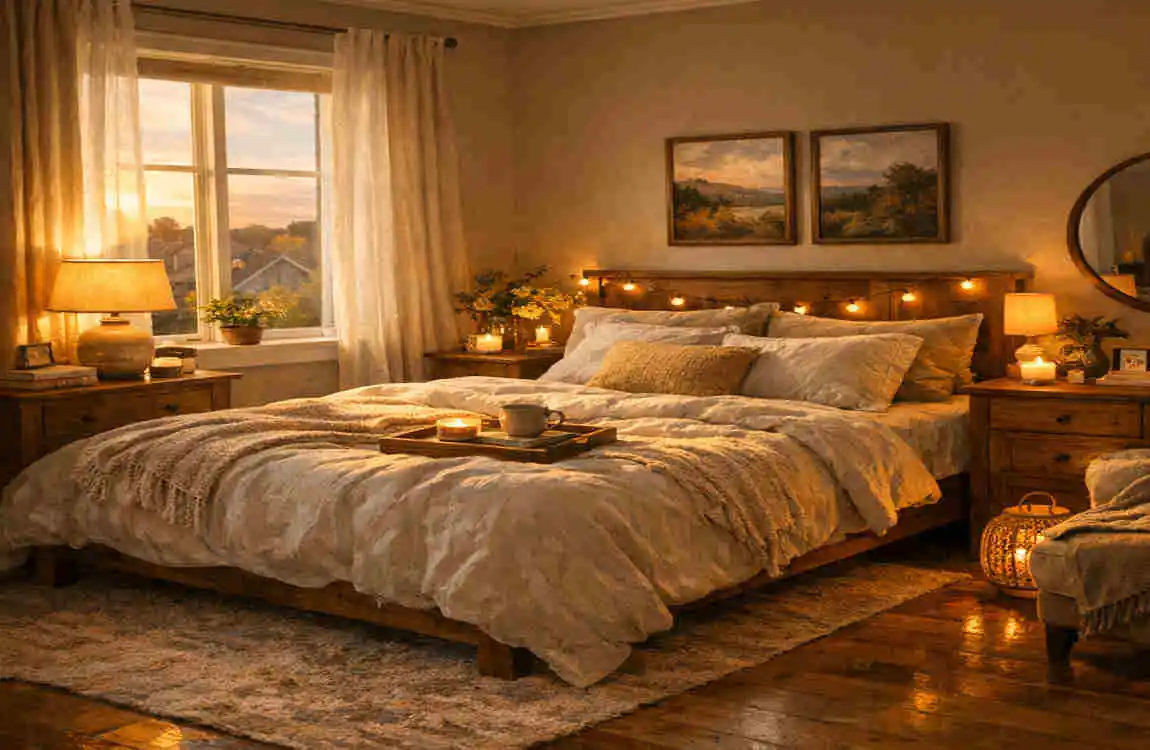
Simple Definition of a Bedroom
A bedroom is a room where people sleep, rest, and keep personal belongings. It is usually a private space, separated from the more public areas of the home.
In simple words, it is the room you go to when you want peace, quiet, and rest.
What Is the Main Purpose of a Bedroom?
The main purpose of a bedroom is not just sleep. It usually serves several important jobs:
- Sleeping
- Relaxing
- Storing clothes and personal items
- Giving you privacy
- Creating a calm personal space
A bedroom supports both physical rest and mental comfort.
Why Is a Bedroom Important in a Home?
A bedroom matters because it gives you a place to step away from daily activity. That privacy helps you feel settled and comfortable.
It also helps with organization. When a bedroom has good storage, your home feels less cluttered and easier to live in.
What Are the Main Features of a Bedroom?
Bed and Sleeping Area
The bed is the central part of most bedrooms. It may be a single bed, double bed, queen bed, or king bed, depending on the room size and the person using it.
The mattress, bedding, and bed position all affect comfort. A good sleeping area should feel easy to use and not crowded.
Storage Space
Most bedrooms need some storage. Common options include:
- Wardrobes
- Closets
- Dressers
- Nightstands
- Under-bed storage
This helps keep clothes, accessories, and personal items organized.
Lighting and Windows
Good lighting makes a bedroom more useful and pleasant. Natural light from windows can brighten the room during the day. At night, lamps and ceiling lights help create a softer mood.
Curtains or blinds are also important because they help with privacy and light control.
Doors, Walls, and Flooring
Bedrooms usually have a door so the space can feel private and separate. Walls help create a calm and quiet setting.
Flooring should feel comfortable too. Many people choose carpet, wood, or soft rugs because they make the room warmer and more inviting.
What Is Usually Found in a Bedroom?
Bedroom Item Main Purpose
Bed Sleeping and resting
Wardrobe Storing clothes
Nightstand Keeping personal items nearby
Dresser Organizing clothing
Curtains Privacy and light control
Lighting Visibility and atmosphere
Rug Comfort and decoration
These are the most common bedroom items, although every room is different.
Different Types of Bedrooms
Primary Bedroom
This is usually the largest bedroom in the home. It often belongs to the main occupant or the couple living in the house.
It may include extra storage or even a private bathroom.
Guest Bedroom
A guest bedroom is designed for visitors. It usually focuses on comfort and simplicity.
You do not need much furniture here. A bed, some storage, and soft lighting are often enough.
Children’s Bedroom
A child’s bedroom often does more than one job. It may be used for sleeping, playing, studying, and storing toys or clothes.
Safety and flexibility are very important in this type of room.
Single Bedroom
A single bedroom is usually meant for one person. It often uses space efficiently and keeps furniture simple.
Shared Bedroom
Two or more people use a shared bedroom. It may be common in family homes, dorm-style spaces, or children’s rooms.
Storage and personal zones become especially important here.
What Makes a Room a Bedroom?
A room is usually considered a bedroom when it has the right features for sleeping and private use.
These features often include:
- A suitable sleeping area
- Privacy
- Ventilation
- Access in and out of the room
- Space for personal belongings
- Appropriate lighting
- A practical layout
It is also important to know that legal bedroom requirements can vary by location. In real estate, a room may only count as a bedroom if it meets local rules.
Bedroom vs. Other Rooms in a House
Bedroom vs. Living Room
A living room is a shared social space. It is meant for relaxing, watching TV, or spending time with others.
A bedroom is more private and personal. It is mainly for sleep and rest.
Bedroom vs. Guest Room
A guest room is often a bedroom, but it is usually set up for visitors instead of daily use.
Bedroom vs. Home Office
A home office is built for work. A bedroom is built for sleep and relaxation.
Bedroom vs. Studio Space
In a studio home, the sleeping area may be part of one open room. Even then, the bedroom function still matters because the sleeping space needs comfort and some privacy.
How to Design a Comfortable Bedroom
Choose the Right Bed Size
The bed should fit the room well. If the bed is too big, the space can feel cramped.
Leave enough space to walk around it easily.
Use Smart Storage
Good storage keeps the room calm and tidy. Built-in wardrobes, under-bed boxes, and multifunctional furniture can all help.
Select Comfortable Colors
Soft, neutral, or calm colors often work well in bedrooms because they help create a restful mood.
Improve Lighting
Use a mix of lighting types when possible. Natural light is helpful during the day, while lamps and soft overhead lights work well at night.
Keep the Layout Simple
A bedroom should feel open enough to move around in. Too much furniture can make the room feel busy and uncomfortable.
How Bedroom Size Affects Design
Bedroom Size Design Approach
Small Use compact and multifunctional furniture
Medium Balance sleeping, storage, and movement
Large Create sleeping, sitting, or dressing zones
Small bedrooms need smart planning. Large bedrooms allow more freedom, but they still need a balanced layout.
Common Bedroom Design Mistakes to Avoid
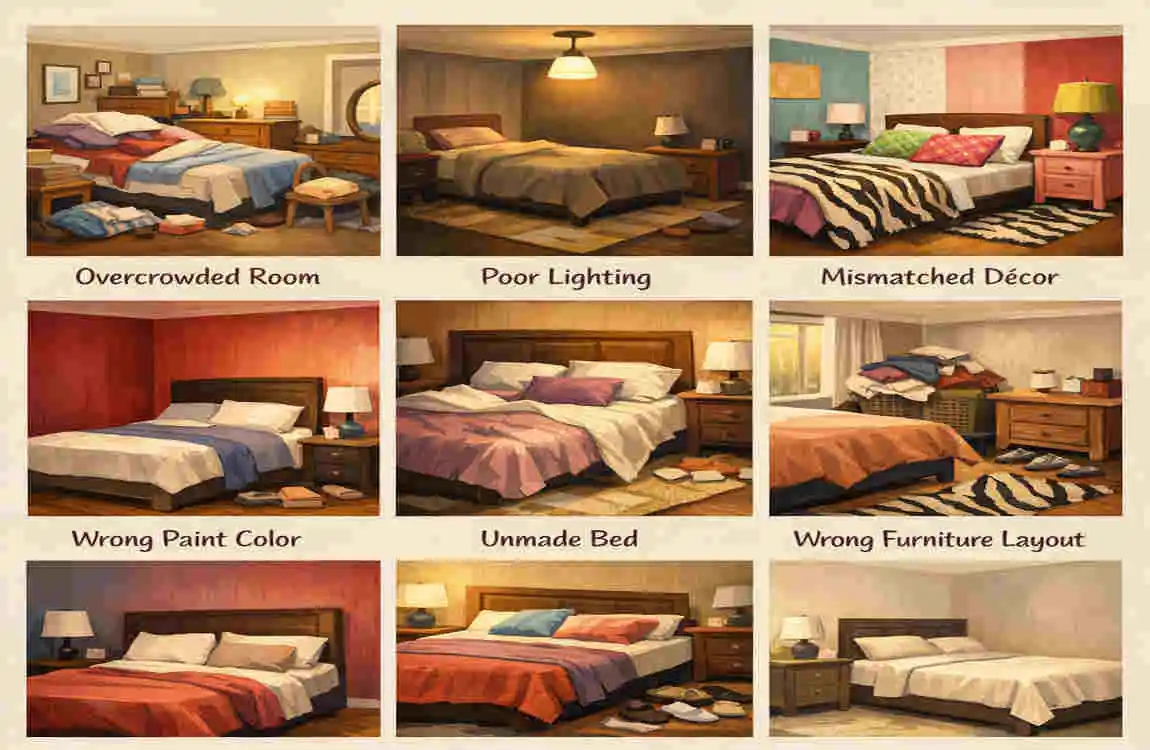
- Choosing furniture that is too large
- Blocking windows with heavy furniture
- Not planning enough storage
- Using poor lighting
- Adding too much clutter
- Ignoring ventilation
- Filling the room with too many decorative items
A good bedroom should feel calm, not crowded.
How Bedrooms Have Changed Over Time
Bedrooms used to be simpler. In older homes, they were mainly places to sleep.
Today, bedrooms often do more. They may include storage, desks, sitting areas, or smart-home features. Many people now use the bedroom as a place to sleep, relax, read, and sometimes work.
That is why modern bedroom design often focuses on comfort and flexibility.
Frequently Asked Questions About Bedrooms
What does a bedroom mean?
A bedroom is a private room designed mainly for sleeping, resting, and personal use.
What is the main purpose of a bedroom?
Its main purpose is to provide a place for sleep, rest, and privacy.
What makes a room a bedroom?
A room usually counts as a bedroom if it has a sleeping area, privacy, ventilation, and enough space for normal use.
What is the difference between a bedroom and a sleeping room?
The terms can overlap. In many cases, both refer to a room used for sleeping, but the exact meaning may depend on the context.
Can a small room be a bedroom?
Yes, if it works well as a sleeping space and meets local rules.
What furniture does a bedroom need?
Most bedrooms need a bed, storage, lighting, and bedside furniture.
What are the different types of bedrooms?
Common types include primary bedrooms, guest bedrooms, children’s bedrooms, single bedrooms, and shared bedrooms.
Why is privacy important in a bedroom?
Privacy helps the bedroom work as a calm, personal space where you can rest and feel comfortable.
| Aspect | Simple Explanation |
|---|---|
| Definition | A bedroom is a private room designed mainly for sleeping and resting. |
| Main Purpose | It provides a comfortable and quiet space for sleep, relaxation, and personal activities. |
| Common Features | A bedroom usually includes a bed, storage, lighting, windows, and sometimes a closet. |
| Privacy | Bedrooms are typically separated from common areas such as the living room and kitchen. |
| Size | Bedroom sizes vary depending on the home’s design, location, and number of occupants. |
| Types | Common types include master bedrooms, guest bedrooms, children’s bedrooms, and single bedrooms. |
