
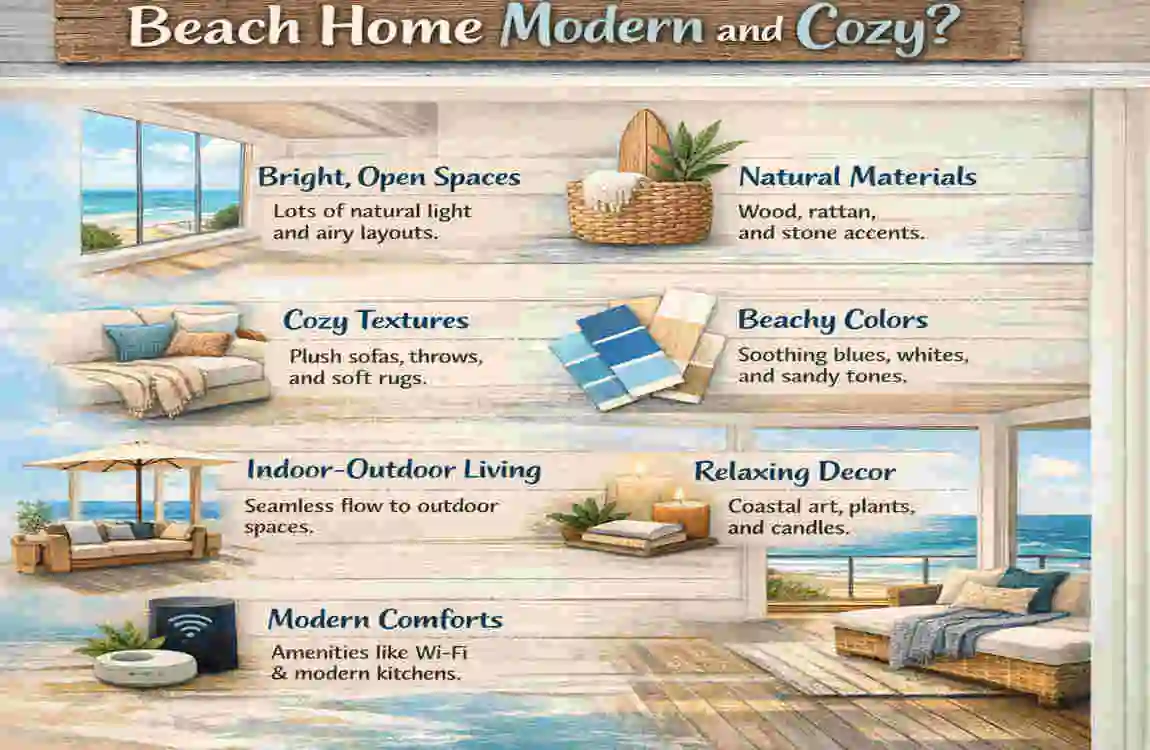
A small modern beach home is all about balance. It should feel open, light, and fresh, but also warm, lived-in, and comfortable. That balance is what makes coastal living so appealing. People want a home that reflects the beauty of the shoreline, while still feeling practical for everyday life.
Today, beach homes are more popular than ever. Many homeowners want a place that feels calm, airy, and connected to nature. A modern beach house does exactly that. It brings in clean lines, simple layouts, and natural light, while also using soft textures and cozy details that make the space feel welcoming.
Key Characteristics of a Small Modern Beach Home
Open Floor Layouts for Air and Light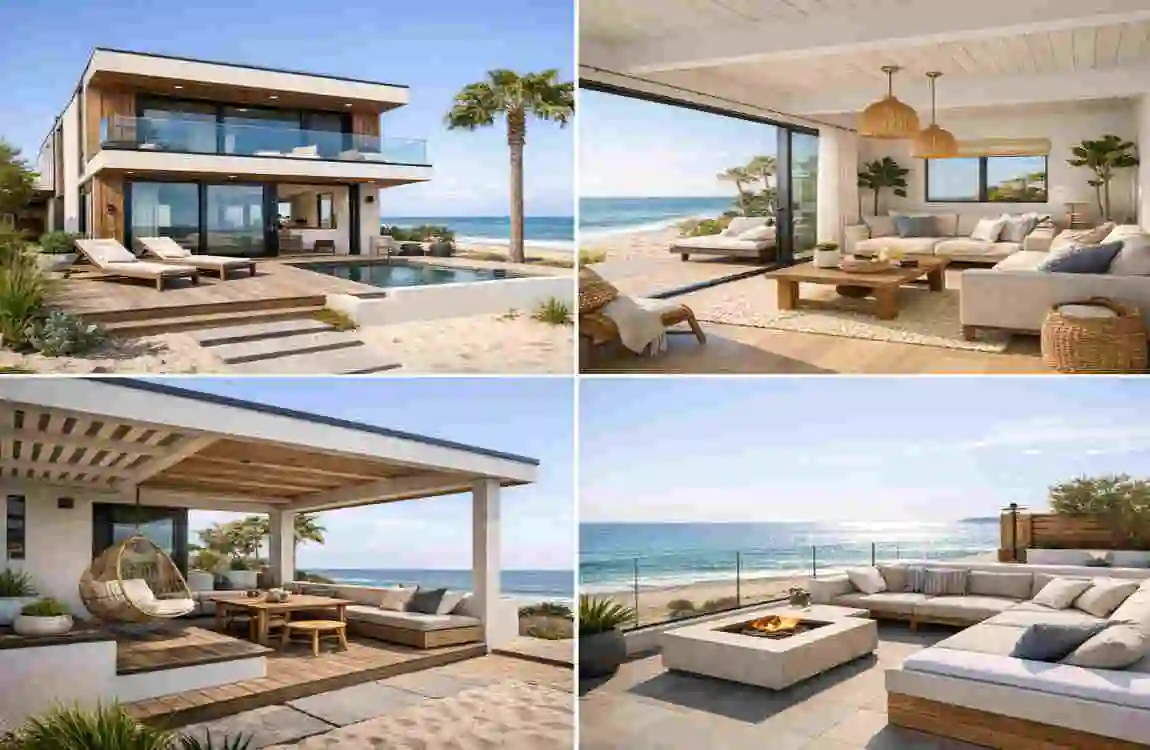
One of the strongest features of a modern beach home is the open floor plan. This design style removes unnecessary walls and allows the rooms to flow into one another. In a small home, that matters even more. It helps the space feel bigger, brighter, and less crowded.
Open layouts also support the beach lifestyle. Coastal homes often deal with beautiful views, breezes, and changing daylight. When the living room, dining area, and kitchen connect smoothly, the whole home feels more relaxed. Air can move through the space more easily, and natural light can spread from one room to the next.
For a small modern beach home, this kind of layout also supports everyday living. You can cook, talk with family, and relax without feeling separated from the rest of the house. That makes the home feel social and easy to use.
Minimalist Architecture with Coastal Influence
Modern beach homes often lean toward simple shapes and clean lines. You may see flat surfaces, uncluttered facades, wide glass panels, and a design that avoids heavy decoration. This minimalist look creates a calm visual feeling, which fits the relaxed mood of coastal living.
But modern does not have to mean cold. The coastal influence brings softness. You might notice a roofline inspired by ocean breezes, wide porches, or natural trim materials that help the home feel warm and connected to the environment.
The goal is not to remove personality. It is to remove visual noise. A small modern beach home feels better when the design is simple and honest. That simplicity creates breathing room.
Natural Textures That Add Warmth
A modern home can sometimes feel too plain if it uses only smooth finishes. That is why natural textures are so important. Materials like wood, stone, linen, cotton, jute, and rattan add warmth and character. They make the home feel soft instead of sterile.
These textures also connect the house to its surroundings. When you use materials that remind you of sand, driftwood, sea grass, or weathered stone, the home feels rooted in the coast. It does not feel forced. It feels natural.
This is one of the reasons a small modern beach home can feel cozy even with a minimal design. The textures bring emotional comfort and visual depth.
Large Windows and Indoor-Outdoor Flow
A beach home should make the most of its setting. Large windows, sliding doors, and glass walls help bring in views, daylight, and fresh air. They also blur the line between inside and outside, which is a defining part of coastal living.
When the home opens to a deck, patio, or balcony, the living space feels larger than it really is. This is especially helpful in a small home. Even if the interior is compact, the outdoor space acts like an extension of the home.
That connection to the outdoors is one of the most important reasons people love a modern beach house. It lets you enjoy the environment instead of hiding from it.
Coastal Color Palettes
The color scheme of a beach home should feel calm and natural. Soft whites, sandy beige, pale gray, seafoam, and ocean blue are popular choices because they reflect the landscape without overpowering it.
These shades do more than look pretty. They help the home feel lighter and more open. Light colors reflect sunlight, which makes a small space seem larger. They also support the modern look by keeping the design fresh and simple.
A small modern beach home often works best when the palette stays quiet. You can always add stronger color in artwork, cushions, or décor, but the base should stay easy on the eyes.
Architecture & Exterior Design Elements
Elevated Structures for Safety and Durability
In many coastal areas, homes need to deal with flooding, storm surge, and shifting weather. That is why elevated foundations are often used. Raising the structure can protect the home from water damage and improve airflow underneath the house.
An elevated design also gives the home a lighter visual feel. It can make the building seem less bulky and more in tune with the landscape. In a small modern beach home, this can be a big advantage because it helps the house feel airy from the outside as well as the inside.
The practical benefit is clear, but the style benefit matters too. A raised home often creates opportunities for storage below, shaded outdoor space, or a more dramatic entry.
Weather-Resistant and Sustainable Materials
Beach environments are beautiful, but they can be hard on buildings. Salt air, strong sun, humidity, and wind can wear down materials quickly. That is why the exterior should use durable, weather-resistant finishes.
Common choices include treated wood, fiber cement siding, metal roofing, marine-grade hardware, and high-performance windows. These materials last longer in harsh coastal conditions and require less maintenance over time.
Sustainability also matters. More homeowners now choose materials that are eco-friendly and built to last. This reduces waste and helps create a home that is both beautiful and responsible.
Flat Roofs vs. Sloped Coastal Roofs
Roof design can shape the whole look of the home. Flat roofs often support a sleek modern style. They create a simple, boxy profile that works well with minimalist design. They can also support rooftop decks or solar panels.
Sloped roofs, on the other hand, often perform better in places with heavy rain or strong wind. They can also give a home a softer, more traditional beach feel.
There is no single right answer. The best choice depends on climate, local rules, and the style you want. A small modern beach home may use a sloped roof with clean lines to get the best of both worlds: modern form and weather protection.
Decks, Balconies, and Outdoor Living Spaces
Outdoor areas are not extra in a beach home. They are part of the lifestyle. A deck, balcony, or wraparound porch creates a place to relax, eat, read, or watch the sunset. In a smaller home, these spaces are especially valuable because they expand the usable living area.
A well-designed deck can feel like an outdoor living room. Add comfortable seating, shade, and weather-friendly materials, and you create a space that works almost year-round. If the home has a view, orient the outdoor area to make the most of it.
Think of these spaces as extensions of the home, not afterthoughts. That mindset will help you create a more complete coastal design.
Blending the Home with Nature
A modern beach house should feel like it belongs where it stands. The exterior should not fight the landscape. Instead, it should complement it. You can do this with colors that echo the sand, rooflines that stay low and calm, and planting that uses native species.
The best beach homes often look simple from a distance, but thoughtful up close. They respect the surroundings. They do not try to overpower them.
That is part of what makes a small modern beach home so appealing. It feels like a natural part of the coast, not a separate object placed on top of it.
Interior Design Principles for Coastal Comfort
Soft, Airy Interiors with Natural Light
The interior of a beach home should feel refreshing. Natural light is one of the easiest ways to create that effect. Use large windows, sheer curtains, glass doors, and reflective surfaces to help daylight move through the rooms.
When light fills a home, the rooms feel larger and calmer. This is especially important in a smaller home, where darkness can make the space feel closed in. Soft lighting also helps in the evening, when you want the home to feel restful rather than harsh.
A small modern beach home should never feel heavy. The interior should feel like a gentle breath.
Furniture That Fits Compact Spaces
Small spaces demand smart furniture choices. Oversized sofas, bulky armchairs, and massive tables can make a room feel crowded. Instead, choose pieces with clean lines, raised legs, and lighter visual weight.
Furniture should support the room without dominating it. A slim sectional, a round dining table, or a compact coffee table can make a big difference. Pieces with open bases help the eye move through the room, which keeps the space feeling open.
You also want furniture that serves a clear purpose. In a small home, every item should earn its place.
Multi-Functional Furniture for Everyday Living
When space is limited, multi-functional furniture becomes incredibly useful. A bench with storage, a sofa bed, an ottoman that opens, or a dining table that expands can help the home do more without needing more square footage.
This approach is not only practical. It also supports a cleaner design. Instead of filling the room with many separate items, you can use fewer pieces that work harder.
That is the heart of a small modern beach home: simple, smart, and flexible living.
Cozy Layering with Rugs, Cushions, and Throws
Modern design sometimes gets a reputation for being cold, but that is easy to fix. Layering is the answer. Soft rugs, textured cushions, and lightweight throws can make a room feel warm and inviting without making it look crowded.
Use natural fabrics whenever possible. Cotton, linen, wool blends, and woven textiles add comfort while keeping the coastal mood relaxed. A rug can define the seating area. Cushions can bring in color and softness. A throw can make a chair or sofa feel ready for rest.
These small details matter more than people often think. They turn a stylish room into a cozy one.
Keeping Clutter Under Control
Clutter can quickly ruin the feeling of a beach home. It makes small rooms feel smaller and breaks the calm mood that coastal design should create. That is why minimal clutter is such an important principle.
This does not mean the home must feel empty. It means everything should have a reason to be there. Keep surfaces clear. Store items out of sight. Choose a few meaningful décor pieces instead of many small objects.
A tidy home feels lighter, easier to clean, and more relaxing. For a small modern beach home, that sense of peace is part of the design
Color Schemes and Materials
Best Coastal Colors for a Calm Mood
The right colors can shape the whole feeling of the home. Coastal homes often rely on white, sandy beige, soft blue, pale gray, and muted green. These shades reflect the natural setting and keep the mood gentle.
White is especially useful because it makes the home feel larger and brighter. Beige and sand tones add warmth. Blues bring in the sea. Together, these colors create a peaceful palette that works beautifully in a small space.
Natural Materials That Bring Balance
Materials matter just as much as color. A mix of wood, rattan, stone, glass, and linen adds depth without making the home feel heavy. Wood warms the room. Glass opens it up. Stone grounds it. Rattan and linen soften it.
These materials work well because they echo nature. They are familiar, comfortable, and timeless. They also help the home feel less artificial and more connected to the outdoors.
Space Optimization in Small Modern Beach Homes
Built-In Storage That Blends In
Storage is one of the biggest challenges in a small home, especially near the beach where you may need room for towels, outdoor gear, shoes, and seasonal items. Built-in storage solves that problem beautifully because it uses space efficiently and looks seamless.
Think about benches with hidden compartments, built-in shelving, under-window drawers, and wall units that fit the room exactly. These solutions help reduce clutter while keeping everyday items close at hand.
The best part is that built-in storage can disappear into the design. It supports the clean look of a modern home without calling attention to itself.
Using Vertical Space Wisely
When floor space is limited, look up. Walls offer a lot of unused storage potential. Tall cabinets, open shelves, hanging racks, and vertical organizers can make the home more functional without taking up much room.
This is especially helpful in kitchens, bathrooms, and entry areas. You can store more while keeping the room open. Vertical design also draws the eye upward, which makes ceilings feel taller.
In a small modern beach home, that visual lift can be very helpful. It creates a sense of scale and air.
Foldable and Convertible Furniture
Furniture that can change shape or fold away is a smart solution in compact homes. A fold-down desk, nesting tables, wall-mounted dining surfaces, and convertible seating can make the same room serve different needs throughout the day.
This kind of flexibility is ideal for beach living, where the pace is often relaxed and spaces need to work for both quiet moments and gatherings. If you host guests often, a convertible sofa or extra pull-out seating can be a real asset.
The goal is not to pack the house with gadgets. It is to make the home more useful without adding bulk.
Smart Kitchen and Bathroom Layouts
Kitchens and bathrooms can easily become cramped in a small home. That is why layout planning matters so much. In the kitchen, compact appliances, streamlined cabinets, and efficient work zones help the room function well without feeling crowded.
In the bathroom, floating vanities, recessed shelving, glass shower panels, and light colors can open the space visually. Every inch matters here, so the design should stay simple and intentional.
When these rooms are planned well, the whole home feels easier to live in.
Hidden Storage Ideas
Hidden storage helps keep the home calm and uncluttered. You can use spaces under stairs, inside benches, behind mirrors, or below beds to store items that are needed but not always used.
This works especially well in a small modern beach home because it allows the visible space to stay clean. The home looks elegant, but it still supports real life.
A few smart hidden storage ideas include:
- Drawers built into stair steps
- Storage ottomans in the living room
- Mirror cabinets in the bathroom
- Pull-out pantry shelving
- Beds with lift-up storage bases
These solutions help the home stay organized without sacrificing style.
Outdoor Living & Coastal Lifestyle Integration
Designing Comfortable Outdoor Lounges
A beach home should encourage you to spend time outside. That is why the outdoor lounge matters so much. Add comfortable seating, weather-friendly cushions, shade, and simple tables to create a place where people want to stay awhile.
The design should feel easy, not formal. Think of it as a relaxed extension of the home. The best outdoor lounges are inviting from morning to evening.
Beach-Facing Seating Arrangements
If your home has a view, make it the star. Arrange seating so people can enjoy the ocean, garden, or horizon. Even a small deck or balcony can become a meaningful place when the chairs are positioned with care.
You do not need many pieces. A couple of comfortable seats, a small table, and a good view can create a powerful sense of calm.
Fire Pits and Relaxation Zones
A fire pit can make the outdoor area usable in cooler weather and add a cozy focal point. It brings warmth, atmosphere, and a sense of gathering. For a small beach home, it can turn a simple patio into a true living space.
You can also create relaxation zones with lounge chairs, hammocks, or low seating. These areas invite slow living, which fits the coastal mood perfectly.
Indoor-Outdoor Dining
One of the best parts of beach living is the chance to eat close to nature. Indoor-outdoor dining supports that experience. A dining area that opens onto a patio or deck feels casual, open, and welcoming.
This setup is great for entertaining, but it also works well for quiet family meals. You get the ease of indoor comfort with the freshness of the outdoors.
Landscaping with Native Plants
The landscaping around a beach home should be simple and low-maintenance. Native plants are a smart choice because they usually need less water and can better handle local conditions. They also help the home blend into the environment.
Grasses, shrubs, and coastal plants can soften the edges of the house and make it feel more natural. The goal is not to create a formal garden. It is to support the home with a setting that feels authentic and easy.
Sustainability & Eco-Friendly Design
Energy Efficiency and Solar Panels
A modern beach home should work with the environment, not against it. Solar panels are one of the most popular ways to reduce energy use. They can help power the home while lowering long-term costs.
Energy-efficient windows, lighting, and appliances also make a big difference. They reduce waste and keep the home comfortable in a more responsible way.
Rainwater Harvesting Systems
In some locations, rainwater harvesting can support landscaping or outdoor cleaning. It is a useful way to reduce water use and build a more self-sufficient home.
This kind of system fits well with coastal living because it encourages awareness of natural resources. It is a practical feature that also supports sustainable habits.
Eco-Friendly Construction Materials
Sustainable construction materials help reduce environmental impact. These may include reclaimed wood, low-VOC paints, recycled finishes, and responsibly sourced products. They can also improve indoor air quality, which matters in any home.
For a small modern beach home, eco-friendly materials often fit the design beautifully. They usually have natural textures and simple finishes that suit coastal style.
Passive Cooling and Ventilation
Good design can reduce the need for mechanical cooling. Cross-ventilation, shaded outdoor areas, ceiling fans, and strategically placed windows can help keep the home comfortable naturally.
This is especially valuable in warm coastal climates. It saves energy and supports the open, airy feeling that beach homes are known for.
Decorating Tips for a Cozy Beach Atmosphere
Balancing Nautical and Modern Minimalist Styles
It can be tempting to fill a beach home with anchors, ropes, shells, and strong nautical themes. But too much of that can make the home feel themed rather than timeless. A better approach is to keep the nautical influence subtle.
Use small references instead of obvious symbols. Think striped pillows, woven baskets, driftwood-inspired tones, or artwork with ocean hues. Pair those with modern lines and simple shapes so the room stays fresh.
That balance helps the home feel current and comfortable.
Lighting That Feels Warm and Soft
Lighting has a huge impact on coziness. Warm light usually works better than cool light in a beach home, especially in the evening. It makes the room feel restful and inviting.
Use layered lighting when possible. Mix overhead lights with table lamps, wall lights, and soft accent lighting. This gives you flexibility and helps the space feel more lived-in.
Coastal Artwork and Textures
Artwork can bring the room together. Choose pieces that reflect the coast in a subtle way. Abstract seascapes, beach photography, textured wall art, and handmade ceramics all work well.
Textures matter too. A woven wall hanging, a jute rug, or a handcrafted bowl can add character without adding clutter. These details make the home feel personal and warm.
Plants and Greenery
Plants bring life into a room. They also soften hard edges and add a fresh feeling that suits coastal design. Choose plants that work well in your climate and space.
A few well-placed plants can do more than a room full of small decorative objects. They make the home feel cared for and alive.
Personal Touches Without the Mess
A cozy beach home should reflect the people who live in it. Family photos, travel keepsakes, handmade pieces, and favorite books can all make the home feel personal. The key is to display them in a simple, thoughtful way.
You do not need many items. A few meaningful objects are enough. When you choose carefully, the home feels personal without losing its calm, modern mood.
Common Mistakes to Avoid
A small modern beach home works best when the design stays simple and pr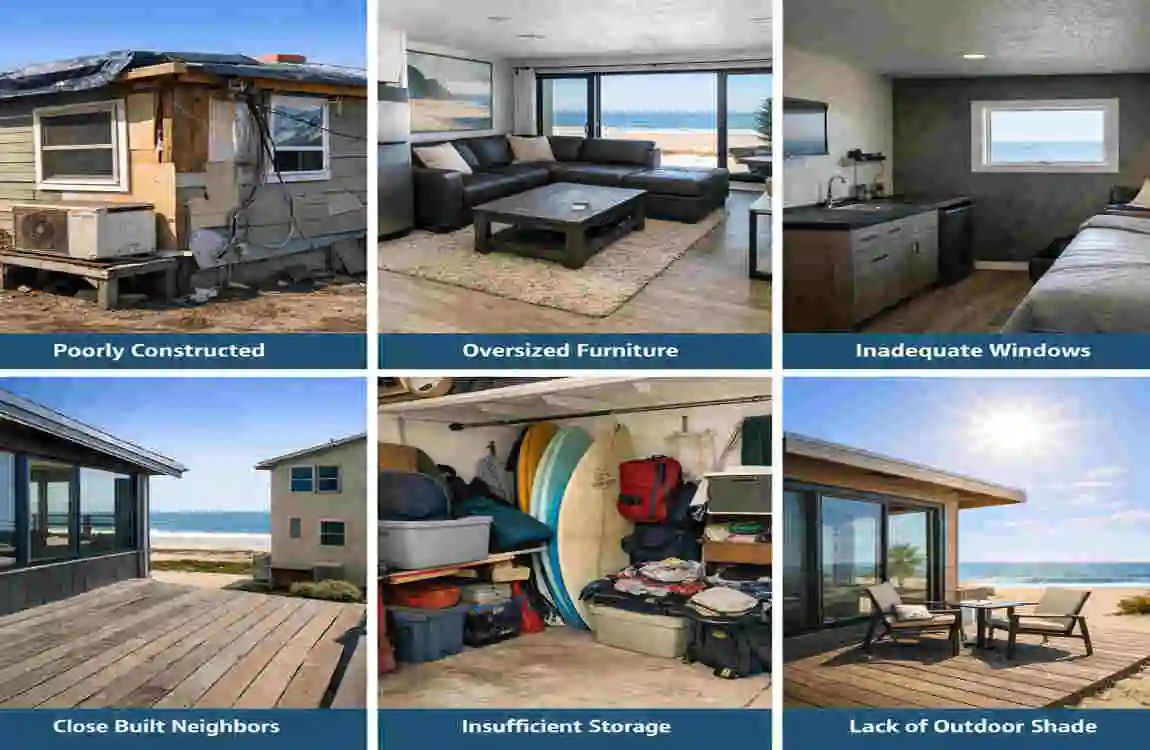 actical. Here are some mistakes to avoid:
- Overdecorating the space and making it feel crowded
- Ignoring weather resistance, especially for coastal materials
- Forgetting ventilation, which can make the home feel stuffy
- Using heavy or dark furniture, which can shrink the room visually
- Leaving storage out of the plan, which creates clutter later
These mistakes are easy to make, especially when you are trying to make the home feel stylish. But the best coastal homes stay balanced. They leave room to breathe.
FAQ – Small Modern Beach Home
What defines a small modern beach home?
A small modern beach home is a compact coastal house designed with open layouts, natural materials, and simple décor to maximize comfort and views.
What colors are best for beach home interiors?
Neutral tones like white, beige, sandy brown, and soft ocean blues work best because they create a calm and airy atmosphere.
How can I make a small beach home feel bigger?
Use open floor plans, mirrors, light colors, large windows, and multi-functional furniture to create a stronger sense of space.
What materials are commonly used in beach homes?
Common materials include wood, stone, glass, rattan, and weather-resistant finishes that hold up well in coastal conditions.
Are modern beach homes eco-friendly?
Yes. Many include solar panels, energy-efficient systems, sustainable materials, and passive cooling designs to reduce environmental impact.
What is the most important feature of a cozy beach home?
The most important feature is a balance of comfort, natural light, and indoor-outdoor connection. That combination creates the relaxed beach feeling people love.
| Element | What It Means | Why It Matters |
|---|---|---|
| Natural Light | Large windows, glass doors, open layouts | Brings in sunlight and ocean views, creates airy feel |
| Neutral Color Palette | Whites, beige, sand, soft blues | Reflects coastal vibe and keeps space calm |
| Open Floor Plan | Minimal walls between kitchen, dining, living areas | Enhances flow and makes space feel larger |
| Natural Materials | Wood, rattan, linen, stone | Adds warmth and connects home to nature |
| Indoor-Outdoor Living | Decks, patios, sliding doors | Blends interior comfort with outdoor beach lifestyle |
| Cozy Textiles | Cushions, throws, soft rugs | Adds comfort and relaxed atmosphere |
| Minimal Decor | Simple, uncluttered styling | Keeps space modern and visually clean |
| Coastal Accents | Seashells, driftwood, ocean art | Brings subtle beach character without overload |
| Ventilation & Breeze Flow | Cross-ventilation, ceiling fans | Keeps home cool and fresh in coastal climate |
| Smart Home Features | Lighting control, smart thermostats | Adds convenience and modern living comfort |
