

Roman home architecture, rooted in the ingenuity and practicality of ancient Rome, continues to shape the way we design and experience domestic spaces today. The Romans pioneered the use of durable materials like concrete, innovative structural techniques such as arches and domes, and thoughtful spatial planning that prioritized both function and aesthetics. Their homes—known as domus—incorporated features like internal courtyards, flexible living areas, and a seamless blend of private and public spaces, influencing modern concepts of comfort, privacy, and communal living. As contemporary architecture increasingly values sustainability, durability, and smart urban design, the relevance of Roman home architecture persists, offering timeless lessons in creating resilient, beautiful, and livable environments for future generations.
Influence on Modern Architecture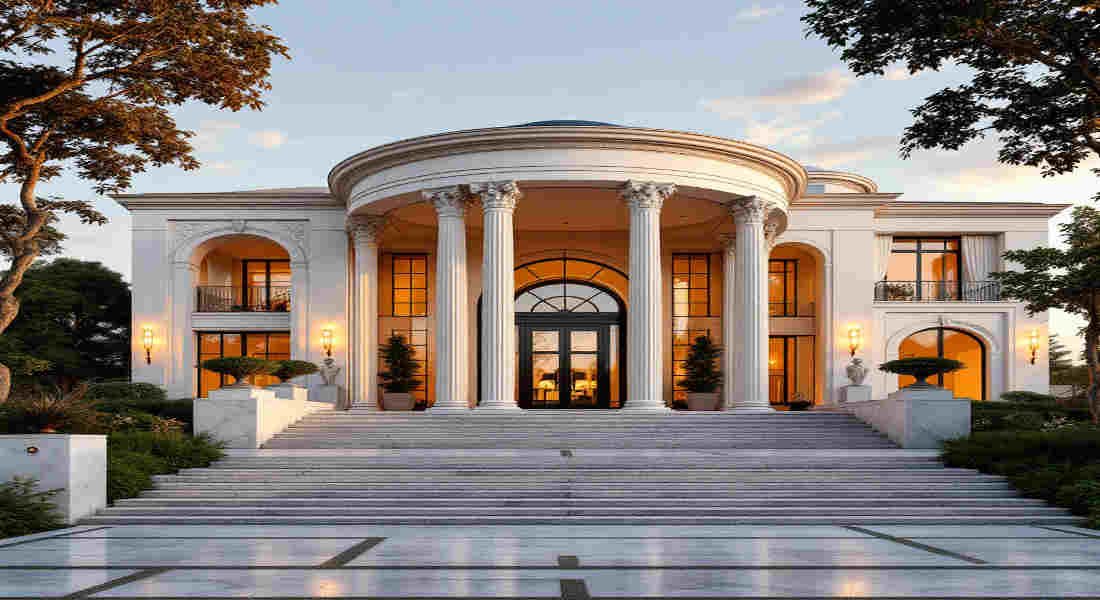
Modern design has been influenced by Roman architecture. Its principles of symmetry, proportion, and the use of arches have inspired countless contemporary architects.
Think about public buildings today. There are many with grand columns reminiscent of Roman temples.These elements not only evoke a sense of stability but also convey power and permanence.
Materials play a crucial role too. Modern concrete structures often echo the durability seen in ancient Roman constructions like aqueducts and amphitheaters. This choice ensures that buildings can withstand time while maintaining their beauty.
Even urban planning owes a nod to Rome’s meticulous grid layouts. Cities are designed with functionality in mind, making spaces both practical and appealing.
Roman architecture serves as a timeless reference point, blending past influences seamlessly into today’s architectural landscape.
Key Features of Roman Home Architecture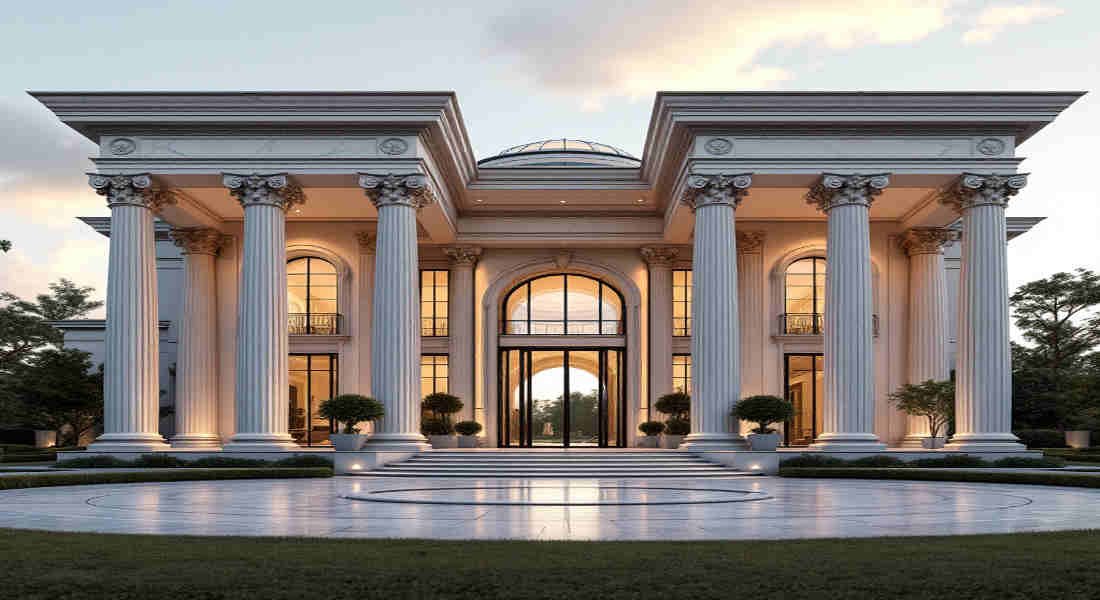
There is a blend of practicality and elegance in Roman home architecture. The atrium served as a central gathering space. The roof often had an opening to let light and air in.
These structures not only provided support but also added aesthetic appeal with intricate designs, such as Corinthian or Ionic styles.
The Romans also excelled at incorporating natural materials like stone and marble. This emphasis on durability ensured that many homes stood the test of time.
Roman homes frequently included gardens or courtyards, creating serene outdoor spaces within urban environments. This harmony between indoor and outdoor areas reflects a lifestyle deeply connected to nature.
You may also read (what defines romanesque house architecture features).
Adaptations and Revivals in Contemporary Homes
Contemporary homes often take cues from Roman architecture, breathing new life into ancient designs. The use of arches and vaults can be seen in many modern structures, creating both aesthetic beauty and structural integrity.
Natural light is a hallmark of Roman design. Today’s architects are incorporating large windows and open spaces to mimic the brightness found in traditional Roman villas.
Materials matter too. For their durability and timeless appeal, stone, brick, and concrete are the materials of choice for many builders.
Courtyards also make a comeback. These outdoor spaces not only enhance aesthetics but promote community interaction within neighborhoods.
The integration of indoor-outdoor living reflects the Roman emphasis on connecting with nature while enjoying luxurious comfort at home. Each adaptation demonstrates how these age-old principles remain relevant in our fast-paced world.
The Impact of Roman Home Architecture on Interior Design
Roman home architecture has left a lasting mark on interior design. Its emphasis on spaciousness and functionality resonates with today’s open-concept living spaces. High ceilings, large windows, and the use of natural light are all legacies of Roman principles.
The Romans mastered the art of combining beauty with utility. Arches and columns not only supported structures but also added elegance to interiors. This balance is evident in modern homes that seek both style and comfort.
Color palettes inspired by Roman frescoes often find their way into contemporary designs. Earthy tones paired with vibrant accents evoke a sense of history while remaining trendy.
Furthermore, decorative elements like mosaics and stucco can be seen in various forms today. These touches bring character to spaces, echoing an era where artistry was paramount in everyday life. The influence remains strong as designers explore new ways to incorporate these timeless features into modern aesthetics.
You may also read (what is a master plan in house architecture).
Sustainability and Longevity of Roman Building Techniques
Roman home architecture is not just a relic of the past; it offers valuable insights into sustainable building practices that are relevant today. The Romans were masters of utilizing local materials, which minimized transportation costs and environmental impact. Their use of durable substances like stone and brick ensured structures could withstand the test of time.
These innovations allowed for better water distribution and ventilation in homes, promoting healthy living environments without reliance on modern technology.
Today’s architects often look to these ancient strategies when designing eco-friendly homes. By adopting principles from Roman architecture, we can create buildings that are not only aesthetically pleasing but also energy-efficient and long-lasting.
The longevity of Roman structures serves as a testament to their expertise in construction methods that prioritize sustainability. As we face increasing challenges related to climate change and urbanization, revisiting these age-old techniques may provide pathways toward more resilient communities.
What remains clear is that while styles evolve, the foundations laid by Roman home architecture continue to influence modern design philosophies focused on durability and ecological mindfulness. Understanding how is Roman architecture used today opens up exciting possibilities for both preservation efforts and innovative design solutions moving forward.
You may also read (why is art and architecture essential for home civilization).
