
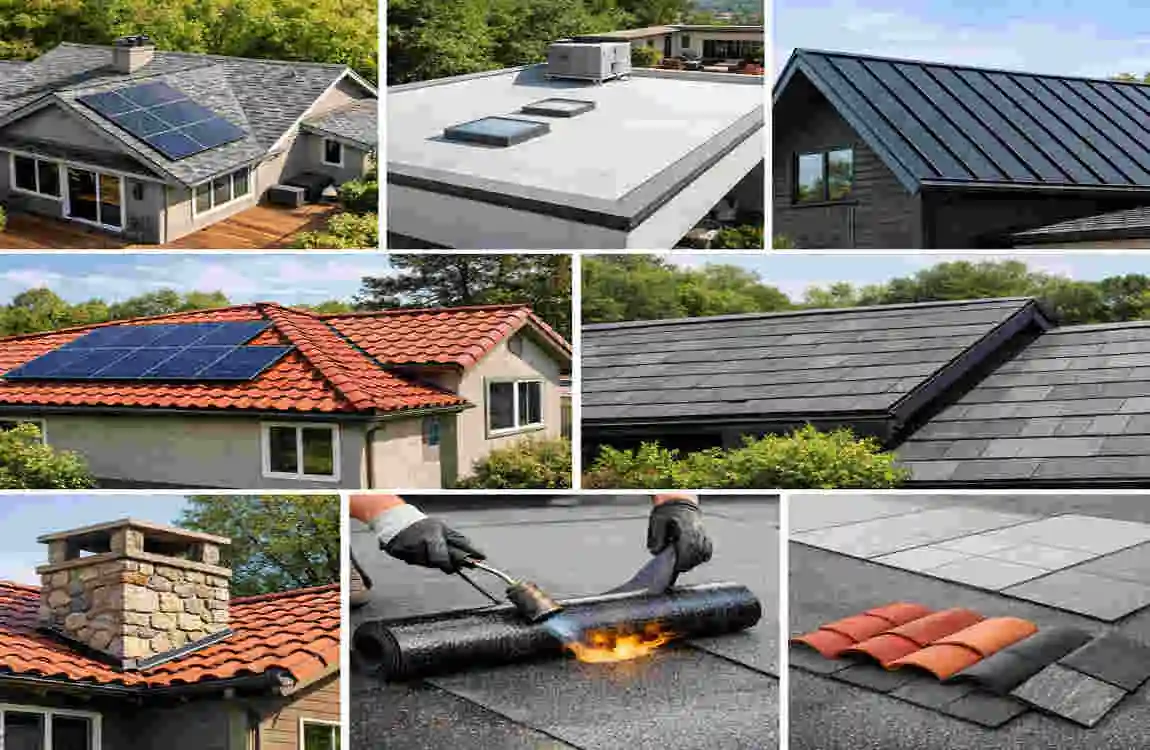
Modern roofing is no longer just about keeping rain out. Today, homeowners want roofs that do more. They want better energy efficiency, stronger weather protection, lower maintenance, and a clean modern look.
That is why the question of what the different types of modern roofing are matters so much. The right roof can improve comfort, reduce energy bills, and make a home look more attractive from the street.
What Are the Different Types of Modern Roofing?
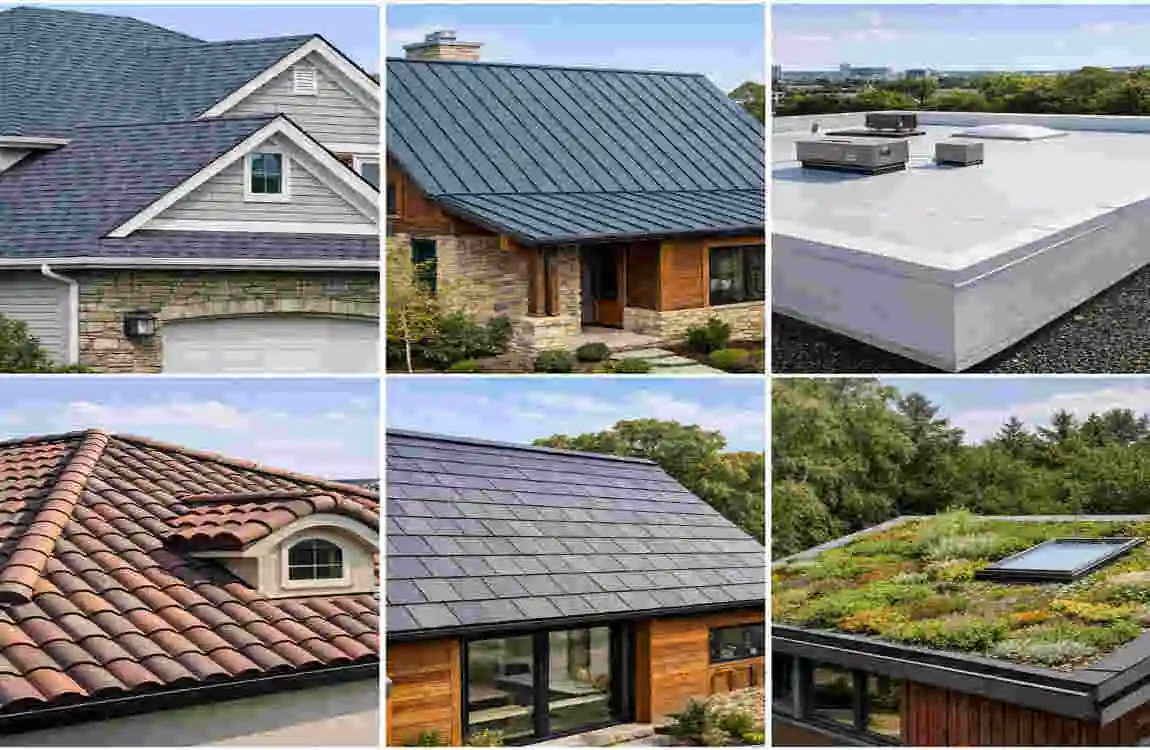
Modern roofing includes a wide range of materials and designs. Each one has its own look, cost, and level of performance.
Metal Roofing
Metal roofing is one of the most popular modern choices. It is known for being strong, long-lasting, and low maintenance.
Common metal materials include:
- Steel
- Aluminum
- Copper
- Zinc
Metal roofs work well in many climates. They reflect heat, which can help keep homes cooler in warm weather. They also resist fire and can last for decades with proper care.
Asphalt Shingle Roofing
Asphalt shingles are still one of the most common roofing choices in homes. They are popular because they are affordable, easy to install, and available in many colours.
There are three main types:
- Three-tab shingles
- Architectural shingles
- Luxury shingles
This roofing type gives homeowners a practical balance of cost and performance. It works well for many traditional and modern homes.
Flat Roofing Systems
Flat roofing is often used in modern architecture because it creates a clean, simple look. It also gives you extra usable space on top of the home.
Common flat roof materials include:
- EPDM rubber roofing
- TPO roofing
- PVC roofing
- Modified bitumen
Flat roofs are often used on modern homes, office buildings, and rooftop garden spaces. They look sleek and are easier to access for maintenance.
Solar Roofing
Solar roofing combines protection and energy production. It is a smart option for homeowners who want to lower electricity costs while using renewable energy.
Solar roofing may include:
- Solar panels
- Solar shingles
This type of roof can raise home value and reduce long-term energy expenses. It is especially useful if you want your home to support a more eco-friendly lifestyle.
Green Roofing
Green roofing, also called a living roof, uses plants and other vegetation on the roof. It is one of the most environmentally friendly roofing options.
Green roofs help:
- Improve insulation
- Reduce heat absorption
- Manage rainwater runoff
- Support sustainability
These roofs are often seen on eco-friendly homes and urban buildings. They require planning, but they offer strong environmental benefits.
Popular Modern Roofing Styles for Homes
Roof style matters just as much as roofing material. The shape of the roof affects drainage, appearance, and overall performance.
Gable Roof Design
The gable roof is the classic triangular roof shape. It is simple, familiar, and very effective at shedding rain and snow.
Its main benefits are:
- Good water drainage
- Better ventilation
- A balanced look that works with many home styles
Hip Roof Design
A hip roof slopes down on all sides. This makes it strong and stable, especially in windy areas.
Its advantages include:
- Better wind resistance
- A neat, balanced appearance
- Strong structural support
Shed Roof Design
A shed roof has one single slope. It is often used in modern and contemporary homes because it looks clean and simple.
This style is also a great choice for solar panels because of its open, slanted surface.
Butterfly Roof Design
A butterfly roof has a V-shape, with two slopes that angle downward toward the centre. It is one of the most striking modern roof styles.
Benefits include:
- Unique modern appearance
- Rainwater collection potential
- Energy-efficient design
Mansard Roof Design
A mansard roof has four sides, and its lower slopes are steeper than the upper ones. It gives homes an elegant, upscale look.
This roof style is often used in luxury homes because it can also create extra attic space.
Modern Roofing Materials Comparison Table
Roofing MaterialLifespanMain BenefitsBest For
Metal Roofing 40–70 years Durable, energy-efficient Modern homes
Asphalt Shingles 20–30 years Affordable, versatile Residential homes
Clay Tiles 50+ years Beautiful, weather-resistant Mediterranean homes
Slate Roofing 75–100 years Premium durability Luxury properties
Solar Roofing 25–30 years Energy savings Eco-friendly homes
Green Roofing 40+ years Sustainable insulation Modern designs
Benefits of Choosing Modern Roofing
Improved Energy Efficiency
Many modern roofing materials are designed to reflect heat and improve insulation. That means your home can stay cooler in summer and warmer in winter.
This can lower energy bills and improve comfort inside the home.
Increased Home Value
A roof does more than protect your house. It also affects curb appeal. A clean, stylish, well-built roof can make your home more attractive to buyers.
That is why the different types of modern roofing are such an important question for homeowners who care about resale value.
Better Weather Protection
Modern roofing materials are built to handle tough conditions. Depending on the type, they can protect against:
- Heavy rain
- Strong winds
- Snow
- Extreme heat
That means better peace of mind for you and your family.
Lower Maintenance Requirements
Some modern roofs need less care than older roofing systems. Durable materials can reduce the need for constant repairs, which saves time and money over the years.
How to Choose the Right Modern Roofing for Your Home
Consider Your Climate
Your local weather should guide your decision. In hot areas, reflective materials like metal roofing can help reduce heat. In cold areas, strong insulated roofing systems may work better.
Match Your Home Design
Your roof should fit the style of your home.
- Modern homes: Metal, flat, or solar roofing
- Traditional homes: Asphalt shingles or clay tiles
A good match creates a more natural and attractive look.
Evaluate Your Budget
Roofing costs include more than the material itself. You also need to think about installation, repairs, and maintenance over time.
A cheaper roof may save money today, but a more durable roof may cost less in the long run.
Think About Roof Lifespan
A roof with a longer lifespan can reduce replacement costs. If you plan to stay in your home for many years, durability becomes even more important.
Modern Roofing Installation Tips
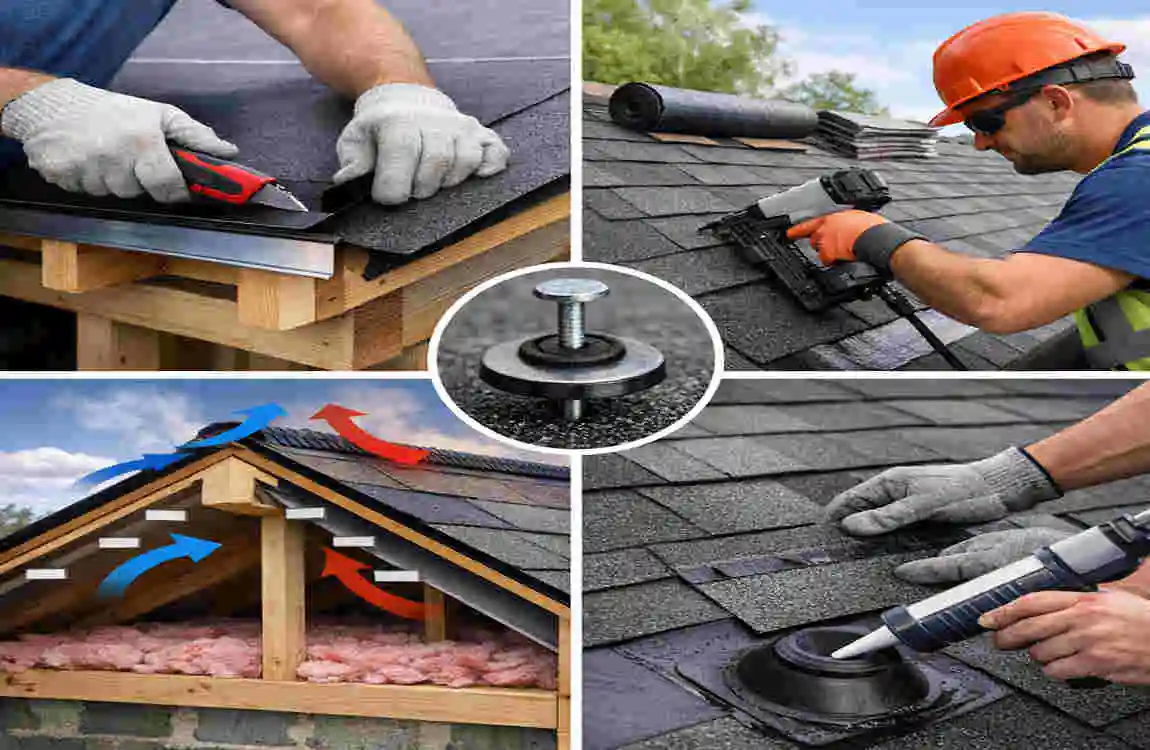
Hire Experienced Roofing Professionals
Good installation matters as much as good material. An experienced roofer can prevent leaks, poor alignment, and future damage.
Use Quality Roofing Materials
Cheap materials may look fine at first, but they can wear out early. That usually leads to more repairs and more expense later.
Schedule Regular Inspections
A roof should be checked often for:
- Missing shingles
- Water damage
- Cracks
- Drainage problems
Small issues are easier to fix before they become big ones.
Modern Roofing Trends
Sustainable Roofing Solutions
More homeowners are choosing roofing options that support the environment. Solar roofs, green roofs, and recyclable materials are becoming more popular.
Smart Roofing Technology
Some roofing systems now include energy-monitoring tools and improved insulation materials. These upgrades help homeowners better manage comfort and energy use.
Mixed Roofing Designs
Many modern homes now combine different materials for a more custom look. For example, a home might use metal and flat roofing together for both style and function.
Frequently Asked Questions
What are the different types of modern roofing?
The main types include metal roofing, asphalt shingles, flat roofing, solar roofing, green roofing, clay tiles, and slate roofing.
What is the most durable modern roofing material?
Metal, slate, and clay tile roofs are among the most durable options.
Which modern roof is best for energy efficiency?
Solar roofing, metal roofing, and green roofing are excellent choices for energy savings.
Are modern roofing systems expensive?
Some are affordable, like asphalt shingles, while others like solar and slate roofing cost more.
How long does modern roofing last?
It depends on the material. Asphalt shingles may last 20–30 years, while metal, slate, and tile can last much longer.
| Roofing Type | Common Materials | Style/Appearance | Key Benefits |
|---|---|---|---|
| Metal Roofing | Steel, aluminum, copper | Sleek, modern, industrial look | Long-lasting, energy-efficient, fire-resistant, low maintenance |
| Standing Seam Roof | Metal panels with hidden fasteners | Clean lines and contemporary design | Excellent weather protection, durable, ideal for modern homes |
| Flat Roofing | EPDM, TPO, PVC membranes | Minimalist and modern appearance | Great for rooftop spaces, solar panels, and modern architecture |
| Green Roofing | Plants, soil layers, waterproof membranes | Natural living roof design | Improves insulation, reduces heat, supports eco-friendly living |
| Solar Roofing | Solar shingles, integrated panels | Modern high-tech appearance | Generates renewable energy and can lower electricity costs |
| Asphalt Shingles | Fiberglass asphalt shingles | Traditional to modern styles | Affordable, easy installation, available in many colors |
