
Choosing a roof is one of the biggest decisions you make for your home. A roof does more than sit on top of the house. It protects your family, keeps out bad weather, helps save energy, and affects how your home looks from the street.
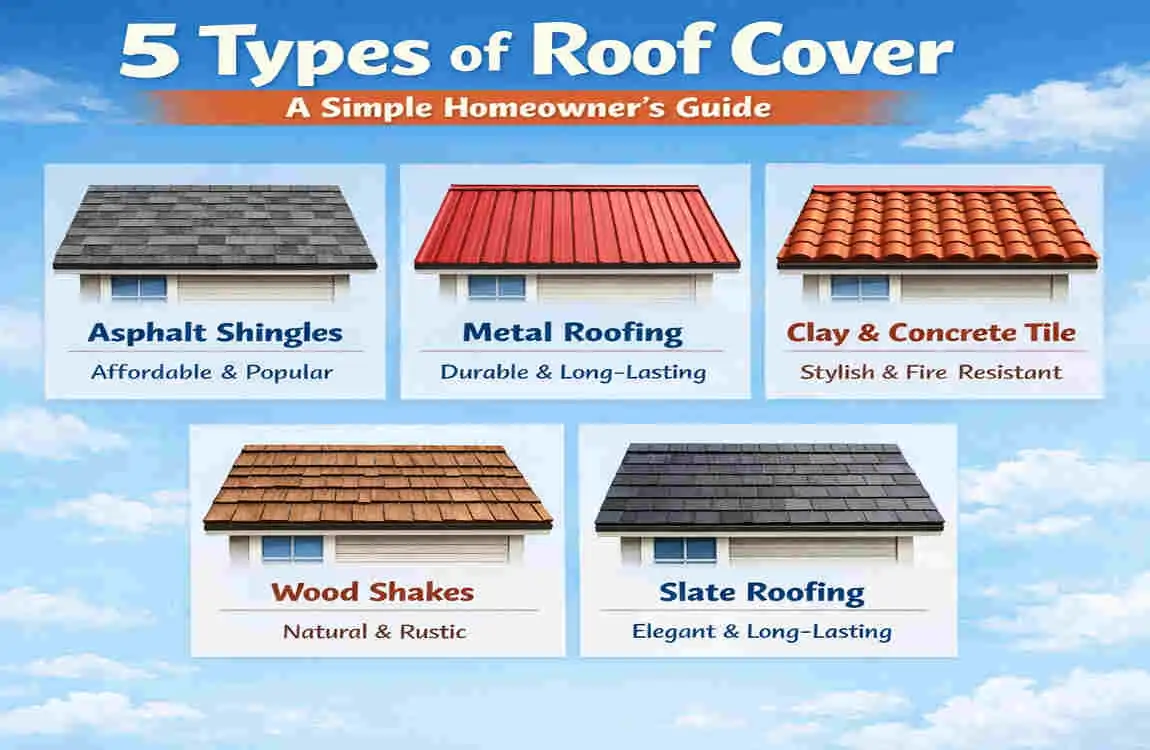
That is why many homeowners ask, What are the 5 types of roof cover? The answer usually includes asphalt shingles, metal roofing, clay or concrete tiles, slate roofing, and wood shingles or shakes. Each one has its own look, price, lifespan, and maintenance needs.
What Is a Roof Cover?
Definition of Roof Cover
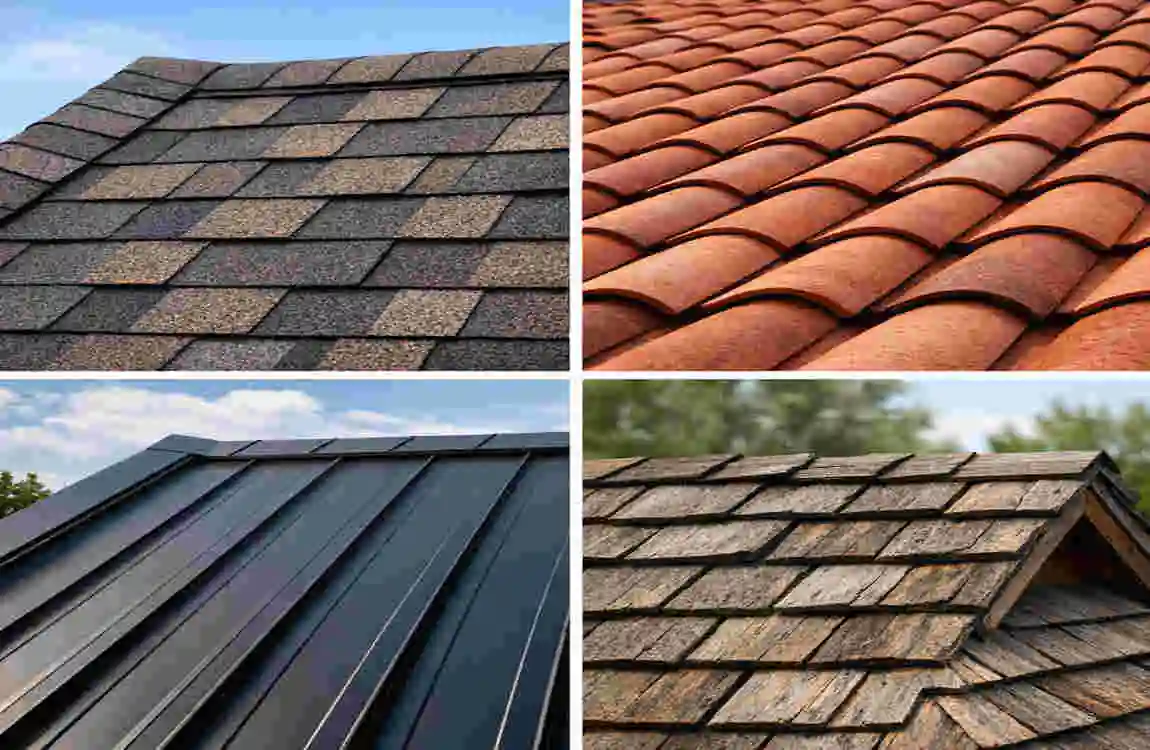
A roof cover is the outer layer of your roof that protects your home from rain, wind, sun, snow, and other weather. It is the visible surface you see from outside.
It is different from the roof structure underneath. The structure holds everything up, while the roof cover acts like the protective shield.
Why Roof Covering Is Important
Your roof covering does several important jobs at once. It protects the home from weather damage, helps with insulation, and gives the house a finished look.
It also affects property value. A well-chosen roof can make a home look newer, cleaner, and more appealing. A poor roof cover, on the other hand, can lead to leaks, higher repair bills, and energy waste.
What Are the 5 Types of Roof Cover?
Asphalt Shingles
Asphalt shingles are the most common roof covering in many neighborhoods. They are made from a fiberglass base, asphalt coating, and mineral surface.
They are popular because they are affordable, easy to install, and available in many colors and styles. If you want a simple and dependable option, this is often the first place to start.
Advantages
- Low upfront cost
- Easy installation
- Wide range of styles
- Works on many home types
Disadvantages
- Shorter lifespan than premium materials
- Can be damaged by strong winds
- May not last as long in extreme heat
Average Lifespan
Most asphalt shingles last about 20 to 30 years, depending on quality and climate.
Best Climate
They work best in moderate climates where weather is not too extreme.
Metal Roofing
Metal roofing is growing in popularity because it lasts a long time and handles harsh weather well. It can be made from steel, aluminum, or copper.
Metal roofs come in panels or shaped pieces that interlock tightly. They give homes a clean, modern look and often perform very well in areas with heavy rain, strong wind, or snow.
Types of Metal Roofing
- Steel: Strong and widely used
- Aluminum: Lightweight and rust-resistant
- Copper: Long-lasting and attractive, but expensive
Pros
- Very durable
- Low maintenance
- Energy efficient
- Long lifespan
- Good for harsh weather
Cons
- Higher starting cost
- Can be noisy in rain if not insulated well
- May dent from heavy impact
Longevity
Many metal roofs last 40 to 70 years, and some last even longer.
Clay and Concrete Tiles
Clay and concrete tiles are known for their strong, elegant look. They are often used on homes with Mediterranean, Spanish, or warm-climate styles.
Clay tiles are made from natural clay and baked in a kiln. Concrete tiles are made from a mix of cement, sand, and water. Both are strong and attractive.
Appearance
These tiles create a rich, timeless look that adds character to a home. They are often chosen for homes that want a classic or high-end appearance.
Weather Resistance
They handle sun and heat very well. They also resist fire and can withstand harsh weather when installed properly.
Lifespan
A tile roof can last 50 to 100 years or more.
Maintenance
They require minimal maintenance overall, but broken tiles should be replaced promptly to prevent leaks.
Cost Considerations
The initial cost is usually higher than that of asphalt shingles. However, the long life can make them a smart long-term choice.
Slate Roofing
Slate is a natural stone roofing material. It is one of the most durable and premium roof covers available.
Slate roofs are often seen on luxury homes, historic buildings, and properties that need a very long-lasting material. They have a beautiful, elegant look that stands out.
Natural Stone Roofing
Since slate is made from stone, it gives a unique, high-end appearance. No two pieces look the same.
Durability
Slate is extremely strong and can last 75 to 150 years with proper care.
Weight Requirements
One important thing to know is that slate is heavy. Not every home structure can support it without reinforcement.
Installation Complexity
Slate installation is highly skilled work. It usually costs more because the materials are heavy and harder to install.
Wood Shingles and Wood Shakes
Wood roofing gives a warm, natural, rustic look. It is often made from cedar and is popular for cottages, cabins, and traditional-style homes.
Wood shingles are cut smooth and uniform. Wood shakes are more textured and rugged, giving a more natural feel.
Rustic Appearance
If you want a roof that blends beautifully with nature, wood is a strong choice.
Maintenance Needs
Wood roofs need more upkeep than many other roof types. They can be affected by moisture, moss, and insects if not properly cared for.
Fire Resistance Options
Some wood roofing materials are treated for better fire resistance, but homeowners should always check local rules before choosing them.
Lifespan
Wood shingles and shakes usually last about 20 to 40 years, depending on care and climate.
Comparison of the 5 Roof Cover Types
Roof CoverAverage LifespanMaintenanceCostBest For
Asphalt Shingles 20–30 years Low Low Most homes
Metal Roofing 40–70 years Low Medium–High Harsh climates
Clay/Concrete Tiles 50–100 years Low High Hot climates
Slate Roofing 75–150 years Low Premium Luxury homes
Wood Shingles/Shakes 20–40 years Medium Medium Rustic homes
Factors to Consider Before Choosing a Roof Cover
Local Climate
Your climate matters a lot. A roof that works well in a hot, dry place may not be the best choice for a snowy or stormy region.
If your area gets strong sun, heavy rain, wind, or snow, choose a material built for that weather.
Budget
Always consider both the upfront and long-term costs. A cheaper roof may need replacement sooner, while a more expensive roof might save money over time.
Roof Slope
Some roofing materials work better on steep roofs, while others fit low-slope designs. This is an important detail many homeowners overlook.
Home Style
The roof should match the house. A modern home may look better with metal, while a traditional or rustic home may suit wood or slate better.
Maintenance Requirements
Think about how much time and money you want to spend on upkeep. Some roofs need more attention than others.
Energy Efficiency
A roof can affect heating and cooling costs. Metal and some tile roofs reflect heat well, which can help in warm climates.
Local Building Codes
Always check the rules in your area. Some materials may require special approval or be prohibited in certain locations.
Which Roof Cover Lasts the Longest?
Comparing Lifespan
If you want the longest-lasting option, slate roofing usually wins. It can last more than 100 years when installed correctly and maintained well.
Clay and concrete tiles also last a very long time. Metal roofing comes next and offers an excellent lifespan while weighing less than slate or tile.
Maintenance Matters Too
A long-lasting roof still needs care. Even strong materials can fail early if they are ignored.
Cleaning gutters, checking flashing, and quickly fixing minor damage can add years to any roof’s life.
Long-Term Value
The longest-lasting roof is not always the cheapest upfront, but it may offer the best value over time if you plan to stay in your home for many years.
Which Roof Cover Is the Most Affordable?
Initial Installation Cost
If your budget is tight, asphalt shingles are usually the most affordable choice. They cost less to buy and install than other roof types.
Repair Costs
Asphalt shingles are also easier and cheaper to repair. If one section gets damaged, replacement is often simple.
Lifetime Value
Affordable does not always mean low quality. Asphalt shingles are a practical choice for many homeowners, especially if they do not plan to keep the home for decades.
Best Roof Covers for Different Weather Conditions
Hot Climates
Clay and concrete tiles are excellent for hot weather. They help reduce heat absorption and work well under strong sun.
Metal roofing also performs very well because it reflects heat and can improve energy efficiency.
Cold and Snowy Areas
Metal and slate roofs are often well-suited to snowy regions because snow slides off more easily, and both materials handle cold well.
Heavy Rain Regions
Metal roofing works very well in wet climates because it sheds water fast. Proper installation is the key to preventing leaks.
Wind-Prone Areas
Metal roofing and high-quality asphalt shingles can handle wind well when installed correctly. Strong fastening matters a lot here.
Coastal Homes
Coastal areas bring salt, wind, and moisture. Aluminum and some coated metal roofs often work well because they resist rust better.
Common Roof Cover Problems
Cracked Shingles
Asphalt shingles can crack with age, heat, or storm damage. Once they crack, they may let in water.
Rust
Metal roofs can develop rust if the protective coating wears away, especially in humid or salty areas.
Moss Growth
Wood and shaded roofs can grow moss. This can hold moisture and slowly damage the roof surface.
Broken Tiles
Clay and concrete tiles can crack if hit by falling branches or walked on carelessly.
Leaks
Leaks can happen in any roof if flashing fails, materials age, or installation is poor.
Weather Damage
Strong wind, hail, snow, and heat can damage almost any roof over time.
Roof Cover Maintenance Tips
Here are simple ways to help your roof last longer:
- Inspect the roof once a year
- Clean gutters regularly
- Replace damaged materials quickly
- Remove leaves and debris
- Trim tree branches near the roof
- Schedule professional inspections when needed
These habits do not take much time, but they can prevent bigger problems later.
Signs It’s Time to Replace Your Roof Cover
Water Leaks
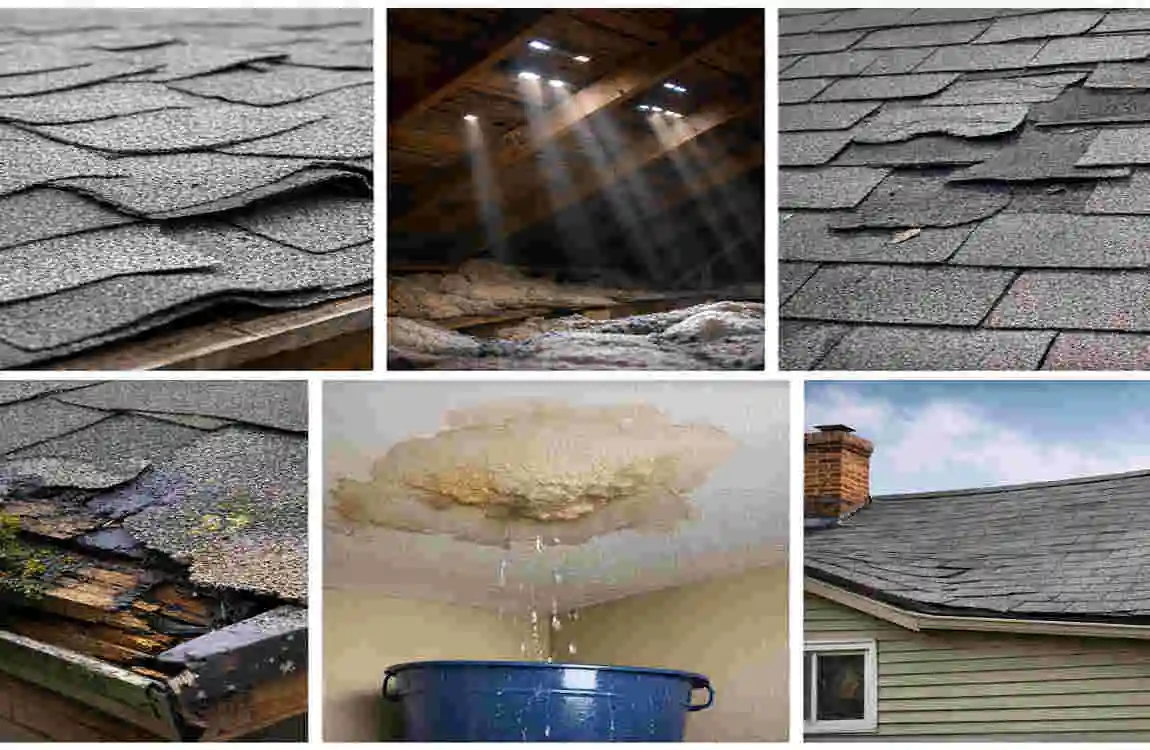
If water is coming inside, the roof may be failing. Even a small leak should be checked quickly.
Curling Shingles
Shingles that curl, crack, or lose granules are often near the end of their life.
Missing Materials
Missing shingles, tiles, or shakes mean the roof is no longer fully protected.
Sagging Roof
A sagging roof can point to structural problems or serious water damage.
Mold or Mildew
Moisture problems inside the attic or on the ceiling can mean the roof is letting water in.
Roof Age
Sometimes age alone is reason enough to o, even if the damage is not yet obvious.
Professional Installation vs. DIY
Benefits of Hiring Professionals
A roofing professional can install the material correctly, spot hidden issues, and follow safety rules. This often leads to better results and fewer mistakes.
Risks of DIY Roofing
Roofing is dangerous and technical. A small mistake can lead to leaks, poor ventilation, or injury.
Cost Comparison
DIY may seem cheaper at first, but mistakes can cost more later. Professional work often gives better long-term value.
Frequently Asked Questions
What are the 5 types of roof cover?
The five common roof covers are asphalt shingles, metal roofing, clay or concrete tiles, slate roofing, and wood shingles or shakes.
Which roof cover lasts the longest?
Slate roofing usually lasts the longest and can exceed 100 years.
What is the cheapest roof covering?
Asphalt shingles are generally the most affordable option.
Which roof cover is best for hot climates?
Clay and concrete tiles are excellent for hot climates because they handle heat well.
Is metal roofing better than shingles?
Metal roofing usually lasts longer and is more energy efficient, but shingles are cheaper upfront.
How often should a roof cover be replaced?
It depends on the material. Asphalt shingles often last 20–30 years, while slate and tile roofs can last much longer.
How can I make my roof cover last longer?
Regular inspections, gutter cleaning, prompt repairs, and debris removal can help extend roof life.
| Roof Cover Type | Material | Average Lifespan | Best For | Key Benefits |
|---|---|---|---|---|
| Asphalt Shingles | Fiberglass and asphalt | 20–30 years | Most residential homes | Affordable, easy to install, widely available |
| Metal Roofing | Steel, aluminum, copper, or zinc | 40–70 years | Modern and energy-efficient homes | Durable, fire-resistant, low maintenance |
| Clay or Concrete Tiles | Clay or concrete | 50–100 years | Mediterranean and Spanish-style homes | Long-lasting, weather-resistant, attractive appearance |
| Slate Roofing | Natural stone | 75–150+ years | Luxury and historic homes | Extremely durable, elegant, highly fire-resistant |
| Wood Shakes & Shingles | Cedar, redwood, or pine | 25–40 years | Rustic and traditional homes | Natural beauty, good insulation, eco-friendly when sourced responsibly |
