
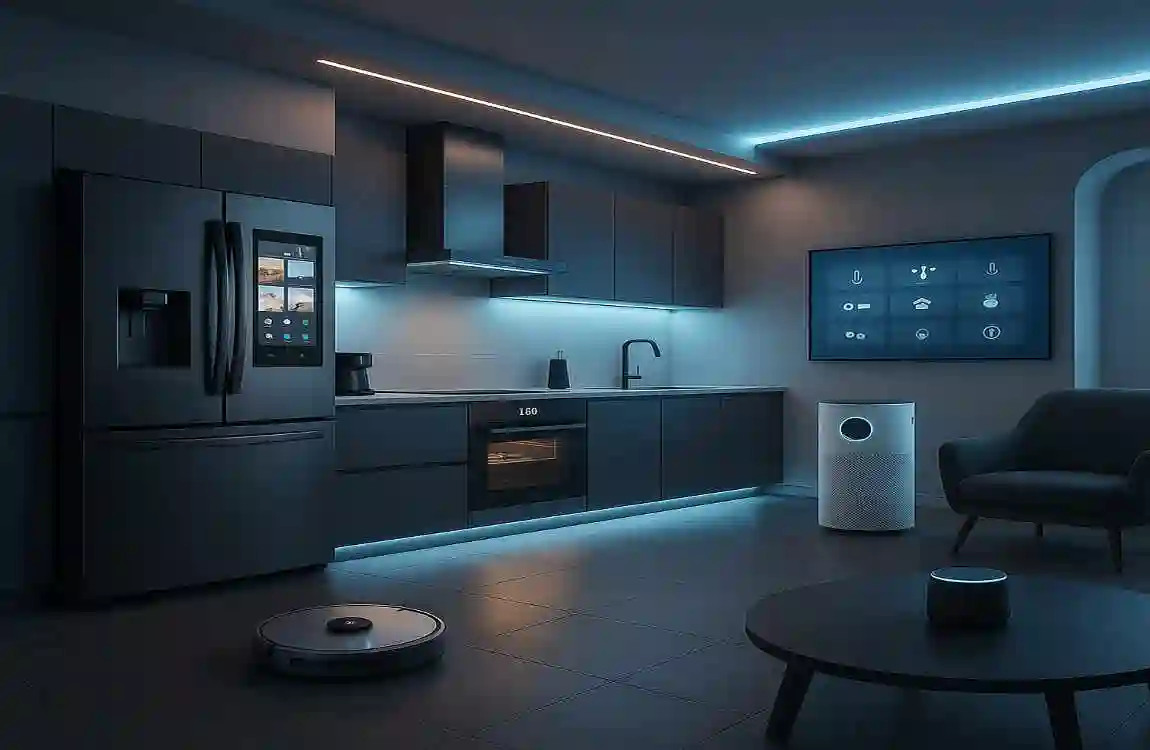
Picture this: You wake up on a crisp Saturday morning in 2026. As your eyes flutter open, the gentle glow of AI-curated lighting mimics a sunrise, perfectly timed to your sleep cycle. Your bedroom temperature is just right, thanks to a smart thermostat that learned your preferences from last winter. In the kitchen, your refrigerator has already scanned your health data and suggests a breakfast smoothie packed with nutrients you need today. The coffee machine starts brewing your favourite blend, and the oven preheats itself for a fresh batch of croissants—all before you even step out of bed.
This isn’t a scene from a sci-fi movie. It’s the new reality, powered by state-of-the-art smart home and appliances. Over the past decade, we’ve moved from simple smart plugs and voice assistants to a world where AI, IoT (Internet of Things), and automation work together seamlessly. The latest advances, such as the Matter protocol and edge AI, have enabled devices from different brands to communicate and automate your routines with unprecedented intelligence and privacy.
The Evolution of Smart Homes
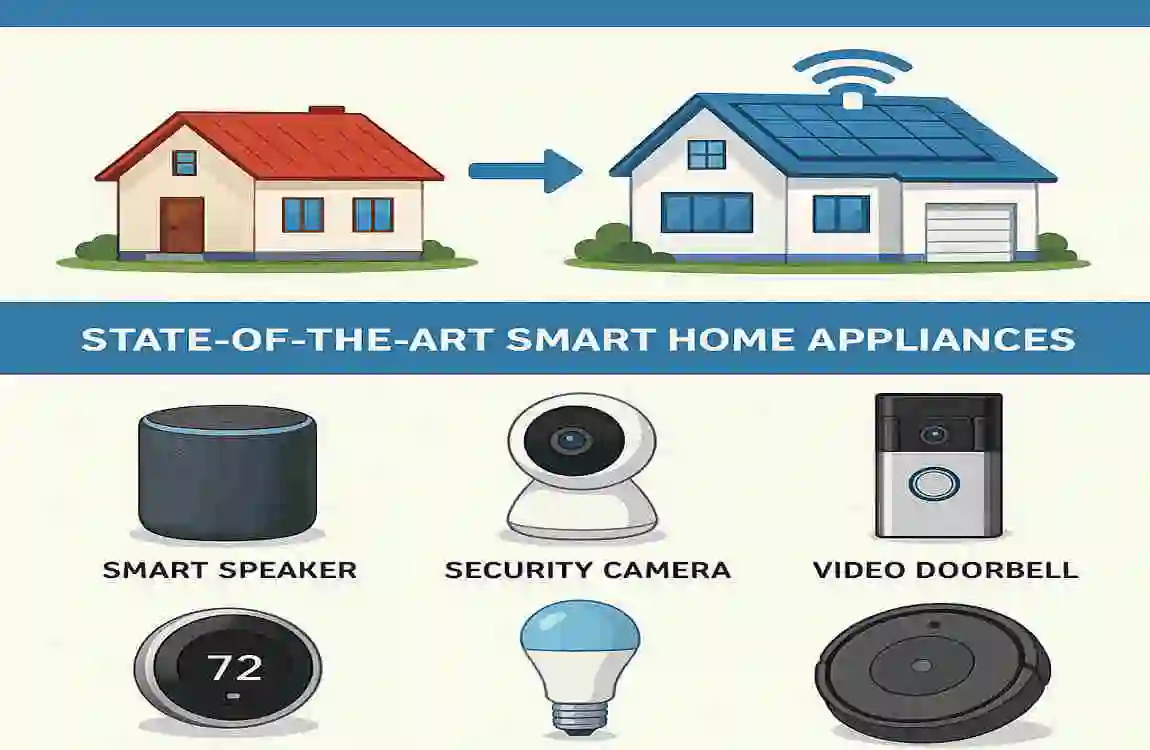
Early Milestones: From Voice Assistants to Connected Living
The journey to today’s state-of-the-art smart home and appliances began in the early 2010s. Back then, the idea of controlling your lights or thermostat with your voice felt revolutionary. Devices like Amazon Alexa and Google Home brought voice control into millions of homes, making it easy to play music, set reminders, or adjust the temperature with a simple command.
But these early systems had limitations. Devices from different brands often couldn’t “talk” to each other. Setting up a smart home meant juggling multiple apps and hubs, leading to frustration for many users. Breakthroughs: Matter Protocol and Edge AI
Fast forward to 2026, and the landscape has transformed. The Matter protocol—an industry-wide standard—now allows devices from Apple, Google, Samsung, and dozens of other brands to work together effortlessly. No more compatibility headaches; your smart fridge, oven, and lights can all sync up, regardless of manufacturer.
- Faster response times (no more waiting for the cloud)
- Enhanced privacy (your data stays in your home)
- Greater reliability (works even if your internet goes down)
Key State-of-the-Art Appliances
Let’s explore the futuristic home appliances that are redefining daily living. These devices don’t just add convenience—they transform how you cook, clean, and care for your family.
AI-Powered Refrigerators
Samsung Bespoke AI Family Hub
Imagine a fridge that does more than just keep food cold. The Samsung Bespoke AI Family Hub is a marvel of modern engineering:
- Voice-activated doors: No more juggling groceries—just say “open sesame.”
- Gemini AI for inventory tracking: Cameras and sensors monitor what’s inside, alerting you when you’re low on milk or eggs.
- Personalised dashboards: See recipes, family calendars, and even leave digital notes.
- Xenon sterilisation: Kills bacteria and viruses, keeping food fresher and safer.
GE Profile Smart 4-Door
- Barcode scanner: Instantly logs groceries as you put them away.
- 8-inch touchscreen: Suggests recipes based on what’s in the fridge.
Intelligent Cooking Devices
- 12MP camera: Identifies ingredients and suggests recipes.
- Multi-zone cooking: Steam, grill, or bake different dishes at once.
Smart Ovens and Hidden Induction Cooktops
- Wi-Fi preheating: Start your oven from your phone or with a voice command.
- Food monitoring: Sensors track cooking progress and send alerts to your device.
Laundry and Cleaning Innovators
- Robo-folders: Automatically fold and sort your clothes.
- Self-sterilising washers: Use UV light and steam to kill germs and allergens, keeping your family healthier.
Vacuum-Mops with LiDAR and AI
Cleaning robots have evolved:
- LiDAR mapping: Creates detailed maps of your home for efficient cleaning.
- AI obstacle avoidance: Detects and navigates around toys, pets, and furniture.
Comparison Table: State-of-the-Art Smart Home Appliances
ApplianceKey FeaturesBenefits
Samsung Fridge AI vision, voice control, Waste reduction, personalisation
GE Fridge Touchscreen, scanner, Meal planning, hygiene
AIChef Ultra Ingredient AI, multi-cook, Precision cooking
Smart Ovens Voice preheat, alerts, Convenience, energy savings
Benefits and Real-World Impact
Efficiency Gains: Save Time and Money
One of the biggest perks of state-of-the-art smart homes and appliances is efficiency. Imagine your appliances working together to:
- Automate routines: Your coffee brews as your alarm goes off, and your oven preheats when you leave work.
- Optimise energy use: Devices sync to run during off-peak hours, saving you 20-40% on utility bills.
- Reduce waste: Smart fridges and pantries track expiration dates and suggest recipes to use up ingredients.
Health and security: Peace of Mind Built In
Modern smart appliances go beyond convenience—they actively protect your health and home:
- AI nutrition coaching: Fridges and ovens suggest meals tailored to your dietary needs.
- Hygiene features: UV sterilisation in washers and fridges kills germs and allergens.
Everyday Benefits List
- Hands-free control for busy mornings
- Personalised routines for each family member
- Remote access to monitor and adjust settings from anywhere
Setup and Integration Guide
Ready to bring state-of-the-art smart home and appliances into your life? Here’s a simple, step-by-step guide:
Choose a Hub
Start with a Matter-compatible hub. This ensures all your devices—regardless of brand—can communicate and work together seamlessly.
Secure Your Network
- Use a strong Wi-Fi password and enable WPA3 encryption.
- Turn on two-factor authentication (2FA) for your smart home apps.
Pair Devices with Apps
- Most appliances now use QR codes for easy setup. Scan the code with your phone to connect your fridge, oven, or washer.
- Download the manufacturer’s app for advanced features and updates.
Troubleshooting Tips
- If a device isn’t responding, try resetting it through the app.
- Update firmware every few months to ensure security and access to new features.
Future Trends: What’s Next for Smart Homes
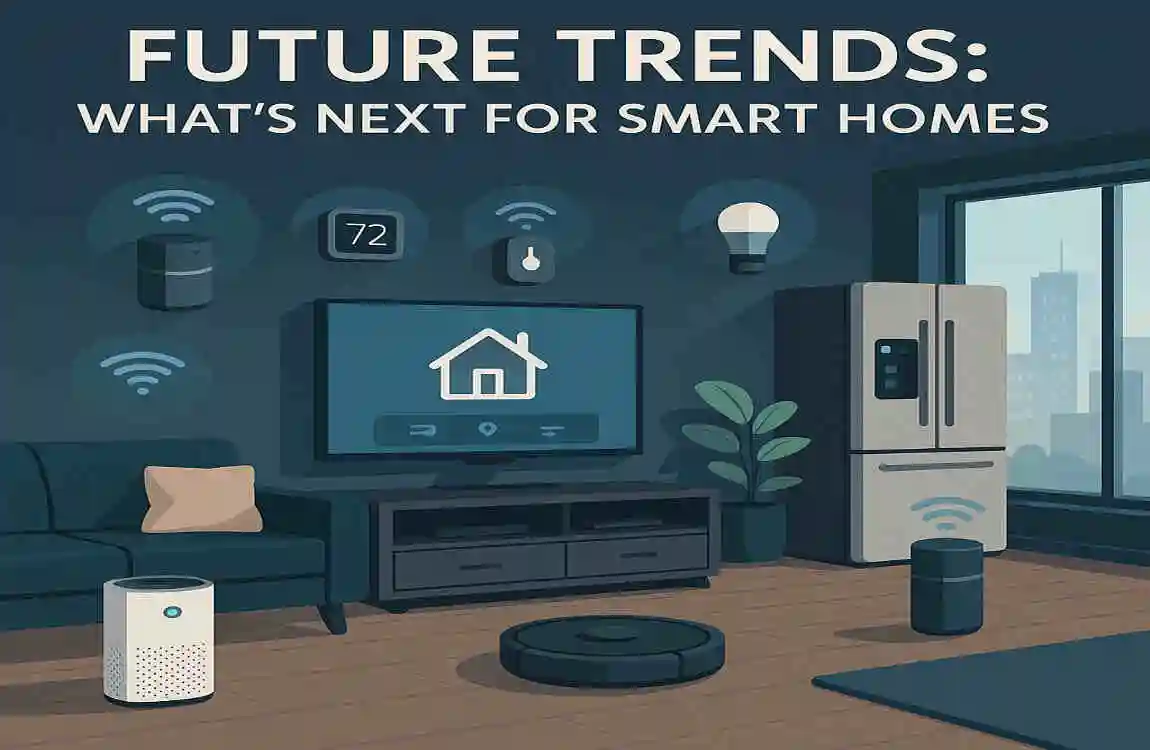
The pace of innovation isn’t slowing down. Here’s what you can expect in the next year or two:
Haptic Feedback Mirrors
Imagine mirrors that provide haptic feedback—a gentle vibration or touch response—when you interact with virtual controls or get health updates.
Self-Healing Materials
Countertops and appliance surfaces that repair scratches or dents automatically, keeping your kitchen looking brand new.
AR Recipe Overlays
Augmented reality (AR) will let you see step-by-step cooking instructions projected onto your countertop or oven door.
