
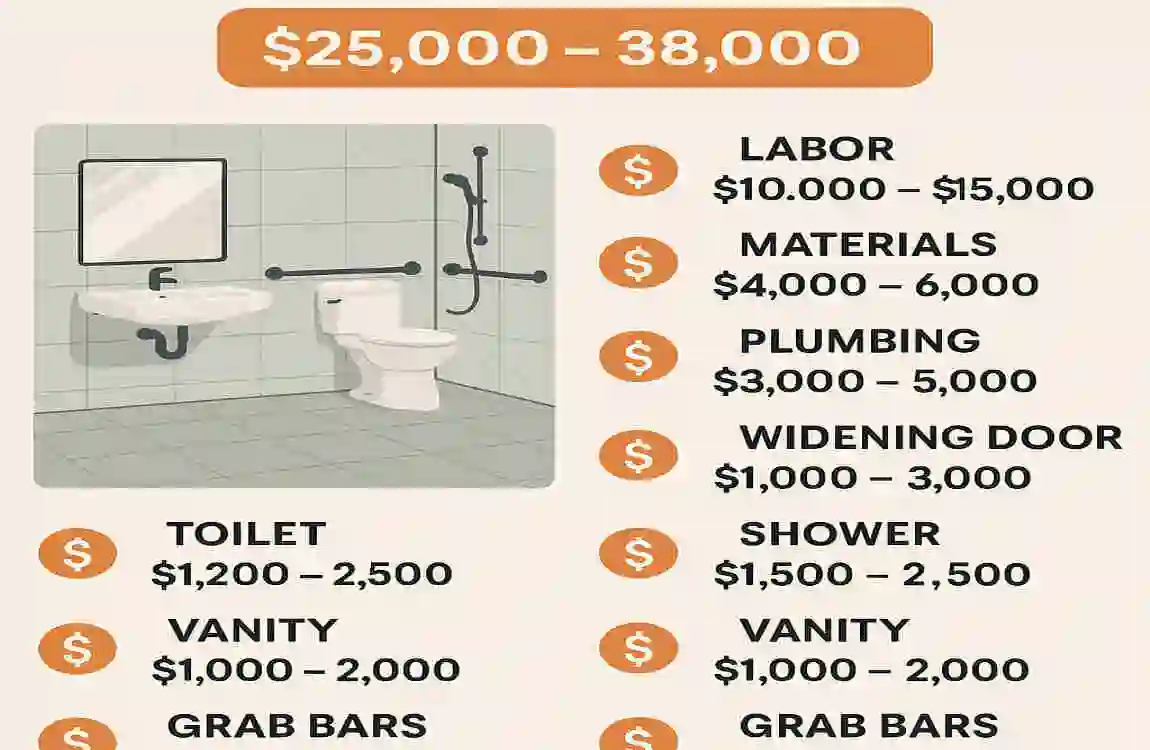
Are you wondering how much it costs to build an ADA bathroom in your house? You’re not alone. Many homeowners discover that an ADA-compliant bathroom can make daily life safer, easier, and more comfortable for individuals with disabilities, aging parents, or anyone planning to age in place. On average, a complete residential ADA bathroom remodel costs $8,400 to $20,000, with some projects reaching $5,000 on the low end and $48,000+ for high-end, custom builds.
What Is an ADA-Compliant Bathroom?
Understanding ADA Standards
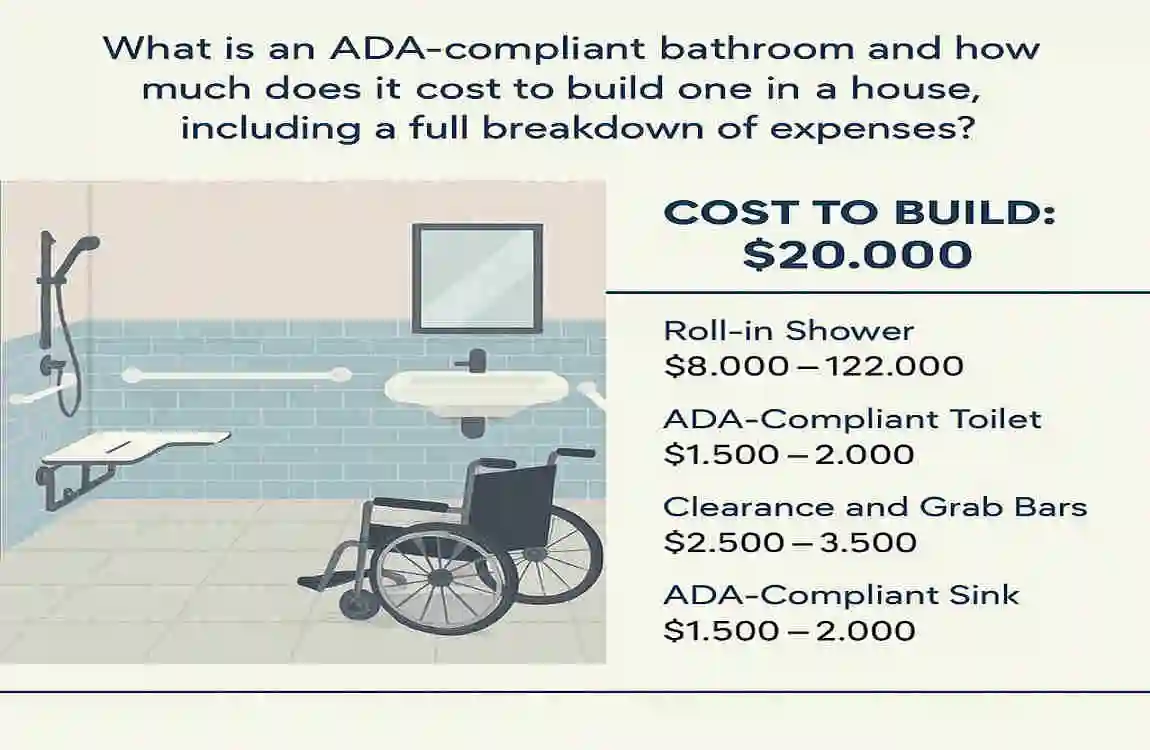
The Americans with Disabilities Act (ADA) sets guidelines for accessibility in public spaces, but these principles are just as beneficial at home. For a bathroom to be ADA-compliant, it must meet specific standards, including:
- 60-inch turning radius: Enough space for a wheelchair to turn freely.
- Doorways at least 32 inches wide: For easy entry without obstacles.
- Grab bars: Properly placed near toilets and showers for support.
- Comfort-height toilets: Sitting 17-19 inches above the floor for easier transfers.
- Curbless showers: No step or threshold, making it easy to roll or walk in.
- Roll-under sinks: Designed for wheelchair access.
Residential vs. Commercial: What’s Different?
While commercial ADA bathrooms have strict requirements and inspections, residential ADA bathrooms focus on the specific needs of their occupants. You may not need every commercial feature, but core elements like grab bars, wider doors, and non-slip flooring significantly improve safety and comfort at home.
Must-Have Features for Home ADA Bathrooms
- Grab bars beside toilets and in showers
- Lever-style faucets (easy to use)
- Roll-in or walk-in showers
- Handheld showerheads
- Non-slip flooring
- Accessible storage within easy reach
Benefits of an ADA Bathroom
An ADA bathroom isn’t just about compliance—it’s about empowering independence for everyone in your family. Here’s why homeowners choose these upgrades:
- Enhanced safety: Reduces slips, falls, and injuries.
- Greater independence: Allows users to bathe and use the bathroom with minimal help.
- Aging in place: Makes your home future-proof for changing mobility.
- Increased home value: Attracts buyers seeking accessible homes.
Average Cost to Build an ADA Bathroom
When budgeting for an ADA bathroom remodel cost, it’s essential to understand the full range:
- National average: $10,000–$25,000 for a complete remodel.
- Low-end: Around $5,000 for minor updates, like adding grab bars and swapping out a toilet.
- High-end: $48,000+ for projects involving significant structural changes, custom cabinetry, and luxury features.
Bathroom Size Cost Range Notes
Small (50 sq ft) $5,000–$12,000 Basic fixtures and grab bars
Medium (75 sq ft) $12,000–$20,000 Includes shower and vanity upgrades
Large (100+ sq ft) $20,000–$48,000 Custom roll-in tub, complete remodel
Prices depend on your location, existing layout, and the level of customization. For example, the ADA bathroom remodel cost in California or New York can be 20–50% higher than in the Midwest or South.
Full Cost Breakdown by Component
Let’s answer the big question: How much does it cost to build an ADA bathroom? Here’s a detailed breakdown, showing where your budget goes—and where you might save.
Demolition and Prep ($1,000–$3,500)
Before installing new features, the old bathroom must be cleared out. Demolition costs cover:
- Removing old fixtures (toilets, sinks, tubs)
- Leveling floors and walls for accessibility
- Disposal of debris
Plumbing Modifications
Plumbing changes are often required for ADA compliance, especially if you’re adding a roll-in shower or moving fixtures for better access.
- Pipe rerouting: Moving drains or supply lines for new shower or sink locations.
- Shower and faucet upgrades: Installing lever handles and accessible fixtures.
Electrical Updates ($500–$2,000)
ADA bathrooms must have accessible switches and outlets.
- Lowering switches to 36–48 inches from the floor
- GFCI outlets for safety near water
- Upgrading lighting for better visibility
ADA Fixtures Pricing
Here’s a side-by-side look at the most common ADA-compliant bathroom fixtures and their price ranges:
FixtureCost RangeDetails
Toilet (ADA height) $250–$800 17–19″ seat, elongated bowl
Walk-in Shower $3,000–$8,000 Curbless entry, built-in bench
Vanity/Sink $1,000–$3,500 Roll-under, lever faucets
Grab Bars $150–$500 each, 1.25–1.5″ diameter, installed
Non-Slip Flooring $800–$2,000 Textured tiles, waterproof
The installation expense of grab bars can add up if you need multiple supports in the room.
Labor and Permits ($5,000–$15,000)
Skilled labor is crucial for ADA compliance and safety. Here’s what to expect:
- Plumber: $45–$200 per hour
- General Contractor: 10–20% of total project cost
- Permits: $500–$2,000 depending on your city
Additional Features to Consider
- Handheld showerhead: $100–$350
- Shower seat: $200–$600 (built-in models cost more)
- Lighting upgrades: $400–$1,200
- Automatic door openers: $1,500–$3,500 (for severe mobility needs)
- Accessible storage: $300–$900
Factors Affecting ADA Bathroom Costs
No two ADA bathrooms are exactly alike. Your project’s final price depends on several factors:
1. Location
Where you live has a significant impact. Expect to pay 20–50% more in high-cost markets like California, New York, or major cities. Labor and material costs are usually lower in the Midwest, South, or rural areas.
Existing Layout
If your current bathroom already has a good layout, costs may be lower. However, moving plumbing, removing walls, or expanding the room can add $2,000–$10,000 or more.
Material Choices
- Budget options (vinyl grab bars, porcelain sinks) keep costs down.
- Luxury finishes (quartz countertops, custom tile work) can double prices.
Scope of Work
Are you doing a basic ADA bathroom remodel or a complete gut renovation? Adding a walk-in tub, custom cabinetry, or smart home features will increase your investment.
Customization Level
- Standard kits are cheaper and faster to install.
- Custom solutions (like unique vanity heights or specialty lighting) cost more but may be necessary for specific needs.
Key Variables Impacting ADA Bathroom Remodel Price
- Room size and square footage
- Type and number of fixtures (grab bars, seat, tub)
- Structural changes required
- Quality of materials
- Local labor rates
DIY vs. Professional Build: Cost Comparison
Should you tackle some of the work yourself? Here’s a quick look at pros, cons, and potential savings for each approach:
DIY Pros and Cons
- Pros: Save on labor, flexible timeline, personal satisfaction.
- Cons: Risk of not meeting ADA standards, possible insurance or resale issues, and no warranty.
Professional Remodel Pros and Cons
- Pros: Get it right the first time, covers all ADA requirements, includes a warranty, and provides peace of mind.
- Cons: Higher upfront cost, longer scheduling time.
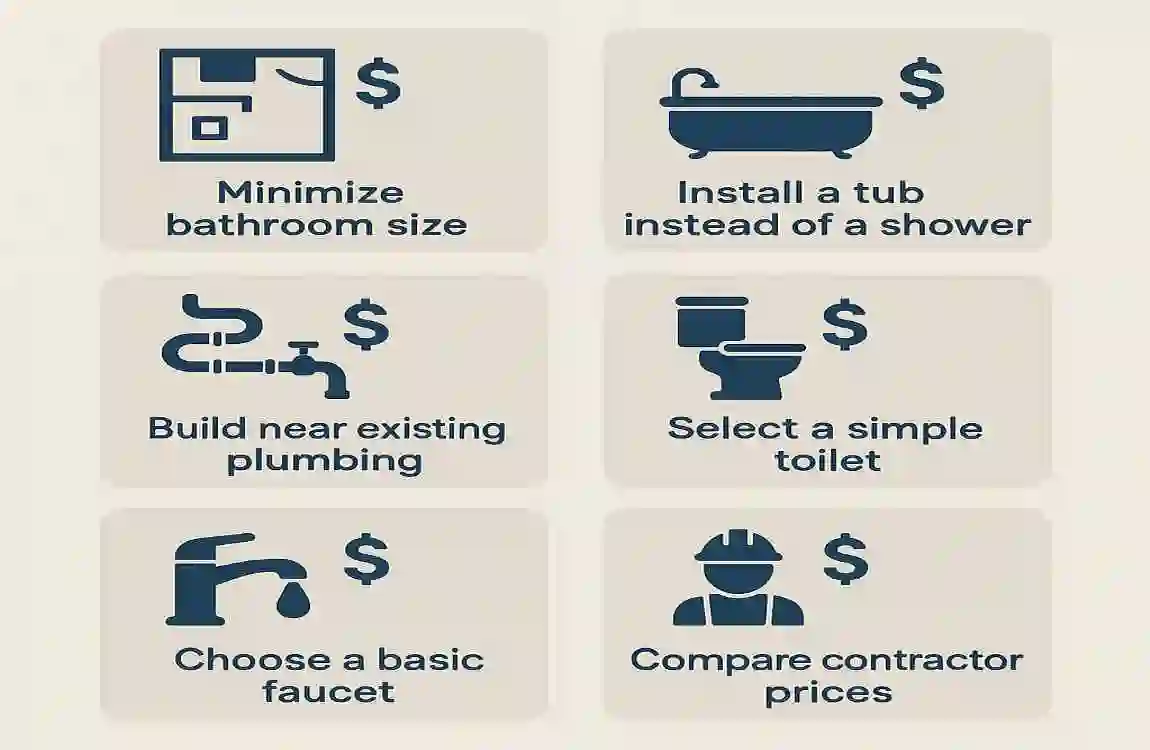
Ways to Reduce ADA Bathroom Costs
Building an ADA bathroom doesn’t have to break the bank. Here are innovative ways to cut costs while still meeting accessibility needs:
- Use pre-fabricated kits: Walk-in shower kits range from $800–$8,000 and save on labor.
- Shop rebates and tax credits: State and federal programs may offer up to $5,000 back.
- Prioritize essentials: install only grab bars, a comfort-height toilet, and a roll-in shower if that’s all you need.
- Buy fixtures on sale: Look for discounts at big-box stores or online.
- Reuse what you can: If your existing vanity can be modified, keep it.
- Opt for multi-use fixtures: A shower seat can double as storage or a footrest.
- DIY minor tasks: install grab bars or paint yourself to save on labor.
- Bundle projects: Tackle other home updates at the same time to get contractor discounts.
Accessible bathroom features pricing doesn’t have to be overwhelming—focus on high-impact changes first.
Real Cost Examples and Case Studies
Case Study 1: Small Remodel
- Location: Suburban Midwest
- Scope: Replaced standard tub with curbless shower, added grab bars, swapped vanity for roll-under sink, and installed non-slip flooring.
- Result: “My mom can now shower independently, and the bathroom feels larger and safer.” — Homeowner
Case Study 2: Luxury Remodel
- Location: California
- Scope: Full gut, custom roll-in tub, smart toilet with bidet, heated non-slip floors, automatic lighting, and a tub lift.
- Result: “We invested more, but the bathroom is beautiful and future-proof. The tub lift was a game-changer.” — Contractor.
Quote from contractor:
“Simple grab bar installations are quick and affordable, but major plumbing or moving walls can double your costs. Always start with a clear plan and realistic budget.” – Mark S., Licensed Remodeler.
