

A musty odor in your home is often a sign of hidden moisture problems, such as mold or mildew growth, which thrive in damp, poorly ventilated areas. These odors not only create an unpleasant living environment but can also pose health risks, including respiratory issues and allergic reactions. Identifying the source of the musty smellwhether from leaks, damp fabrics, or unseen mold colonies behind walls or furniture—is the crucial first step toward eliminating it. Once located, thorough cleaning, improved ventilation, and moisture control are essential to remove the odor and prevent its return. This guide will help you understand how to detect musty odors in your home and provide practical steps to fix the problem effectively
Causes of musty odors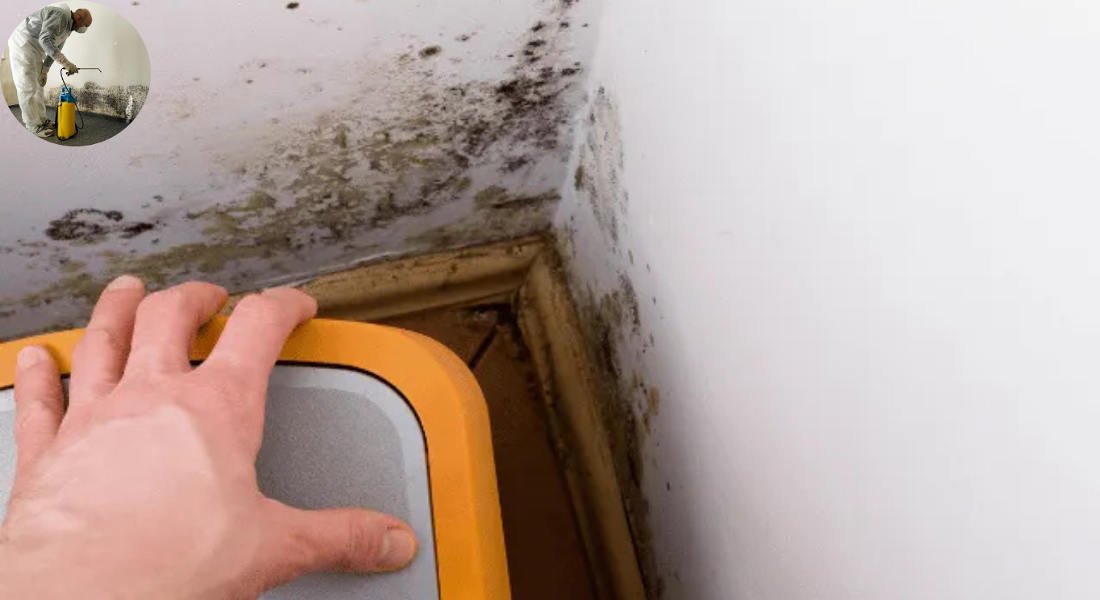
Musty odors in your home often stem from hidden sources of moisture. Think about damp basements, leaky roofs, or even high humidity levels.Mold and mildew thrive in these conditions.
This problem often goes unnoticed until it becomes overwhelming.
Water-damaged materials also contribute to that musty scent. Carpets, drywall, or furniture soaked by water can start emitting unpleasant odors as they dry out improperly.
Remember that organic matter like dust or pet dander can trap moisture too. As these particles break down over time, they release those unmistakable musty aromas throughout your living space. It is crucial to identify the source of the problem before tackling it!
Identifying musty odors in different areas of the house
Musty odors can lurk in various corners of your home, each area telling its own story. Start with the basement, often a prime suspect due to moisture accumulation. If it smells damp or earthy, it’s time for an investigation.
Next, check bathrooms and kitchens. Mold and mildew thrive here, especially around sinks and showers. A musty scent could indicate hidden growth behind tiles or under cabinets.
Don’t forget about closets and attics; they can trap humidity easily. Open them up and take a whiff—if something smells off, you might need to clear out some clutter too.
Inspect upholstered furniture and carpets. They absorb odors over time. If your couch has a stale smell after being unused for a while, it’s worth looking into deeper cleaning methods to restore freshness. Each area offers clues that help pinpoint where the mustiness is coming from.
You may also read (guide to purchasing a home and retaining your council house).
DIY methods for removing musty odors
One effective method to tackle musty odors is using white vinegar. Place bowls of vinegar in affected areas, and let it sit for a few hours. The acetic acid neutralizes unpleasant smells naturally.
Baking soda is another powerful ally. Sprinkle it on carpets, upholstery, or any surfaces that might harbor the odor. Let it sit overnight before vacuuming it up to absorb unwanted scents.
Activated charcoal works wonders as well. Fill small mesh bags with activated charcoal and hang them in closets or corners where the smell lingers. It effectively traps moisture and odors without adding fragrances.
For those who prefer essential oils, consider mixing a few drops of tea tree oil with water in a spray bottle. Lightly mist fabrics and air spaces; not only does this mask odors but also has antibacterial properties that can help eliminate the source itself.
Regularly airing out your home by opening windows can also work miracles in refreshing stale air!
Professional solutions for persistent musty odors
When DIY methods fall short in the battle against musty odors, it might be time to call in the professionals. Experienced mold remediation specialists can identify and tackle underlying issues that contribute to persistent smells.
These experts use advanced techniques like thermal imaging to detect hidden moisture sources. This step is crucial since many odor culprits hide behind walls or beneath floors.To eliminate contaminants from the air, they use powerful dehumidifiers and air scrubbers.
They utilize industrial-grade solutions designed to neutralize odors effectively.
Consider consulting with an HVAC technician for a thorough inspection of your ventilation system. Sometimes, stale air trapped within ducts can exacerbate unpleasant smells throughout your home.
You may also read (how can you insulate the underside of a mobile home).
Preventing musty odors from returning
To keep musty odors at bay, it’s essential to adopt preventive measures throughout your home. Start by maintaining proper ventilation. Allow fresh air to enter your home whenever possible by opening windows and doors. Using exhaust fans in kitchens and bathrooms can also help reduce humidity levels that contribute to unpleasant smells.
Regular cleaning is another key factor. Dust and debris can accumulate over time, trapping moisture and causing odors. Focus on areas like carpets, drapes, and upholstery where mold or mildew might develop unnoticed. Frequent washing of linens adds an extra layer of protection against lingering scents.
Consider investing in a dehumidifier if you live in a particularly humid climate or have a basement prone to dampness. This device helps control humidity levels effectively, making it harder for mold spores to thrive.
Be mindful of how you store items when you’re away from home for extended periods. Ensure that everything is clean and dry before packing things up; this simple step can work wonders in preventing the dreaded musty smell upon your return.
By taking these proactive steps, you can ensure your living space remains fresh and welcoming—no more wondering why does my house smell musty after being away!
You may also read (shinegoldhome.co.uk).
