
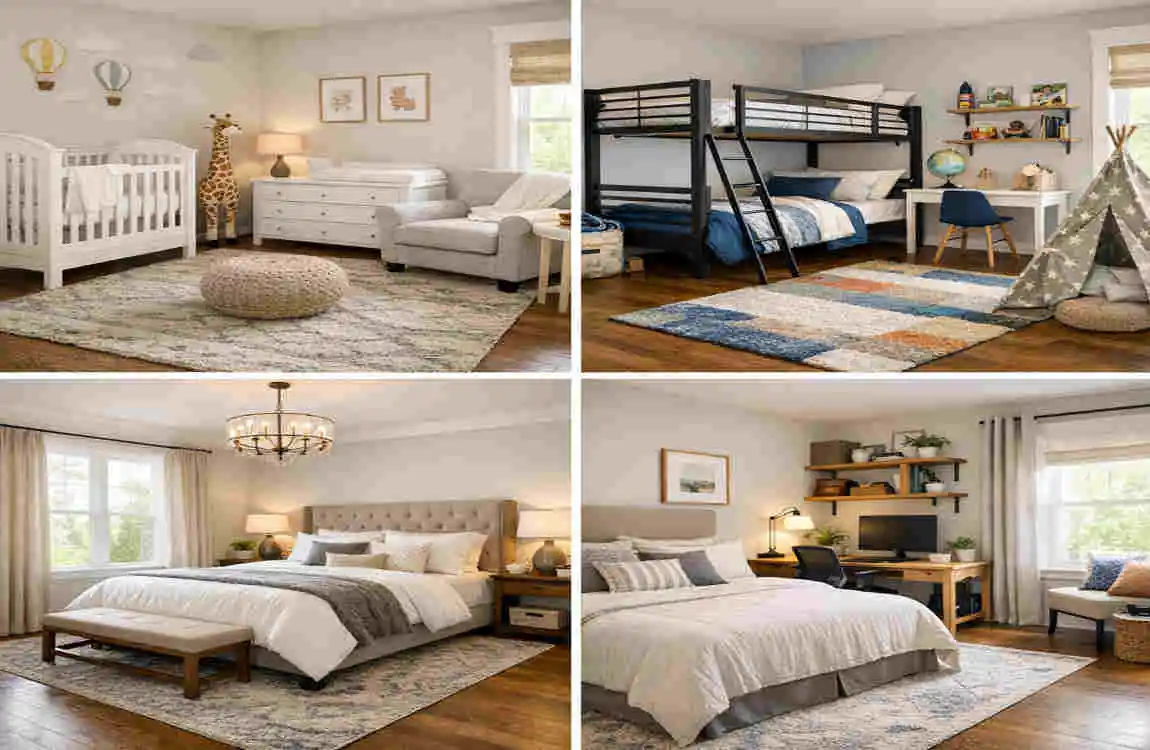
When people ask how many bedrooms a house needs to have, the answer is not as simple as a fixed number. A property can still be a house with one, two, three, or more bedrooms.
What really matters is the type of dwelling, the layout, and the local rules that define living spaces. A house is usually considered a self-contained home with its own kitchen, bathroom, and living area. The number of bedrooms affects comfort and value, but it does not automatically determine whether the property is a house.
What Is the Minimum Number of Bedrooms for a House?
Can a One-Bedroom Property Be a House?
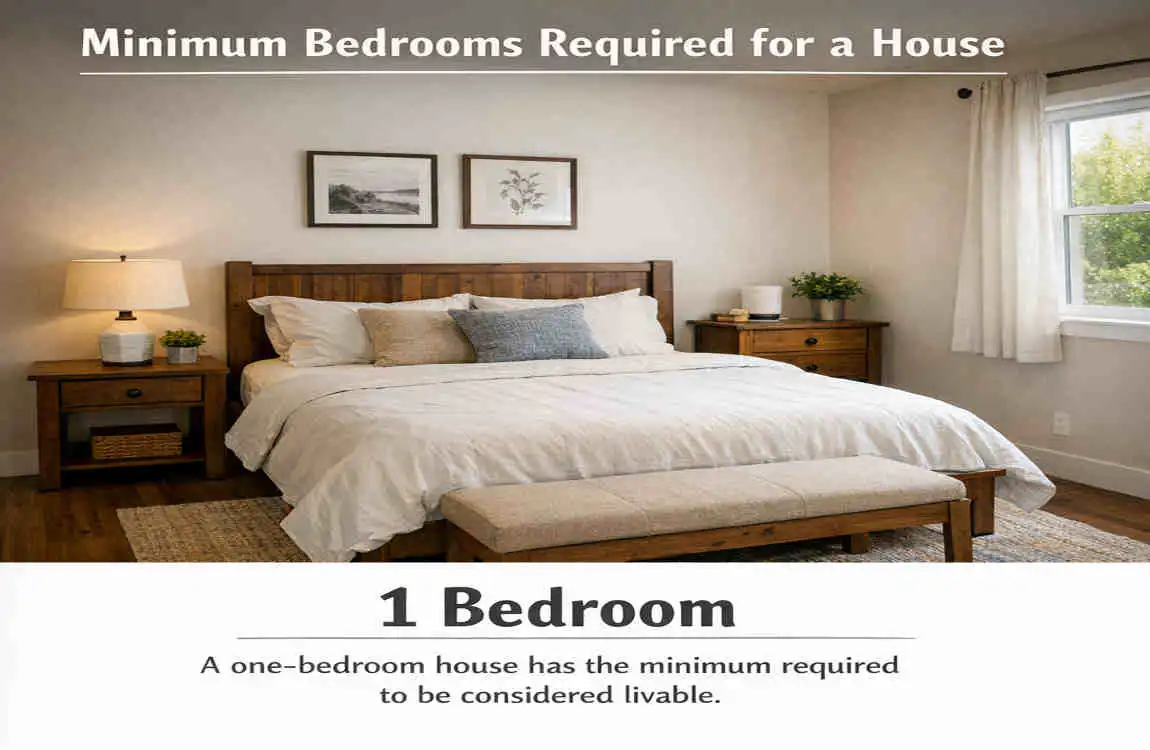
Yes, a one-bedroom property can absolutely be a house.
A house does not need multiple bedrooms to count as a real home. If the property has the basic living spaces, such as a kitchen, bathroom, and living area, it can function as a complete house even with just one bedroom.
This is common in smaller homes, starter homes, cottages, and compact dwellings. For an individual or a couple, one bedroom may be enough.
Is a Two-Bedroom House Common?
Yes, a two-bedroom house is very common.
Many buyers like this setup because it offers more flexibility without becoming too large or expensive. One bedroom can serve as the main sleeping space, while the second can be used for guests, children, or a home office.
For many people, a two-bedroom home is a practical balance between size and cost.
Does a House Need Three Bedrooms?
No, a house does not need three bedrooms to be a house.
That said, three-bedroom homes are often seen as the standard family layout in many markets. They tend to work well for small and growing families because they offer enough space for parents, children, and maybe a guest or office room.
A three-bedroom home is common, but common does not mean required.
House vs. Apartment or Studio
Bedroom count alone does not decide whether a property is a house.
A studio may have no separate bedroom, but it is still a dwelling. A one-bedroom apartment is not a house, even though it has a bedroom. A detached one-bedroom property can still be a house if it has the right structure and a private living setup.
Other things matter too, such as:
- Private access
- Building type
- Separate structure
- Legal classification
- Use as a self-contained dwelling
So when asking how many bedrooms is considered a house, remember that the bedroom count is only one part of the picture.
How Many Rooms Should a House Have?
Essential Rooms in a House
A house usually includes more than just bedrooms. Most homes need a few basic spaces to work well.
Common essential rooms include:
- Living room
- Kitchen
- Bathroom
- Bedrooms
- Dining area or flexible space
A one-bedroom home can still feel complete if it includes these essential spaces. The number of rooms matters less than whether the home supports daily life comfortably.
Bedrooms and Other Living Spaces
A bedroom count is different from the total number of rooms.
For example, a two-bedroom house may still have:
- One living room
- One kitchen
- One bathroom
- One dining area or office space
That means the house could have five or more rooms in total, even though it only has two bedrooms.
Open-plan homes also change how people count rooms. If the kitchen, dining, and living areas share one open space, the home may feel larger even though it has fewer separate rooms.
Room Requirements and Local Rules
Local rules can affect what counts as a room and what counts as a bedroom.
Some places have rules about:
- Minimum room size
- Ventilation
- Natural light
- Ceiling height
- Emergency exits
That is why you should always check local regulations before converting a room into a bedroom or labeling it as such in a sales listing.
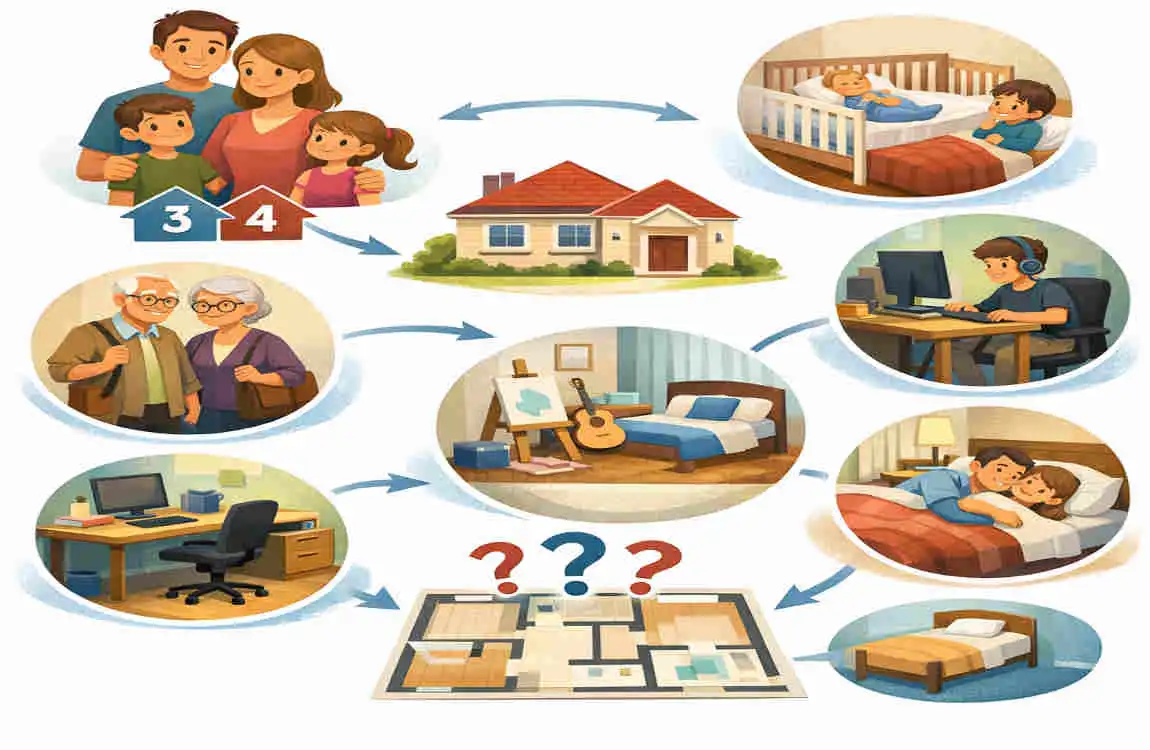
Choosing the Right Number of Bedrooms for Your Household
One Bedroom
A one-bedroom home works well for single people or couples.
It can be cozy, affordable, and easier to maintain. It also usually costs less to heat, cool, and furnish.
The limitation is simple: it offers less room for guests, children, or future changes. If your household grows, you may need more space later.
Two Bedrooms
A two-bedroom house is a very flexible option.
It can work for:
- Couples
- Small families
- Guests
- A home office
- A hobby room
Many first-time buyers like two-bedroom homes because they are usually easier to afford than larger houses while still offering some flexibility.
Three Bedrooms
Three bedrooms are often seen as the classic family home setup.
This layout works well for parents and children, or for people who need one room for sleeping, one for guests, and one for work. It gives a nice balance between comfort and practicality.
If your household may grow in the future, three bedrooms can be a smart choice.
Four or More Bedrooms
A home with four or more bedrooms is usually suited for larger families or people who need dedicated spaces.
These rooms can be used for:
- Children
- Guests
- Offices
- Storage
- Hobby rooms
- Multi-use spaces
More bedrooms give you more flexibility, but they also mean higher costs for purchase, upkeep, heating, and furnishing.
What Determines Whether a Room Counts as a Bedroom?
Size and Layout
A room must be usable as a bedroom, which means its size and shape matter.
A tiny room may not qualify in some places, even if it has a door and a bed. Local rules usually decide the minimum usable area.
The layout also matters. A room should be practical for sleeping and movement, not just technically enclosed.
Windows and Natural Light
In many places, a bedroom must have a window for natural light and ventilation.
A windowless room may be fine for storage, an office, or a den, but it may not legally count as a bedroom in some areas.
Windows also matter for comfort and safety, so they are a major part of bedroom rules.
Emergency Egress
Emergency egress refers to a means of escaping a room in an emergency.
This is one of the most important requirements for bedrooms in many locations. A room may need a window or opening large enough for rescue or escape.
The exact rule depends on the local code, so it is always best to check the specific requirements in your area.
Access, Heating, and Other Requirements
A bedroom often needs more than just four walls and a bed.
Other possible requirements include:
- A proper door
- Safe heating
- Ventilation
- Ceiling height
- Safe electrical setup
This is why not every small room can legally be marketed as a bedroom. Even if it looks like one, it may not meet the legal standard.
Does Bedroom Count Affect House Value?

Why More Bedrooms Can Increase Appeal
In many cases, yes, more bedrooms can make a home more attractive.
A higher number of bedrooms may appeal to families, remote workers, or buyers who want guest space. It can also make the property more flexible and easier to market.
Still, bedroom count is only one factor. Buyers also look at location, condition, layout, and total square footage.
More Bedrooms Do Not Always Mean Higher Value
More bedrooms do not automatically mean a better home.
A tiny or awkward bedroom may not add much value. A home with a smart layout and usable space may be more appealing than a larger house with poorly designed rooms.
That is why usable living space matters just as much as room count.
Bedroom Count and Resale Potential
The number of bedrooms can shape the kind of buyer who looks at your home.
For example:
- A one-bedroom house may attract singles or couples
- A two-bedroom house may appeal to first-time buyers
- A three-bedroom house may attract families
- A four-bedroom house may attract larger households
So when you think about resale, consider not just how many bedrooms the house has, but who would likely want to live there.
FAQ: How Many Bedrooms Is Considered a House?
Is one bedroom enough to be considered a house?
Yes. A house can have one bedroom if it meets the requirements for a dwelling and has the basic living spaces needed for daily life.
How many bedrooms does an average family house have?
Three bedrooms are very common in many markets, but there is no universal rule requiring a house to have three bedrooms.
Can a house have only two bedrooms?
Yes, absolutely. A two-bedroom house is a real and practical home for many households.
What is the minimum size for a legal bedroom?
There is no single worldwide standard. Local building codes decide the minimum bedroom size and related rules.
Does a living room count as a bedroom?
Usually no. A living room does not count as a bedroom unless it legally meets the bedroom requirements in that area and is officially classified that way.
Can I turn a spare room into a bedroom?
Possibly yes, but the room may need to meet rules about size, windows, ventilation, heating, and emergency escape.
Is a three-bedroom house better than a two-bedroom house?
It depends on your needs. A three-bedroom home may offer more flexibility, but a two-bedroom home may be more affordable and easier to manage.
| House Type | Typical Rooms Needed | Best For |
|---|---|---|
| Small House | 3–5 rooms | Singles or couples |
| 2-Bedroom House | 5–7 rooms | Small families |
| 3-Bedroom House | 7–9 rooms | Average families |
| 4-Bedroom House | 9–12 rooms | Larger families |
| Luxury House | 12+ rooms | Large households & entertaining |
