
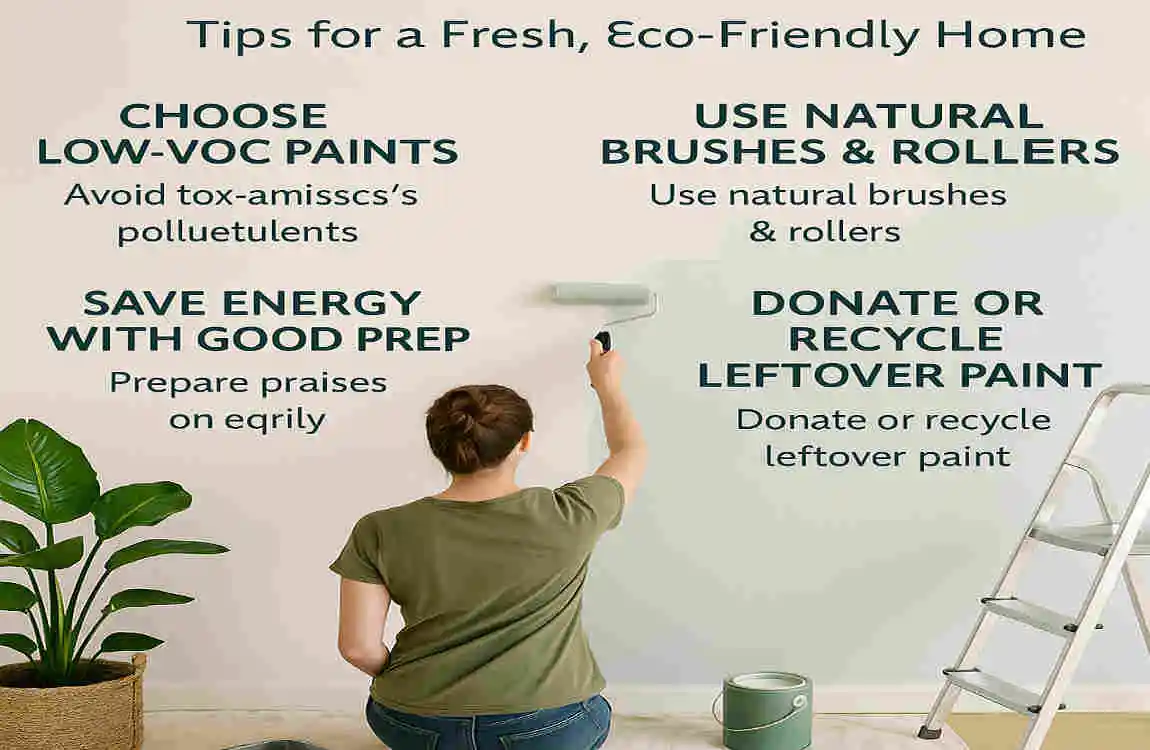
Tired of staring at those drab, outdated walls that make your home feel stale? You’re not alone. Many homeowners dream of a fresh, vibrant space, but hesitate because painting seems overwhelming. What if I told you that learning how to paint a house interior can be straightforward, affordable, and even good for the planet? That’s right—this guide turns you into a pro with eco-friendly tricks that save money and boost your health.
Think about the perks. Doing it yourself cuts costs by about 50% compared to hiring pros, according to HomeAdvisor data. No more shelling out thousands for a basic job. Plus, switching to low-VOC paints can slash indoor toxins by up to 70%, according to the EPA. These paints emit fewer harmful fumes, resulting in cleaner air for your family. And get this: 80% of homeowners repaint every 5-7 years, per Statista, so why not make your next refresh a glow-up that lasts?
Why Choose Eco-Friendly Painting for Your Home Glow-Up

Picture this: You finish painting, and instead of a chemical haze lingering for days, your home smells fresh and inviting right away. That’s the magic of eco-friendly painting. In a world where indoor air can be twice as polluted as outdoor air, choosing green options isn’t just trendy—it’s smart. This section explores why eco-friendly paint should top your list when tackling how to paint a house interior.
Benefits of Low-VOC and Zero-VOC Paints
Low-VOC and zero-VOC paints cut down on volatile organic compounds—those sneaky chemicals that off-gas and irritate eyes, skin, and lungs. The EPA links VOCs to about 20% of respiratory issues in homes. Switch to these paints, and you breathe easier, especially if kids or pets roam around.
Environmentally, they shine too. Biodegradable formulas reduce your carbon footprint by up to 40%, according to Green Seal standards. No more contributing to landfill waste with toxic sludge. And durability? These paints often outlast traditional ones, lasting 10+ years versus 5-7. They resist fading, chipping, and mildew better, saving you from repaint trips.
Health perks extend to everyone. Sensitive noses love the minimal odour, letting you move back in faster. I’ve seen families paint bedrooms on weekends and sleep soundly that night—no headaches.
Popular Eco Paint Brands
Not all green paints are equal, but these standouts make choosing easy. Here’s a quick comparison table to guide you:
BrandVOC LevelPrice Range (per gallon)Best For
Benjamin Moore Natura Zero-VOC $60 Bedrooms, calm spaces
Sherwin-Williams Harmony Low-VOC $55 Kitchens, high-traffic
ECOS Paints Zero-VOC $65 Living rooms, accents
AFM Safecoat Zero-VOC $70 Nurseries, allergies
These brands use natural ingredients like clay or plant resins, proving green doesn’t mean dull finishes.
Cost vs. Value Comparison
Upfront, eco-paints cost a bit more—maybe $10-20 extra per gallon. But crunch the numbers: A DIY job for a 12×12 room runs about $500 with green paint, versus $2,000 for pros using standard stuff. You save big, and the longevity pays off. Factor in health bills avoided from fewer fumes? It’s a no-brainer.
Ever compared a bar chart of costs? DIY eco wins every time—lower material costs, no labour fees, and reduced waste. Transitioning to prep ensures these paints adhere perfectly, maximising value. Your glow-up starts with wise choices like these.
Essential Tools and Materials for How to Paint a House Interior
Gearing up right sets the stage for success in DIY house painting. You don’t need a pro’s workshop—just smart picks that balance quality and eco-friendliness. Budget $100-300 total, and you’re set for multiple rooms. Let’s break down the must-haves.
Must-Have Tools
Stock these basics for smooth sailing:
- Rollers and brushes: Go for 3/8-inch nap rollers for walls and angled sash brushes for crisp edges. Wool or microfiber blends pick up less paint, reducing drips.
- Drop cloths and painter’s tape: Canvas drop cloths beat plastic for reusability. Opt for silicone-based tape—it’s eco-friendlier and cleans up easily.
- Ladders, trays, and extenders: A sturdy 6-foot step ladder reaches ceilings safely. Line trays with bags for easy cleanup, and use pole extenders to avoid arm strain.
Pro move: Rent a paint sprayer for $50/day. It cuts application time by 20% and wastes less paint.
Eco-Friendly Materials Checklist
Prioritise green where it counts. Check this table:
ItemEco-TipCost (approx.)
Primer Water-based, low-VOC $25/gallon
Paint Plant-based (e.g., milk paint) $50/gallon
Cleaners Citrus-based degreasers $10/bottle
Sandpaper, recycled grit pads $5/pack
Spackle Non-toxic, lightweight formula $8/tub
These keep your project planet-friendly without breaking the bank. Imagine finishing with tools that last for seasons—reusable cloths save $50 a year. Grab extras like gloves and masks for safety. With this kit, you’re primed for pro results.
Step-by-Step Preparation: The Key to Pro Results
Pros agree: Prep is 80% of the key to painting a house’s interior successfully. Skimp here, and your fresh coat peels fast. Invest a weekend upfront, and enjoy flawless walls for years. We’ll segment it into clear steps, so you tackle one at a time.
Room Assessment and Planning
Start smart. Measure your space: Multiply the room length by the width for floors, then multiply the length by the height for walls (length x height x 2), plus the ceiling if needed. A 12×12 room? About 500 square feet—buy two gallons with buffer.
Pick colours wisely. Earth tones like sage green or soft beige calm vibes, and hide dirt. Test samples on walls under different lighting conditions. Eco-tip: Low-VOC testers prevent waste. Plan around furniture—paint in phases if space is tight. Jot a checklist: “Walls first, trim last.” This keeps you organised and excited.
Clearing and Protecting the Space
Empty the room or push furniture centre-stage, covering it with plastic sheets topped with old sheets for breathability. Dust everything—vacuum corners where cobwebs hide.
Tape like a boss: Mask baseboards, outlets, and windows with 1-inch painter’s tape. Press firmly for a seal. Lay drop cloths, weighting edges with books. Eco-hack: Reusable canvas cloths absorb spills without landfill guilt—work room by room to avoid chaos. Picture your space prepped like a blank canvas—invigorating, right?
Surface Cleaning and Repairs
Dirty walls ruin adhesion. Mix a baking soda solution (1 cup per gallon of water) as a TSP substitute—it’s non-toxic and cuts grease. Wipe with sponges, rinsing often. For kitchens, tackle stains with citrus degreaser.
Spot repairs next. Fill holes with lightweight spackle using a putty knife. Let dry, sand smooth to 220-grit. Sherwin-Williams notes proper sanding stops peeling. Vacuum dust—inhaling it isn’t fun. Check for cracks; caulk gaps. Smooth surfaces mean even paint uptake, saving you touch-ups.
Safety first: Open windows, wear N95 masks for dust. Ventilate to keep the air fresh.
Priming for Better Adhesion
Primer seals surfaces, blocks stains, and boosts coverage. Choose water-based, low-VOC for quick dry (4 hours). Roll or brush two coats on bare drywall; one elsewhere.
Cut in edges first, then roll “W” patterns. Avoid holidays—thin spots. Let cure thoroughly before topcoats. This step locks in the longevity of your eco-paint. Pat yourself—prep done means painting fun ahead.
Mastering Painting Techniques for a Flawless Finish
Now the exciting part: Applying paint like a pro. These interior house painting tips focus on DIY techniques for even, durable results. Take it slow—quality over speed.
Choosing the Right Paint Finish
Match the sheen to the room’s needs. Here’s a handy table:
RoomSheenWhy Eco-Friendly?
Living Room Eggshell Washable, low-VOC options
Bathroom Semi-Gloss Mold-resistant formulas
Kitchen Satin Stain-hiding, scrub-friendly
Bedroom Matte Soft glow, minimal glare
Eggshell hides imperfections; gloss fights moisture. Eco-lines offer all sheens without toxins.
Cutting In Edges
“Cutting in” paints trim lines neatly. Dip your angled brush halfway, tap off excess. Hold steady, paint 2-inch bands along ceilings, corners, and baseboards. Use short strokes, feathering outward. Practice on cardboard first.
Go slow—reload often for control. Steady hand? Guide with your pinky on the wall. This crisp border makes rolling effortless.
Rolling Walls
Load your roller lightly—too much causes drips. Start with a “W” pattern from the top down, overlapping strokes. Work 3×4-foot sections: Roll up-down, then cross-hatch. Thin coats dry faster, reducing waste—eco win.
Keep a wet edge to blend seams. Step back often; fix lap marks immediately. For texture match, back-roll after spraying. Golden hour lighting reveals misses—paint then for accuracy.
Ceilings and Trim
Tackle ceilings early—drips hit walls last. Use extension poles; spray for speed, back-roll for evenness. Trim last: Two coats, lightly sanding between coats.
Advanced Tips for Even Coverage
Check progress from the side—shadows reveal thin spots. Apply 2-3 coats, 24 hours apart. Warm paint (room temp) flows better.
Common Mistakes to Avoid
- Skipping primer: Leads to peeling.
- Overloading rollers: Causes runs and waste.
- Poor ventilation: Traps fumes—open windows!
- Painting in direct sun: Bubbles form.
- Rushing dry times: Stickiness ruins the finish.
Master these, and your walls glow.
Eco-Friendly Hacks for a Greener Painting Project
Amp up sustainability without extra effort. These hacks make your project shine.
Swap chemical cleaners for vinegar-water (1:1)—dissolves grime naturally. Strain leftover paint through cheesecloth for touch-ups; no waste.
Donate extras through local programs—avoid the landfill. Paint in cooler months; lower temps cut AC needs, saving energy.
One homeowner shared: Used these tips, saved $200 and 10kg waste on a full-house job. Reuse tape by storing it flat. Natural sponges beat disposables. Go green, feel good.
Cleanup, Curing, and Maintenance Tips
Finish strong. Rinse tools in soapy water immediately—eco-soap keeps bristles fresh—rollers spin-clean in a bucket.
Curing takes 7-30 days for full hardness. Avoid heavy furniture; use fans for air flow—Spot-clean gently with mild soap.
Refresh every 5 years—touch-up scuffs early. Your eco-paint stays vibrant with care.
Final Touches for Your Dream Home Glow-Up

Walls done? Style it. Hang mirrors to bounce light and amplify freshness. Add potted plants—greenery pops against new hues.
Rearrange furniture for flow. Before/after pics capture the magic—snap yours!
