
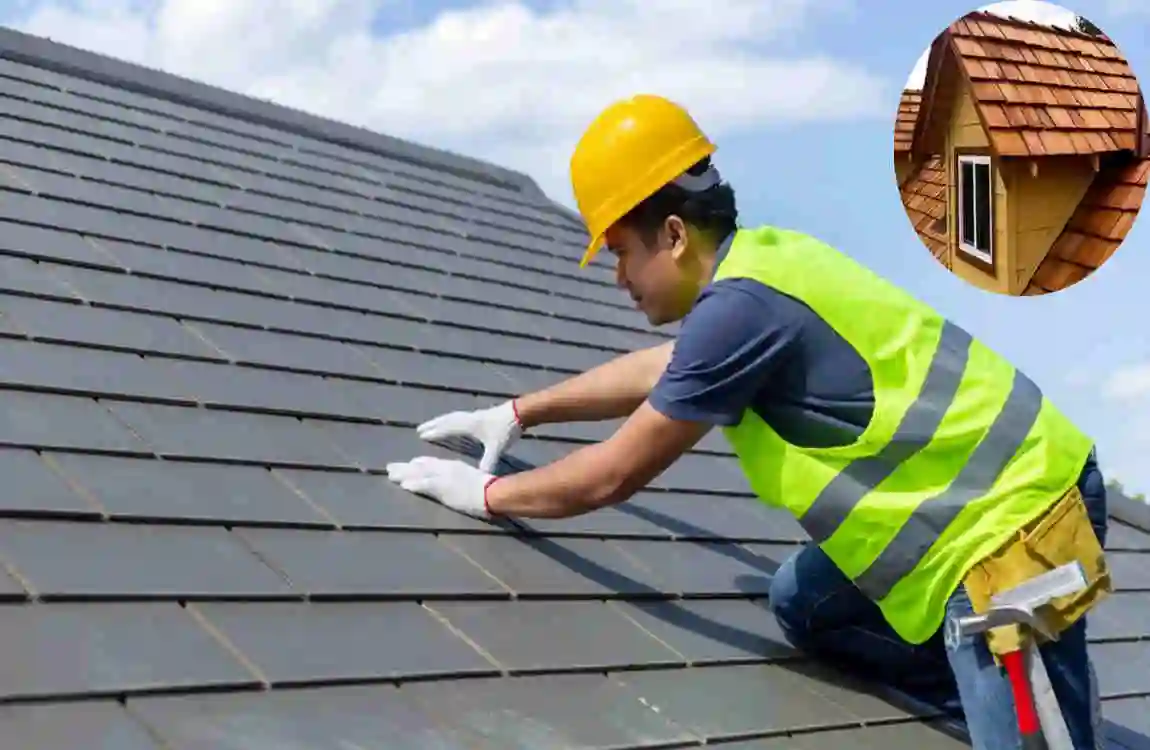
Have you noticed how the cost of replacing a roof keeps rising every year? In 2026, this trend continues, and with climate patterns becoming more extreme, your choice of roofing material is more important than ever. The roof is your home’s first line of defense against weather, energy loss, and wear and tear. But what’s the best type of roofing for your home?
Why Roofing Choice Matters
Your roof does more than keep rain out. Did you know that roofs account for about 40% of a home’s energy loss? That means a poorly chosen roof can make your heating and cooling bills skyrocket. On the flip side, a smart roofing choice can boost your home’s value and comfort.
homeowners face new challenges. Extreme weather events like heavy storms, heatwaves, and wildfires are becoming more common. Plus, there’s a growing demand for sustainable, eco-friendly roofing options that reduce environmental impact. So, asking “what type of roofing is best?” is no longer just a casual question—it’s a key decision that affects your home’s durability, energy use, and resale value roofingonebyone.
Roofing Types Overview
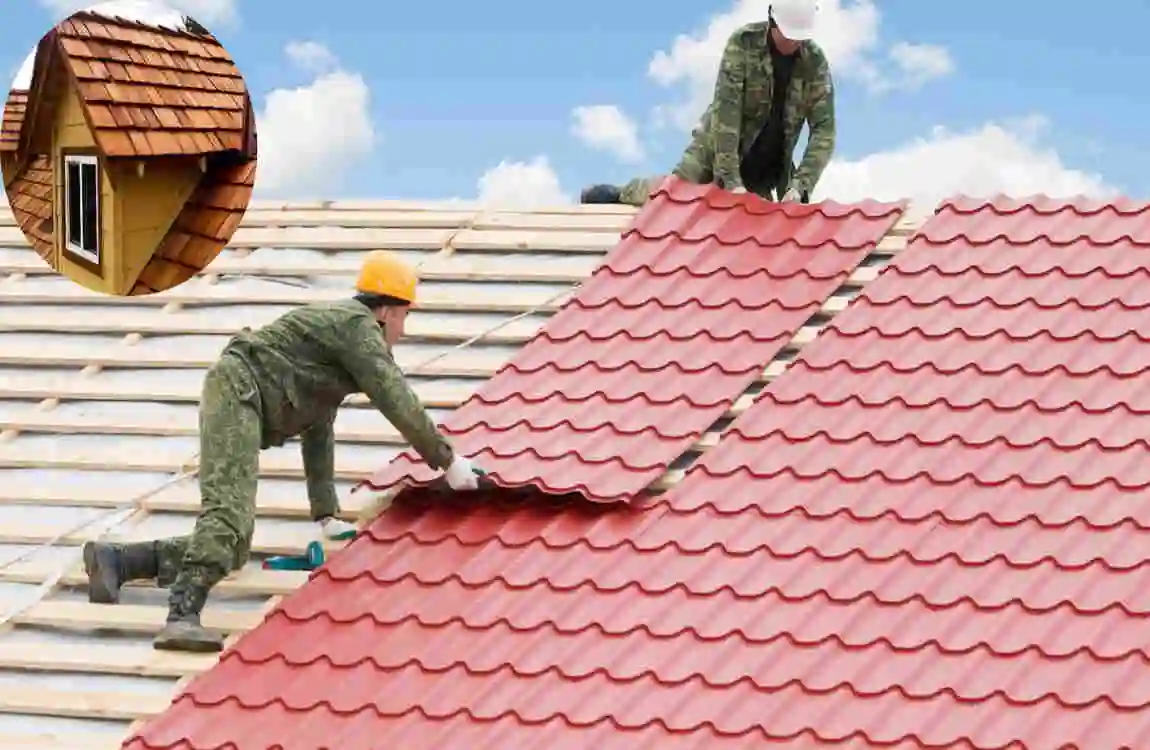
Let’s break down the main roofing materials you’ll encounter:
- Asphalt Shingles: The classic, budget-friendly choice.
- Metal Roofing: Known for durability and energy savings.
- Clay/Concrete Tile: Stylish and great for hot climates.
- Slate Roofing: The Premium, long-lasting option.
- Wood Shakes: Natural and rustic, with eco-friendly appeal.
- Emerging Synthetics: New materials mimicking traditional looks with added benefits.
Each type has its own strengths and weaknesses in terms of durability, cost, and energy efficiency. We’ll explore these in detail so you can find the perfect fit for your home.
Asphalt Shingles: Affordable Workhorse
What Are Asphalt Shingles?
Asphalt shingles are made from a base of fiberglass or organic material coated with asphalt and topped with mineral granules. They’re the most common roofing material in North America because they’re affordable and easy to install.
Lifespan and Cost
Typically, asphalt shingles last 20 to 30 years. Installation costs range from $3 to $7 per square foot, making them a great choice if you’re on a budget. Plus, many come with cool roof coatings that reflect sunlight, helping reduce cooling costs in warmer climates.
Energy Performance
While not the most energy-efficient on their own, asphalt shingles with reflective coatings can improve your home’s energy use by lowering heat absorption. This is especially useful in mild climates where extreme weather is less frequent.
Why Choose Asphalt?
- Budget-friendly: Low upfront cost.
- Versatile: Works well in a wide range of climates.
- Easy to repair: Damaged shingles can be replaced individually.
If you want a reliable roof without breaking the bank, asphalt shingles are a solid pick, especially in areas without extreme weather roofingonebyone.
Metal Roofing: Long-Term Durability King
Types of Metal Roofs
Metal roofs come in several varieties, including steel, aluminum, and copper. Each has unique benefits, but all share a reputation for strength and longevity.
Lifespan and Cost
Metal roofs can last anywhere from 40 to 70 years, sometimes even longer with proper care. The price is higher, typically $7 to $15 per square foot, but the investment pays off over time.
Benefits
- Low maintenance: Metal resists rust, cracking, and shrinking.
- Fire resistance: Class A fire rating, the highest available.
- Energy savings: Reflective surfaces can reduce cooling costs by 20-30%.
- Weather tough: Ideal for areas with heavy rain, snow, or wind.
Why Choose Metal?
If you live in a place with harsh weather or want a roof that lasts decades with minimal upkeep, metal roofing is a smart choice. It’s pricier upfront but offers excellent long-term value roofingonebyone.
Clay/Concrete Tile: Aesthetic & Heat-Resistant Choice
What Are Clay and Concrete Tiles?
These tiles are popular in Mediterranean and southwestern styles. They’re heavy but offer superior insulation and a distinctive look.
Lifespan and Cost
Tiles can last 50 years or more, sometimes up to 100 years. Costs range from $8 to $20 per square foot, reflecting their durability and style.
Benefits
- Heat resistance: Excellent for hot climates like Lahore, helping keep homes cool.
- Hurricane resistance: Strong against high winds and heavy rain.
- Cool roof benefits: Reflect sunlight, reducing energy bills.
Why Choose Tile?
If you want a roof that combines beauty with performance in hot, sunny climates, clay or concrete tiles are a fantastic option. They’re an investment but pay off in energy savings and curb appeal roofingonebyone.
Slate Roofing: Premium Elegance
What Is Slate?
Slate is a natural stone roofing material prized for its luxury look and extreme durability.
Lifespan and Cost
Slate roofs can last 75 to 100+ years, making them one of the longest-lasting options. However, they come with a high price tag of $15 to $30 per square foot and require a strong roof structure due to their weight.
Benefits
- Eco-friendly: Natural stone with minimal processing.
- Low maintenance: Resistant to fire, rot, and insects.
- Timeless beauty: Adds significant value to historic or luxury homes.
Why Choose Slate?
Slate is perfect if you want a roof that lasts generations and adds elegance to your home. It’s a Premium choice best suited for those with historic or high-end properties roofingonebyone.
Wood Shakes & Synthetics: Eco-Friendly Alternatives
Wood Shakes
Made from cedar or other woods, shakes offer natural insulation and a rustic look. They last 20 to 40 years but require more maintenance and have a Class B or C fire rating.
Synthetic Shakes
These newer materials mimic wood but are made from recycled plastics or rubber. They offer better fire resistance and durability, with prices ranging from $6 to $12 per square foot.
Benefits
- Natural insulation: Wood shakes help regulate temperature.
- Sustainability: Synthetics often use recycled materials.
- Fire safety: Synthetic options are safer than natural wood.
Why Choose Wood or Synthetics?
If you want an eco-friendly roof with a natural look, wood shakes or their synthetic counterparts are worth considering. They fit well with green building trends and offer a balance of style and function [[roofingonebyone]].
Durability Comparison Table
Roofing TypeLifespan (Years)Wind ResistanceFire RatingMaintenance
Asphalt Shingles 20-30 Up to 130 mph Class A Moderate
Metal 40-70 140+ mph Class A Low
Tile 50-100 150+ mph Class A Low
Slate 75-200 120 mph Class A Very Low
Wood Shakes 20-50 110 mph Class B/C High
This table helps you quickly see how each roofing type stacks up in durability and maintenance, crucial for making a 2026-proof choice consumerreports.
Cost Breakdown by Type
Here’s a quick look at the installed cost per square foot and what you can expect in terms of return on investment (ROI):
Roofing TypeCost per Sq FtROI TimelineNotes
Asphalt Shingles $3 – $7 5-10 years Cheapest upfront, moderate lifespan
Metal $7 – $15 10-20 years Higher upfront, long-term savings
Tile $8 – $20 15-25 years High cost, excellent durability
Slate $15 – $30 20+ years Premium price, lasts generations
Wood Shakes $6 – $12 10-15 years Moderate cost, higher maintenance
Regional factors, such as import duties in Pakistan, can increase costs, so always check local pricing. Financing options and energy rebates can help offset initial expenses, especially for durable, energy-efficient roofs roofingonebyone.
Energy Efficiency Ratings
Energy efficiency is a big deal in 2026. The Solar Reflectance Index (SRI) measures how well a roof reflects solar heat.
- Metal and tile roofs lead with 30-50% cooling savings.
- Asphalt shingles with cool coatings offer moderate savings.
- Slate and synthetic roofs also perform well due to natural or engineered reflectivity.
Many regions, including hot cities like Lahore, offer rebates for Energy Star-certified roofs, making energy-efficient options more affordable. Choosing a roof with a high SRI can significantly reduce your cooling bills during scorching summers roofingonebyone.
Climate-Specific Recommendations

Your local climate should guide your roofing choice:
- Monsoon and heavy rain areas: Metal and tile roofs resist water and wind damage best.
- In hot, dry climates, asphalt shingles with cool coatings or tile roofs help keep homes cool.
- Areas with high UV exposure (like Pakistan): Look for UV-resistant materials, such as metal or tile, to prevent fading and damage.
Tailoring your roof to your environment ensures it lasts longer and performs better roofingonebyone.
Installation Factors
Installing a roof is a big job. While DIY might seem tempting, roofing requires skill, permits, and safety measures.
- Professional installation ensures warranties remain valid.
- Certified contractors know local building codes and weather challenges.
- Proper installation maximizes your roof’s lifespan and energy efficiency.
Always get multiple quotes and check references before hiring. A well-installed roof is your best investment roofingonebyone.
Maintenance Best Practices
Keeping your roof in top shape extends its life by 20-30%. Here’s what to do:
- Annual inspections: Look for damaged shingles, rust, or debris.
- Cleaning: Remove leaves, moss, and dirt to prevent moisture buildup.
- Timely repairs: Fix small issues before they become costly.
Maintenance needs vary by material—wood shakes require more care than metal or slate. Staying on top of upkeep saves money and headaches roofingonebyone.
Roofing Trends
The roofing world is evolving fast. Watch for these trends:
- Solar-integrated metal roofs that generate electricity.
- Recycled synthetic materials that mimic traditional looks but are greener.
- AI-driven inspections using drones and sensors to spot damage early.
The future points to hybrid roofing systems combining durability, energy efficiency, and smart tech. This means the “best type of roofing” in 2026 might be a blend of materials tailored to your needs timeproofusa.
FAQs: Quick Answers
- What type of roofing is best for hot climates?
- Tile or metal roofs reflect heat, keeping homes cooler.
- Cheapest durable option?
- Asphalt shingles with cool coatings offer good durability at a budget-friendly price.
- Eco-friendliest roofing?
- Natural slate or recycled composite materials are top picks.
- Can I install a roof myself?
- It’s best to hire certified pros to ensure safety and warranty coverage.
- How often should I maintain my roof?
- Annual checks and cleaning keep your roof in great shape.
