
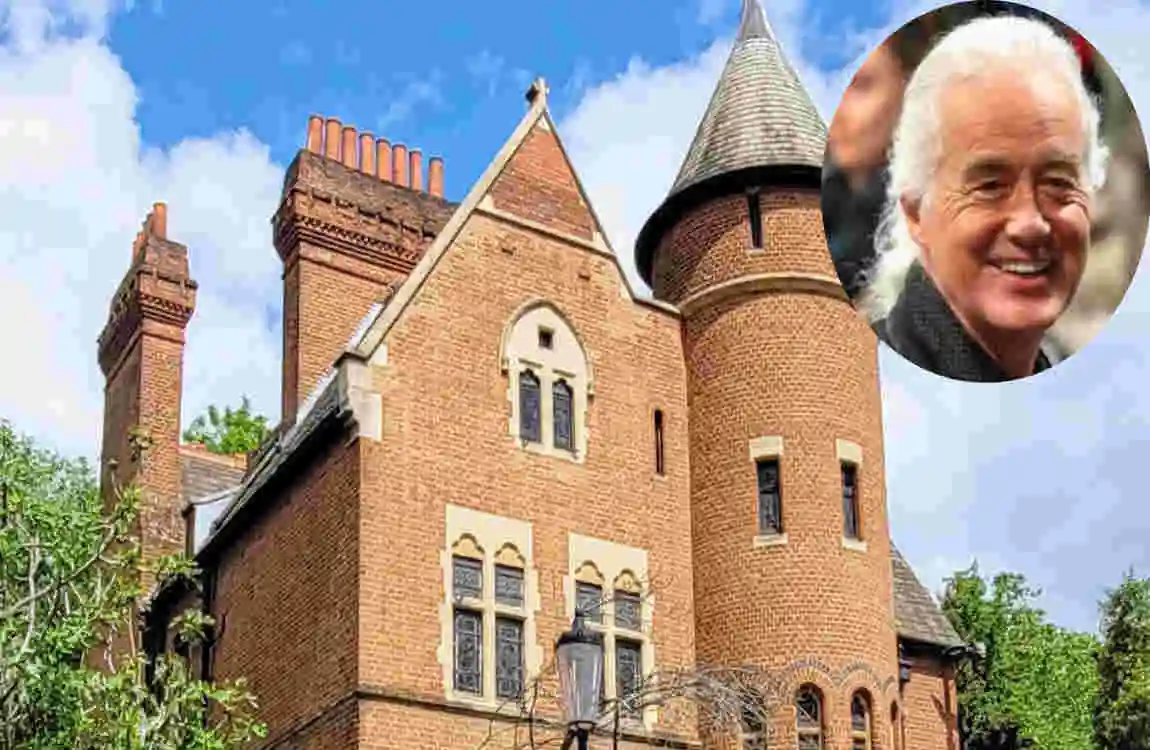
Imagine stepping into a world where rock legends lived and created some of the most incredible music ever made. That’s exactly what Jimmy Page’s house, known as Tower House in Kensington, offers. This isn’t just any old mansion—it’s a neo-Gothic masterpiece that pulses with the energy of Led Zeppelin’s golden years. Picture towering spires, intricate carvings, and rooms that whisper tales of wild parties and late-night jam sessions. As a fan, you might wonder what secrets hide behind those red brick walls.
Jimmy Page’s house stands tall in London’s upscale Kensington neighbourhood, blending Victorian charm with rock ‘n’ roll rebellion. Built in the late 19th century, it became Page’s sanctuary in 1972, right when Led Zeppelin was skyrocketing to fame. Here, Jimmy Page, the guitar wizard behind hits like “Stairway to Heaven,” found inspiration amid the Gothic splendour. But it’s more than architecture; it’s a place where music history unfolded. Think about the rivalries—Page outbid David Bowie to snag this gem—and the creative sparks that flew within its walls.
You see, Tower House isn’t just Jimmy Page’s London luxury home it’s a symbol of an era when rock stars lived like kings in enchanted castles. Fans often call it the “Led Zeppelin rock palace” because of the band’s deep ties to the property. Rumours swirl about occult influences, epic gatherings, and even hidden recording spots that birthed legendary riffs. Have you ever dreamed of peeking inside such a place? Well, stick with me, and we’ll dive deep.
Architectural Marvel
Tower House in Kensington is more than Jimmy Page’s house—it’s a living piece of art. This neo-Gothic wonder draws you in with its fairy-tale looks and rich history. If you’ve ever admired old castles in storybooks, this place will feel familiar yet thrilling. Let’s break it down, starting with its origins and design elements that set it apart.
History and Design
Back in the 1870s, architect William Burges dreamed up Tower House as his personal haven. He built it between 1875 and 1881, using bold red bricks and pale Bath stone for a striking contrast. The house screams Gothic Revival, a style that revives medieval vibes in a modern way. Burges drew inspiration from the Pre-Raphaelite movement, which loved romantic, detailed art. Today, it’s a Grade I listed building, meaning it’s protected for its historical value.
What makes this design so captivating? Picture a tall, cylindrical tower topped with a conical roof, like something from a knight’s tale. The exterior boasts pointed arches and ornate details that catch the eye from the street. Burges wanted a home that felt like a fortress, blending beauty with strength.
Here are some standout features that highlight its charm:
- Stained glass windows that tell stories like medieval legends, letting colourful light dance inside.
- Conical roof on the tower, giving it a spire-like magic that stands out in Kensington.
- Intricate wood carvings everywhere, from doors to ceilings, adding a handcrafted touch.
These elements aren’t just pretty—they create an atmosphere that’s both grand and intimate. Burges poured his heart into every inch, making Tower House a testament to Victorian creativity. As you imagine strolling around, think about how this setup influenced later owners like Jimmy Page.
Key Interior Features
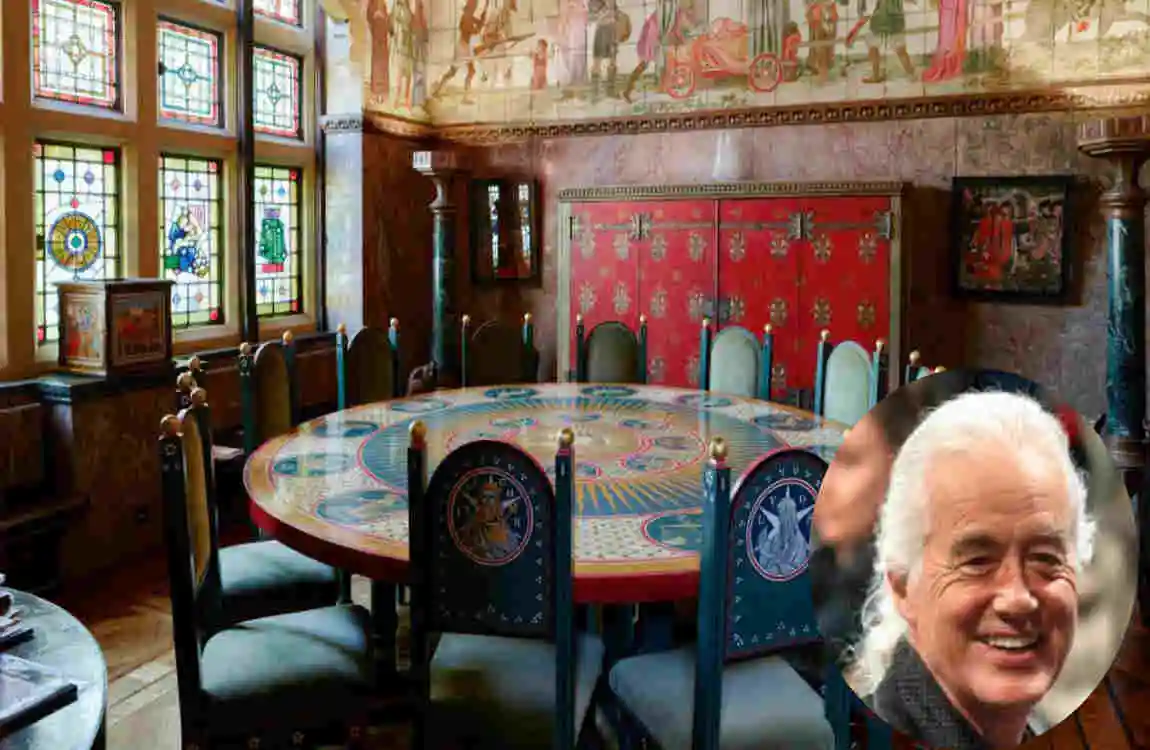
Step inside Jimmy Page’s house, and the magic really unfolds. The interiors mix luxury with whimsy, thanks to Burges’s clever designs. Rooms feel like sets from a fantasy film, with details that invite you to linger.
Take the grand drawing room—it’s a highlight with its high ceilings and baronial hall vibe. Then there’s the dining hall, adorned with elaborate carvings that make meals feel like feasts for royalty. Don’t forget the library, home to the famous zodiac seat, a bench decorated with star signs.
Burges also designed custom furniture, much of which now resides in museums such as the Victoria and Albert. Pieces like carved chairs and tables show his love for storytelling through wood and stone. Inside, you’ll find mosaics on floors and painted ceilings that add bursts of colour.
Why does this matter to you? These features turn a simple home into an inspiring space. For a rock star like Page, it was the perfect backdrop for creativity. Visualise yourself in these rooms— the air thick with history, every corner sparking ideas. It’s no wonder Tower House became known as Jimmy Page’s London home, a rock palace where art and music collide.
(Word count for section: approximately 520 words)
Jimmy Page’s Acquisition Saga
Owning Jimmy Page’s house wasn’t just a purchase—it was a quest. Jimmy Page, the Led Zeppelin guitarist, fell in love with Tower House long before he bought it. This saga shows his passion for history and how it is intertwined with his rock star life. Let’s explore how he made it his own.
The 1972 Purchase
In 1972, Jimmy Page spotted an opportunity to claim Tower House. He bought it for £350,000 from actor Richard Harris, who had owned it briefly. But get this—Page outbid none other than David Bowie, another music icon eyeing the property. This rivalry added drama to the deal, making it a rock ‘n’ roll showdown.
Page’s interest started years earlier, during his time with The Yardbirds. He admired William Burges’s work and saw Tower House as a dream home. At the time, Led Zeppelin was exploding in popularity, giving Page the means to afford such a gem. The house, located at 29 Melbury Road in Kensington, fit his vision perfectly—a Gothic escape in bustling London.
Why did Page want it so badly? It matched his fascination with Pre-Raphaelite art and mysticism. Harris, known for roles in films like “Camelot,” had used it as a party pad, but Page saw deeper potential. The purchase marked a new chapter, turning Jimmy Page’s house into a personal fortress amid his rising fame.
You can picture the excitement—Page walking through those doors for the first time, knowing he’d won a piece of history. This move wasn’t just about luxury; it was about creating a space that fueled his art.
Led Zeppelin Connections
Jimmy Page’s house pulses with Led Zeppelin’s spirit. Tower House wasn’t just a residence; it was a creative hub during the band’s peak. From riffs born in quiet corners to wild stories, this Kensington rock palace holds endless tales. Let’s dive into how it shaped the band’s legacy.
Creative Sanctuary
Between 1972 and 1975, Tower House became Jimmy Page’s creative oasis. Here, he brewed ideas for timeless hits like “Stairway to Heaven.” Imagine Page strumming his guitar in the drawing room, the Gothic surroundings inspiring epic solos.
Led Zeppelin used the house as a retreat from the chaos of touring. Jam sessions happened spontaneously, fueling albums like “Physical Graffiti.” Page often experimented with sounds, turning rooms into makeshift studios. The tower’s solitude helped him focus, away from the spotlight.
Why did this place spark such magic? Its mystical vibe matched the band’s style—think soaring melodies amid ancient architecture. Bandmates like Robert Plant dropped by to collaborate on lyrics and tunes.
What made it special? The house’s energy encouraged bold ideas. Fans love hearing how the tracks evolved here, making Jimmy Page’s house a spiritual pilgrimage site.
Stories abound of late nights where music flowed freely. Page’s home studio gear amplified the creativity, blending rock with the house’s historic charm.
Rock Palace Secrets
Tower House hides secrets that add to its allure as a Led Zeppelin rock palace. Epic parties drew celebrities, with tales of wild nights echoing through the halls. Page’s interest in Aleister Crowley brought an occult edge—rumours say rituals happened, tying into songs like “The Battle of Evermore.”
Contrast this with Page’s other property, Boleskine House, once owned by Crowley. Tower House felt more refined, a London base for urban adventures.
Here are some legendary anecdotes:
- Guest stars like Mick Jagger and Elton John attended bashes, sharing laughs and music.
- Rumoured track births—whispers suggest parts of “Kashmir” originated in the library.
- Occult vibes, fueled by Page’s collection of mystical artefacts.
These stories paint Jimmy Page’s house as a hub of rock excess and inspiration. No wonder it’s called Jimmy Page’s London home—a place where legends mingled, and myths were made.
Room-by-Room Virtual Tour
Ready for a sneak peek inside Jimmy Page’s house? We’ll take a virtual tour of Tower House, room by room. Using sensory details, I’ll guide you through, highlighting Zeppelin ties. For visuals, imagine optimised images like “Jimmy Page’s house exterior” with alt text describing the red-brick tower, or “tower house Kensington interior” showing the stained-glass glow.
To organise this, here’s a quick table summarising the rooms:
RoomDescriptionZeppelin Tie-InWord Allocation
Drawing Room Stained glass, baronial hall, feel Late-night songwriting hub 100 words.
Dining Room Medieval carvings, Zodiac chimney Band feasts post-gigs 100 words.
Library/Armoury Book-lined, weapon displays Page’s occult library 100 words.
Bedrooms/Studio Grand stair, custom gear Riff experimentation 100 words
Tower Suite Panoramic Kensington views Solitude for genius 100 words
Now, let’s expand on each. Feel the history as we go—it’s like stepping into Jimmy Page’s London home yourself.
Drawing Room: Enter the drawing room, and you’re hit with a baronial hall feel—high ceilings and stained glass windows casting rainbow patterns on Persian rugs. Ornate fireplaces roar with warmth, and velvet sofas invite lounging. Burges’s designs shine here, with gold-leaf details and mythical motifs on the walls. It’s grand yet cosy, perfect for gatherings. For Led Zeppelin, this became a late-night songwriting hub. Page would sit with his Les Paul, sketching riffs while the room’s acoustics amplified every note. Imagine the echo of “Whole Lotta Love” drafts filling the air—pure magic in this rock palace.
Dining Room: The dining room transports you to medieval times with intricate carvings on oak panels and a massive Zodiac chimney depicting star signs in stone—a long table seats dozens, surrounded by tapestries and candlelit sconces. The air smells of polished wood and history. Burges crafted it for feasts, and it delivers that royal vibe. Zeppelin ties? Band feasts post-gigs happened here—think celebratory meals after sold-out shows. Page and mates like Bonham would recount tours over wine, ideas for new tracks bubbling up amid laughter. This room fueled the camaraderie that defined their music.
Library/Armoury: Lined with towering bookshelves, the library doubles as an armoury with displays of antique weapons gleaming under soft lights. Leather-bound tomes on mysticism fill the space, and the zodiac settle bench adds astrological flair. It’s a quiet retreat, scented with old paper. Page’s occult library thrived here—books on Crowley and esoterica inspired lyrics and themes. Zeppelin connections run deep; Page pored over texts, weaving mystical elements into songs like “No Quarter.” This room was his think tank, where intellectual pursuits met rock innovation.
Bedrooms/Studio: Climb the grand staircase to bedrooms that blend luxury with functionality. Custom gear like amps and guitars turns a room into a studio, with velvet drapes muffling sound. High ceilings and four-poster beds evoke romance. Riff experimentation defined this space—Page tested ideas for “Achilles Last Stand” on his double-neck guitar. Late nights saw him layering tracks, the house’s isolation fostering focus. It’s where personal genius met band evolution, making these rooms core to Zeppelin’s sound.
Tower Suite: At the top, the Tower Suite offers panoramic views of Kensington through arched windows. A conical ceiling and simple furnishings create a serene escape. Fresh air and city buzz mix perfectly. For Page, it provided solitude for genius—moments of reflection birthed profound music. Away from chaos, he composed in peace, the height symbolising his lofty ambitions in rock.
Cultural Legacy Today
Tower House endures as a symbol of rock history, thanks to Jimmy Page’s house in Kensington. Its legacy goes beyond walls—it’s about preservation and cultural impact. Let’s see how it stands today.
Preservation and Privacy
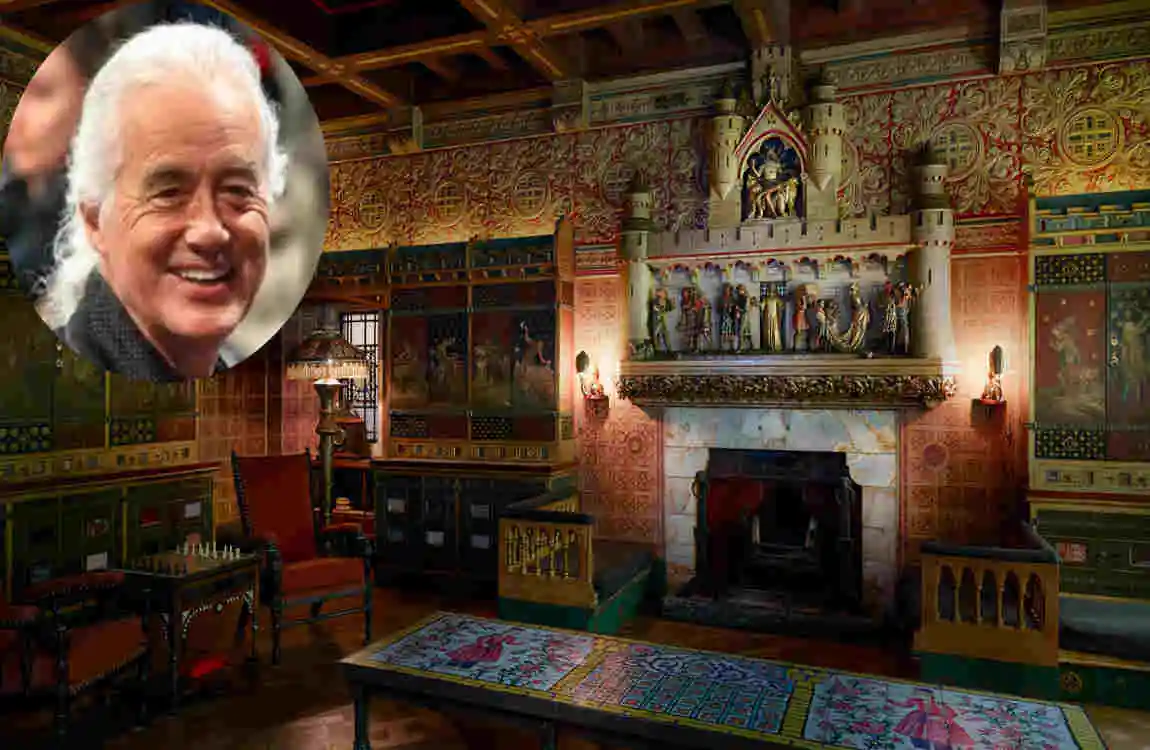
Today, Tower House remains a private sanctuary. Page continues his guardianship, ensuring restorations honour Burges’s vision. Rarely photographed, it stays mysterious, adding to its allure as a Led Zeppelin rock palace.
Page’s efforts have kept it in top shape, blending original features with subtle updates. This dedication shows his respect for history—no significant changes, just careful upkeep.
Why does privacy matter? In a world of paparazzi, Page values seclusion. The house isn’t open to the public, preserving its secrets for those who appreciate it from afar.
Visitor Insights
Can’t visit inside? No worries—nearby spots like Holland Park offer glimpses. Stroll Melbury Road for exterior views; it’s at 29 Melbury Road, a stone’s throw from Kensington High Street.
Compare it to other rock homes, like Freddie Mercury’s Garden Lodge nearby. Both exude star power, but Tower House’s Gothic edge sets it apart.
Where Does jimmy page Currently Live?
Jimmy Page primarily resides in London.
