
Waking up to slimy trails on your kitchen floor or discovering a slug in your bathroom can be a real head-scratcher. If you’ve ever wondered, “Why do I keep getting slugs in my house?” you’re far from alone. Every year, millions of homeowners search for answers to this exact problem. It’s not just the ick factor—slugs leave behind sticky trails, damage household plants, and sometimes even ruin carpets or furniture.
But what brings these slow-moving, moisture-loving creatures indoors? To understand the problem, it helps to know a bit about slug biology. Slugs are nocturnal molluscs—meaning they’re most active at night and thrive in damp, cool environments. They have a remarkable sense of smell and are driven by the search for food, water, and shelter. When outdoor conditions become too dry or cold—or if your home offers easy entry points—they’ll waste no time sneaking inside.
Why Slugs Invade Homes
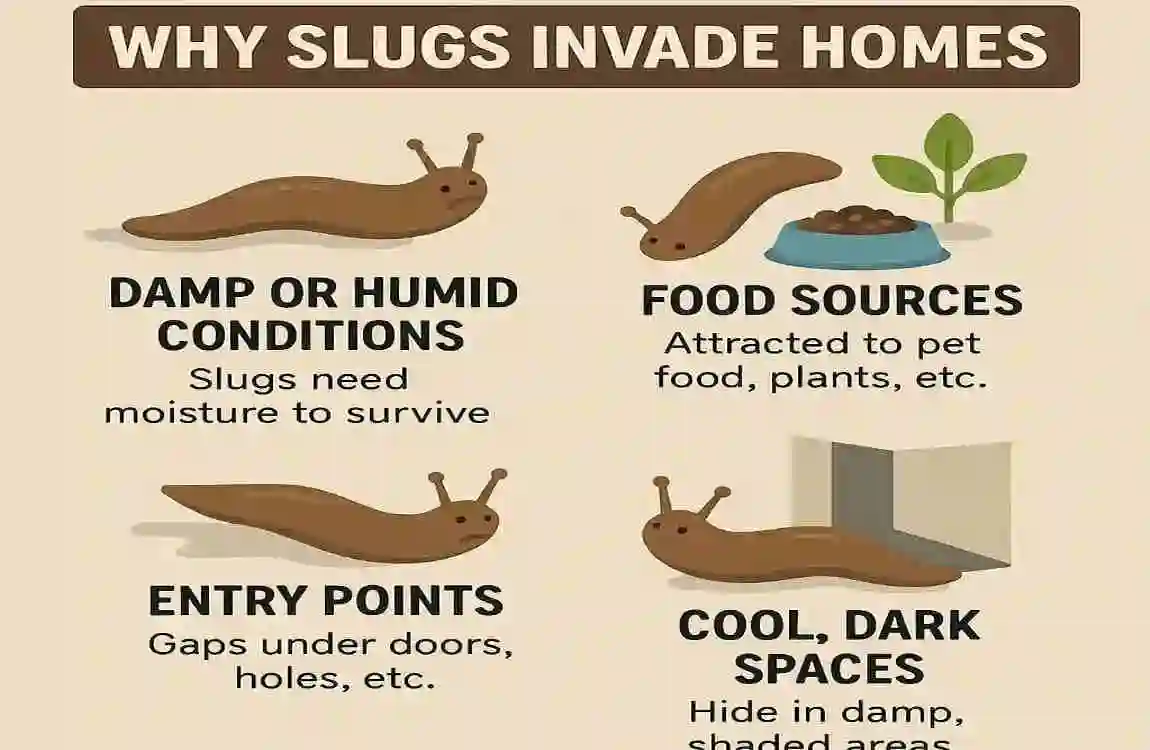
Understanding why you keep getting slugs in your house starts with looking at what draws them inside. Let’s break down the top causes, each with its own telltale signs and solutions.
Moisture and Damp Areas
Slugs love moisture. Their bodies need dampness to survive, and they dry out quickly in arid environments. That’s why they’re often found in bathrooms, basements, laundry rooms, and other humid spots. Even minor leaks or condensation can turn your stunning home into a magnet for slugs.
Familiar moisture sources include:
- Leaky or dripping pipes under sinks
- Condensation on windows and walls
- Poorly ventilated basements or crawl spaces
- Wet laundry left overnight
Signs you have a moisture problem:
- Slime trails near water sources
- Slugs appearing after rain
- Musty smells in certain rooms
Food Attractions
Slugs are surprisingly good at sniffing out food—even the tiniest crumbs. Your kitchen is a buffet if you leave out pet food, fruits, vegetables, or food scraps. They can also be drawn to decaying organic matter, including potted plants or compost bins.
Slugs in the house are related to food:
- Unsealed leftovers or pet bowls
- Overripe fruit on counters
- Spilt cereal or sugar
- Kitchen bins without tight lids
Quick tip: If you often find slugs in your kitchen at night, it’s almost always about food.
Seeking Warmth or Shelter
Slugs are sensitive to temperature changes. During cold snaps, dry spells, or heatwaves, they’ll venture indoors in search of a stable, sheltered environment. Your home offers a haven from harsh weather and predators.
Shelter-seeking behaviour includes:
- Hiding under door mats or inside vents
- Clustering in dark corners or under appliances
- Following cracks along the foundation
Seasonal Factors
Certain times of year, especially wet autumns or rainy springs, bring a spike in indoor slug sightings. Heavy rains drive slugs to higher, drier ground—sometimes right through your front door.
Watch for slugs indoors during:
- Prolonged rainy periods
- Sudden temperature drops
- After garden work, which may disturb slug habitats
Signs You Have a Slug Problem
- Slime trails on floors or carpets
- Small, dark, pellet-like droppings
- Damaged indoor plants
- Slugs are visible at night or early morning.
Table: Indoor vs. Garden Slugs
Factors Why It Attracts Slugs Common Home Spots
Moisture thrives in dampness, Basements, and bathrooms
Food Senses scraps Kitchens, pantries afar
Shelter Escapes weather under doors, vents
Identifying Slug Entry Points
Knowing how slugs get inside your home is half the battle. These creatures can squeeze through gaps as thin as a credit card! Here’s how to track down their favourite routes:
Step-by-Step Entry Point Checklist
- Scan exteriors at dusk: Slugs are most active in the evening. Walk around your home at sunset to spot them on the move.
- Use a flashlight for cracks: Shine a light along doors, windows, and foundations to reveal even the tiniest gaps.
- Check vents and seals: Inspect air vents, utility pipes, and cable entry points for unsealed gaps.
- Look for slime trails: Follow the shiny residue to trace their entry path.
- Test with diatomaceous earth: Sprinkle a fine line of diatomaceous earth (a natural, abrasive powder) near suspected entry points. If you see trails disturbed the next day, you’ve found their route.
Proven Fixes for a Slug-Free Home
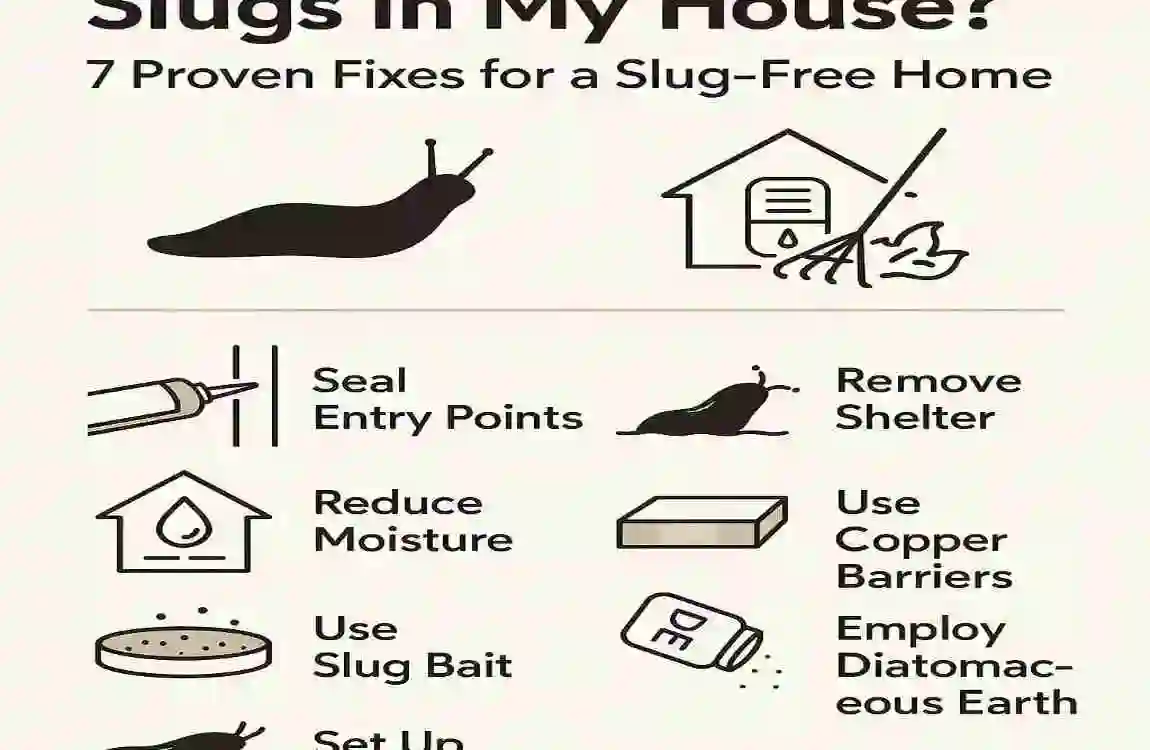
Ready to reclaim your home? Here are 7 proven fixes to stop slugs in their tracks. Each method is safe, practical, and recommended by pest control professionals.
Seal Entry Points
Sub-keywords: Slug entry points, prevent slugs indoors
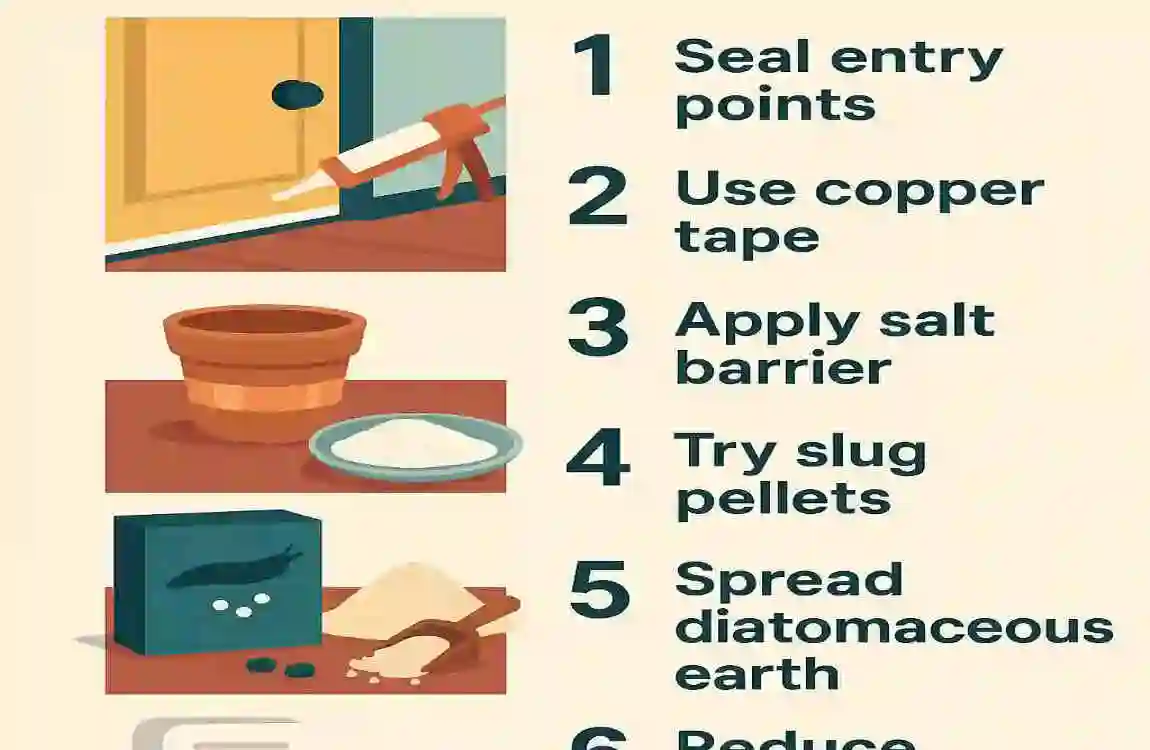
The best way to keep slugs out is to block their access. Carefully inspect your home’s exterior and interior for cracks, holes, and gaps—especially around doors, windows, and where pipes enter. Use caulk or expanding foam to seal small cracks, and weatherstrip doors and windows to eliminate drafts.
Quick steps:
- Fill gaps with silicone caulk or foam sealant
- Replace worn-out weatherstripping
- Install door sweeps on exterior doors
- Screen vents and ensure tight-fitting covers
Before and after:
Many homeowners notice an immediate drop in slug sightings after sealing up entry points.
Reduce Moisture
Sub-keywords: Moisture and slugs, damp home pests
Moisture is a magnet for slugs. By controlling humidity and fixing leaks, you’ll make your home far less appealing. Use a dehumidifier in damp rooms, repair leaky pipes, and ventilate bathrooms or basements. Ensure rainwater drains away from your foundation, and avoid leaving wet laundry or towels on the floor.
Checklist:
- Fix plumbing leaks promptly
- Run fans or dehumidifiers in humid rooms
- Open windows for airflow when the weather allows
- Use moisture-absorbing products in problem spots
Pet-friendly tip:
Choose dehumidifiers and moisture absorbers that are safe for pets and kids.
Eliminate Food Sources
Sub-keywords: Slugs in the kitchen at night, food attracts slugs
Slugs have a strong sense of smell. Remove their food supply by cleaning up crumbs, wiping counters nightly, and storing food in airtight containers. Don’t forget pet bowls and kitchen bins—these are common attractants.
Tips for a slug-proof kitchen:
- Sweep/vacuum floors daily
- Store pet food in sealed containers and elevate bowls overnight
- Keep fruit in the fridge or covered bowls
- Rinse recycling and garbage bins regularly
Before and after:
A spotless kitchen can stop slugs from returning, especially during wet weather.
Natural Barriers
Sub-keywords: Natural slug repellents, home slug control
Nature provides several safe barriers to keep slugs at bay. Salt is lethal to slugs but should be used sparingly and away from pets or plants. Copper tape (available at garden centres) gives slugs a mild electric shock when they cross it. Crushed eggshells or sand create rough surfaces that slugs hate to cross.
How to apply:
- Lay copper tape around door thresholds or windowsills
- Sprinkle crushed eggshells at entry points
- Use salt only as a last resort and avoid areas pets frequent
Safety note:
Copper tape and eggshells are pet-friendly; salt can harm plants and pets if used in excess.
Beer Traps
Sub-keywords: Beer traps for slugs, home slug removal
Believe it or not, slugs are attracted to beer. You can set simple traps by burying shallow dishes at floor level and filling them with beer. Slugs crawl in and drown.
How-to:
- Use a small plastic or ceramic dish
- Bury it so the rim is flush with the ground near slug entry points
- Fill with beer and check daily
Before and after:
You’ll notice fewer slugs almost immediately. Beer traps are best for occasional infestations.
Diatomaceous Earth
Sub-keywords: Safe slug deterrents, natural pest control
Diatomaceous earth is a fine, abrasive powder made from fossilised algae. It dries out and kills slugs without chemicals. Sprinkle a thin line around entryways, under sinks, or behind appliances.
Application tips:
- Choose food-grade diatomaceous earth
- Reapply after cleaning or if it gets wet
- Safe for homes with pets and children
Bonus:
It also deters ants, roaches, and other crawling pests!
Encourage Predators
Sub-keywords: Outdoor slug prevention, slug-resistant gardens
Natural predators like birds, frogs, hedgehogs, and ground beetles can help control slug populations outdoors—cutting down on those that might wander inside. Make your garden welcoming to these helpers by planting native shrubs, providing water sources, and avoiding pesticides.
Predator-friendly garden tips:
- Leave small brush piles or log stacks for beetles
- Install a birdbath or pond feature
- Plant slug-resistant species like lavender, rosemary, or ferns
Long-term benefit:
Reducing outdoor slug numbers keeps your home slug-free year-round.
Prevention Maintenance
Prevention is key to long-term success. Make slug checks part of your monthly home care routine:
- Regularly inspect for new cracks or gaps—especially after bad weather.
- Declutter storage areas to eliminate hiding spots.
- Keep the garden tidy: Remove debris, fallen leaves, and old plant pots.
- Monitor moisture levels and address leaks quickly.
By staying proactive, you’ll keep your home inhospitable to slugs—now and in the future.
