
Imagine stepping out of a steamy shower onto a floor that feels just right – not too slippery, not too cold, and built to last through years of splashes and spills. Wondering what type of floor is best in a bathroom to handle all that moisture, daily wear, and the occasional slip? You’re not alone. Bathrooms are one of the trickiest rooms in the house when it comes to flooring. They face constant humidity, water puddles, and foot traffic that can turn a poor choice into a mouldy mess or a safety hazard.
Why Bathroom Floors Need Special Materials
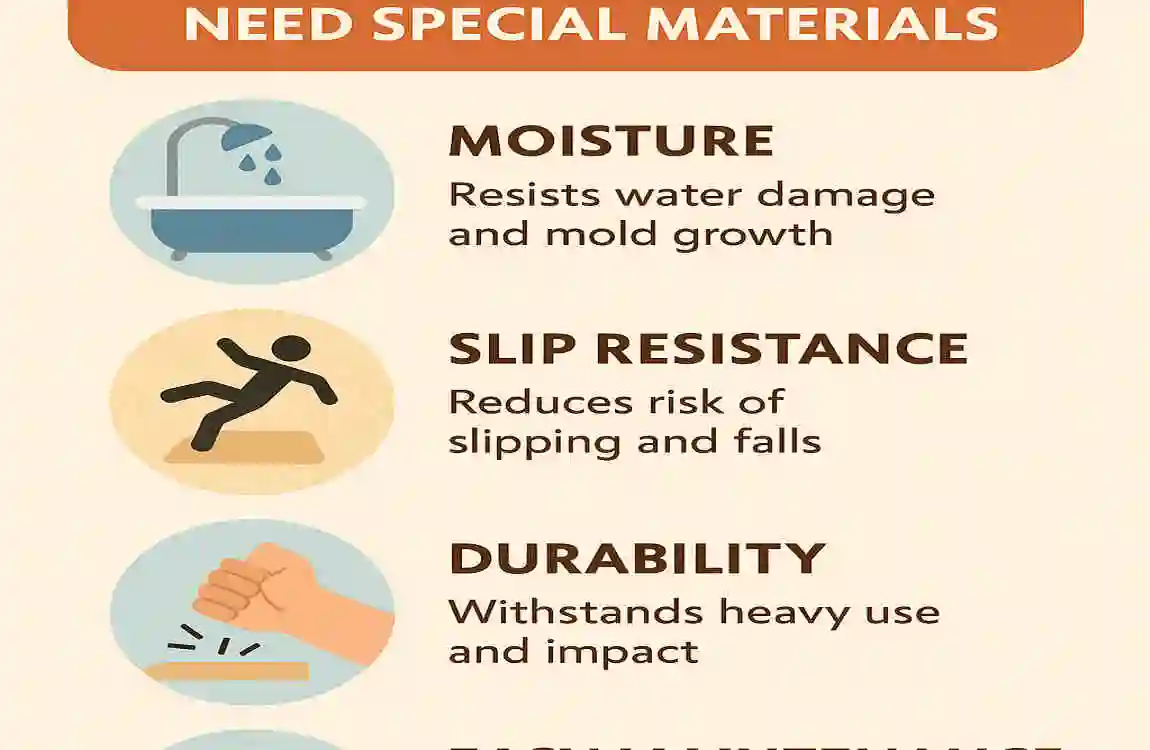
Bathrooms throw unique challenges at flooring that you won’t find in a living room or kitchen. High humidity hangs in the air like a fog, ready to warp anything not built for it. Spills happen daily – from toothpaste drips to full-on shower overflows. And let’s not forget the frequent cleaning with harsh chemicals to keep things sanitary.
These conditions demand materials that fight back. Water resistance is the star player here. It prevents mould growth and structural damage by repelling moisture rather than absorbing it. Imagine a floor that stays dry and intact, even after years of use. That’s the goal.
Next up is slip resistance. Wet floors are slippery floors, and falls are a real risk. According to health experts, textured surfaces can reduce accidents by providing better grip. Think about how reassuring it is to step confidently without that heart-stopping slide.
Durability comes into play, too. Bathrooms see heavy traffic from kids splashing around, pets tracking in water, or just everyday routines. You want a floor that withstands scratches, dents, and fading without needing constant fixes.
Maintenance shouldn’t be a chore either. Easy-to-clean options mean no endless scrubbing or refinishing. A quick wipe-down keeps things fresh, saving you time and hassle.
Cost and aesthetics tie it all together. You might splurge on a luxurious look or go budget-friendly, but the material has to balance beauty with practicality. After all, your bathroom should feel like a retreat, not a battleground.
Let’s talk numbers. Falls in bathrooms cause thousands of injuries yearly, per CDC data, highlighting why slip-resistant features matter. And with remodelling on the rise, choosing the right floor can boost your home’s value.
These factors aren’t just nice-to-haves; they’re essentials for a functional space. Picture your ideal bathroom – does it include a floor that’s tough, safe, and stylish?
Transitioning to our top picks, we’ll see how options like porcelain tile and LVP tackle these challenges head-on. They balance style and function, making them house-friendly choices for any remodel.
Humidity isn’t the only villain. Frequent water exposure can lead to warping in lesser materials, turning your floor into a wavy disaster. That’s why selecting something with a dense, impermeable structure is key.
For families, durability against playful chaos is crucial. Kids dropping toys or running around – your floor needs to handle it without chipping or staining.
Maintenance ease means more time enjoying your space. No one wants to spend weekends on their knees sealing or polishing.
Aesthetics play a significant role, too. You want a floor that complements your decor, whether it’s modern minimalism or cosy rustic.
In short, bathroom floors must be warriors against moisture and wear. Ready to meet the champions?
Top Recommendation: Porcelain and Ceramic Tile
When it comes to the best bathroom flooring options, porcelain tile reigns supreme. It’s like the reliable friend who’s always got your back in challenging situations. Made from dense clay fired at high temperatures, it offers unmatched performance in wet environments.
This material has been a go-to for years, and in 2026, it’s evolving with trendy designs. But why does it top our list of the best types of bathroom flooring? Let’s break it down.
Pros and Features
Porcelain tile boasts 100% waterproofing thanks to its non-porous body. Water beads up on the surface rather than soaking in, helping prevent mould and mildew. That’s a massive win for humid bathrooms.
Endless design options make it versatile. From large-format slabs that minimise grout lines to textured patterns that mimic wood or stone, you can achieve any look. In 2026, expect bold colours and geometric shapes to dominate.
Slip-resistant ratings add safety. Look for tiles with a Dynamic Coefficient of Friction (DCOF) over 0.42 – they provide excellent grip even when wet. No more tiptoeing around puddles.
It’s incredibly durable, too. Porcelain withstands heavy foot traffic, dropped toiletries, and even pet claws without scratching easily.
Aesthetics? Stunning. You can go for a spa-like vibe with matte finishes or a glossy shine for glamour.
Installation flexibility is another plus. It works on floors, walls, and even showers, creating a cohesive space.
Imagine installing it in your home – the peace of mind that comes with knowing it’s built to last.
Cons, Costs, Installation
Of course, no option is perfect. Porcelain can feel cold underfoot, especially in winter. A simple rug or heated mat solves this, though.
Grout lines need to be sealed to remain waterproof, which adds a maintenance step. Costs range from $5 to $15 per square foot installed, depending on quality and labour.
Installation isn’t always DIY-friendly. Pros recommend it for uneven subfloors, but if you’re handy, tutorials can guide you through cutting and laying tiles.
Expect to pay more for Premium brands, but the longevity justifies it.
Think about your budget – is the upfront cost worth decades of reliability?
Best For
Porcelain shines in high-end homes and full bathrooms with showers. It’s ideal for those seeking a luxurious, timeless feel.
Real examples include a master bath with large grey porcelain tiles for a modern edge, or a kids’ bathroom with colourful patterns to hide dirt.
If your space sees a lot of action, this is your match. Families love its toughness, and designers praise its style versatility.
Visualise it in your remodel – elegant, enduring, and effortless.
Porcelain isn’t just functional; it’s a statement. Pair it with underfloor heating for ultimate comfort.
In 2026, eco-friendly porcelain made from recycled materials is gaining traction, appealing to green-minded homeowners.
Strong Runner-Up: Luxury Vinyl Plank (LVP)
If porcelain feels too traditional, luxury vinyl plank (LVP) steps up as a strong contender. It’s the modern alternative that’s taking over bathroom flooring pros and cons discussions. Affordable and stylish, it mimics pricier materials without the hassle.
LVP has surged in popularity for its practicality. Wondering if it’s right for your waterproof bathroom floors needs? Let’s explore.
Pros and Features
At its core, LVP features a waterproof layer that laughs off spills and humidity—no warping or swelling here—making it perfect for steamy spaces.
It nails the look of wood or stone without the maintenance. Realistic textures and colours make it hard to tell from the real thing.
Warmer and softer underfoot than tile, it’s comfy for barefoot mornings. Plus, it’s scratch-resistant, standing up to everyday wear and tear.
Budget-friendly at $3 to $8 per square foot, it offers excellent value. In 2026, advanced prints are making it even more appealing.
Noise reduction is a bonus – it absorbs sound better than hard surfaces.
Easy to clean? Absolutely. A sweep and mop keep it pristine.
Picture it in your home: stylish, forgiving, and family-ready.
Cons, Costs, Installation
Drawbacks include a less Premium feel compared to natural materials. It might not impress in ultra-luxury settings.
Costs are low, but quality varies – cheaper options wear faster.
Click-lock installation makes it a DIY dream. No glue or nails needed; snap planks together over most subfloors.
Professionals can handle it quickly, keeping labour costs down.
Weigh the ease against the longevity – it’s a trade-off.
Best For
LVP excels in family homes and rentals. Its durability suits kids and pets, while the price tag fits tight budgets.
With a surge in popularity in 2026, it’s ideal for quick remodels. Think apartments or starter homes needing a fresh look fast.
Examples include a powder room with wood-look LVP for warmth, or a guest bath with stone patterns for elegance on a dime.
If you want hassle-free style, this is it. How does it fit your vision?
LVP’s versatility extends to underfloor heating compatibility, adding luxury without breaking the bank.
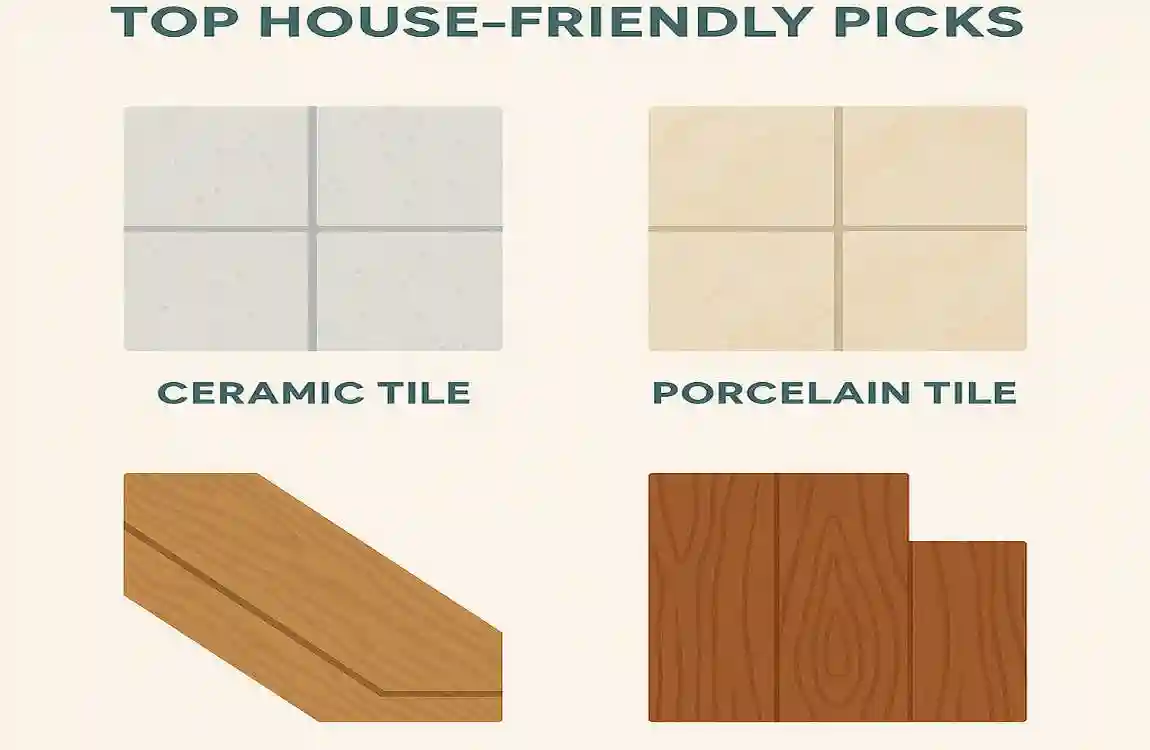
Other House-Friendly Picks
Beyond the top two, several of the best bathroom flooring options deserve a spot in your consideration. These alternatives cater to a range of needs, from ultra-affordable to luxurious. Let’s dive into them and weigh the pros and cons of bathroom flooring.
Each has its niche, so think about your priorities as we go.
Sheet Vinyl
Sheet vinyl is the budget champion for waterproof bathroom floors. It comes in large rolls, creating a seamless surface that blocks water entirely.
Affordable at $2 to $7 per square foot, it mimics tile or wood without the cost. Installation is straightforward, often glued down for a tight fit.
Pros include easy cleaning and cushioning underfoot. It’s great for hiding subfloor imperfections, too.
Cons? It can tear if not handled carefully, and styles might look dated over time.
Best for small bathrooms or quick fixes. Imagine rolling it out for an instant upgrade.
Natural Stone e.g., Marble, Travertine
For a touch of opulence, natural stone like marble or travertine brings elegance. These materials offer unique veining and textures that scream luxury.
However, they’re porous, so regular sealing is a must to maintain water resistance. Costs run $8 to $20 per square foot, reflecting their Premium status.
Pros: Timeless beauty and high durability when cared for. Slip resistance varies, but textured options help improve it.
Cons: High maintenance and potential for staining. Not ideal for high-moisture areas without effort.
Suits high-end remodels where aesthetics trump ease. Picture a spa-inspired bath with polished marble – stunning, right?
Stone’s natural variations make each installation one-of-a-kind, adding character.
But annual sealing is key to preventing issues. Is the upkeep worth the wow factor for you?
Engineered Wood or Waterproof Laminate
Engineered wood or waterproof laminate offers a woodsy warmth with some moisture protection. They’re better than solid hardwood but still limited in full bathrooms.
Priced at $4 to $10 per square foot, they provide a cosy feel. The engineered version has a plywood base with a veneer top, resisting humidity somewhat.
Pros: Natural look and comfort. Waterproof laminates add extra barriers.
Cons: Avoid in shower areas; they can still warp if soaked.
Best for half-baths or low-moisture zones. Think powder rooms with a rustic vibe.
Avoid These
Some options are outright no-gos. Carpet absorbs water like a sponge, breeding mould and odours. Hardwood warps easily and requires too much upkeep.
Steer clear to avoid regrets. Focus on waterproof champs instead.
Here’s a quick pros/cons list for these picks:
- Sheet Vinyl: Pros – Cheap, seamless; Cons – Can look cheap, prone to tears.
- Natural Stone: Pros – Luxurious, durable; Cons – Needs sealing, expensive.
- Engineered Wood: Pros – Warm, stylish; Cons – Limited water resistance.
These options round out your choices, ensuring something for every home.
Comparison Table
To make your decision easier, let’s compare the top bathroom flooring options side by side. This table highlights key factors like water resistance, cost, and more. Use it to see how they stack up for your needs.
Flooring TypeWater ResistanceCost/Sq FtSlip ResistanceMaintenanceLifespan
Porcelain Tile Excellent $5-15 High (textured) Seal grout 50+ years
LVP Excellent $3-8 Medium-High Sweep/mop 15-25 years
Sheet Vinyl Excellent $2-7 Medium Mop only 10-20 years
Natural Stone Good (sealed) $8-20 Varies Reseal often 30+ years
Analysing this, porcelain tile wins for longevity and all-around performance. It’s the tank of bathroom floors, lasting decades with minimal fuss. If you’re in it for the long haul, this is your pick.
LVP shines in value, offering excellent water resistance at a lower price. It’s perfect if you want affordability without sacrificing style. Notice how its maintenance is the easiest – just a quick clean keeps it going.
Sheet vinyl edges out on budget, making it ideal for rentals or starter projects. But its shorter lifespan means you might replace it sooner.
Natural stone provides that Premium feel, but the ongoing sealing bumps up the effort. Its variable slip resistance calls for careful selection.
Overall, porcelain leads for most homes due to its balance of durability and safety. LVP follows closely for budget-conscious folks. Which row speaks to you?
This comparison shows there’s no one-size-fits-all. Factor in your lifestyle – busy family? Go durable. Tight budget? Opt for vinyl.
Remember, costs include installation, so get quotes. And for slip resistance, always test samples in wet conditions.
In the end, porcelain’s excellence in water resistance and longevity make it the top choice for the best type of floor in a bathroom. But LVP’s value is hard to beat.
2026 Trends and Tips
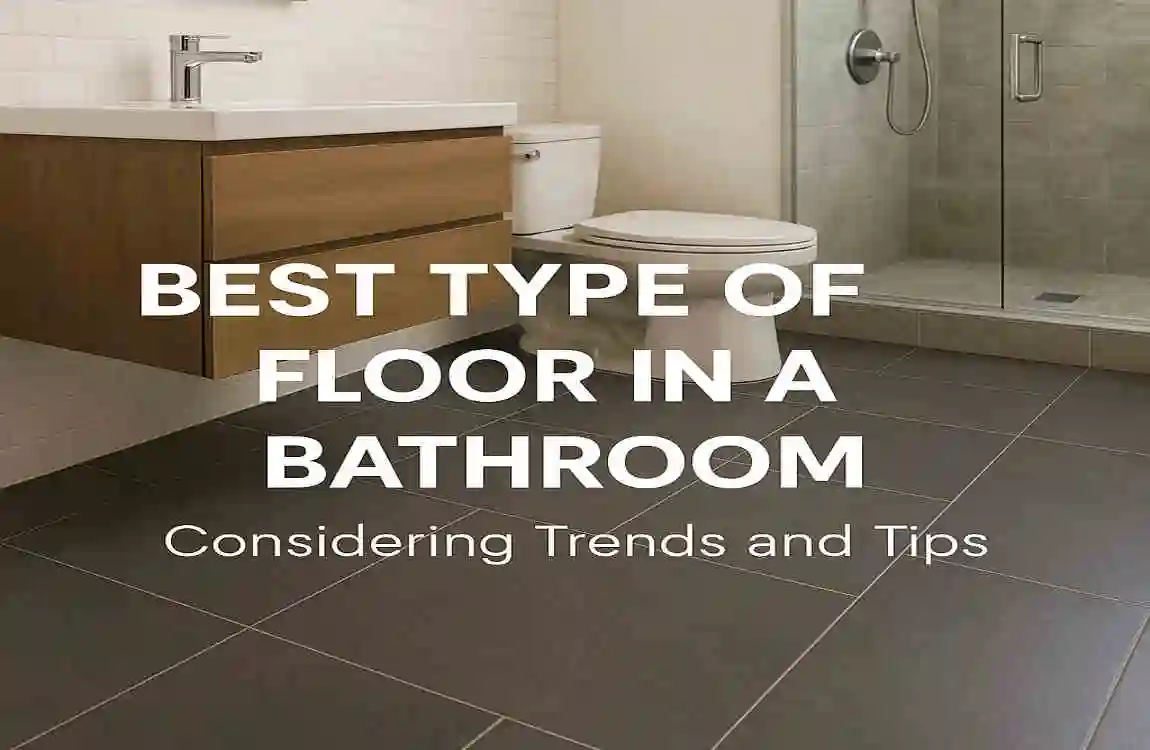
2026 is all about blending style with smarts in the best bathroom flooring options. Large-format tiles are huge – think fewer grout lines for a sleek, modern look. Coastal blues and earthy tones dominate, bringing the beach indoors.
Eco-friendly materials are rising too. Recycled porcelain or sustainable vinyl appeal to green homeowners, reducing environmental impact without skimping on quality.
Innovative features like heated floor mats add a touch of luxury. Imagine warm toes on chilly mornings – a game-changer.
For tips, follow a maintenance checklist: Weekly mopping with mild soap, annual grout sealing for tiles, and immediate spill cleanup to prevent stains.
Choose slip-resistant textures for safety, especially in homes with kids or seniors.
Incorporate underfloor heating for comfort in colder climates.
Trends point to textured surfaces for better grip, aligning with safety priorities.
Mix materials, like LVP in dry areas and tile in wet zones, for a customised function.
Stay ahead by watching for antimicrobial coatings in new products – they fight bacteria naturally.
