

When designing your dream home, one of the most important factors to consider is the size of your bedrooms. What is the standard size of a bedroom? This is a question that homeowners, architects, and interior designers often ask themselves. Understanding standard bedroom dimensions can make a massive difference in your home’s overall layout and functionality.
We’ll cover everything from the basics of bedroom dimensions to official guidelines and industry standards. We’ll also discuss ideal bedroom sizes for different room types, how bedroom size affects design and functionality, and modern trends in bedroom sizing.
Understanding Bedroom Dimensions: Basics and Terminology
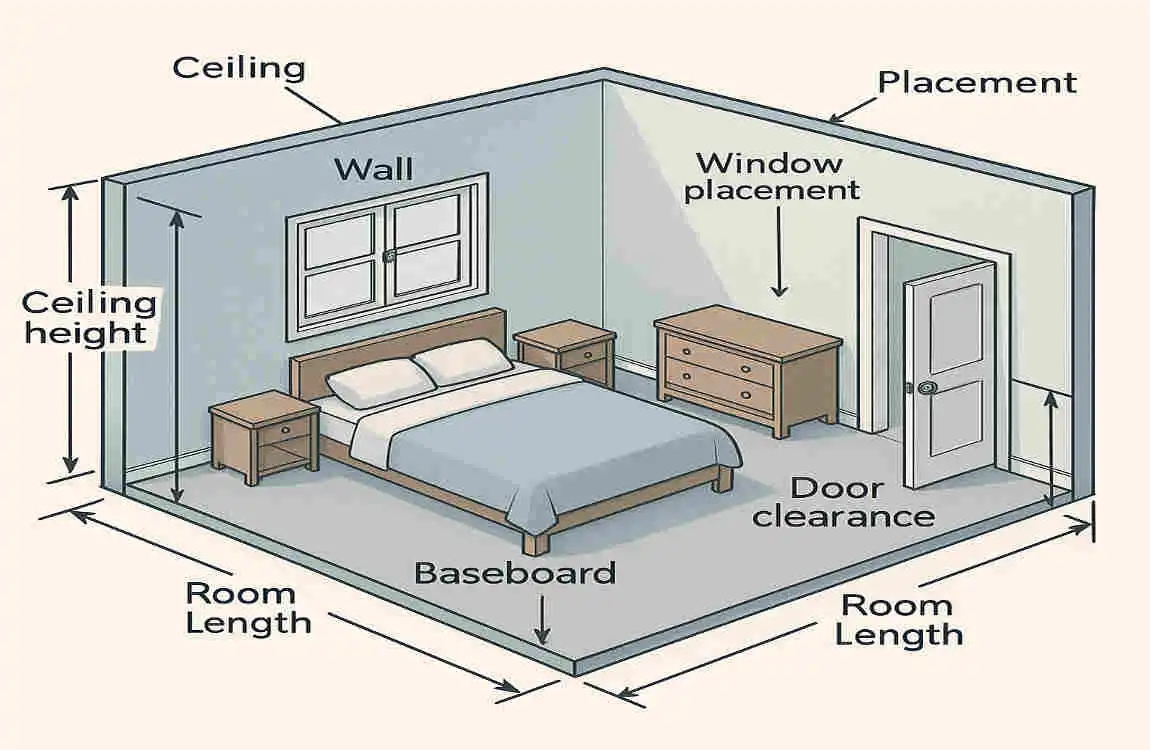
Before we dive into the specifics of bedroom sizes, let’s start with the basics. When we talk about bedroom dimensions, we’re referring to the room’s length, width, and height. The standard size of a bedroom can vary depending on factors such as building codes, housing standards, and regional preferences.
It’s also important to understand that different types of bedrooms may have different size expectations. For example, a main bedroom is typically larger than a guest bedroom or a child’s room. The size of the bedroom can also impact the overall layout and functionality of your home, so it’s crucial to consider these factors when planning your space.
What Is the Standard Size of a Bedroom? Official Guidelines and Industry Standards
When determining the standard size of a bedroom, several official guidelines and industry standards should be considered. The International Residential Code (IRC) is one such guideline that sets minimum requirements for bedroom size. According to the IRC, a bedroom must be at least 70 square feet and have a minimum dimension of 7 feet in any direction.
However, these minimum requirements may vary by location and local regulations. In some regions, the standard bedroom size may exceed the minimum requirements set by the IRC. For example, in the United Kingdom, the standard bedroom size is typically around 120 square feet, with a minimum dimension of 8 feet in any direction.
It’s also important to note that these standards may apply differently to new builds versus renovations. When renovating an existing space, you can work with smaller bedroom sizes, as long as they meet the minimum requirements set by your local building codes.
Ideal Bedroom Dimensions for Different Room Types
Now that we’ve covered the basics of bedroom dimensions and industry standards, let’s explore the ideal bedroom sizes for different room types.
Main Bedroom
The main bedroom is often the largest in the house, and for good reason. This is your personal sanctuary, where you can relax and unwind after a long day. The standard size of a main bedroom typically ranges from 12×14 feet to 15×20 feet, depending on your preferences and the overall size of your home.
When planning your main bedroom, consider furniture placement, storage solutions, and walking space. You’ll want to ensure that you have enough room for your bed, nightstands, dressers, and any other furniture you may need. Consider incorporating an en-suite bathroom or walk-in closet within the main bedroom dimensions.
Guest Bedroom
In guest bedrooms, the standard size is typically smaller than that of a main bedroom. A guest bedroom should be comfortable and inviting, but it doesn’t need to be as large as your personal sleeping space. The standard size of a guest bedroom typically ranges from 10×12 feet to 12×14 feet, depending on your preferences and the overall size of your home.
When planning your guest bedroom, consider factors such as bed size, storage solutions, and walking space. You’ll want to ensure that your guests have enough room to move around comfortably and store their belongings. Consider incorporating a small seating area or desk within the guest bedroom dimensions.
Kids’ Bedrooms
In kids’ bedrooms, the standard size is typically smaller than that of a master or guest bedroom. However, it’s essential to consider the fact that children grow and their needs change over time. The standard size of a kids’ bedroom typically ranges from 10×10 feet to 12×12 feet, depending on your preferences and the overall size of your home.
When planning your kids’ bedroom, consider factors such as bed size, storage solutions, and play space. You’ll want to ensure that your child has enough room to sleep, play, and store their belongings. Consider incorporating a study area or reading nook within the kids’ bedroom dimensions.
Small Bedrooms and Bonus Rooms
In some cases, you may need to work with smaller bedroom sizes or bonus rooms that can be converted into sleeping spaces. The standard size of a small bedroom or bonus room typically ranges from 8×10 feet to 10×12 feet, depending on your preferences and the overall size of your home.
When planning a small bedroom or bonus room, consider factors such as bed size, storage solutions, and walking space. You’ll want to ensure you have enough room for a bed and any necessary furniture while still maintaining a comfortable, functional space. Consider incorporating space-saving solutions, such as loft beds or built-in storage, within the small bedroom or bonus room.
How Bedroom Size Affects Design and Functionality
The size of your bedroom can significantly impact its overall design and functionality. Let’s explore how bedroom size affects these factors.
Furniture Placement and Space Planning
One of the most important aspects of bedroom design is furniture placement and space planning. The size of your bedroom will determine how much furniture you can comfortably fit and how you can arrange it to create a functional and inviting space.
When planning your bedroom furniture, consider the sizes of your bed, dresser, and nightstand. You’ll want to ensure that you have enough room to move around comfortably and access your furniture without feeling cramped. Consider adding storage solutions, such as under-bed drawers or built-in closets, to maximize your space.
Storage Solutions and Walking Space
Another important aspect of bedroom design is storage solutions and walking space. The size of your bedroom will determine how much storage you can incorporate and how much walking space you can maintain.
When planning your bedroom storage, consider factors such as closet and dresser sizes, as well as under-bed storage. You’ll want to ensure that you have enough space to store your belongings without feeling cluttered. Consider incorporating space-saving solutions such as built-in shelving or hanging organizers to maximize your storage capacity.
When it comes to walking space, you’ll want to ensure that you have enough room to move around comfortably without feeling cramped. The standard recommendation is to have at least 30 inches of walking space around your bed and other furniture. However, this may vary depending on the size of your bedroom and your personal preferences.
Window Size, Natural Lighting, and Ventilation
The size of your bedroom can also impact factors such as window size, natural lighting, and ventilation. These elements are crucial for creating a comfortable and inviting sleeping space.
When planning your bedroom windows, consider factors such as window size, placement, and orientation. You’ll want to ensure you have enough natural light to create a bright, airy space. Consider incorporating energy-efficient windows to help regulate temperature and reduce your energy costs.
When it comes to ventilation, ensure you have enough airflow to keep your bedroom cool and comfortable. This may involve incorporating ceiling fans, air vents, or other ventilation solutions within your bedroom design.
Ceiling Height and Bedroom Floor Area
Finally, the size of your bedroom can impact the relationship between ceiling height and bedroom floor area. These two elements work together to create a sense of space and openness within your sleeping sanctuary.
When planning your bedroom ceiling height, consider factors such as room size, furniture height, and overall aesthetic. The standard recommendation is a ceiling height of at least 8 feet, though this may vary depending on your personal preferences and the overall size of your home.
When it comes to the bedroom floor area, you’ll want to ensure you have enough space to accommodate your furniture and create a comfortable, functional sleeping space. The standard recommendation is to have at least 70 square feet of floor area, but this may vary depending on your personal preferences and the overall size of your home.
Modern Trends in Bedroom Sizes for Contemporary House Designs
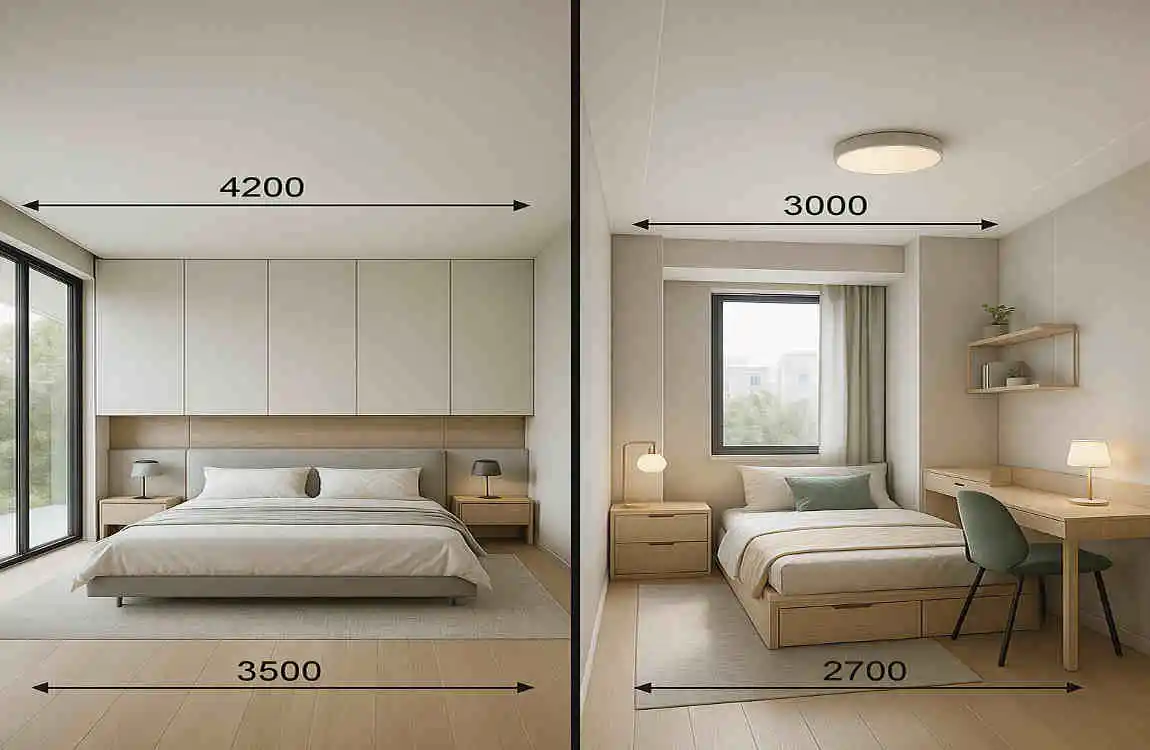
As our lifestyles and preferences evolve, so do the trends in bedroom sizes for contemporary house designs. Let’s explore some modern trends shaping how we think about bedroom dimensions.
Lifestyle Changes and Bedroom Sizing
One of the most significant factors influencing modern bedroom sizes is the way our lifestyles have changed over time. With the rise of remote work and the need for multi-purpose spaces, many homeowners are seeking larger bedrooms that can accommodate a home office or study.
When planning your bedroom size, consider your work-from-home needs and the time you spend in your bedroom. Consider incorporating a desk or workspace within your bedroom to create a functional, efficient space.
Minimalist and Space-Saving Bedroom Designs
Another modern trend in bedroom sizes is the rise of minimalist and space-saving designs. With the growing popularity of tiny homes and compact living spaces, many homeowners are seeking ways to maximize their bedroom space without sacrificing style or comfort.
When planning your minimalist or space-saving bedroom, consider furniture size, storage solutions, and the overall aesthetic. Consider incorporating multifunctional furniture, such as a bed with built-in storage or a desk that folds away when not in use. Consider incorporating space-saving solutions such as built-in shelving or hanging organizers to maximize your storage capacity.
En-Suite Bathrooms and Walk-In Closets
Another modern trend in bedroom sizes is the incorporation of en-suite bathrooms and walk-in closets within the bedroom dimensions. These luxurious additions can add a touch of elegance and convenience to your sleeping sanctuary.
When planning your en-suite bathroom or walk-in closet, consider factors such as size, layout, and overall aesthetic. You’ll want to ensure that you have enough space to accommodate your bathroom fixtures and closet storage without feeling cramped. Consider incorporating space-saving solutions such as a compact sink or a built-in closet organizer to maximize your space.
Open Floor Plans and Compact Housing
Finally, the rise of open floor plans and compact housing has significantly impacted modern bedroom sizes. With the growing popularity of open-concept living spaces, many homeowners are seeking ways to create a seamless flow between their bedrooms and other areas of their homes.
When planning your bedroom size within an open floor plan or compact housing, consider factors such as privacy, noise reduction, and overall aesthetic. Consider incorporating room dividers or sliding doors to create a sense of separation between your bedroom and other areas of your home. Consider incorporating space-saving solutions, such as a Murphy bed or a loft bed, to maximize your bedroom space in a compact house.
Tips for Measuring and Planning Bedroom Sizes
Now that we’ve explored the factors that can affect bedroom size, let’s discuss practical tips for measuring and planning your bedroom dimensions.
How to Accurately Measure an Existing Bedroom
If you’re renovating an existing bedroom, the first step is to accurately measure the space. To do this, you’ll need a tape measure, a notepad, and a pencil.
Start by measuring the length and width of your bedroom, noting any irregularities or obstacles, such as windows, doors, or built-in furniture. Then, measure the height of your ceiling to determine the overall volume of your space.
Once you’ve taken your measurements, create a rough sketch of your bedroom layout, including the location of any windows, doors, or built-in furniture. This will help you visualize your space and plan your furniture placement and storage solutions.
Tools and Methods for Planning Bedroom Dimensions During Home Design
If you’re planning a new build or significant renovation, you’ll need to use tools and methods to plan your bedroom dimensions during the home design process. There are several options available, depending on your budget and level of expertise.
One option is to use a bedroom size calculator or floor planning software to help you visualize your space and experiment with different layouts. These tools can be invaluable if you’re working with a complex or irregularly shaped bedroom.
Another option is to work with a professional architect or interior designer to plan your bedroom dimensions and create a functional, inviting space. These professionals can offer valuable insights and recommendations based on their experience and expertise.
Practical Tips for Maximizing Small Bedroom Spaces
If you’re working with a small bedroom or bonus room, there are several practical tips to maximize your space and create a comfortable, functional sleeping sanctuary.
- Use multifunctional furniture: Look for pieces that serve multiple purposes, such as a bed with built-in storage or a desk that folds away when not in use.
- Incorporate space-saving solutions, such as built-in shelving, hanging organizers, or under-bed drawers, to maximize your storage capacity.
- Optimize your layout: Experiment with furniture arrangements to find the most efficient, functional layout for your space. Consider using a bed with a headboard that doubles as a room divider, or a desk that can be tucked away in a corner.
- Use light colors and mirrors: They can help create a sense of space and openness in a small bedroom. Consider using a light-colored paint or wallpaper, and incorporate mirrors to reflect light and create the illusion of a larger space.
Common Mistakes in Bedroom Size Planning and How to Avoid Them
When planning your bedroom size, there are several common mistakes that you’ll want to avoid. Let’s explore some of these mistakes and discuss how to prevent them.
Underestimating Furniture Size and Circulation Space
One of the most common mistakes in bedroom planning is underestimating the size of your furniture and the circulation space you’ll need. This can lead to a cramped and uncomfortable sleeping space that feels cluttered and disorganized.
To avoid this mistake, take the time to measure your furniture and plan your layout carefully. Consider the sizes of the bed, dresser, and nightstand, and ensure you have enough circulation space to move around comfortably.
Ignoring Minimum Local Code Requirements
Another common mistake in bedroom size planning is ignoring the minimum local code requirements. These requirements can vary by location and affect the overall size and layout of your bedroom.
To avoid this mistake, research the minimum local code requirements for bedroom size in your area. Work with a professional architect or interior designer who can help you navigate these requirements and ensure that your bedroom meets all necessary standards.
Failing to plan for Storage, Lighting, and Electrical Outlets
A third common mistake in bedroom size planning is failing to plan for storage, lighting, and electrical outlets. These elements are crucial for creating a functional and comfortable sleeping space, and neglecting them can result in a cluttered, inconvenient bedroom.
To avoid this mistake, take the time to plan your storage solutions, lighting, and electrical outlets carefully. Consider factors such as closet and dresser sizes, and under-bed storage, and ensure you have enough lighting and electrical outlets to meet your needs.
Overlooking Future Adaptability of Bedroom Space
Finally, a fourth common mistake in bedroom size planning is overlooking the future adaptability of your bedroom space. As your needs and preferences change over time, you may find that your bedroom no longer meets your requirements.
To avoid this mistake, consider the future adaptability of your bedroom space when planning your dimensions. Consider factors such as your family size, work-from-home needs, and overall lifestyle, and ensure your bedroom can accommodate these changes over time.
Cost and Value Considerations Related to Bedroom Size
When planning your bedroom size, it’s essential to consider the cost and value implications of your decisions. Let’s explore the factors that can affect the cost and value of your bedroom.
How Bedroom Size Influences Home Construction and Remodeling Costs
One of the most significant factors affecting the cost of your bedroom is its size. Larger bedrooms typically require more materials and labor to construct or remodel, which can increase your overall costs.
When planning your bedroom size, consider your budget and the overall size of your home. You may need to make trade-offs between bedroom size and other aspects of your home design, such as the size of your living room or kitchen.
Relationship Between Bedroom Size and Home Resale Value
Another essential factor to consider when planning your bedroom size is its impact on your home’s resale value. In general, larger bedrooms are more desirable to potential buyers, thereby increasing your home’s overall value.
However, this relationship can vary depending on factors such as your location, the size of your home, and your target market’s preferences. When planning your bedroom size, consider the resale value implications of your decisions and work with a real estate professional who can offer valuable insights and recommendations.
Balancing Size with Cost-Effectiveness in Modern House Designs
Finally, when planning your bedroom size, it’s crucial to balance size with cost-effectiveness in modern house designs. While larger bedrooms may be more desirable, they can also be more expensive to construct or remodel.
To achieve this balance, consider your budget, your overall home design, and your personal needs and preferences. You may need to make trade-offs between bedroom size and other aspects of your home design, such as the size of your living room or kitchen. Work with a professional architect or interior designer to navigate these trade-offs and create a functional, cost-effective sleeping space.
