
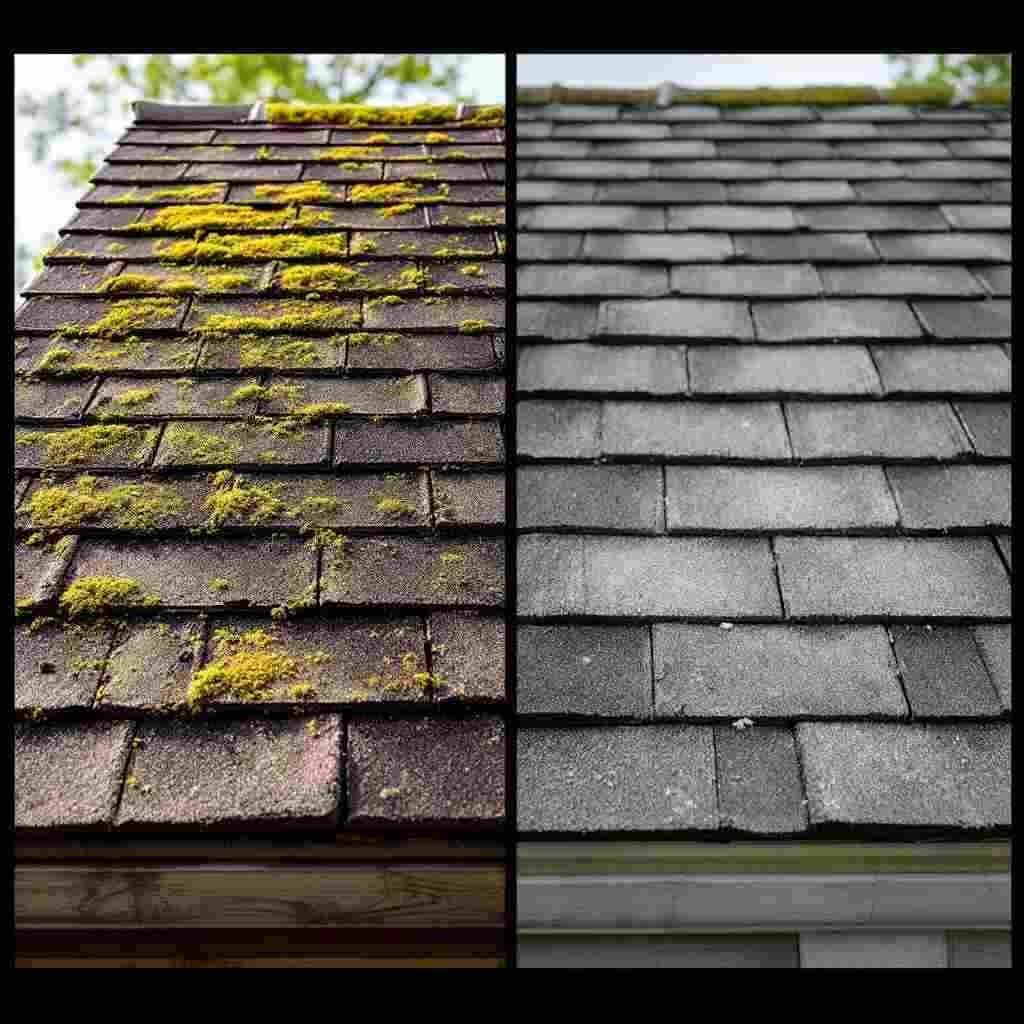
Maintaining your roof’s cleanliness is more than just a cosmetic task—it’s essential for ensuring your home’s curb appeal, longevity, and value. However, when it comes to roof cleaning, many homeowners ask, “Should I power wash my roof?” The answer isn’t always straightforward, as improper cleaning can cause permanent damage to your roof.
Should I Power Wash My Roof?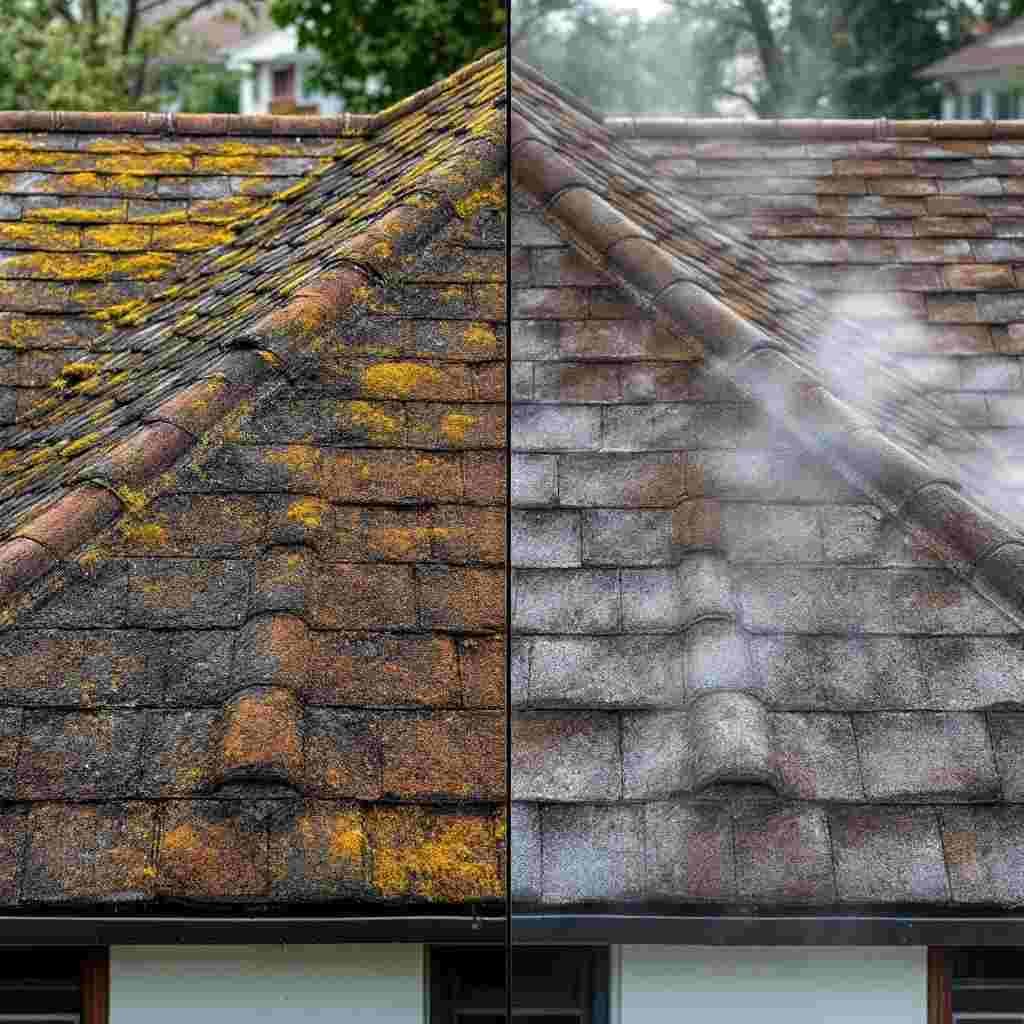
What Does “Power Washing” a Roof Mean?
Power washing involves high-pressure water spray to remove dirt, algae, moss, and debris from surfaces. While commonly used for driveways or siding, power washing a roof requires special consideration due to the risks involved.
Why Do Homeowners Consider Roof Washing?
Homeowners often turn to roof washing to:
- Restore the roof’s appearance by removing stains or moss.
- Prevent damage caused by algae, mold, or debris buildup.
- Extend the roof’s lifespan and maintain its structural integrity.
Common Misconceptions About Roof Cleaning
There’s a widespread belief that blasting your roof with high-pressure water is the fastest and most effective way to clean it. However, this can cause more harm than good, especially for delicate roofing materials like asphalt shingles or tiles.
When is Roof Power Washing Necessary?
Power washing becomes necessary when:
- Algae or moss buildup threatens the roof’s integrity.
- Dirt and debris significantly diminish curb appeal.
- You’re preparing your home for sale and want it to look its best.
Benefits vs. Risks of Power Washing Your Roof
Here’s a quick look at the advantages and disadvantages:
ProsCons
Removes algae, moss, and debris Risk of damaging shingles or tiles
Improves curb appeal Can void roof warranties
Increases in roof lifespan May cause leaks if done improperly
Key Takeaway: While power washing can be effective, it’s not always the right choice for every roof. Soft washing or professional cleaning methods are often safer alternatives.
Understanding Your Roof Type Before Washing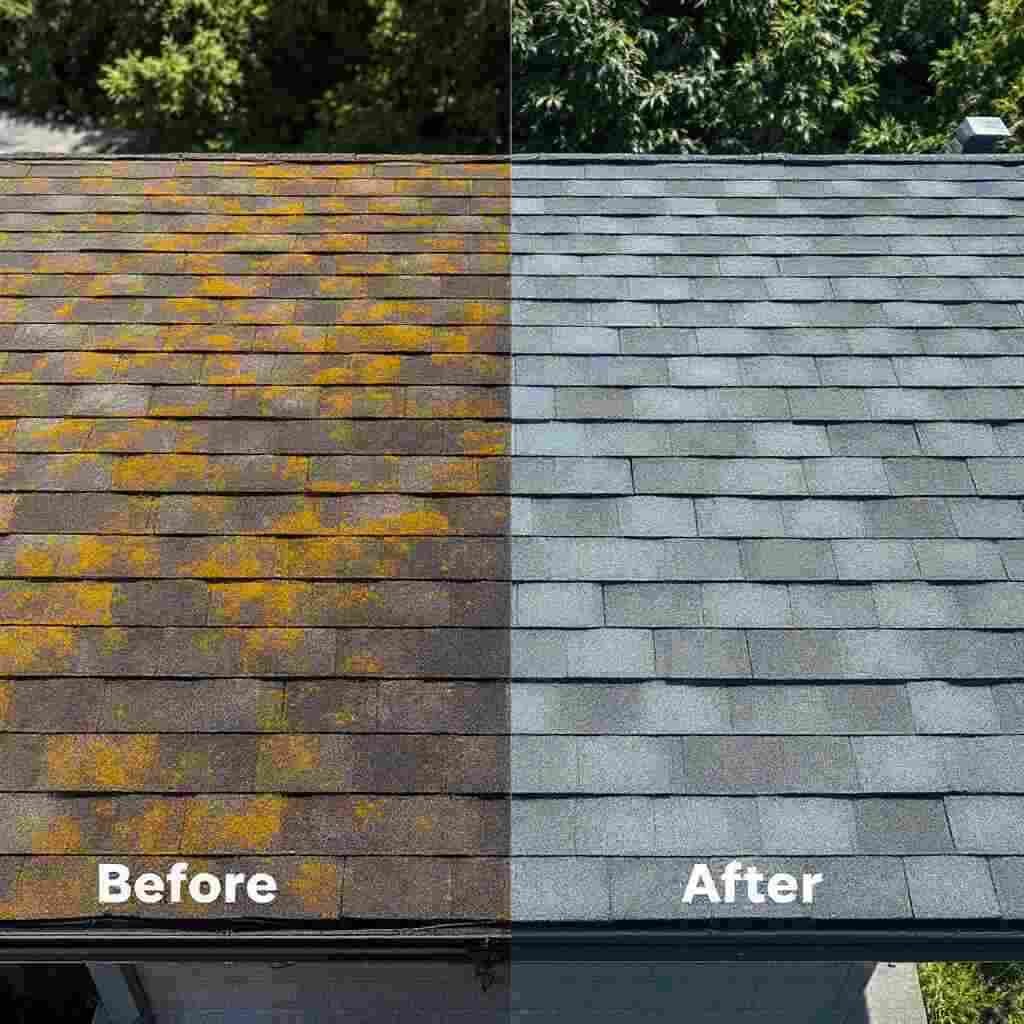
Why Roofing Material Matters
Your roof type determines how it reacts to cleaning methods. For example, asphalt shingles are more fragile than metal roofs and can be damaged by high-pressure water.
You may also read (roof shingle)
How to Identify Your Roof Type
Before attempting any cleaning, identify your roof material. Common roof types include:
- Asphalt shingles: The most common in residential homes, but prone to damage under high pressure.
- Tile roofs: Durable but can crack under intense pressure.
- Metal roofs: Generally more resistant to pressure but still require caution.
Risks of Improper Cleaning
Each material has unique vulnerabilities:
- Asphalt shingles may lose protective granules.
- Tiles can crack or shift, causing leaks.
- Metal roofs may develop dents or scratches.
When to Avoid Power Washing
Avoid power washing if:
- Your roof shows signs of wear or damage.
- You’re dealing with delicate materials like slate or clay tiles.
- The roof is steep or difficult to access safely.
Roof Power Washing Methods Explained
High-Pressure Washing vs. Soft Washing
- High-pressure washing uses a powerful stream of water to remove dirt but poses a higher risk of roof damage.
- Soft washing uses low-pressure water combined with cleaning solutions to gently clean the roof without causing harm.
What is Soft Washing?
Soft washing involves spraying a biodegradable cleaning solution to break down dirt and algae, followed by a gentle rinse. This method is safer and more effective for most roofs.
When is High-Pressure Washing Appropriate?
High-pressure washing is rarely appropriate for roofs but might be suitable for durable materials like metal. Even then, it should be used with caution.
Comparison Table: Cleaning Methods
MethodPressure LevelBest ForRisks
High-pressure high Metal roofs, driveways Shingle or tile damage
Soft Washing Low Asphalt, tile, most roofs Minimal risks
Manual Cleaning None Delicate materials, moss Labor-intensive
Real-Life Examples of Roof Damage
Homeowners often regret DIY high-pressure washing after discovering stripped shingles or water seeping into their homes. Soft washing eliminates these risks while delivering excellent results.
Essential Safety Precautions
Cleaning your roof comes with inherent risks. Prioritize safety with these precautions:
Personal Safety Gear
Wear protective gear such as:
- Safety goggles to shield your eyes from debris.
- Non-slip shoes for better footing.
- A harness and anchor system for roof stability.
Ladder Safety and Roof Access
Ensure your ladder is secure and positioned on stable ground. Use a spotter for added safety.
Protecting Landscaping and Property
Cover your plants and gutters to prevent damage from runoff or cleaning solutions. Wet surrounding vegetation before starting to dilute any chemicals that might spill.
Weather Considerations
Avoid cleaning during:
- Windy conditions can make spraying hazardous.
- Rainy or freezing weather increases the risk of slipping.
Pre-Cleaning Roof Inspection
Check for loose shingles, cracks, or other damage before starting. Cleaning a damaged roof can worsen existing problems.
Choosing the Right Equipment and Cleaning Solutions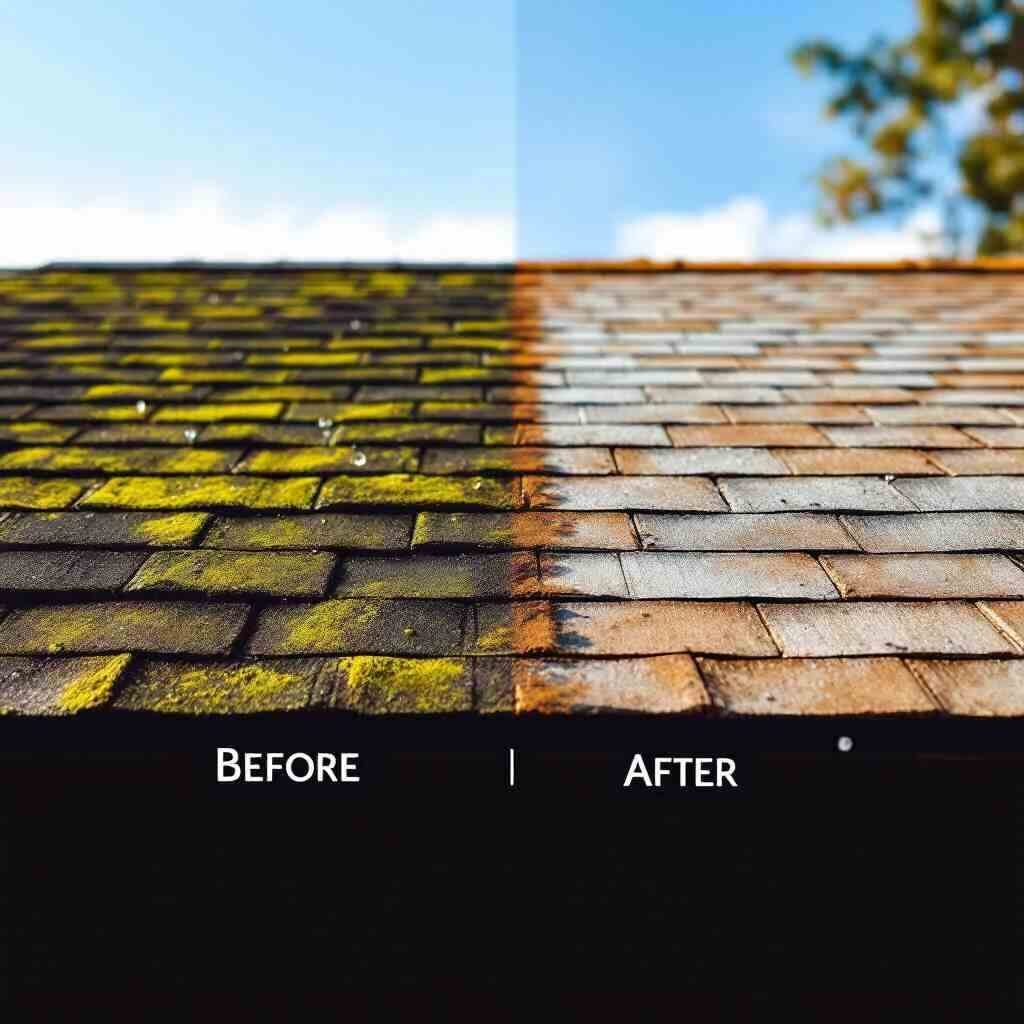
Selecting the Correct Pressure Washer
For roof cleaning, choose a pressure washer with adjustable settings. A PSI (pounds per square inch) below 1,500 is ideal for soft washing.
Why Low-Pressure Settings Are Best
High pressure can strip shingles or dislodge tiles. A low-pressure setting ensures effective cleaning without compromising the roof’s integrity.
Eco-Friendly Cleaning Solutions
Opt for biodegradable detergents that won’t harm the environment or your roof. Avoid bleach, as it can damage roofing materials.
Recommended Tools
- Wide-angle spray nozzles for even cleaning.
- Extension wands for hard-to-reach areas.
- Roof-specific cleaning attachments.
You may also read (installing a permanent roof anchor at home).
Testing Your Equipment
Before you begin, test your equipment on a small, inconspicuous roof section to ensure it’s safe and effective.
Step-by-Step Guide to Power Washing Your Roof Safely
Inspect and Prepare the Roof
Remove debris and check for damage before starting.
Set Up Safety Measures
Secure your harness, ladder, and anchor points.
Protect Landscaping
Cover plants and wet the surrounding area.
Apply Cleaning Solution
Mix and apply the solution evenly using a low-pressure sprayer. Let it sit for 10-15 minutes to break down dirt and algae.
Soft Wash the Roof
Using a low-pressure setting, rinse the roof in sections. Work from the top down to prevent streaking.
Rinse Thoroughly
Ensure no residue is left behind, as it can attract dirt.
Clean Up
Dispose of runoff responsibly and remove protective coverings.
Common Mistakes to Avoid
- Using too much pressure can damage your roof.
- Ignoring safety precautions leads to accidents.
- Using harsh chemicals like bleach.
- Overlooking the importance of roof material.
- Cleaning in unsafe weather conditions.
Post-Cleaning Inspection and Maintenance
How to Check for Damage
Inspect for missing shingles or leaks after cleaning.
Preventing Future Buildup
Install zinc or copper strips to prevent algae growth. Regularly remove debris to maintain cleanliness.
Cleaning Frequency
Clean your roof every 1-3 years, depending on your climate and roof type.
FAQs – Should I Power Wash My Roof?
- Is it safe to power wash all roof types? No, some materials are too delicate.
- What’s the difference between pressure washing and soft washing? Pressure washing uses high pressure, while soft washing uses low pressure and cleaning solutions.
- Can I DIY, or should I hire a professional? DIY is possible but risky; professionals are recommended.
- Will power washing void my roof warranty? Check with your manufacturer, as improper cleaning can void warranties.
- How much does professional roof cleaning cost? Costs range from $250-$600, depending on size and material.
Final Thoughts – Making the Right Choice
Roof cleaning is essential, but it must be done carefully. Always consider your roof type, condition, and the risks of power washing. If unsure, consult a professional or follow this guide to clean your roof safely.
So, should you power wash your roof? With the right approach and precautions, your roof can look brand new without the risks of damage.
You may also read (stop a roof leak)
