
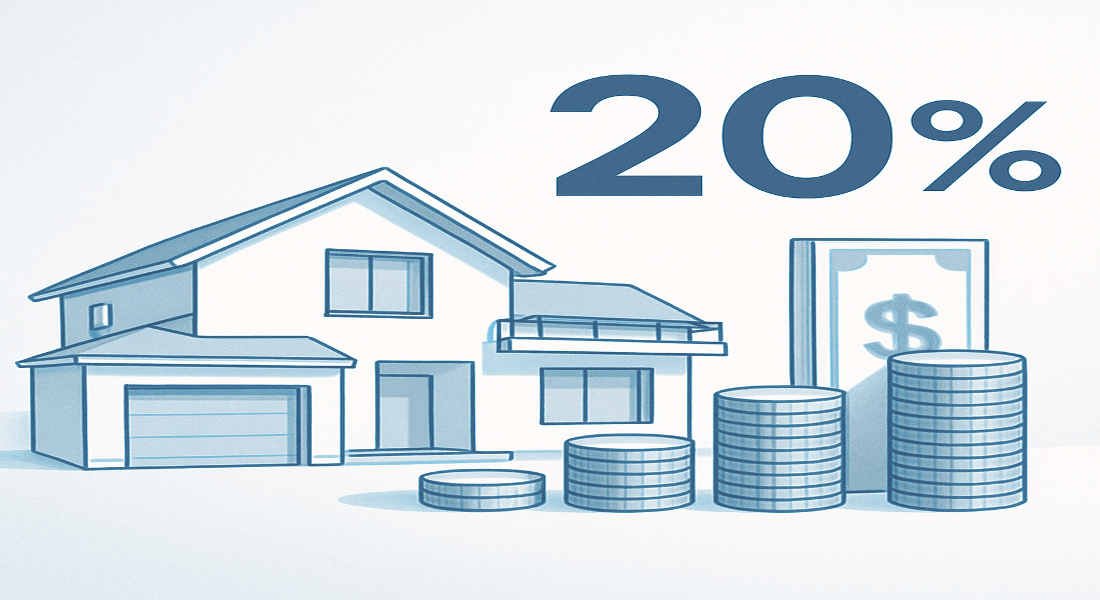
When considering purchasing a home, one of the most crucial questions buyers face is: What is the average deposit needed for a house? Understanding this figure is essential, as it directly impacts which properties you can afford, the mortgage options available, and your long-term financial planning. The required deposit can vary widely depending on your location, the type of property, and your financial circumstances, but recent data provides clear benchmarks for first-time buyers, home movers, and those in different regions. Whether you’re just starting to save or are ready to make an offer, knowing the typical deposit requirements will help you set realistic goals and navigate the property market with confidence.
The Importance of Saving for a House Deposit
Saving for a house deposit is pivotal in your journey to homeownership. It represents not just a financial commitment but also a significant step toward building equity.
A solid deposit can lower your mortgage payments. Lenders often view a larger upfront payment as a sign of financial stability, which may lead to better loan terms and interest rates. This means you could save thousands over the life of your mortgage.
PMI adds an extra monthly cost if your deposit is less than 20%.
Beyond finances, saving for that deposit instills discipline and foresight. It challenges you to budget and prioritize long-term goals over short-term desires—a valuable skill that extends far beyond real estate decisions.
Factors that Affect the Average Deposit Needed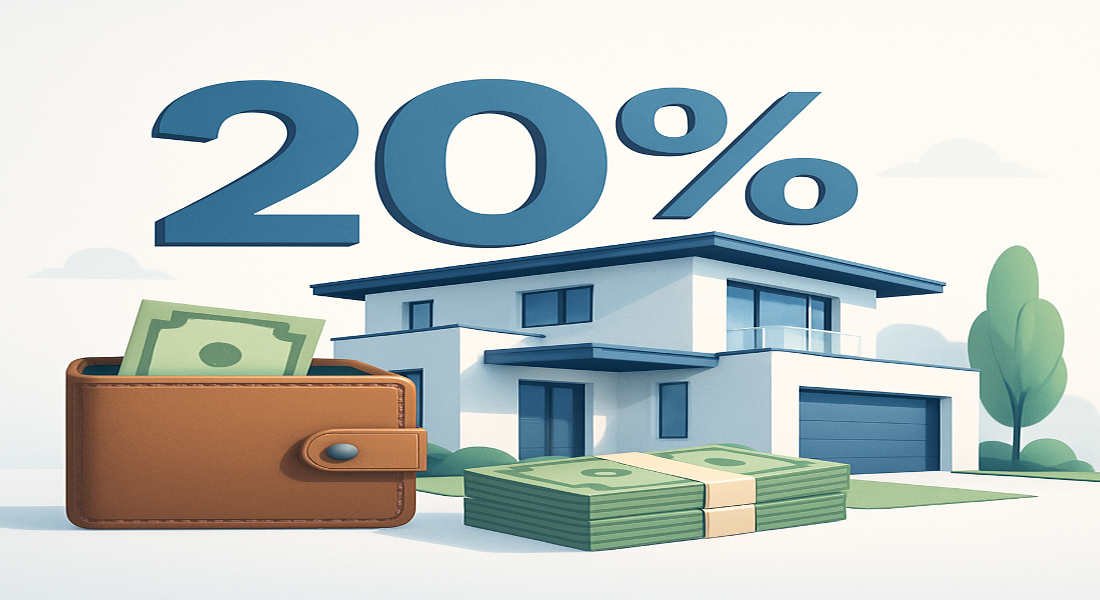
Several factors influence the average deposit needed when buying a house. One major element is the type of loan you choose. Conventional loans often require higher deposits than government-backed options like FHA or VA loans.
Your credit score plays a crucial role as well. A higher score can lead to lower interest rates, which may allow for a smaller deposit percentage.
Location also matters significantly. Urban areas usually have steeper property prices, resulting in larger required deposits compared to rural regions where homes are generally more affordable.
Market conditions can’t be ignored either. In competitive real estate markets, sellers might expect larger deposits to show buyer commitment and seriousness.
Your financial situation will impact how much you need to save. Income stability and existing debts can determine what’s feasible for your deposit amount while maintaining overall budget health.
You may also read (discover your dream home with don bolin real estate).
Differences in Deposit Requirements by Region
When it comes to house deposits, geography plays a significant role. Different regions often have varying requirements that reflect local market conditions.
For instance, urban areas like New York or San Francisco may demand higher deposits due to inflated property prices. Buyers in these cities might need 20% or more of the home’s value just to get started.
On the other hand, smaller towns and rural areas tend to have lower deposit expectations. In places with less competition, you might find options requiring only 3% to 5%.
Regional economic factors also influence these numbers. Areas experiencing rapid growth could see rising deposit demands as buyer interest increases.
It’s important for potential homeowners to research specific regional trends when planning their finances. Understanding local deposit norms can greatly impact your path toward homeownership.
Creative Ways to Save for a House Deposit
Saving for a house deposit doesn’t have to feel overwhelming. With a little creativity, you can grow your savings without sacrificing too much of your lifestyle.
Consider starting a side hustle that aligns with your interests. Whether it’s freelance writing, graphic design, or pet sitting, extra income can make a significant difference in reaching your goal faster.
Automating savings is another smart strategy. You can set up automatic monthly transfers from your checking account to a savings account. You won’t miss the money if it’s out of sight and out of mind.
Don’t forget about cashback rewards on everyday purchases. Use credit cards wisely to earn points or cash back that you can funnel directly into your deposit fund.
Organize garage sales or sell unused items online. Decluttering not only frees up space but also adds to your house fund while providing some financial relief during the saving period.
You may also read (does the ucc apply to your house real estate deal).
How to Determine the Right Amount for Your Deposit
Determining the right amount for your deposit is crucial in your home-buying journey. Start by assessing your financial situation. Review your income, savings, and monthly expenses to find a comfortable range.
Next, consider the type of mortgage you want. Different loans have varying down payment requirements. For example, conventional loans often need 20%, while some government-backed options require as little as 3%.
Think about how much you’re willing to commit upfront versus what you’ll need for moving costs and other expenses after buying the house.
Don’t forget about potential closing costs; these can add thousands to your total budget.
Aiming for a higher deposit can lower monthly payments and possibly eliminate private mortgage insurance (PMI). Balance this with maintaining an emergency fund for unexpected situations that may arise after purchasing your home.
Alternatives to Traditional Deposits (Down Payment Assistance Programs)
Saving for a house deposit can feel overwhelming, but there are alternatives to the traditional route. Down payment assistance programs are designed to help buyers who might struggle with upfront costs.
These programs vary by region and often cater specifically to first-time homebuyers or those in low- to moderate-income brackets. Some state and local governments offer grants that don’t have to be repaid, while others provide loans with favorable terms.
These options can significantly reduce the burden of saving up for a hefty deposit.
If you’re considering entering the housing market but feeling daunted by the prospect of a large down payment, exploring these alternatives could open doors you didn’t think were possible. By researching what’s available in your area, you may find pathways that make homeownership more attainable than ever before.
You may also read (how to buy a home with don wilson real estate).
