
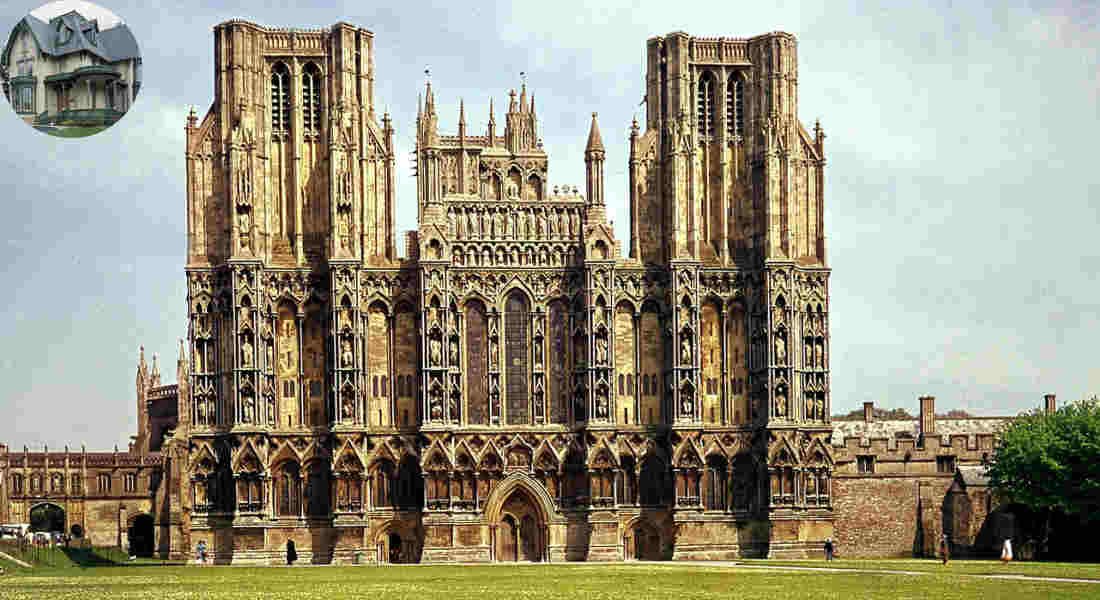
Gothic home architecture, renowned for its soaring arches, intricate tracery, and dramatic sense of verticality, did not remain confined to its birthplace in medieval France. The term “dissemination” in this context refers to the widespread spread and adoption of the Gothic style across Europe and beyond. Beginning in the 12th century, Gothic architecture rapidly expanded from the Île-de-France region, influencing not only monumental cathedrals but also secular and domestic buildings in England, Germany, Italy, Spain, and other regions. As the style traveled, it evolved, adapting to local materials, tastes, and building traditions, resulting in a rich variety of regional interpretations. Understanding dissemination in Gothic home architecture means tracing how its distinct features—pointed arches, ribbed vaults, and ornate facades—were embraced, transformed, and integrated into homes and civic spaces far from their original context, shaping the architectural landscape of medieval and early modern Europe.
Key Elements of Gothic Architecture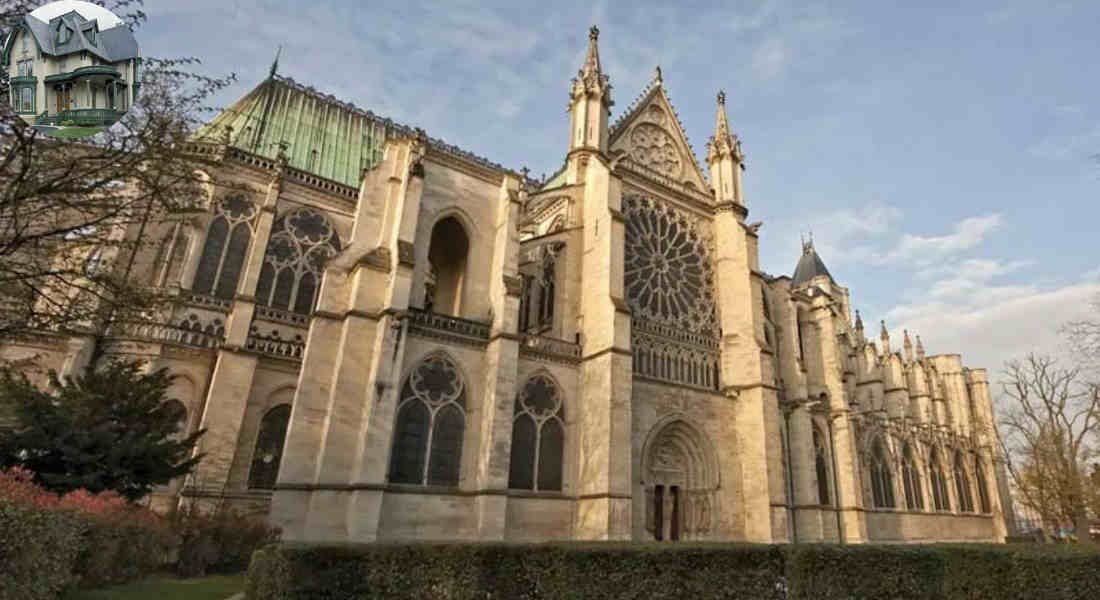
Gothic architecture is distinguished by its striking visual features and innovative structural techniques.The pointed arch allows for greater height and a more dynamic aesthetic.
This technique not only supports ceilings but also adds intricate patterns that enhance visual interest.
A flying buttress provides external support to walls while allowing for larger windows in Gothic architecture. These grand openings often feature stained glass, bathing interiors in colorful light and creating an ethereal atmosphere.
The use of ornate spires elevates structures skyward, symbolizing a spiritual connection with the divine. Elaborate sculptures and gargoyles adorn facades, telling stories through their detailed craftsmanship.
Together, these key elements create a distinctive style that evokes awe and draws people into spaces filled with history and artistry.
Origins and Evolution of the Dissemination Concept in Gothic Architecture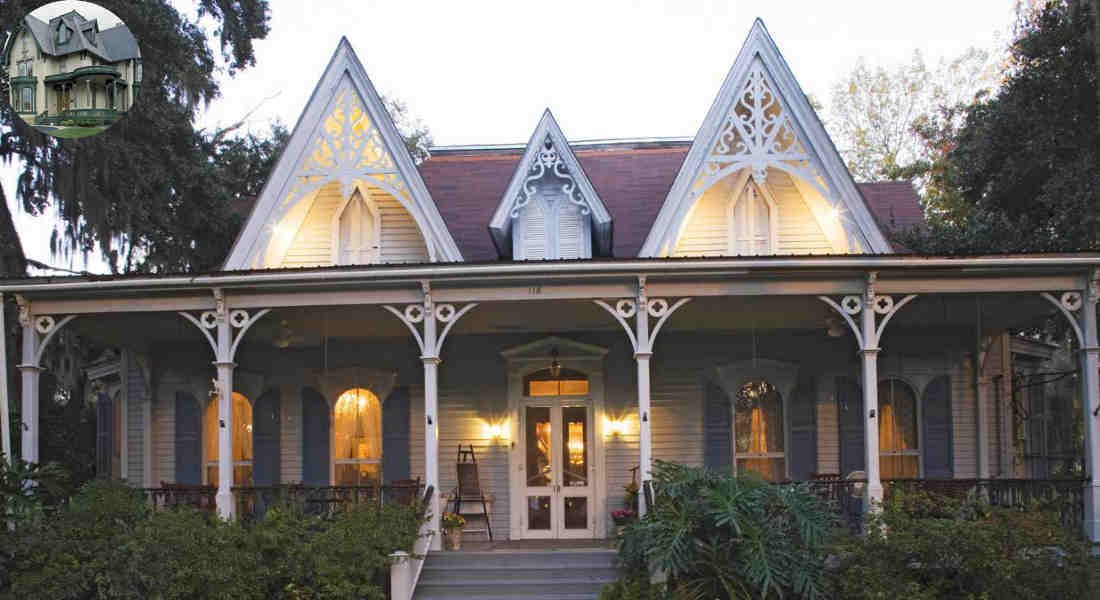
The dissemination of Gothic architecture began in the 12th century, primarily in France. It emerged as a response to earlier Romanesque styles, characterized by higher ceilings and flying buttresses.
As cathedrals rose toward the heavens, so too did interest in replicating these designs in homes. Architects sought to translate monumental elements into residential spaces.
By the 13th century, this architectural style spread beyond France. England and Germany embraced it, adapting features to fit local tastes. Each region added unique touches while preserving essential Gothic characteristics.
This evolution reflected broader cultural shifts—an increased emphasis on light and airiness transformed the perception of domestic spaces. The concept of dissemination became less about strict replication and more about inspiration drawn from grand structures.
Homeowners began integrating pointed arches and intricate details that echoed their larger counterparts, making Gothic aesthetics accessible without losing grandeur or elegance.
You may also read (navigating the future of 21st century home architecture).
Examples of Dissemination in Gothic Homes
Dissemination in Gothic homes can be seen through various structures and details that evoke a sense of grandeur. Stained glass windows are perhaps the most striking example, transforming light into vibrant colors that dance across interiors. These artworks not only serve an aesthetic purpose but also narrate biblical stories, connecting viewers with history.
Pointed arches define doorways and windows, creating an upward thrust that draws the eye skyward. This design element originated from cathedrals but found its way into residential spaces, giving even modest homes a touch of majesty.
Carvings depicting flora or mythical creatures embellish facades, enhancing visual interest while showcasing craftsmanship. These ornate elements foster a connection to nature and folklore.
Steep gabled roofs complete the silhouette of Gothic homes. They echo medieval architecture yet adapt seamlessly to modern settings, ensuring their relevance remains steadfast over centuries.
How Dissemination is Achieved in Structural Design and Decorative Details
Dissemination in Gothic home architecture manifests through intricate structural designs and ornate decorative details. The use of pointed arches allows for higher ceilings and expansive windows, creating an awe-inspiring verticality that draws the eye upward.
Elaborate stone carvings adorn doorways and façades, showcasing craftsmanship that tells a story. These elements often feature religious motifs or natural forms, connecting the structure to broader cultural narratives.
Flying buttresses exemplify how dissemination influences both form and function. They provide necessary support while allowing walls to soar with stained glass windows, bathing interiors in colored light.
Inside these homes, ribbed vaults enhance acoustics while adding visual depth. Decorative elements such as tracery mirror patterns found outside, reinforcing unity across design aspects.
Each detail contributes not only aesthetically but also spiritually, embedding meaning within every corner of the space. This multifaceted approach creates environments rich in history and character.
You may also read (exploring the spiritual essence of maya house architecture).
Modern Interpretations of Dissemination in Gothic Home Architecture
Modern interpretations of dissemination in Gothic home architecture embrace the iconic elements while infusing contemporary aesthetics. Modern architects often combine pointed arches and intricate stonework with sleek materials like glass and steel. This fusion creates striking contrasts that highlight both heritage and innovation.
Sustainability also plays a significant role in modern designs. Eco-friendly practices, such as using reclaimed wood or energy-efficient systems, enhance the classic look without compromising functionality.
Interior spaces benefit from open layouts that reimagine Gothic’s characteristic verticality. Decorative details like vaulted ceilings and ornamental moldings are enhanced by expansive windows.
The result is a dialogue between past and present, where old-world charm meets modern sensibilities—capturing the essence of what it means to say that Gothic home architecture was disseminated through time and culture.
The Impact of Dissemination on Interior Design and Atmosphere
Dissemination in Gothic home architecture has a profound impact on interior design and atmosphere. This architectural style emphasizes vertical lines, intricate details, and expansive spaces that create an ethereal quality within homes. The high ceilings often found in Gothic structures enhance the feeling of openness, drawing the eye upward and instilling a sense of awe.
Decorative elements like stained glass windows not only serve as visual focal points but also transform sunlight into vibrant colors that dance across walls, enriching the overall ambiance. These features establish a connection between nature and spirituality, inviting tranquility into living spaces.
The craftsmanship evident in woodwork and stone masonry provides tactile experiences that resonate with those who inhabit these homes.
Gothic disseminated designs foster environments conducive to introspection or social gatherings alike; they cater to both individual solace and communal warmth. This style’s lasting influence on modern interior design continues to inspire architects looking to blend history with contemporary sensibilities. Embracing the essence of dissemination can lead homeowners toward creating striking atmospheres infused with character and depth—truly reflective of their unique stories.
You may also read (what defines italian baroque home architecture).
