

Romanesque house architecture is defined by its distinctive medieval European style, which emerged in the 11th and 12th centuries and is characterized by a solid and massive appearance. This architectural style draws on ancient Roman and Byzantine influences, featuring thick walls, semicircular arches, sturdy pillars, and small windows, emphasising strength and durability. Romanesque houses often incorporate paired arched windows separated by colonnettes, and their walls are typically constructed from local stone or brick, sometimes with rubble infill and plastered surfaces. The living spaces were usually elevated above undercrofts or cellars, with access via external staircases, and doorways often featured arched openings with decorative mouldings. Interiors were simple yet functional, sometimes including open hearths and smoke holes, evolving to include separate chambers and wooden galleries. Overall, Romanesque domestic architecture reflects the style’s hallmark of solidity, simplicity, and geometric clarity, adapted on a smaller scale from the grand ecclesiastical buildings of the period.
Key Elements of Romanesque House Architecture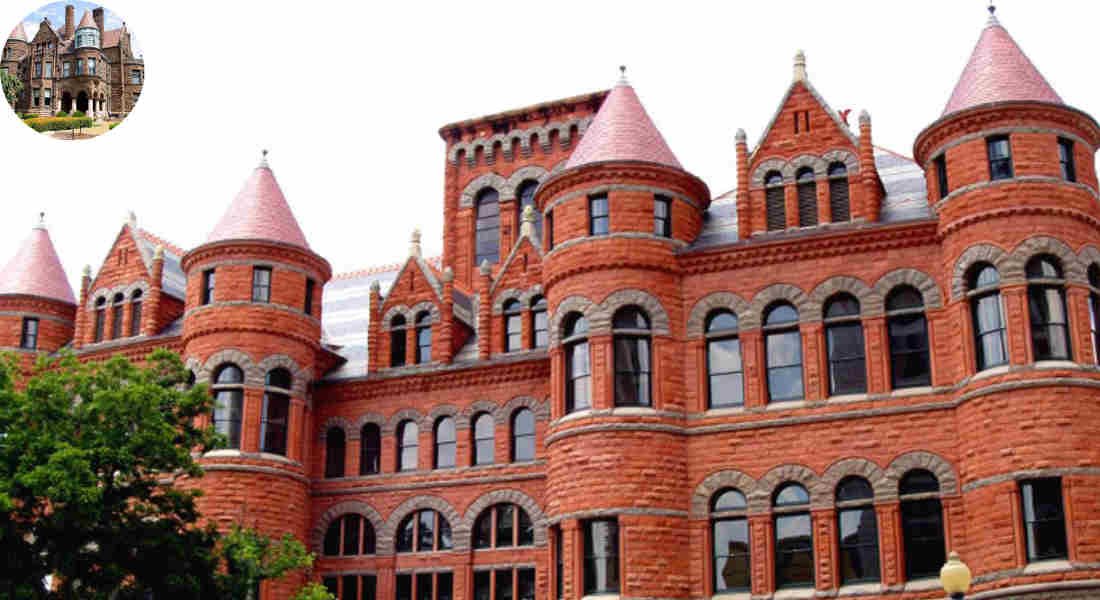
Romanesque house architecture is characterized by several distinct elements that define its aesthetic appeal. One of the most notable features is the thick walls, which serve structural and decorative purposes. These robust barriers provide stability while creating a sense of strength.
Rounded arches are another hallmark of this style, lending an inviting curve to doorways and windows. This design choice adds a touch of elegance amidst the sturdy build.
Small windows punctuate these solid walls, often adorned with intricate detailing. They allow limited light to enter while enhancing the visual texture of the façade.
Symmetry plays a critical role in Romanesque design as well. The balanced proportions create harmony throughout structures, making them visually pleasing and methodical in appearance. Each element contributes to a cohesive look that defines this architectural period beautifully.
Thick Walls and Rounded Arches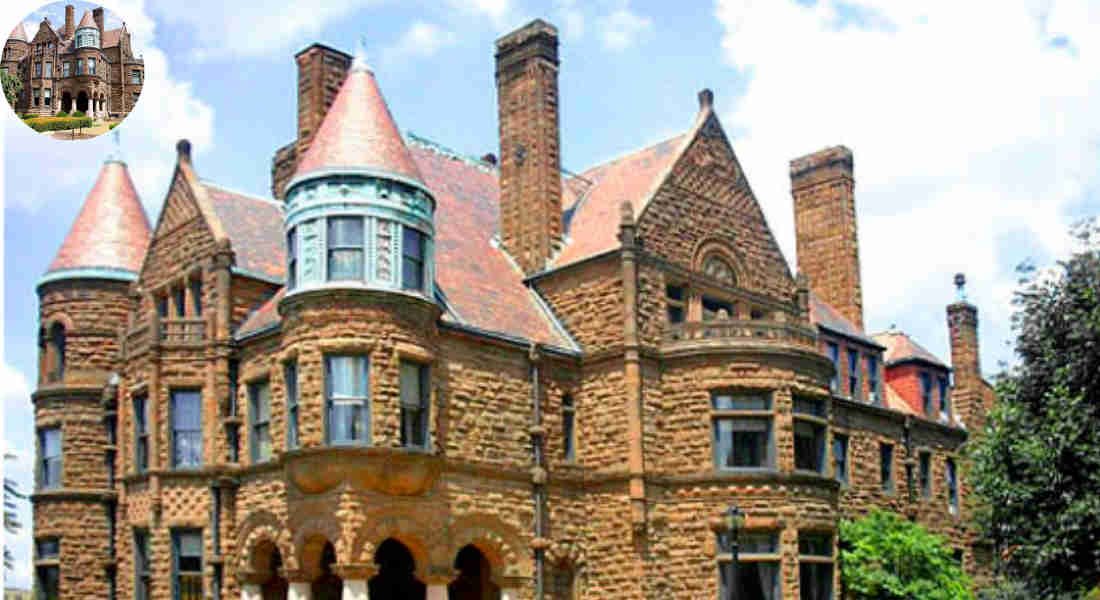
Thick walls are a hallmark of Romanesque architecture. They provide structural integrity and durability, essential for buildings meant to last centuries. These robust walls often create an imposing presence.
Rounded arches complement these hefty structures beautifully. Unlike the pointed arches of later Gothic designs, rounded arches offer a sense of solidity and massiveness. They distribute weight evenly, allowing larger openings without compromising strength.
These design elements work together harmoniously. The thick walls support the arching above while providing space for murals or other decorative touches on their surfaces.
Visually striking, this combination enhances both functionality and beauty in Romanesque homes. It reflects an era when artistry met engineering with remarkable finesse.
You may also read (what is a master plan in house architecture).
Sturdy Materials such as Stone and Brick
Sturdy materials play a crucial role in defining Romanesque architecture. Using stone and brick is not just about aesthetics but durability and strength. These materials were chosen for their ability to withstand the test of time.
Stone, especially limestone and granite, was commonly sourced from local quarries. Builders favoured these natural elements for their robust nature and availability. Structures made from solid stone exude a sense of permanence.
Brick also featured prominently, often used in combination with stone. It allowed for intricate designs while providing stability. The earthy tones of bricks complemented the rugged look of the stonework beautifully.
The combination created buildings that could endure harsh weather conditions while providing warmth. This careful selection illustrates an understanding of form and function in Romanesque design—a hallmark that inspires modern architects today.
Small Windows with Decorative Detailing
Small windows are a hallmark of Romanesque architecture, often framed by intricate detailing. These openings differ from the expansive glass structures seen in later styles. Instead, they provide a sense of intimacy and protection.
The limited size also serves practical purposes. Smaller windows help maintain structural integrity while allowing cooler interior spaces during hot summers. They create a cosy ambience inside each room.
Decorative elements around these windows add to their charm. Carvings or arches can be found framing them, showcasing craftsmanship that tells stories of the past. Often adorned with motifs like foliage or biblical scenes, these features invite admiration without overwhelming the façade.
These small but significant details reflect an era where function met artistry beautifully. Windows may be diminutive in scale but are grand in complexity and significance within Romanesque designs.
You may also read (how to understand pharaohs house architecture).
Symmetrical Designs and Proportions
Symmetrical designs and proportions are hallmarks of Romanesque architecture. These elements create a sense of balance and harmony, appealing to the eye and the spirit.
Architects employed simple geometric shapes to establish a rhythmic flow in their structures. This symmetry often manifests in the arrangement of windows, doors, and arches. Such design not only serves aesthetic purposes but also enhances structural integrity.
The proportionality within these buildings reflects an understanding of beauty transcending time. Each element is meticulously measured to ensure coherence among various architectural features.
This careful attention to symmetry allows Romanesque houses to convey strength while inviting admiration from onlookers. In rural settings or urban landscapes, this characteristic remains strikingly consistent across different regions.
Historical Context of Romanesque House Architecture
Romanesque architecture emerged in Europe during the 10th to 12th centuries, marked by social and political transformation. The fall of the Roman Empire led to fragmented territories where local lords ruled over small regions. This instability created a demand for more robust structures.
Churches were central to community life, reflecting power and faith. As Christianity spread, so did the architectural style associated with it. Monasteries became cultural hubs that encouraged artistic expression and innovation.
The influence of earlier Roman designs is evident in this era’s architecture. Builders drew inspiration from classical elements but adapted them for practical needs. This resulted in unique features like rounded arches and thick walls designed to withstand weather and potential threats.
As trade routes expanded, architectural ideas exchanged hands across regions. Each locale added flavour while maintaining core characteristics that defined the Romanesque style.
Regional Variations in Romanesque House Architecture
Regional variations in Romanesque house architecture showcase the diverse influences and adaptations unique to different areas. While the core characteristics remain consistent, local materials and cultural contexts often lead to distinct interpretations.
In countries like France, you’ll notice a preference for robust stone structures adorned with intricate carvings. The French Romanesque houses often feature abundant decorative detail that tells stories from religion or daily life
Moving over to Italy, we find more emphasis on symmetry and proportion here. Italian architects favoured harmonious designs reflecting classical principles while integrating their artistic flair.
Meanwhile, one can observe how Islamic architectural elements blended into Romanesque styles in Spain. This resulted in homes exhibiting elaborate tile work alongside traditional rounded arches.
Each region brought flavour to this architectural style, ensuring no two examples are identical. Exploring these differences enriches our understanding of Romanesque architecture as a single entity but a tapestry woven from many threads of history and culture.
You may also read (what does dissemination mean in gothic home architecture).
