

French Colonial house architecture is a distinctive style that emerged during France’s colonial expansion, blending traditional French design principles with adaptations for local climates and available materials. This style is instantly recognizable for its balanced, symmetrical facades, steeply pitched roofs, and expansive wrap-around porches, which serve both aesthetic and practical purposes—especially in hot, humid environments. Found in regions such as Louisiana, the Caribbean, and Southeast Asia, French Colonial homes are celebrated for their graceful proportions, climate-smart features, and the elegant integration of French architectural elements with local influences.
History and Origins of the Style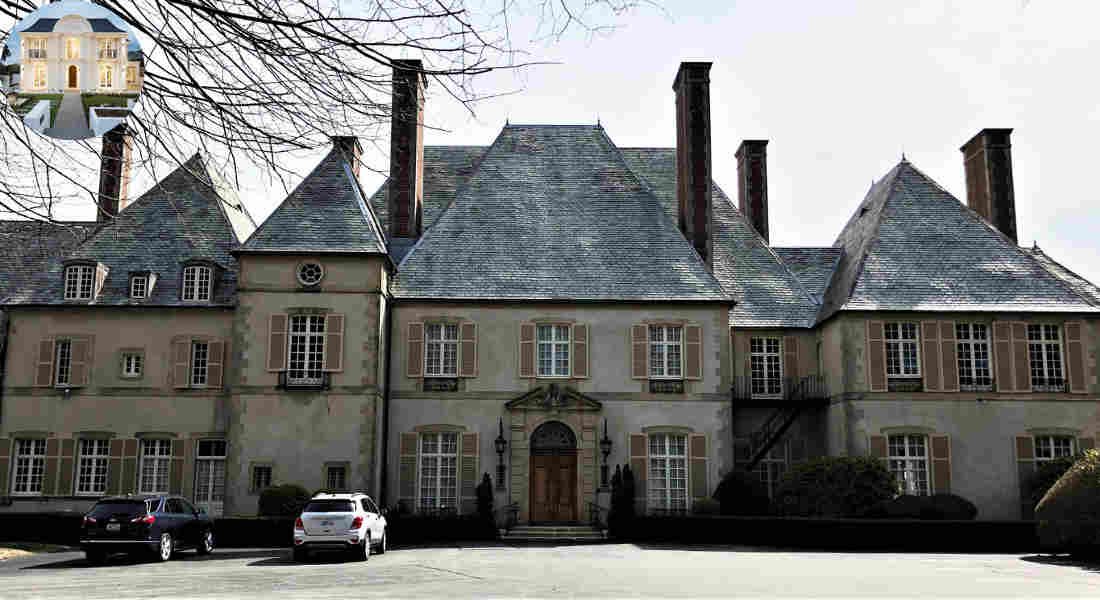
French Colonial architecture emerged in the 17th century.In areas such as Louisiana and parts of the Caribbean, it originated during France’s colonial expansion.
This style was influenced by both French architectural traditions and local building materials. As settlers adapted to their new environments, they integrated elements from indigenous cultures.
The early homes were often simple but functional, featuring raised foundations to combat flooding in humid climates. This practical adaptation set the stage for what would become a distinct architectural identity.
As time progressed, designers began incorporating more ornate details inspired by European aesthetics. High ceilings and large windows became common features, reflecting a blend of elegance with practicality.
The legacy of this style is visible today across various regions where French influence took root, showcasing a rich history that continues to captivate enthusiasts worldwide.
Characteristics and Features of French Colonial Houses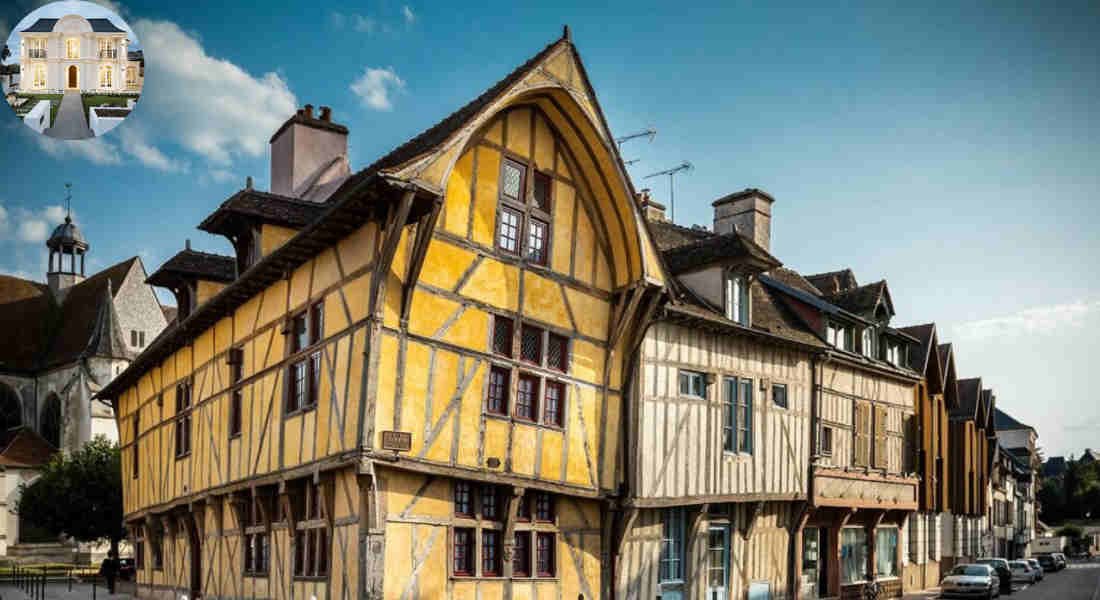
French Colonial houses are known for their distinctive charm and elegance. They often feature a raised foundation, which allows for better ventilation in humid climates.
The roofs are typically steeply pitched, adorned with wide eaves that provide shade from the sun. This design not only adds to the aesthetic appeal but also protects the walls from rainwater.
Windows in these homes are usually tall and narrow, accented by shutters. These elements enhance both functionality and visual interest.
The color palette tends to be soft, featuring earthy tones that blend seamlessly with nature.
Porches play a significant role as well; they extend along the front of many French Colonial homes, inviting relaxation and social interaction while showcasing intricate railings or columns.
You may also read (why is art and architecture essential for home civilization).
Influences from Other Architectural Styles
French Colonial architecture draws upon a rich tapestry of influences. The blend of styles makes it distinctive and evocative.
Spanish architectural elements play a significant role, especially in regions where the two cultures intersected. Arched windows and decorative tile work often emerge from this cultural fusion.
These features add elegance to French Colonial houses, giving them an air of sophistication.
Indigenous influences are also present. Local materials and building techniques often find their way into construction methods. This adaptation allows these homes to harmonize with their environment, showcasing cultural intermingling.
The result is an eclectic aesthetic that resonates across time periods and geographies, making French Colonial architecture truly unique in its expression.
Examples of Famous French Colonial Houses
Louisiana’s Laura Plantation is a notable example of French Colonial architecture. This historic site showcases stunning white-columned verandas and expansive gardens, reflecting its rich agricultural past.
An idyllic setting is created by soaring oak trees flanking its grand façade.
The Myrtles Plantation, often dubbed “the most haunted house in America,” highlights intricate ironwork and charming porches, embodying Southern charm intertwined with French influences.
In New Orleans, the Gallier House stands out for its elegant design elements and well-preserved interiors. It offers a glimpse into life during the 19th century while showcasing classic architectural details.
Each of these homes tells a story about their time while celebrating the elegance inherent to French Colonial style.
You may also read (what defines romanesque house architecture features).
Modern Interpretations and Adaptations
Modern interpretations of French Colonial architecture often blend traditional elements with contemporary design. Architects today appreciate the charm and grace of this historic style while incorporating modern functionalities.
Open floor plans are now common, allowing for better flow and light within the home. Large windows replace smaller ones, connecting indoor spaces to outdoor gardens or patios. This approach enhances natural light and creates a seamless transition between nature and living areas.
Sustainable materials have also found a place in these adaptations. High ceilings could be supported by reclaimed wood beams, emphasizing both elegance and sustainability.
Color palettes shift towards muted tones that reflect current trends but maintain the classic feel characteristic of French Colonial homes.
Landscaping is simplified yet sophisticated, featuring manicured hedges or native plants that complement the architectural lines without overwhelming them. Modern designs respect tradition while catering to contemporary lifestyles.
The Popularity and Endurance of French Colonial House Style
The French Colonial house style has captured the hearts of many for generations. Its elegant lines and charming details make it a favorite among homeowners and architects alike. This architectural style brings a sense of history, romance, and sophistication.
One reason for its lasting appeal is how well these houses blend with their surroundings. The large porches invite relaxation while the high ceilings offer coolness in warm climates. These practical features allow modern families to appreciate the past without sacrificing comfort.
Contemporary designers often incorporate elements of French Colonial architecture into new constructions or renovations. This adaptability keeps the aesthetic fresh while honoring its roots.
French Colonial homes are more than just structures; they tell stories of culture and heritage. Their enduring popularity reflects not only their beauty but also their ability to connect people through time
With an appreciation that spans both old and young generations, it’s clear that this architectural style will continue to inspire future designs for years to come.
You may also read (how is roman home architecture relevant today).
