

Plumbing is one of the most essential systems in any home, yet it often remains a mystery to many homeowners. If you’ve ever come across the term “IPS” while dealing with plumbing issues or upgrades, you might have wondered, what does house IPS stand for in plumbing? Understanding this term is crucial for anyone looking to maintain, repair, or upgrade their home plumbing system effectively.
What Does House IPS Stand For in Plumbing?
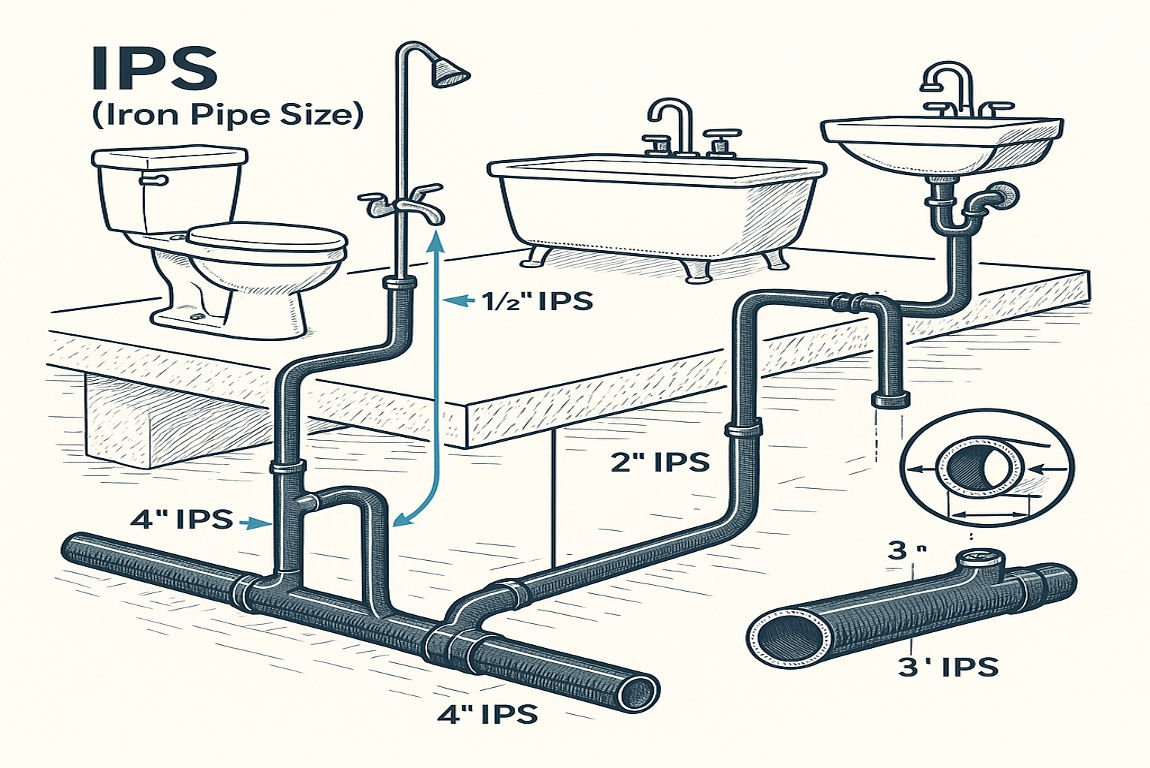
Defining IPS: Iron Pipe Size
The term “IPS” stands for Iron Pipe Size, a standard used to measure the diameter of pipes. It originated in the 19th century when iron pipes were the primary material used in plumbing systems. Over time, this sizing standard became widely adopted and remains a cornerstone of modern plumbing systems.
A Brief Historical Background
In the early days of plumbing, pipes were made of cast iron and welded together. To ensure consistency, manufacturers developed a standard sizing system based on the outer diameter (OD) of the pipes. This system, known as IPS, allowed plumbers to use fittings and pipes interchangeably without worrying about compatibility issues.
Clearing Up Common Misconceptions
One common misconception about IPS is that it refers to a type of threading. However, IPS is not about threads; it’s a sizing standard. While some IPS pipes may have threaded ends, the term itself strictly refers to the pipe’s diameter measurement.
How IPS Relates to Pipe Diameter
IPS focuses on the outer diameter of the pipe, which is crucial for ensuring that fittings and connections align perfectly. This differs from other systems, such as CTS (Copper Tube Size), which measures the inner diameter.
IPS vs. Other Sizing Standards
To better understand IPS, it’s helpful to compare it with other common standards:
- NPT (National Pipe Thread): A threading standard used for sealing pipe connections.
- CTS (Copper Tube Size): A sizing system for copper pipes, focusing on the inner diameter.
By understanding these distinctions, you can make informed decisions when selecting pipes and fittings for your home plumbing system.
How IPS is Used in House Plumbing Systems
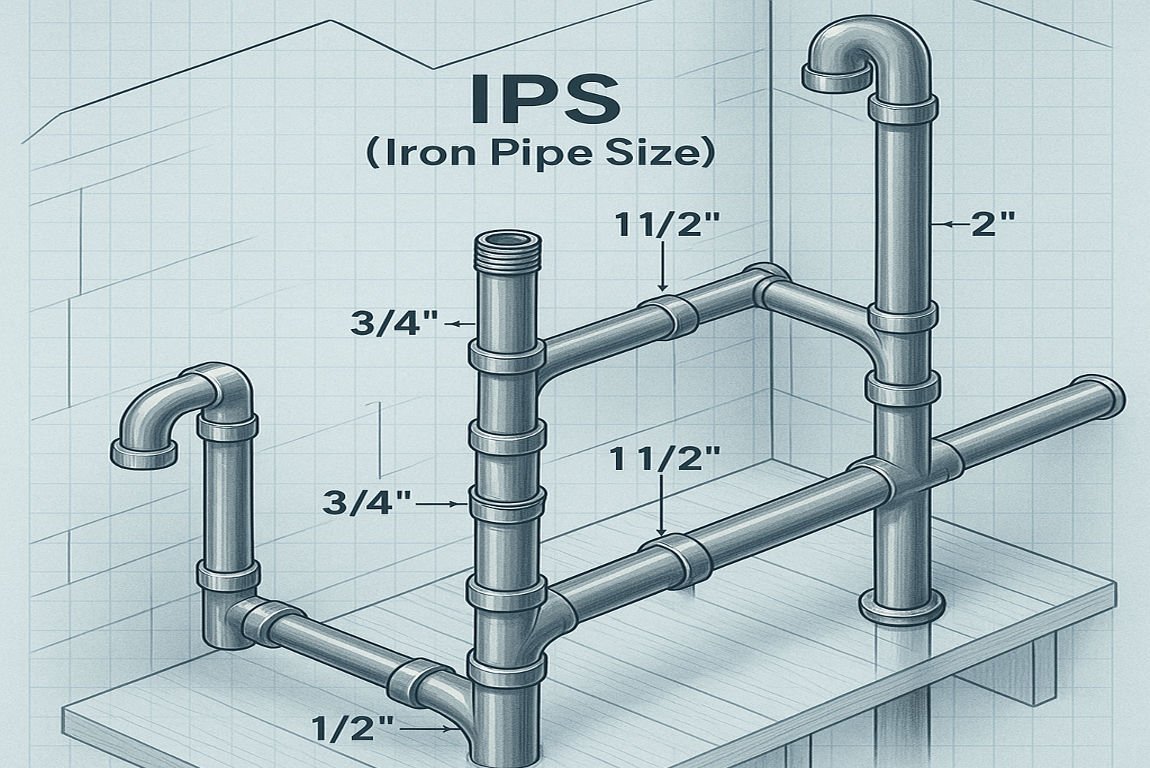
Typical Applications of IPS Pipes
You may also read (understanding hose bib costs a homeowners guide).
IPS pipes are widely used in residential plumbing systems. Here are some typical applications:
- Water Supply Lines: IPS pipes are often used to transport water to faucets, showers, and other fixtures.
- Drainage Systems: Their durability makes them ideal for carrying wastewater away from the home.
- Irrigation Systems: IPS pipes are also popular in outdoor plumbing for irrigation and sprinkler systems.
The Role of IPS Fittings
Fittings are essential for connecting pipes and ensuring a leak-free system. IPS fittings are designed to match the outer diameter of IPS pipes, providing straightforward and reliable installation.
Benefits of IPS Pipes in Residential Plumbing
- Durability: IPS pipes, particularly those made of iron or steel, are renowned for their exceptional strength and longevity.
- Standardization: The consistent sizing of IPS pipes ensures compatibility with a wide range of fittings and fixtures.
- Ease of Maintenance: Repairs and replacements are more straightforward due to the standardized sizing.
Examples of IPS in Action
Imagine replacing a faucet in your bathroom. If your home uses IPS pipes, you can easily find compatible fittings and connectors at your local hardware store. This standardization saves time and reduces the risk of leaks or mismatched components.
IPS vs. Other Plumbing Standards: What Homeowners Should Know
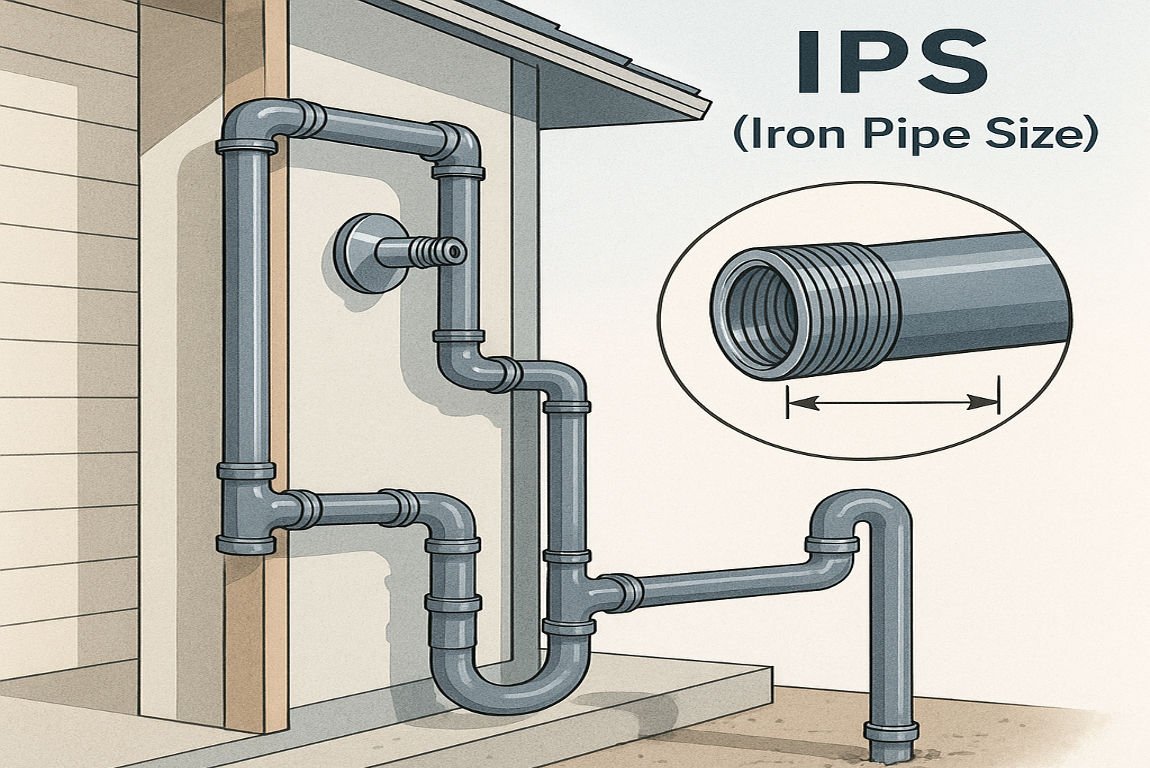
IPS vs. NPT
- IPS: Focuses on the pipe’s outer diameter and is primarily a sizing standard.
- NPT: Refers to a threading standard used for sealing pipe connections.
IPS vs. CTS
- IPS: Measures the outer diameter, making it ideal for larger, durable pipes.
- CTS: Measures the inner diameter and is commonly used for copper pipes in smaller applications.
You may also read (how to fix common house plumbing issues).
Why These Differences Matter
Understanding these distinctions is crucial when repairing or upgrading your plumbing system. Using the wrong standard can lead to leaks, poor performance, and additional costs.
How to Identify IPS Pipes in Your Home
Look for markings on the pipe that indicate its size and material. If you’re unsure, consult a professional plumber to avoid costly mistakes.
Advantages of Using IPS in House Plumbing
Durability and Strength
IPS pipes, particularly those made of iron or steel, are built to last. They can withstand high pressure and resist damage from external forces.
Consistency in Sizing
The standardized sizing of IPS pipes ensures that fittings and connections are always compatible, reducing the risk of leaks and system failures.
Efficiency and Longevity
By using IPS pipes, homeowners can enjoy a plumbing system that is both efficient and long-lasting. This makes IPS an excellent choice for modern residential plumbing.
Standard IPS Pipe Materials and Their Uses in Residential Plumbing
MaterialUsesBenefits
Iron and Steel Traditional plumbing systems, high-pressure applications Durable, strong, long-lasting
PVC Water supply lines and drainage systems are Lightweight, corrosion-resistant
ABS Wastewater and drainage systems are Affordable, easy to install
Modern Adaptations: PVC and ABS Pipes
While iron and steel were the original materials for IPS pipes, modern plumbing often uses PVC and ABS. These materials are lighter, easier to work with, and resistant to corrosion.
IPS Panels in Plumbing
Integrated Plumbing Systems (IPS panels) are a modern innovation that conceals pipework behind walls. These panels offer aesthetic and hygienic benefits, making them a popular choice for bathrooms and washrooms.
Maintenance and Troubleshooting Tips for IPS Plumbing Systems
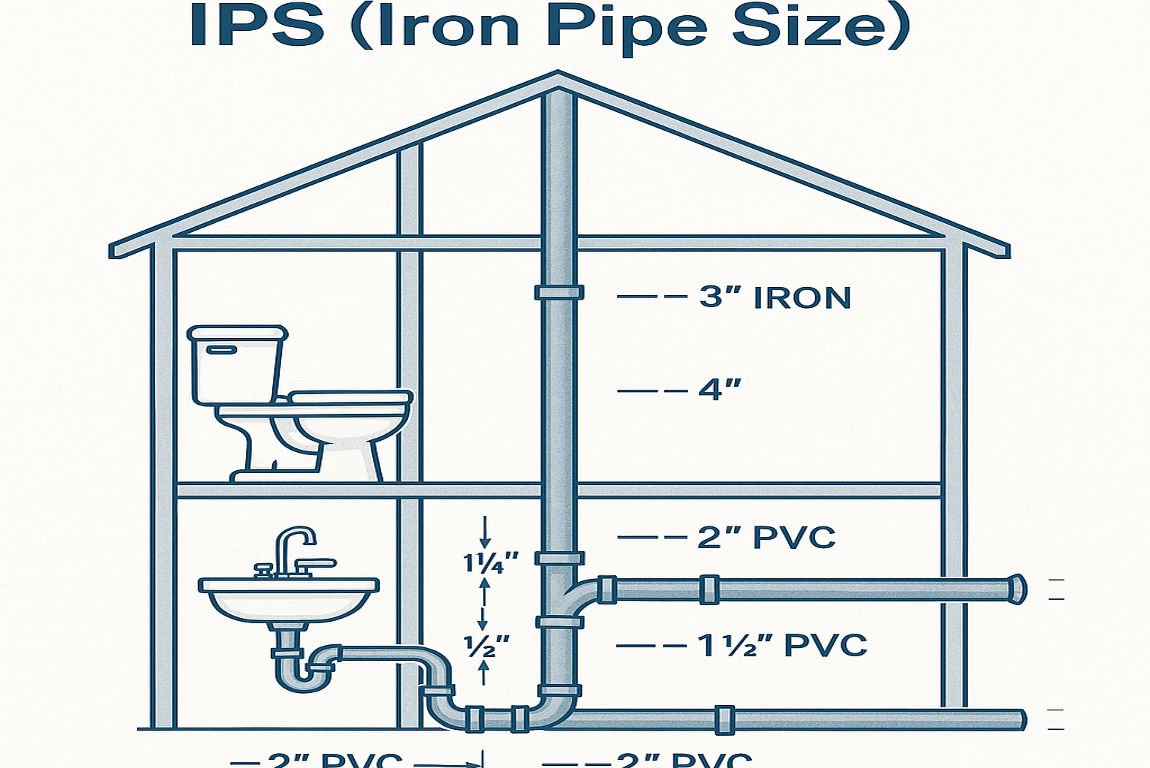
Accessing and Maintaining IPS Components
Regular maintenance is key to ensuring the longevity of your IPS plumbing system. Inspect pipes and fittings for signs of wear or damage and address issues promptly.
Common Issues and Solutions
- Leaks: Use compatible IPS fittings to prevent leaks.
- Corrosion: Replace corroded pipes with modern materials like PVC or ABS.
When to Call a Professional
If you encounter complex issues or are unsure about repairs, it’s best to consult a licensed plumber. They can ensure that your IPS system is repaired correctly and safely.
Future Trends and Innovations in IPS Plumbing
Emerging Materials and Technologies
The plumbing industry is constantly evolving, with new materials and technologies being developed to improve efficiency and sustainability.
Integrated Plumbing Systems (IPS Panels)
IPS panels are gaining popularity for their ability to conceal pipework and create a clean, modern aesthetic.
Sustainability and Efficiency
Manufacturers are focusing on creating eco-friendly IPS pipes that reduce water waste and energy consumption.
You may also read (what is a rough in house and why is it important).
