

Your home’s roof is your first line of defence against the elements. It keeps you dry, warm, and safe. But over time, wear and tear can take its toll, leading to leaks, cracks, and other damage. That’s why regular roof maintenance is so essential. By staying on top of repairs, you can save money and prevent more extensive damage down the line.
From understanding common roofing issues to gathering the right tools and materials, we’ve got you covered. We’ll also provide step-by-step instructions for tackling various repairs, along with tips for when to call in a professional. By the end, you’ll be well-equipped to protect your home from roof damage and keep your roof in tip-top shape.
Understanding Roof Damage: Common Issues Homeowners Face
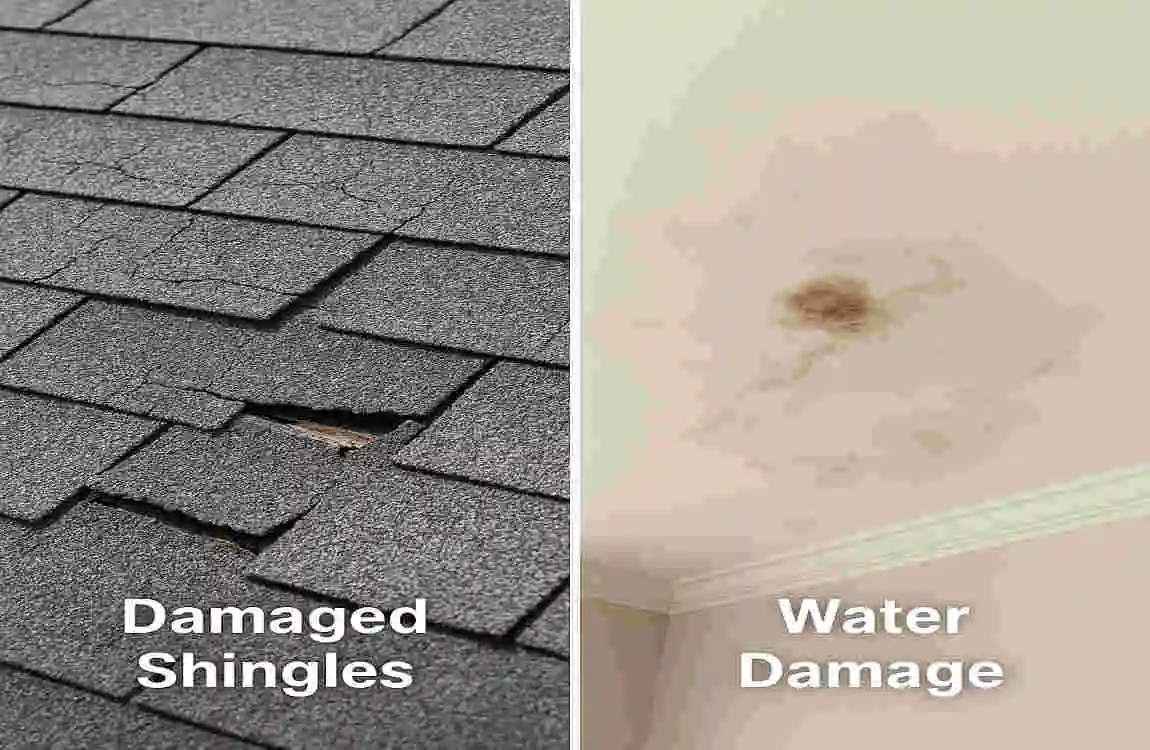
Common Roofing Problems
Roofs can develop various issues over time. Some of the most common problems include:
- Leaks: Water seeping through the roof can cause stains on ceilings and walls, as well as mould and mildew growth.
- Cracked or missing shingles: These can leave your roof vulnerable to water damage and further deterioration.
- Damaged flashing: The metal pieces that seal joints and valleys on your roof can become loose or corroded, allowing water to penetrate.
- Moss and algae growth: These can trap moisture against your roof, accelerating shingle decay and shortening your roof’s lifespan.
Causes of Roof Damage
Several factors can contribute to roof damage, including:
- Harsh weather conditions like heavy rain, snow, and high winds
- The natural ageing process of roofing materials
- Poor installation or substandard materials
- Lack of regular maintenance and inspections
Identifying the Need for Roof Repairs
So, how about when it’s time to do some roof repairs? Look out for these signs:
- Water stains on ceilings or walls
- Missing, cracked, or curling shingles
- Granules from asphalt shingles are accumulating in gutters
- Visible damage to flashing around chimneys, vents, or skylights
- Moss or algae growth on the roof surface
If you notice any of these issues, it’s time to take action and address them before they worsen.
Essential Tools and Materials Needed to Do Some Roof Repairs
Must-Have Tools
To tackle roof repairs effectively, you’ll need a few essential tools:
- Hammer: For securing shingles and flashing
- Roofing nails: Specifically designed for roofing applications
- Roofing cement: To seal cracks and gaps
- Ladder: A sturdy, extendable ladder for safe roof access
- Safety gear: Gloves, eye protection, and a safety harness
Common Repair Materials
Depending on the specific repairs needed, you may require:
- Replacement shingles: Matching the style and colour of your existing roof
- Flashing: New metal pieces to replace damaged ones
- Sealants: To fill cracks and gaps in the roofing surface
Choosing the Right Materials
When selecting materials for your roof repairs, consider the following:
- Match the type and colour of your existing roofing materials for a seamless look
- Choose high-quality, durable materials that will stand up to the elements
- Consider the specific needs of your roof type (asphalt shingle, tile, metal, etc.)
Step-by-Step Guide to Do Some Roof Repairs
Safety First
Before you start any roof repairs, prioritise safety:
- Use a sturdy, properly positioned ladder
- Wear appropriate safety gear, including gloves, eye protection, and a safety harness
- Never work on a wet or icy roof
- Have a spotter on the ground to assist and call for help if needed
Inspecting Your Roof
Begin by thoroughly inspecting your roof to identify any issues:
- Look for missing, cracked, or curling shingles
- Check flashing around chimneys, vents, and skylights for damage or gaps
- Inspect for signs of leaks, such as water stains on the underside of the roof
- Note any areas of moss or algae growth
Repairing Damaged or Missing Shingles
If you find damaged or missing shingles, follow these steps:
- Carefully remove any damaged shingles using a flat pry bar
- Clean the area thoroughly, removing any debris or old adhesive
- Apply roofing cement to the back of the new shingle
- Slide the new shingle into place, aligning it with the surrounding shingles
- Secure the shingle with roofing nails, ensuring a tight seal
Fixing Leaks
To address leaks, focus on sealing cracks and gaps:
- Identify the source of the leak, whether it’s a damaged shingle or a gap in the flashing
- Clean the area around the leak, removing any debris or old sealant
- Apply roofing cement to the crack or gap, ensuring complete coverage
- Allow the cement to dry completely before testing for leaks
Repairing Damaged Flashing
If you find damaged flashing around chimneys or vents, take these steps:
- Carefully remove the old flashing using a flat pry bar
- Clean the area thoroughly, removing any debris or old adhesive
- Cut a new piece of flashing to fit the area, ensuring a tight seal
- Apply roofing cement to the back of the new flashing
- Secure the flashing in place, ensuring a watertight seal
Removing and Preventing Moss or Algae
To address moss or algae growth on your roof:
- Mix a solution of equal parts water and bleach
- Apply the solution to the affected areas using a sprayer or brush
- Allow the solution to sit for 15-20 minutes
- Rinse the roof thoroughly with a garden hose
- To prevent future growth, trim back overhanging branches and keep gutters clean
Patching Holes and Cracks
For holes or cracks in roofing membranes or tiles:
- Clean the area around the damage, removing any debris or old sealant
- Cut a patch of roofing material to fit the damaged area
- Apply roofing cement to the back of the patch
- Press the patch firmly into place, ensuring a tight seal
- Apply additional roofing cement around the edges of the patch for extra protection
DIY Roof Repairs vs. Hiring a Professional
When to DIY
In some cases, it’s safe and cost-effective to do some roof repairs yourself:
- You’re comfortable working at heights and have the necessary safety gear
- The repairs are minor, such as replacing a few shingles or sealing small cracks
- You have the time and patience to tackle the job yourself
When to Call a Professional
However, there are times when it’s best to leave roof repairs to the professionals:
- The damage is extensive or widespread
- You’re unsure of the best repair methods or materials to use
- You don’t feel comfortable or safe working on your roof
Pros and Cons of DIY vs. Professional Repairs
Consider these factors when deciding between DIY and professional roof repairs:
DIY Repairs:
- Pros: Cost savings, flexibility in scheduling, sense of accomplishment
- Cons: Potential safety risks, limited expertise, possible warranty issues
Professional Repairs:
- Pros: Expertise and experience, safety and insurance coverage, warranty protection
- Cons: Higher costs, less control over scheduling, potential for overcharging
Finding a Reputable Roofing Contractor
If you decide to hire a professional, take these steps to find a reputable contractor:
- Ask for recommendations from friends, family, or neighbours
- Check online reviews and ratings on sites like Google, Yelp, or the Better Business Bureau
- Verify the contractor’s licenses, insurance, and certifications
- Get multiple quotes and compare them carefully
- Ask for references and examples of past work
How Regular Maintenance Can Prevent Costly Roof Repairs
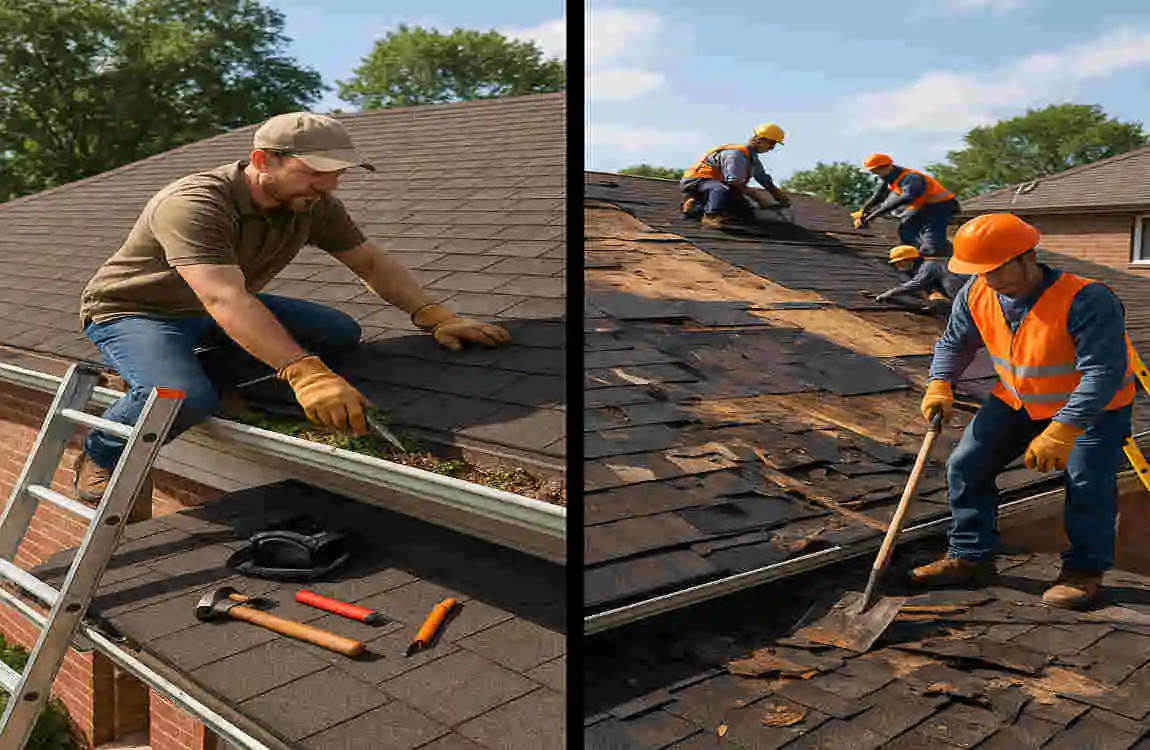
Importance of Routine Inspections and Cleaning
Regular roof maintenance is key to preventing costly repairs down the line. By inspecting and cleaning your roof regularly, you can:
- Catch minor issues before they become significant problems
- Extend the lifespan of your roofing materials
- Maintain your roof’s warranty and protect your investment
Simple Maintenance Tips
Incorporate these simple maintenance tasks into your routine:
- Clean gutters and downspouts at least twice a year
- Trim back overhanging branches that could damage your roof
- Remove leaves, debris, and moss from your roof surface
- Check for signs of damage or wear after severe weather events
Seasonal Maintenance Checklist
Follow this seasonal maintenance checklist to keep your roof in top condition:
Spring:
- Inspect your roof for winter damage
- Clean gutters and downspouts
- Check for signs of leaks or water damage
Summer:
- Trim back overhanging branches
- Remove moss and algae growth
- Check for signs of heat-related damage
Fall:
- Clean gutters and downspouts
- Remove leaves and debris from your roof
- Check for signs of storm damage
Winter:
- Clear snow and ice from your roof
- Check for signs of ice dams or leaks
- Ensure proper attic ventilation to prevent moisture buildup
Benefits of Gutter Cleaning and Proper Drainage
Proper gutter maintenance is crucial for roof protection:
- Clean gutters prevent water from backing up and seeping under shingles
- Proper drainage directs water away from your home’s foundation
- Regular gutter cleaning can extend the life of your gutters and roof
Cost Considerations for Doing Some Roof Repairs
Average Costs for Common Repairs
The cost of roof repairs can vary depending on the extent of the damage and the materials needed. Here are some average costs for common repairs:
- Replacing a few shingles: $100-$300
- Repairing flashing: $150-$400
- Sealing leaks: $100-$300
- Removing moss or algae: $200-$500
- Patching holes or cracks: $150-$400
Preventing Expensive Replacements
By addressing minor repairs early, you can prevent more costly issues down the line:
- A small leak can lead to extensive water damage and mould growth if left unchecked
- Missing or damaged shingles can allow water to penetrate, causing rot and structural damage
- Damaged flashing can result in leaks and water damage around chimneys and vents
Budget-Friendly Tips
Here are some budget-friendly tips for roof maintenance and minor fixes:
- Regularly inspect your roof for signs of damage or wear
- Clean your gutters and downspouts at least twice a year
- Trim back overhanging branches to prevent damage
- Address minor repairs promptly to prevent more extensive damage
When to File an Insurance Claim
In some cases, filing an insurance claim may be necessary:
- If the damage is extensive or caused by a covered event (e.g., storm, fire)
- If the cost of repairs exceeds your deductible
- If you have a replacement cost policy that covers the full cost of repairs
To proceed with an insurance claim:
- Document the damage with photos and videos
- Contact your insurance company to file a claim
- Work with an adjuster to assess the damage and determine coverage
- Obtain multiple quotes from licensed contractors
- Choose a contractor and begin repairs once the claim is approved
Protecting Your House from Roof Damage Beyond Repairs
Importance of Attic Ventilation and Insulation
Proper attic ventilation and insulation are crucial for roof protection:
- Adequate ventilation helps prevent moisture buildup, which can lead to mould and rot
- Insulation helps regulate temperature and to avoid ice dams in winter
- Proper ventilation and insulation can extend the life of your roofing materials
Landscaping Tips for Roof Protection
Thoughtful landscaping can help protect your roof and gutters:
- Plant trees and shrubs away from your home to prevent overhanging branches
- Use landscaping features like gutters and downspouts to direct water away from your home
- Consider installing a rain garden or dry well to manage excess water runoff
Installing Protective Features
Consider these protective features to safeguard your roof:
- Snow guards: Prevent snow and ice from sliding off your roof and damaging gutters or people below
- Waterproof membranes: Provide an extra layer of protection against leaks and water damage
- Impact-resistant shingles: Withstand hail and high winds better than standard shingles
Long-Term Strategies for Roof Durability and Energy Efficiency
To ensure long-term roof durability and energy efficiency:
- Choose high-quality, durable roofing materials
- Install proper underlayment and flashing for added protection
- Consider energy-efficient options like cool roofs or solar shingles
- Schedule regular maintenance and inspections to catch issues early
