

English Baroque architecture, flourishing primarily between 1666 and the early 18th century, represents a distinctive adaptation of the Baroque style to English tastes, marked by clarity of design and a restrained classical elegance compared to its continental counterparts. This architectural movement was initiated by Sir Christopher Wren, whose work after the Great Fire of London, especially the iconic St. Paul’s Cathedral, combined Palladian classicism with Baroque dynamism. Following Wren, architects such as Sir John Vanbrugh and Nicholas Hawksmoor further developed the style, creating some of England’s most celebrated Baroque country houses and palaces, including Castle Howard and Blenheim Palace. Their designs are noted for their bold massing and dramatic compositions, which, despite their grandeur, maintained a uniquely English subtlety and historic precedent in classicism. Together, these architects shaped the legacy of English Baroque home styles, leaving an enduring imprint on the nation’s architectural heritage.
The Influence of Christopher Wren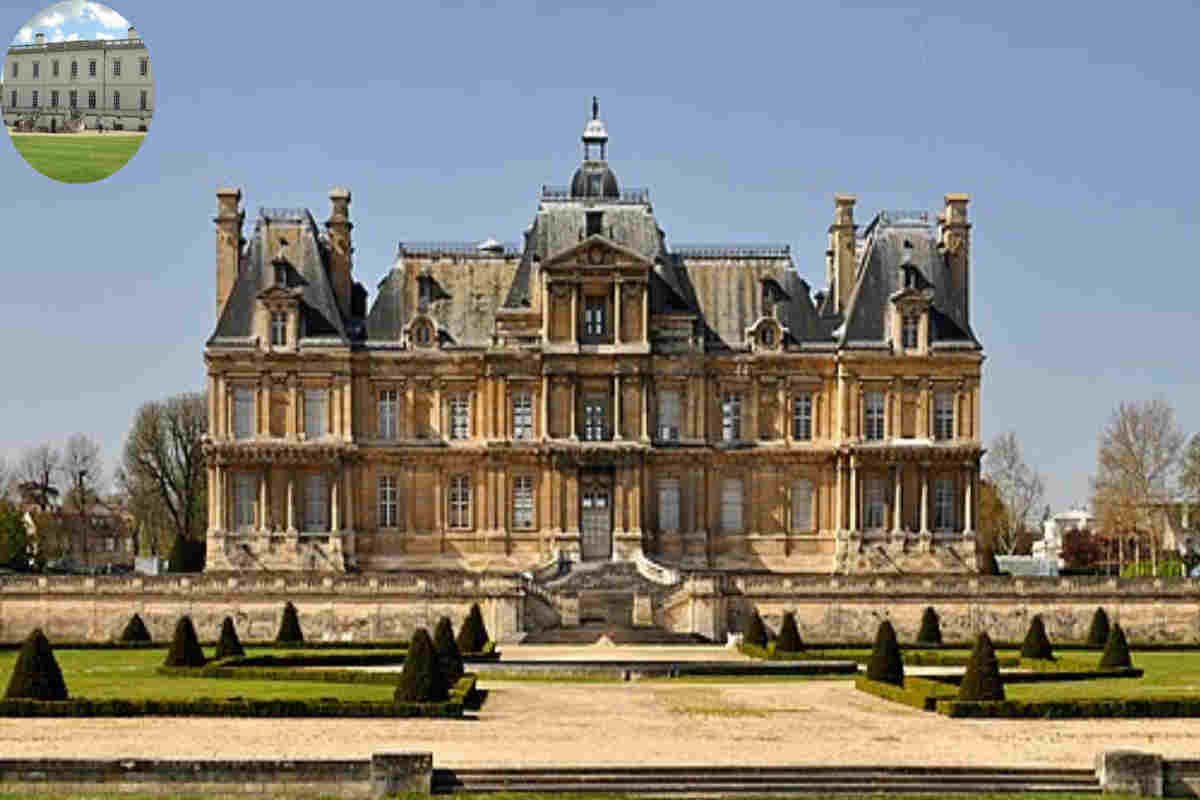
Christopher Wren is often hailed as the father of English Baroque architecture. His innovative approach changed the landscape of British building design in the late 17th century.
Wren’s mastery is perhaps best exemplified by St. Paul’s Cathedral in London. This iconic structure showcases his ability to blend classical elements with bold new ideas, creating a harmonious yet striking silhouette against the skyline.
The Multifaceted Genius of Architect Sir Christopher Wren. His understanding of geometry enhanced his architectural designs, allowing for structures that were both aesthetically pleasing and structurally sound.
Beyond St. Paul’s, Wren contributed to numerous churches and public buildings across England, each exhibiting unique characteristics that set them apart from their predecessors. His work laid foundational principles for future architects in the Baroque movement, making him an enduring figure in architectural history.
The Grandeur of Sir John Vanbrugh’s Designs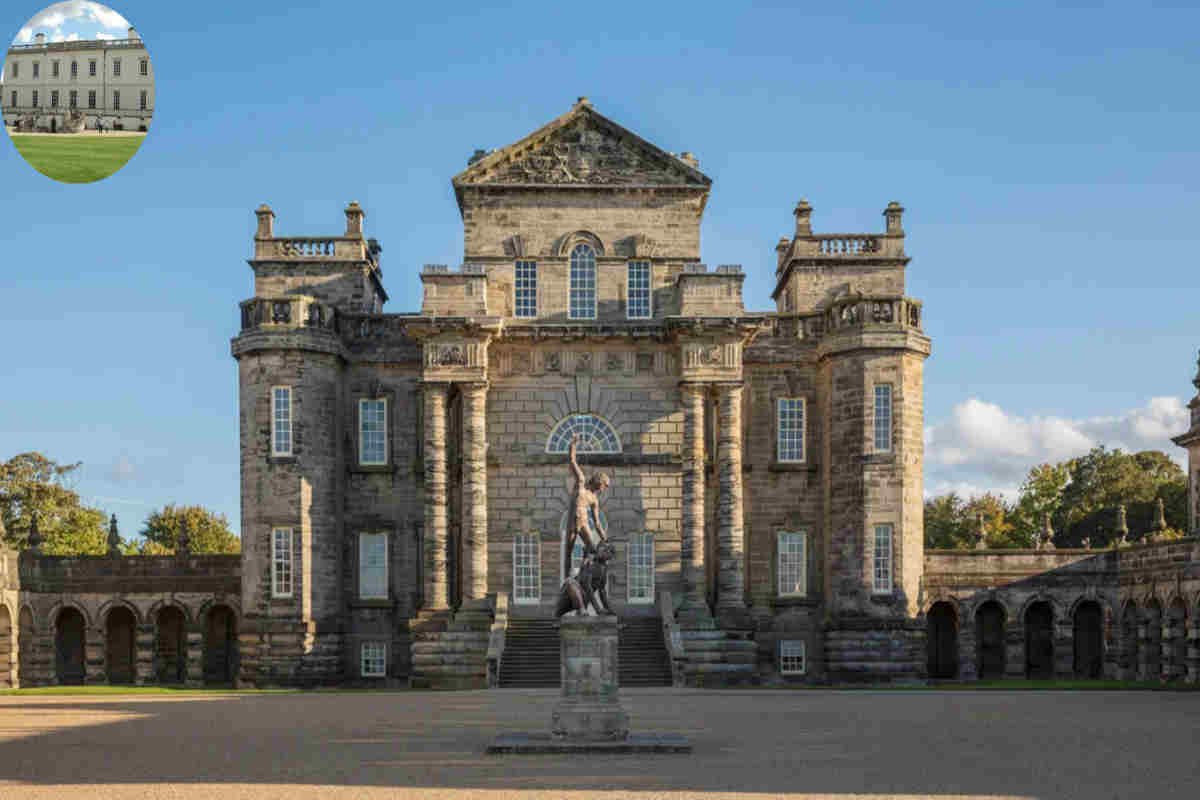
Sir John Vanbrugh’s designs are synonymous with grandeur and theatricality. His approach to architecture transformed the English landscape in the late 17th century.
One of his most notable works, Castle Howard, exemplifies his flair for creating dramatic spaces. The intricate facades and expansive gardens invite exploration, showcasing nature’s beauty alongside human artistry.
Vanbrugh had a unique ability to blend different styles. He often incorporated elements from classical architecture while adding his own twist. This resulted in structures that were both imposing and inviting.
His buildings tell stories through their design choices—every curve and detail has purpose. His mastery is not just seen but felt, drawing visitors into an experience rather than merely providing shelter.
The legacy of Vanbrugh endures today, influencing contemporary architects who strive to achieve similar levels of magnificence in their projects.
You may also read (why is architecture considered a form of home art).
The Elegant Touch of Nicholas Hawksmoor
Nicholas Hawksmoor was a visionary architect whose work defines the elegance of English Baroque. His designs are characterized by dramatic forms, intricate details, and an unyielding sense of grandeur.
Hawksmoor’s approach combined classical elements with innovative features. He wasn’t afraid to experiment, pushing boundaries while maintaining harmony in his structures. This balance is evident in iconic buildings like St. George’s Bloomsbury and Christ Church Spitalfields.
His use of ornamentation often tells stories through sculptures and carvings. These elements create an immersive experience for visitors who admire the artistry intertwined with functionality.
One striking aspect of Hawksmoor’s architecture is his mastery over light and space. His interiors draw the eye upward, inviting contemplation amidst soaring ceilings adorned with elaborate motifs.
Whether you’re exploring his churches or civic buildings, there’s no denying that Hawksmoor left a lasting mark on English Baroque architecture that continues to inspire today.
Lesser-Known Architects Making a Mark in English Baroque
While Christopher Wren and Sir John Vanbrugh often steal the spotlight, numerous lesser-known architects have contributed to English Baroque architecture.
One such figure is Thomas Archer. He blended classical elements with innovative designs in structures like St. John’s Church in Westminster. His work reveals a unique interpretation of Baroque ideals.
Known for his work on the Radcliffe Camera in Oxford, he fused Gothic elements with Baroque style, creating an architectural hybrid that remains iconic today.
Then there’s Robert Hooke, whose influence extended beyond buildings into urban planning. His imaginative approach helped shape areas like London after the Great Fire.
These architects may not be household names but they played crucial roles in defining England’s architectural landscape during this magnificent period. Recognizing Contributions to English Baroque History and Culture.
You may also read (what defines a master bedroom in house architecture).
Modern Adaptations and Inspirations from English Baroque Style
How English Baroque Affects Contemporary Architectural Styles.Elements such as grand facades, intricate detailing, and a sense of proportion are being reinterpreted in contemporary homes.
Many architects now infuse Baroque motifs into minimalist designs, creating a unique blend that honors tradition while embracing modernity. Curvilinear forms and dramatic staircases have found their way back into residential projects.
In urban settings, you might see nods to the past with classical columns and ornamental features used in new builds. The use of natural materials like stone and wood pays homage to the craftsmanship of Baroque masters.
Whether through restoration or fresh designs inspired by this historical style, the essence of English Baroque remains relevant. Its grandeur resonates deeply within today’s architectural landscape, proving its timeless appeal across generations.
You may also read (exploring technologys role in shaping modern home construction).
