
Imagine standing before your dream home’s blueprint, excited for a fresh start. But there’s one detail that can surprise even the most prepared: the new build house plumbing cost. For many UK homebuyers and builders in 2026, this vital system averages between £8,000 and £15,000—but it can climb well beyond that, depending on your plans.
Plumbing is the silent hero of every new home. It ensures clean water flows, waste is safely removed, and modern life runs smoothly from day one. But estimating the actual new build house plumbing cost isn’t always straightforward—factors like rough-in versus finishing, fixture types, and the complexity of your home’s layout matter. Whether you’re building a three-bedroom family home or a luxury custom build, understanding these costs is essential for precise budgeting—and peace of mind.
What Does New Build Plumbing Include
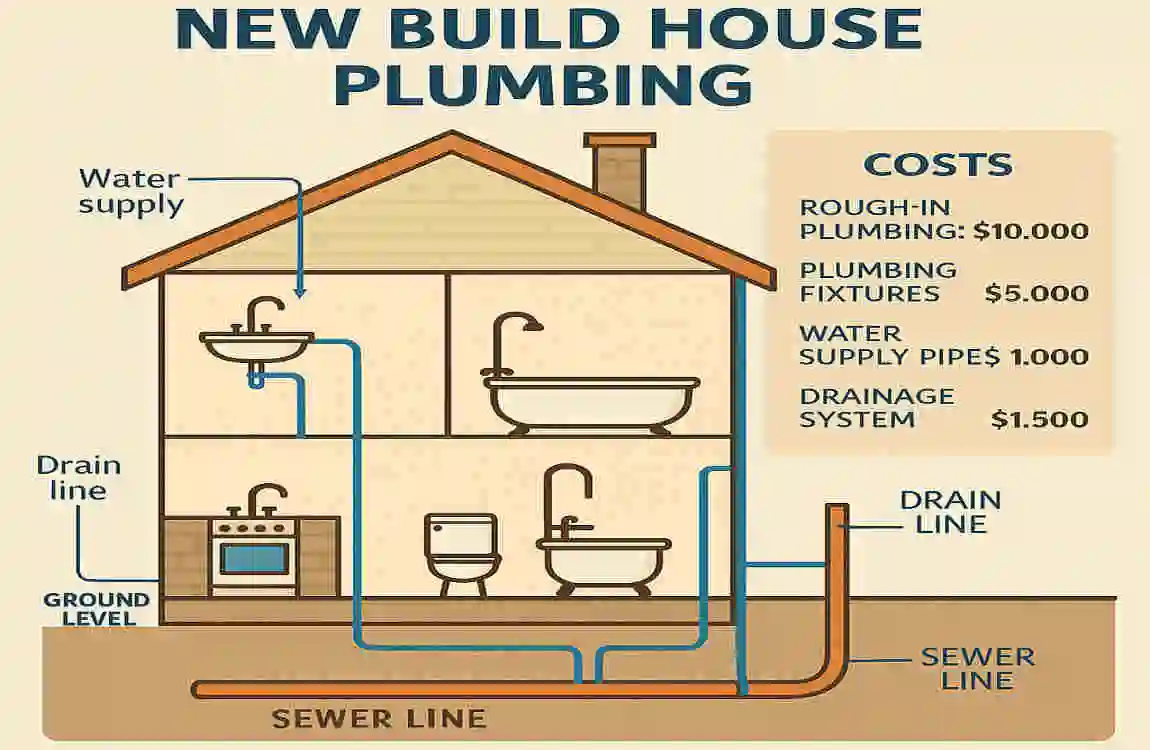
When you’re building a new home, plumbing is much more than just laying pipes. It’s a carefully planned system, designed to meet modern building codes and your family’s needs for years to come.
The Full Scope
New build plumbing covers:
- Rough-in stage: Main pipes for water supply and waste, vent stacks, and drainage runs before walls and floors are finished.
- Fixtures: Everything you see and use—sinks, toilets, showers, baths, taps, and appliances like washing machines or dishwashers.
- Connections: Linking the system to mains water, gas, and waste services.
- Heating integration: Boilers, underfloor heating, and radiators often tie into the plumbing system.
- Testing and inspection: Ensuring the system is safe, leak-free, and up to code.
New Build vs. Renovation
Plumbing in a new build is different from a renovation. Here, everything is installed from scratch—no need to work around old pipes or patchwork repairs. It means:
- Faster, more efficient installation
- Guaranteed compliance with the latest UK Building Regulations (like Part G for water supply)
- Cleaner layouts and fewer hidden surprises
Understanding these elements is key to estimating your new build house plumbing cost.
Key Components Checklist
- Water supply pipes
- Waste and soil pipes
- Ventilation stacks
- Stopcocks and isolation valves
- Sinks and basins
- Toilets and cisterns
- Showers and baths
- Boilers and heating systems
- External taps/garden plumbing
- Utility connections (washing machine, dishwasher)
Average New Build House Plumbing Cost in 2026
How much should you expect to spend? Let’s break down the average new build house plumbing cost in the UK for 2026, using the latest data and inflation-adjusted trends.
UK National Averages (2026 Estimates, Incl. VAT)
Plumbing Element Low-End Cost Mid-Range Cost High-End Cost Notes
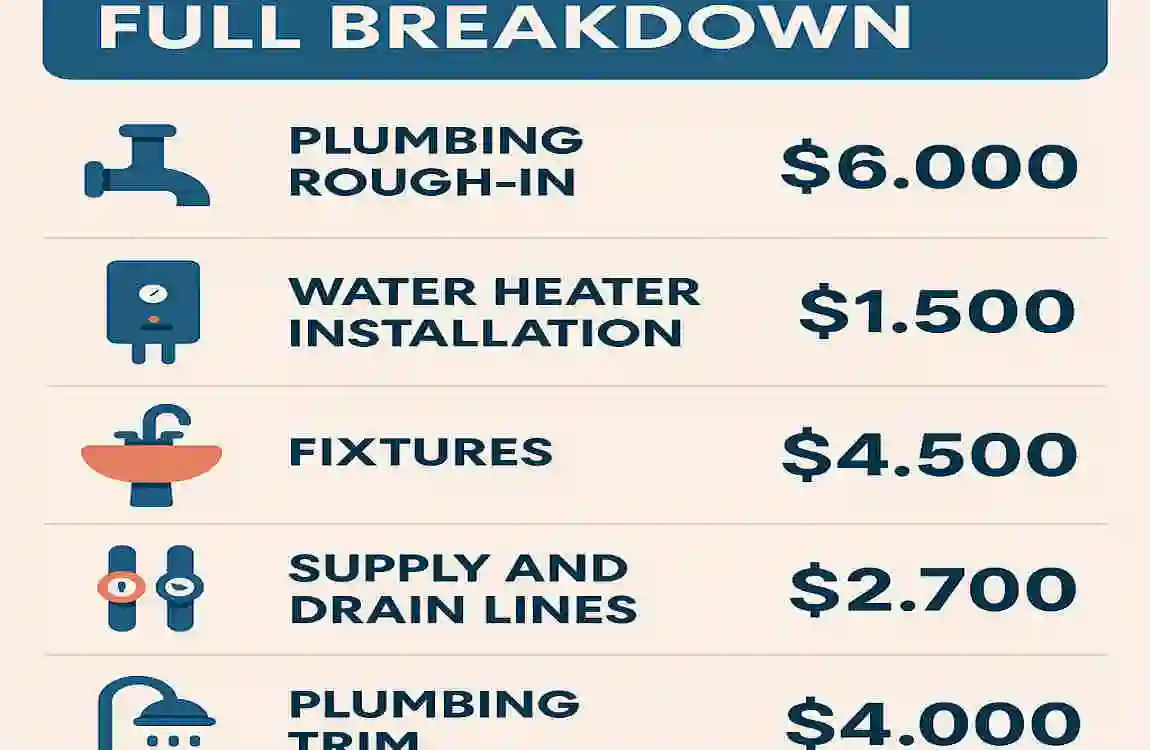
Full Rough-In (Pipes/Drains) £4,000 £6,500 £9,000 Per 3-bed house
Fixtures & Appliances £2,500 £4,000 £7,000 Includes boiler
Labour & Installation £1,500 £3,000 £5,000 20–40% of total
Total New Build Plumbing Cost £8,000 £13,500 £21,000 Varies by house size
Key Insights
- Inflation Impact: Plumbing costs have risen 5–7% from 2025, reflecting material price hikes and skilled labour shortages.
- Square Footage Pricing: Expect to pay £40–£80 per m² of floor space.
- Regional Variations:
- London & South East: +20% Premium due to higher wages and demand
- Rural areas: Up to -10% below average, but may face travel surcharges
- Project Size: A 3-bed house averages £13,500, but larger or more complex homes can see costs soar.
The average new build house plumbing cost for a 3-bed home is £13,500. Always request itemized quotes for the most accurate figures.
Detailed Cost Breakdown by Component
Understanding every part of your plumbing system can help you spot savings—and avoid overspending. Here’s what each significant element costs in 2026.
Pipes and Piping Systems
Materials and layout drive your rough-in costs.
- Copper Pipe: £20/m (durable, traditional, but pricier)
- PEX Pipe: £10/m (flexible, easy to install, growing in popularity)
- Typical Run: 100–200m for a standard 3-bed, so £1,000–£4,000 just for piping materials
You’ll need separate runs for:
- Supply lines (fresh, pressurized water)
- Waste lines (outgoing drains)
- Vent stacks (preventing pressure build-up)
Fixtures and Fittings
Fixtures make up a large part of your plumbing bill—and reflect your personal taste.
- Toilets: £150–£400 each (x3 for a typical house)
- Sinks/Basins: £100–£300 each (kitchen, bath, en suite)
- Showers/Baths: £300–£800 each
- Taps/Mixers: £50–£200 per set
- Kitchen appliances (dishwasher, washing machine): £300–£600 per unit
Upgrading to designer or bright fixtures? Expect to pay more, but most standard options keep costs manageable.
Heating and Boiler Integration
Your heating system is often tied to your plumbing.
- Combi Boiler: £2,000–£4,000, including installation and controls
- Underfloor Heating: Additional £1,500–£3,000 for tie-ins, depending on area covered
- Radiators: £200–£500 each
Remember: Heating can account for 30–50% of your total plumbing budget.
Drainage and Sewage Systems
Proper waste removal is critical—and regulated.
- Main soil stack/maintenance holes: £1,000–£3,000
- Outside connections: £500–£1,500
- Rainwater drainage: £500–£1,000 (if required)
Factors Influencing New Build Plumbing Costs
Why do some projects cost more than others? Here are the top drivers affecting your new build plumbing costs in 2026:
Cost Drivers
- House Size & Layout: More rooms and bathrooms = higher costs (4-bed vs. 2-bed: up to +50%)
- Material Choices: Premium copper or designer fixtures can double your spend
- Location & Labour Rates: Skilled plumbers charge £50–£100 per hour; London is pricier
- Site Conditions: Hard-to-access sites or sloped land add up to 15%
- Eco Upgrades: Solar-ready pipes, rainwater harvesting systems add about 10%
- Permits & Regulations: Building Regs Part G compliance, water authority sign-off
- Who Installs It: Main builder vs. specialist plumber—specialists may charge more but offer better warranties
- Inflation & Supply Chain: Brexit, import costs, and 2026 shortages can push prices up
Cost Comparisons: New Build vs. Other Projects
Ever wondered why new builds cost more to plumb than renovations or extensions? Here’s a clear comparison:
Project Type Average Cost % Diff. from New Build
New Build Plumbing £13,500 –
Renovation Plumbing £7,000 -48%
Extension Add-On £4,500 -67%
Luxury Custom Build £25,000 +85%
Insights
- New-build plumbing costs are higher due to full-system installations, strict compliance, and the lack of reuse of old pipes.
- Renovations may use existing lines, reducing both material and labour costs.
- Luxury builds involve Premium materials, bespoke layouts, and advanced tech.
Hidden Costs and Budget Busters in New Builds
Even the best-laid plans can go off track. Here are some hidden costs to watch for:
- Testing and Inspections: £500+ for Building Control sign-off and leak checks
- Change Orders: Mid-project tweaks can add 20% or more
- Delays from Other Trades: If electricians or tilers run late, your plumber might charge waiting fees
- Access Issues: Poor site roads or storage can increase costs
Avoid these to keep your new-build house plumbing costs on track.
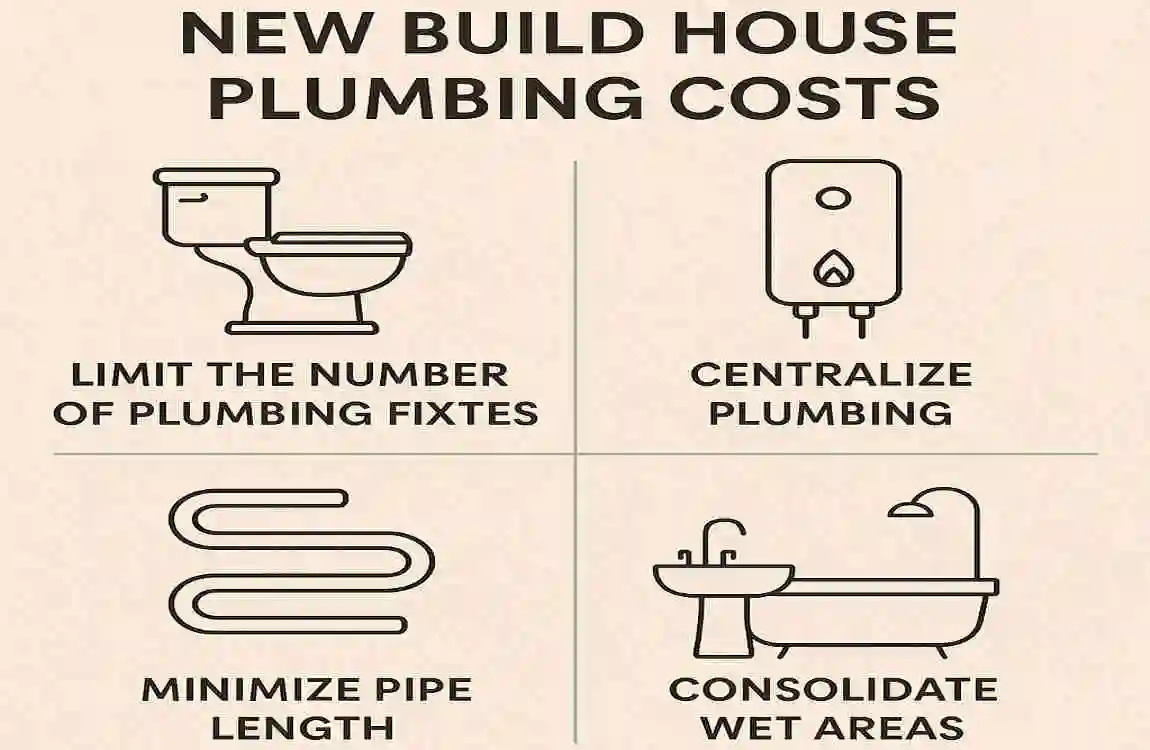
Looking to trim your budget? Here are seven proven strategies that can save you 15–30%:
- Choose PEX over copper: Modern, cheaper, and easier to install
- Standardize fixtures: Bulk-buying identical toilets, taps, and showers reduces unit costs
- Bundle with other trades: Coordinate with your builder to schedule plumbing alongside other work
- Opt for efficient boilers: Lower running costs, and may qualify for grants
- Plan your layout early: Group bathrooms and kitchens to reduce pipe runs
- Get multiple quotes: Compare at least three plumbers for the best price
- DIY minor prep: Clear spaces, mark out runs—but leave actual plumbing to pros (as per UK law)
Savings potential: Up to £3,000 on a typical project!
DIY vs. Professional: What to Consider
Is it worth tackling plumbing yourself? Here’s a quick look:
OptionProsCons
DIY : Save labour costs on prep; satisfaction. Risk of non-compliance; insurance issues; limited to very minor works
Professional Warranty, compliance, faster; can sign off on building regs —higher upfront costs.
Recommendation: For complete builds, always use qualified plumbers for safety and legal reasons.
