

Replacing a plumbing system is a significant undertaking for any homeowner, especially in Florida, where unique environmental and legal factors come into play. Whether you’re dealing with aging pipes, hurricane damage, or simply upgrading your home, understanding the process is crucial.
Whether you’re considering a DIY approach or hiring a professional, this comprehensive guide will walk you through every step of the process.
Understanding Plumbing Replacement in Florida
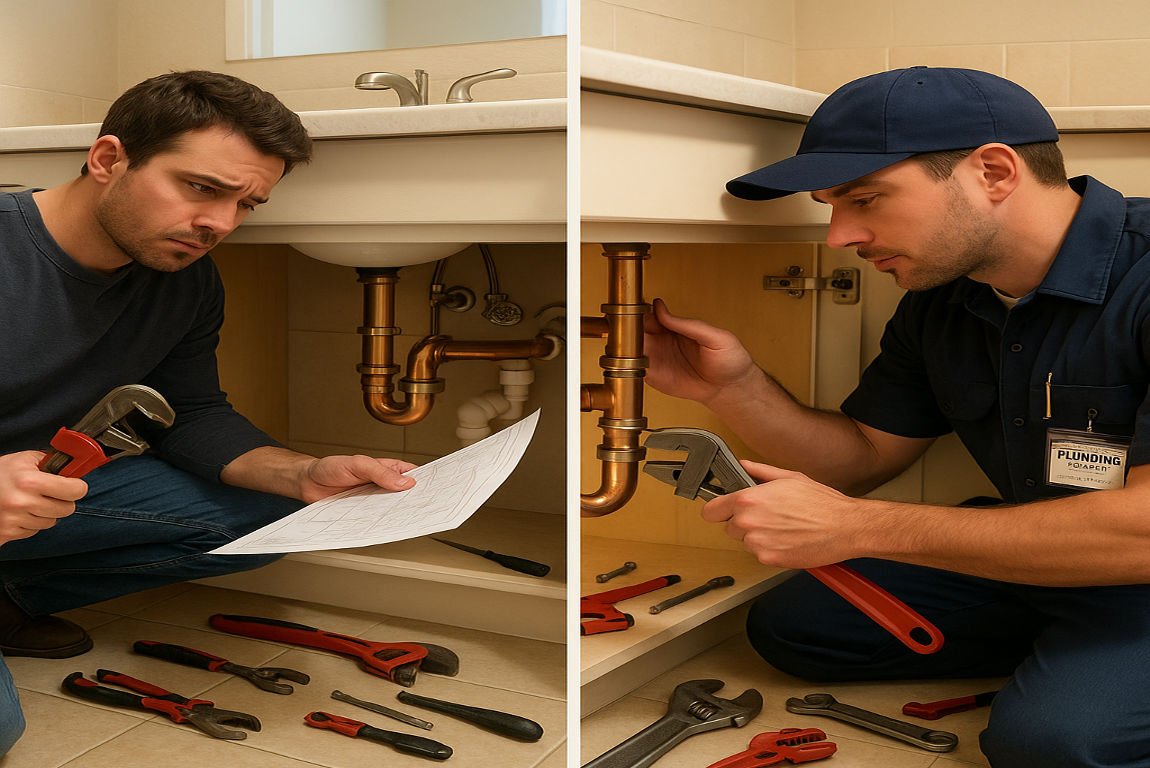
What Does “Replacing a Plumbing System” Mean?
Replacing a plumbing system involves removing old pipes and installing new ones to ensure the safe and efficient flow of water and waste. This can be a partial replacement, such as fixing a specific section of damaged pipes, or a full system replacement, which involves overhauling the entire plumbing network in your home.
In Florida, homeowners frequently encounter unique challenges that necessitate plumbing replacements. Common reasons include:
- Aging pipes: Many Florida homes, especially older ones, have outdated plumbing systems made of materials like galvanized steel, which can corrode over time.
- Corrosion and leaks: Florida’s humid climate and salt air can accelerate pipe corrosion, leading to leaks and water damage.
- Hurricane damage: Severe storms can damage plumbing systems, especially if flooding occurs.
- Code updates: Florida’s building codes are frequently updated to improve safety and efficiency, requiring homeowners to upgrade their systems during renovations.
Signs Your Plumbing System Needs Replacement
Are you unsure if your plumbing system needs attention? Look out for these warning signs:
- Frequent leaks or burst pipes
- Low water pressure
- Discolored or foul-smelling water
- Visible corrosion on pipes
- Persistent clogs or slow drains
Florida’s Unique Plumbing Challenges
Florida’s environment presents specific challenges for plumbing systems:
- High humidity and salt air: These factors can cause metal pipes to corrode more rapidly than in other regions.
- Water quality issues: Florida’s hard water can cause mineral buildup in pipes, reducing efficiency and lifespan.
- Hurricane preparedness: Plumbing systems in Florida homes must be designed to withstand flooding and storm damage.
Understanding these challenges is the first step in planning a successful plumbing replacement project.
Florida Law: Can a Homeowner Replace a Plumbing System in Florida?
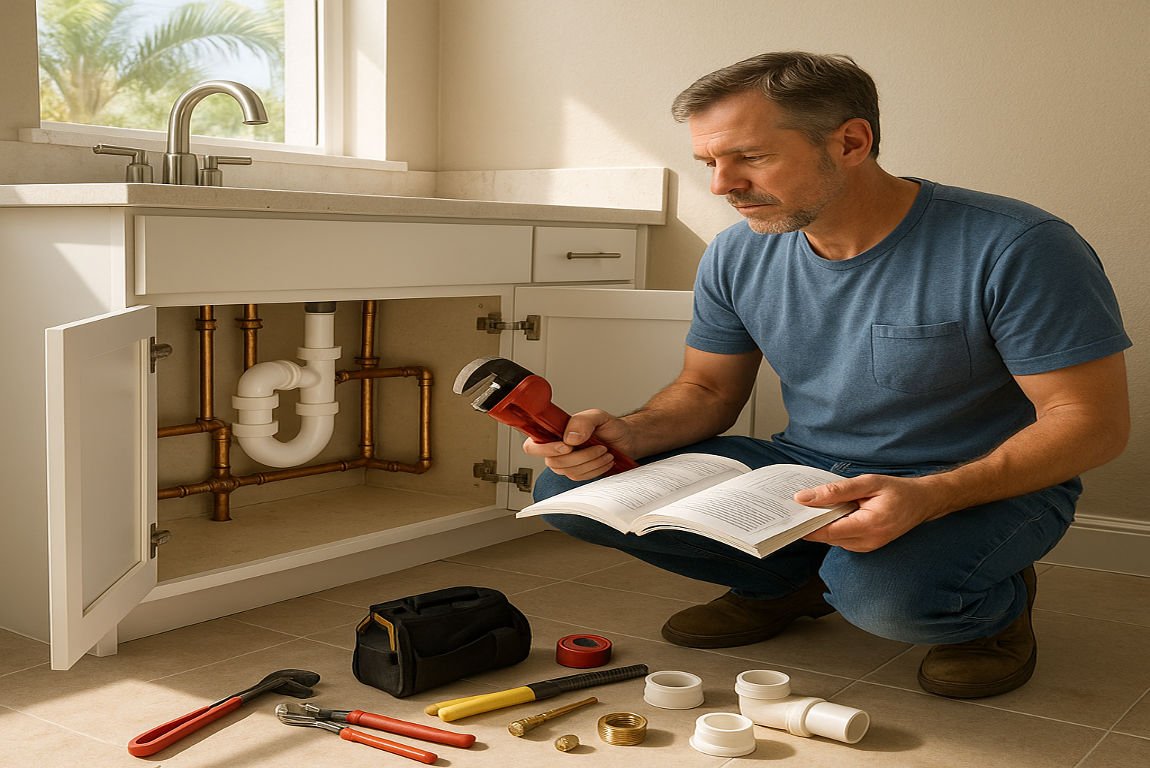
Legal Requirements and Permits
So, can a homeowner replace a plumbing system in Florida? The answer is yes—but with conditions. Florida law allows homeowners to perform certain plumbing tasks on their own property, but there are strict rules to follow.
You may also read (guide to purchasing a home).
- Permits are required: Most plumbing work, including replacements, requires a license from your local building department.
- Florida Building Code compliance: All work must meet the standards outlined in the Florida Building Code.
- Licensed plumber requirement: For complex tasks, such as sewer line replacements or gas piping, a licensed plumber is required.
Failing to obtain the necessary permits or comply with building codes can lead to serious consequences, including:
- Fines and penalties
- Issues with home insurance claims
- Problems during resale, as unpermitted work, may not pass inspection
DIY vs. Professional Plumbing Work
While Florida homeowners can legally perform some plumbing tasks, it’s essential to know your limits.
DIY Plumbing Work Allowed:
- Replacing faucets, showerheads, or fixtures
- Repairing minor leaks
- Installing new pipes in non-structural areas (with a permit)
When to Hire a Professional:
- Sewer line repairs or replacements
- Gas line work
- Complex plumbing layouts or major renovations
Always check with your local building department to confirm what’s allowed in your area.
Pros and Cons of DIY Plumbing Replacement
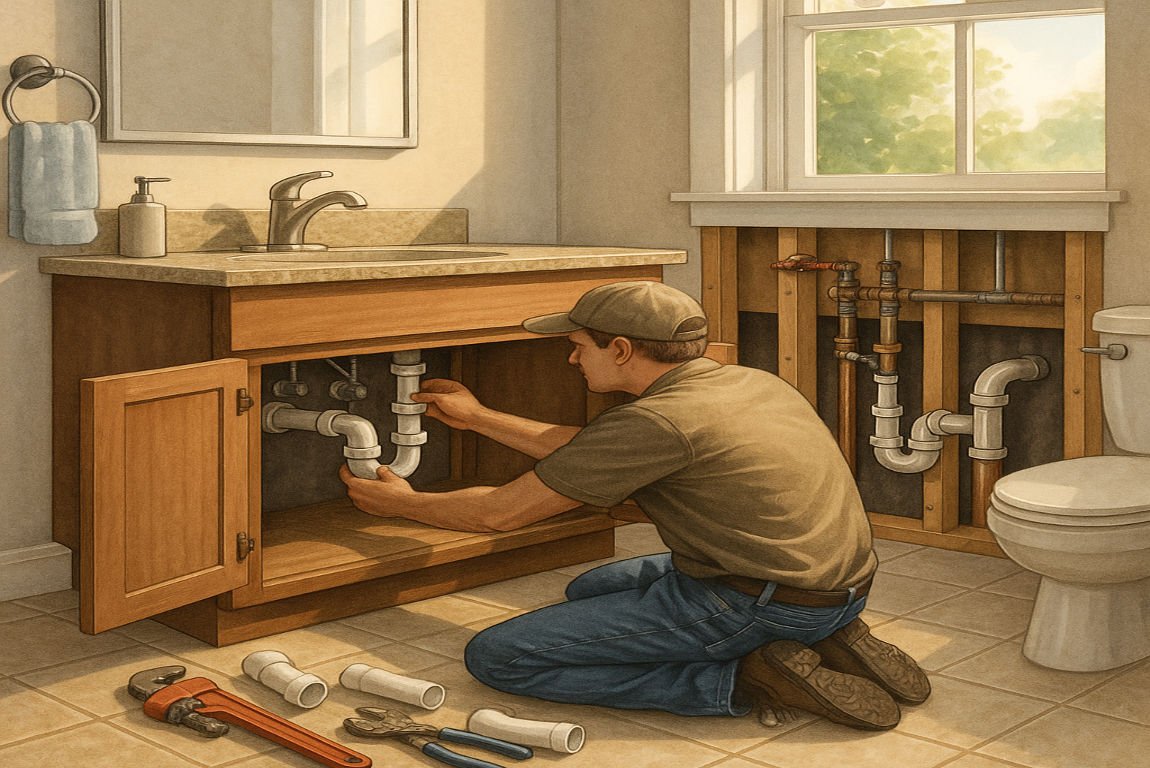
Advantages of DIY
Taking on a plumbing replacement project yourself can be a rewarding experience. Here are some benefits:
- Cost savings: Labor costs can make up a significant portion of professional plumbing fees. By doing the work yourself, you can save money.
- Learning experience: Completing a DIY project can be a valuable learning experience, providing a sense of accomplishment.
Risks and Drawbacks
However, DIY plumbing replacement comes with risks, especially in Florida:
- Safety hazards: Improper installation can lead to water damage, mold growth, or even electrical risks.
- Code violations: Failing to meet Florida’s strict building codes can result in failed inspections.
- Voided insurance: Unpermitted work may void your home insurance policy.
- Complexity: Florida’s unique plumbing challenges, such as hard water and hurricane preparedness, can make DIY projects more difficult.
Step-by-Step Guide – If You Decide to Replace Plumbing Yourself
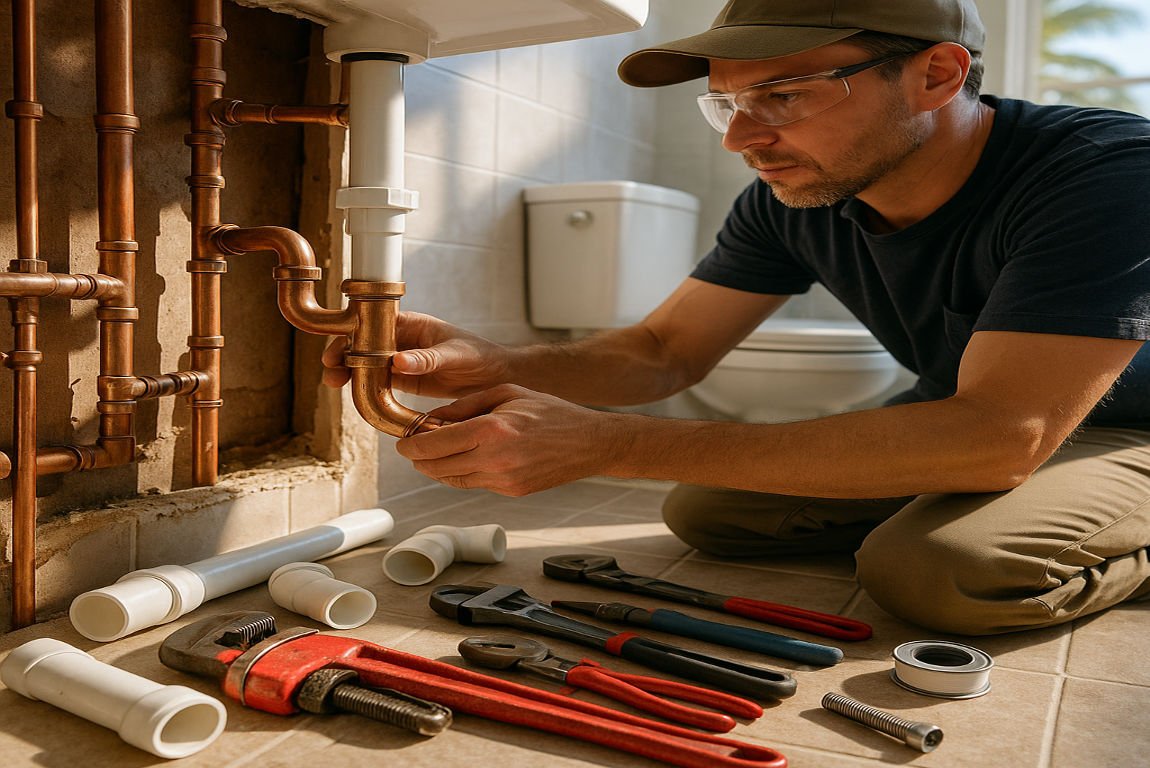
If you’re confident in your skills and ready to tackle a plumbing replacement project, follow these steps:
Planning and Permitting
You may also read (how can you insulate the underside of a mobile home).
- Research local codes: Check your city or county’s website for plumbing permit requirements.
- Gather the necessary tools and materials. Common tools include pipe cutters, wrenches, and a soldering kit.
- Create a timeline: Plan your project to minimize disruptions to your household and daily life.
Shutting Off Water and Preparing the Site
- Locate the main shutoff valve: Turn off the water supply to your home.
- Drain the system: Open faucets to remove any remaining water.
- Protect your home: Use tarps or drop cloths to protect floors and furniture.
Removing Old Plumbing
- Use safe demolition techniques: Cut pipes carefully to prevent damage to surrounding structures.
- Handle hazardous materials: Be cautious of lead pipes, asbestos insulation, or mold.
Installing New Pipes
- Select suitable materials: CPVC, PEX, and copper are popular options for homes in Florida.
- Follow proper techniques: Ensure pipes are sloped correctly and securely supported.
- Work in Florida’s climate: Avoid working during extreme heat or humidity to prevent mistakes.
Testing and Inspection
- Pressure test the system: Check for leaks before restoring water flow.
- Schedule an inspection: Contact your local building department to ensure your work complies with the local building code codes.
- Fix any issues: Address any problems identified during the inspection.
When to Call a Licensed Florida Plumber
Warning Signs You Need a Pro
- Major leaks or sewer line issues: These require specialized equipment and expertise.
- Unfamiliarity with code: If you’re unsure about legal requirements, it’s best to hire a professional.
- Failed inspections: A licensed plumber can help correct any issues.
How to Choose a Qualified Plumber
- Check licensing and insurance: Verify that the plumber is licensed in Florida and carries liability insurance.
- Read reviews: Look for positive feedback from previous customers.
- Ask questions: Inquire about experience, warranties, and pricing before making a hiring decision.
Costs and Budgeting for Plumbing Replacement
DIY Cost Breakdown
- Tools: $100–$500
- Permits: $50–$200
- Materials: $500–$2,000
- Time investment: Several days to weeks
Professional Cost Breakdown
- Labor: $2,000–$5,000
- Materials: Included in most quotes
- Hidden costs: Permits, repairs, or code upgrades
Ways to Save Money
- Opt for partial replacements instead of a full overhaul.
- Choose cost-effective materials like PEX over copper.
- Combine plumbing projects to reduce labor costs.
ExpenseDIY CostProfessional Cost
Tools $100–$500 Included
Materials $500–$2,000 Included
Labor Free (your time) $2,000–$5,000
Permits $50–$200 $50–$200
Local SEO and Finding Florida Plumbing Resources
How to Find Local Information
- Visit your city or county website for permit and code details.
- Check out local plumbing supply stores for advice and materials.
- Join Florida homeowner forums to connect with others who’ve tackled similar projects.
Optimizing for Local Search
When searching online, use terms like “Can a homeowner replace the plumbing system in Florida” to find relevant resources. Look for reputable plumbers and DIY guides tailored to Florida’s unique needs.
You may also read (understanding fip in home).
