
Have you ever stepped into the shower, expecting a refreshing blast, only to be met with a disappointing trickle? Or maybe you’ve noticed your faucets are leaking or your washing machine is taking forever to fill. These everyday annoyances often boil down to one crucial factor: how much water pressure for the house is just right.
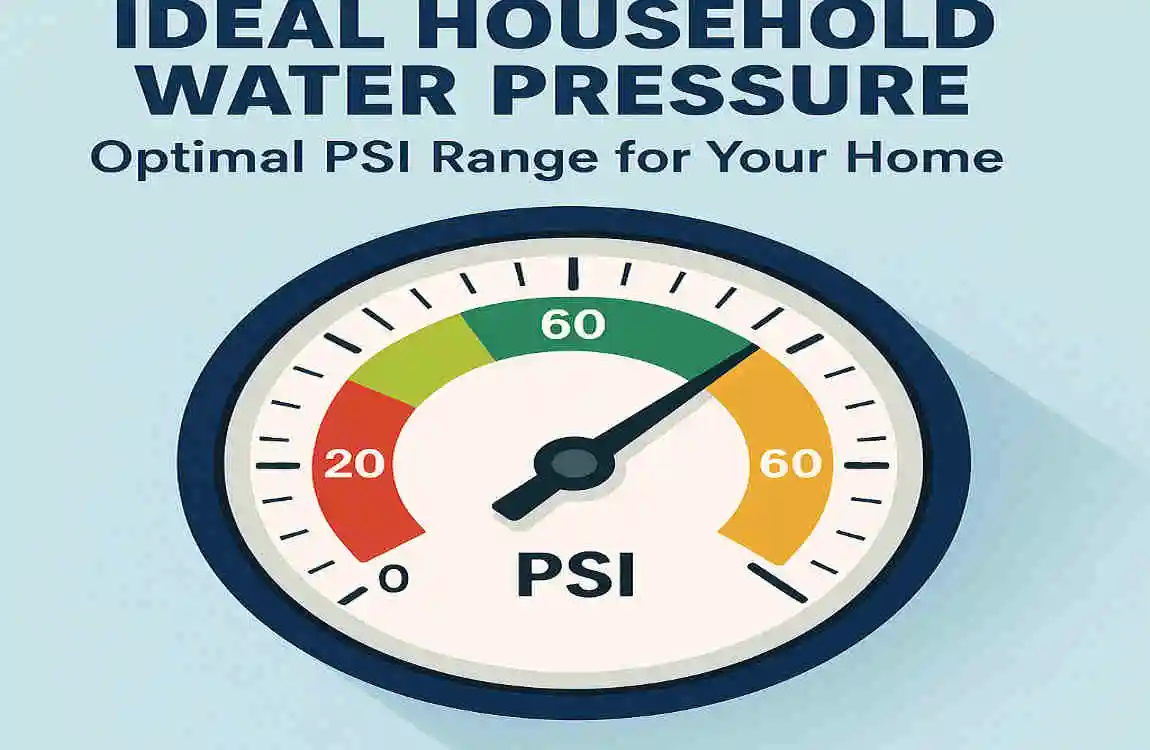
The ideal household water pressure typically falls between 40 and 60 PSI (pounds per square inch). This range ensures a strong, satisfying flow for showers and appliances while protecting your plumbing from unnecessary wear and tear. If your pressure creeps above 80 PSI, you risk leaks, burst pipes, and even voided warranties. On the flip side, anything below 40 PSI can leave you with weak showers and slow-filling appliances, making daily tasks a hassle.
Why does this matter? High water pressure is responsible for up to 30% of plumbing failures in homes, leading to costly repairs and wasted water. Meanwhile, low pressure can make simple chores frustrating and inefficient. Striking the right balance not only improves your comfort but also extends the life of your plumbing and appliances, saving you money in the long run.
What Is Water Pressure

Water pressure is simply the force that pushes water through your pipes, measured in PSI (pounds per square inch). Think of it like the difference between a gentle garden hose and a powerful fire hose. The higher the PSI, the stronger the water flow.
- Low PSI: Like a garden hose barely turned on—water dribbles out.
- High PSI: Like a fire hose—water blasts out with force.
What Affects Your Home’s Water Pressure?
Several factors influence the household water pressure range:
- Municipal Supply: Most city water lines deliver between 50 and 100 PSI to your home’s main line.
- Elevation: If your house sits higher than the water source, you’ll lose about 0.43 PSI for every foot of elevation.
- Pipe Size and Condition: Narrow or clogged pipes restrict flow, lowering pressure.
- Distance from Main Line: The farther your home is from the main supply, the greater the risk of pressure drop.
Residential vs. Commercial Needs
- Residential Homes: Need a safe, reliable range—40 to 80 PSI is the maximum allowed by most plumbing codes.
- Commercial Buildings: Often require higher pressure due to more fixtures and longer pipe runs, but still must avoid exceeding safe limits.
Water Pressure Table
Here’s a quick reference to help you understand what different PSI levels mean for your home:
PSI LevelDescriptionExample Impact
<30 Too low Trickle shower, slow-filling appliances
40-60 Ideal Strong flow, safe for pipes and appliances
60-80 Acceptable Monitor for wear, may cause minor leaks over time
>80 Too high Risk of leaks, pipe damage, voided warranties
Key takeaway: Keeping your water pressure in the 40-60 PSI range is the best way to ensure comfort, efficiency, and plumbing safety.
Ideal PSI Range Explained
The Sweet Spot: 40-60 PSI
So, how much water pressure for a house is truly ideal? Experts agree that 40-60 PSI is the optimal range for most homes. Within this range, you’ll enjoy:
- Strong showers (2+ gallons per minute)
- Efficient appliance operation
- Minimal risk of leaks or pipe bursts
Most homeowners find the 50-60 PSI range to be the “sweet spot”—strong enough for comfort, gentle enough for safety.
Why Not Higher or Lower?
- Below 40 PSI: You’ll notice weak flow from showers and faucets, slow toilet fill times, and poor performance from dishwashers and washing machines.
- Above 60 PSI: While you might enjoy a powerful shower, you’re putting extra stress on your pipes, seals, and appliances. Over time, this can lead to leaks, noisy pipes, and even catastrophic failures.
PSI Needs by Fixture
Different fixtures in your home have slightly different needs:
- Showers: Work best at 45 PSI or higher for a satisfying flow.
- Faucets: Typically need at least 50 PSI for good performance.
- Appliances: Most require a minimum of 40 PSI to operate efficiently.
Multi-Story Homes: Adjusting for Elevation
If you live in a multi-story home, remember that water pressure drops by about 0.43 PSI for every foot of elevation. That means the top floor may have noticeably lower pressure than the ground floor. In these cases, you might need to set your central pressure a bit higher (but still below 80 PSI) to ensure adequate flow upstairs.
Plumbing Codes and Safety
The Uniform Plumbing Code and most local regulations cap residential water pressure at 80 PSI. Exceeding this limit can void warranties on appliances and fixtures, and may even violate building codes.
Normal House Water Pressure: Quick Reference
Fixture/AreaRecommended PSI
Showers 45+
Faucets 50+
Appliances 40+
Whole House 40-60 (ideal)
Remember: The goal is to balance comfort and safety. Too much pressure is just as problematic as too little.
Signs of Incorrect Pressure
How to Spot Low Water Pressure (<40 PSI)
If your home’s water pressure is too low, you’ll likely notice:
- Weak flow from multiple taps
- Showers that feel more like a drizzle than a downpour
- Toilets and appliances that fill slowly
- Washing machine or dishwasher cycles are taking longer than usual.
- Inconsistent water temperature
Common Causes of Low Pressure:
- Clogged aerators or showerheads
- Leaky pipes or fixtures
- Faulty pressure-reducing valve (PRV)
- Municipal supply issues
- Old, corroded pipes
How to Spot High Water Pressure (>60 PSI)
High water pressure can be just as troublesome. Watch for:
- Noisy pipes (banging or “water hammer” sounds)
- Dripping faucets, even when turned off
- Frequent leaks or burst pipes
- Worn-out seals in appliances
- Shortened lifespan of water heaters, dishwashers, and washing machines
Common Causes of High Pressure:
- Faulty or missing PRV
- Municipal supply pressure spikes
- Thermal expansion in a water heater
- The booster pump is incorrectly set.
- Recent plumbing work or renovations
Quick Symptom Checklist
Low Pressure:
- Trickle from taps
- Slow appliance fill
- Inconsistent flow
High Pressure:
- Banging pipes
- Leaky fixtures
- Appliance breakdowns
Tip: If you notice any of these symptoms, it’s time to check your water pressure and take action!
How to Measure Water Pressure
Step-by-Step Guide
Measuring your home’s water pressure is a simple DIY task. Here’s how you can do it:
- Buy a Water Pressure Gauge
- Pick up a basic gauge for about $10 at any hardware store. Look for one that screws onto a standard hose bibb (outdoor faucet).
- Turn Off All Water-Using Appliances
- Make sure no one is using water inside the house—turn off washing machines, dishwashers, and all faucets.
- Attach the Gauge to an Outdoor Faucet
- Screw the gauge onto a hose bibb or laundry tub faucet. Make sure it’s tight to prevent leaks.
- Fully Open the Valve
- Turn the faucet all the way on. The gauge will display your home’s static water pressure in PSI.
- Test Hot and Cold Lines
- For a complete picture, test both hot and cold water lines at different locations.
- Record the Reading
- Note the PSI. If it’s between 40 and 60, you’re in the ideal range!
Troubleshooting Tips
- Test Multiple Spots: If you get different readings at different faucets, you may have a localised issue (such as a clogged pipe or a faulty valve).
- Check at Peak and Off-Peak Times: Municipal pressure can fluctuate throughout the day.
Table: Water Pressure Readings and What to Do
PSI Reading: What It Means. Action Needed
<40 Too low. Check for leaks, consider a booster pump
40-60 Ideal No action needed
60-80 Acceptable, monitor Consider PRV adjustment
>80 Too high. install/adjust PRV, call a pro
Pro Tip: If you’re unsure, take a photo of your gauge reading and show it to a plumber for advice.
Adjusting Water Pressure
DIY Fixes for Low or High Pressure
For Low Pressure:
- Clean Aerators and Showerheads: Mineral buildup can restrict flow. Soak in vinegar and scrub clean.
- Check for Leaks: Inspect pipes and fixtures for drips or puddles.
- Open Main Shutoff Valve: Sometimes, the main valve isn’t fully open after repairs.
For High Pressure:
- Adjust the Pressure Reducing Valve (PRV): Most homes have a PRV near the main water line. Use a wrench to turn the adjustment screw—clockwise to increase, counterclockwise to decrease.
- Install a PRV if missing: If your home doesn’t have one, a plumber can install a PRV preset to 50 PSI (adjustable from 25-75 PSI).
Professional Solutions
- Pressure Reducing Valve (PRV):
- Cost: $200–$500 installed
- DIY?: Adjustment is DIY-friendly, but installation is best left to pros.
- Booster Pump:
- Cost: $500+ (plus installation)
- DIY?: Not recommended—requires electrical and plumbing expertise.
Comparison Table: Fixes for Water Pressure Issues
IssueTool/FixCostDIY?
Low-Pressure Booster Pump $500+ No
High Pressure PRV $300 Pro
Warnings and Tips
- High PSI can void warranties on water heaters, dishwashers, and other appliances.
- Always shut off the water supply before making adjustments.
- If in doubt, call a licensed plumber—especially for major repairs or installations.
Benefits of Optimal PSI

Maintaining the optimal home water PSI (40-60) offers several significant benefits:
- Saves Water: Efficient flow means less waste, lowering your utility bills.
- Extends Appliance Life: Water heaters, dishwashers, and washing machines last longer when not stressed by high pressure.
- Prevents Costly Repairs: Avoids leaks, burst pipes, and water damage.
- Improves Comfort: Enjoy strong, consistent showers and faster-filling sinks and tubs.
- Protects Plumbing: Reduces wear on pipes, valves, and seals.
In short: The proper water pressure keeps your home comfortable, efficient, and safe.
