
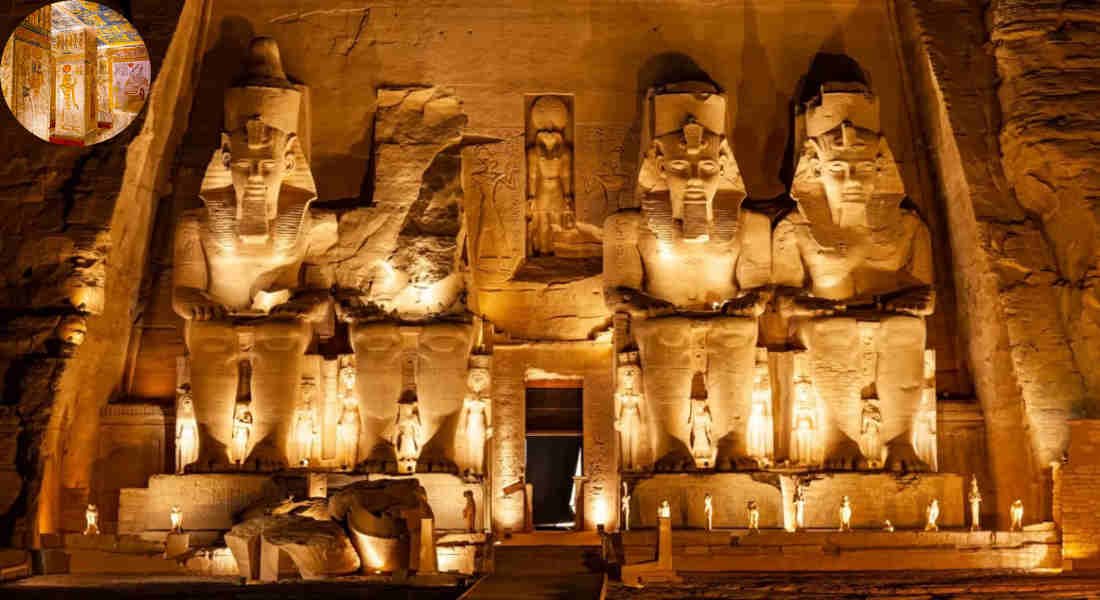
Understanding the architecture of Pharaohs’ houses offers a unique window into the grandeur, ingenuity, and social structure of ancient Egyptian civilization. While the term “Pharaoh’s house” often brings to mind magnificent palaces and royal residences, it also encompasses the broader architectural traditions that shaped both royal estates and ordinary homes. Ancient Egyptian architecture, especially in the context of royal dwellings, was defined by its adaptation to the environment, the use of locally available materials, and the expression of power and prestige through design and decoration.
The Importance of Pharaohs’ Houses in Ancient Egypt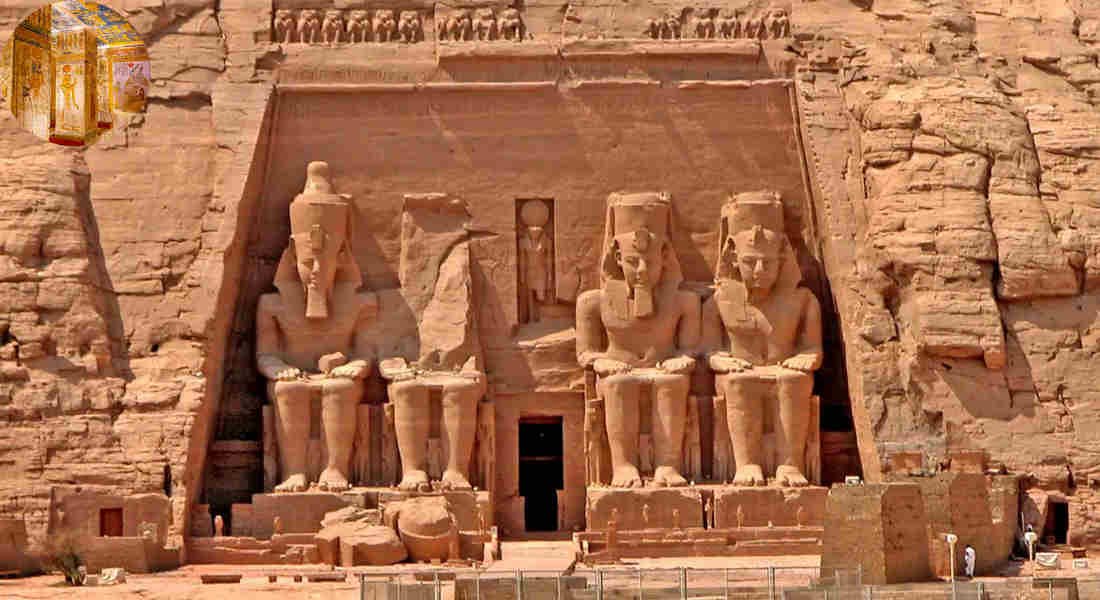
Pharaohs’ houses held tremendous significance in ancient Egypt. These structures were not just homes; they symbolized power and authority. They showcased the wealth and status of their royal inhabitants, reflecting the grandeur of a civilization.
These residences served as centers for governance. Decisions impacting the entire kingdom were made within their walls. The layout often included administrative areas that facilitated day-to-day operations.
Artisans and scribes congregated to create works that celebrated pharaonic achievements. Festivals and rituals frequently took place here, solidifying the connection between rulers and deities.
The architecture itself also conveyed messages about divine order and stability. Every wall, column, or courtyard was intentionally designed to promote a sense of permanence in an ever-changing world. Thus, pharaohs’ houses remain crucial for understanding ancient Egyptian society’s values and beliefs.
Characteristics of Pharaohs’ House Architecture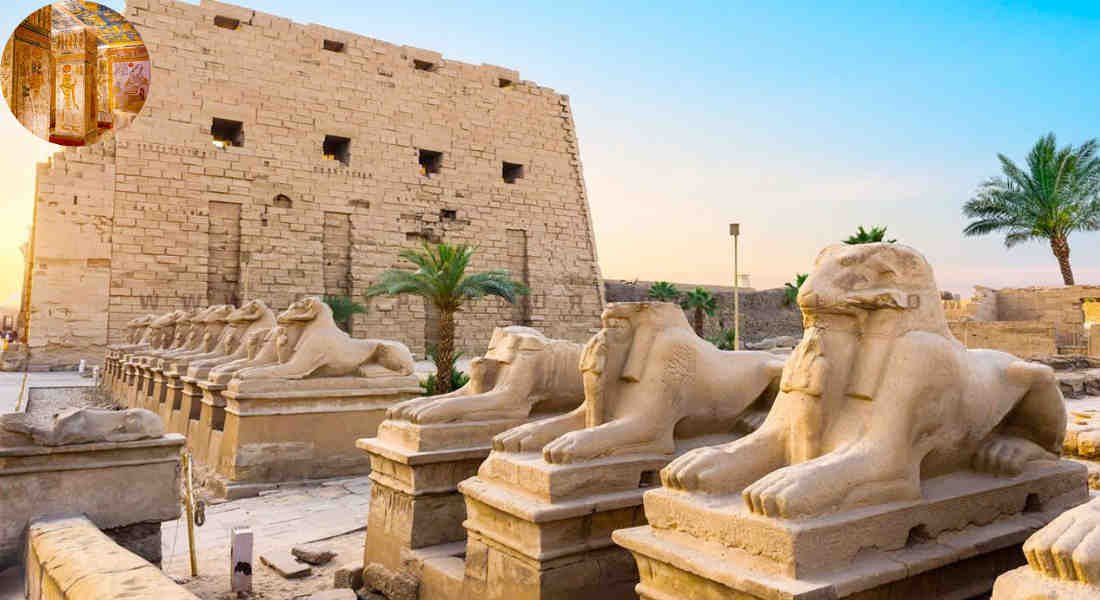
Pharaohs’ house architecture showcases a blend of grandeur and functionality. These structures were designed to reflect the immense power and divine status of their occupants.
One prominent characteristic is the use of massive stone blocks. This not only provided durability but also symbolized stability, reinforcing the pharaoh’s eternal reign.
High ceilings and large courtyards created an impressive sense of space. Open areas served as gathering spots for ceremonies and festivals, emphasizing community ties within royal life.
Intricate carvings adorned walls, often depicting mythology or daily activities. Such artwork narrated stories that celebrated both the pharaoh’s achievements and religious beliefs.
Symmetry played a crucial role in design. Balanced layouts fostered harmony, aligning with ancient Egyptian ideals about order in both architectural style and society itself.
The inclusion of gardens added greenery to these grand spaces. They offered beauty while serving practical purposes like food production or relaxation retreats for the royal family.
You may also read (what defines italian baroque home architecture).
Types of Pharaohs’ Houses – Palaces, Temples, Tombs
Pharaohs’ houses took on various forms, each serving a distinct purpose. Palaces were grand residences where the rulers lived and conducted state affairs. These structures often featured expansive courtyards, elaborate gardens, and intricate frescoes.
Temples held religious significance. They were places of worship dedicated to gods and goddesses, showcasing the pharaoh’s role as a divine intermediary. The architecture was monumental, adorned with towering columns and intricate carvings that depicted important rituals.
Tombs differed significantly from both palaces and temples. Designed for the afterlife journey, they were hidden away in desert cliffs or pyramids. Elaborate burial chambers contained treasures meant to accompany the pharaoh into eternity.
Each type of structure reflected not only power but also cultural beliefs and societal values at the time. Their designs have left an indelible mark on history, revealing much about ancient Egyptian civilization’s priorities.
The Role of Religion in the Design and Layout of Pharaohs’ Houses
Religion was a cornerstone of ancient Egyptian life, intricately woven into the very fabric of pharaohs’ houses. Sacred spaces were often designed with meticulous attention to spiritual significance.
Temples served as more than mere structures; they were gateways to the divine. The layout typically featured towering columns and expansive courtyards, inviting worshippers while also showcasing the pharaoh’s power over deities.
The placement of rooms reflected religious beliefs. Statues of gods adorned sanctuaries, emphasizing their presence in daily life and governance. Rituals conducted within these walls reinforced the connection between heaven and earth.
Elaborate designs symbolized eternal rest and protection for rulers on their journey beyond death.
These elements combined reveal how deeply religion influenced not just aesthetics but also functionality within pharaohs’ homes, manifesting both reverence and authority through architecture.
You may also read (navigating the future of 21st century home architecture).
Materials Used in Constructing Pharaohs’ Houses
The construction of Pharaohs’ houses relied heavily on locally sourced materials. Limestone and sandstone were staples, as they were abundant along the Nile River. These stones not only provided strength but also offered a beautiful finish.
Mudbrick was another popular choice, especially for less grand structures. It was easy to mold and shape, making it ideal for housing workers or temporary quarters.
Wood was often scarce in Egypt, yet when available, it adorned ceilings and door frames. Cedar from Lebanon became a prized material due to its durability and fragrance.
Decorative elements featured plaster mixed with pigments that created vibrant murals depicting daily life or religious scenes. This artistry transformed simple walls into storytelling canvases.
Each of these materials contributed uniquely to the architectural identity of ancient Egyptian structures while reflecting the resources available in their environment.
Key Features and Elements of a Pharaoh’s House
When exploring the architectural wonders of pharaohs’ houses, several key features stand out. These elements not only define the structure but also reflect the culture and beliefs of Ancient Egypt.
First, symmetry plays a crucial role in design. Pharaohs favored balanced layouts that conveyed stability and order. This characteristic is evident in their grand entrances and aligned columns.
These materials provided strength and durability to withstand time’s passage. The precise craftsmanship involved showcases the skills of ancient builders.
Decorative motifs are another hallmark. Hieroglyphics, carvings, and vivid paintings adorned walls, telling stories about gods, daily life, and royal achievements. Such embellishments served both aesthetic purposes and religious narratives.
They allowed for gatherings while providing light and air circulation within larger complexes like palaces or temples.
Windows were often small or absent altogether in tombs to protect against grave robbers while creating an atmosphere suited for eternity—an essential aspect when considering how pharaohs viewed life after death.
Water features such as pools or fountains were included to symbolize life-giving properties—a nod to the Nile’s importance in Egyptian civilization.
These distinctive characteristics reveal much about how pharaohs used architecture as a means to express power, spirituality, and cultural identity throughout history.
You may also read (what does dissemination mean in gothic home architecture).
