
Power outages can strike at any time, leaving households scrambling to maintain basic utilities. One pressing question that comes to mind during a blackout is: Does home plumbing work during a power outage? For many, the uncertainty surrounding water access, appliance functionality, and overall plumbing system performance can create unnecessary stress.
In this comprehensive guide, we’ll explain how home plumbing works, what happens during power outages, and how you can prepare to avoid common plumbing-related challenges. Whether you rely on city water or well Water or live in a high-rise building, we’ll provide the insights you need to stay informed and prepared.
Understanding How Home Plumbing Works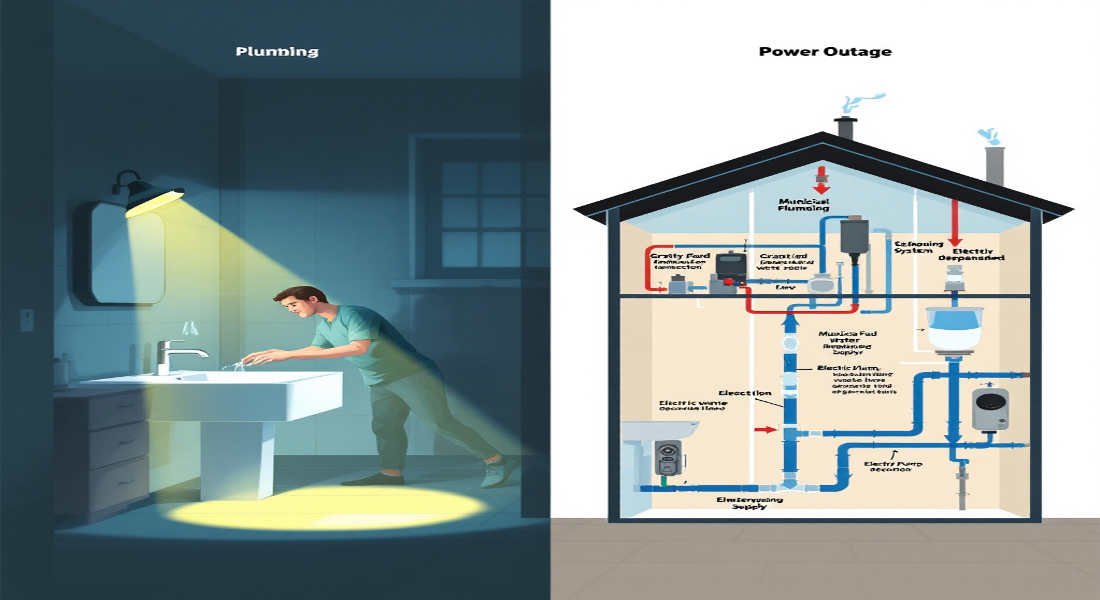
Understanding the basic structure and function of plumbing is important to grasping how it behaves during power outages.
Basic Components of a Home Plumbing System
At its core, a home plumbing system consists of:
- Water Supply: This is the source of Water, which could be a municipal (city) supply or a private well.
- Pipes and Valves: These transport water throughout your home, delivering it to faucets, showers, toilets, and appliances.
- Fixtures and Appliances: These include sinks, bathtubs, water heaters, and dishwashers, all of which rely on the plumbing system to function.
Role of Electricity in Modern Plumbing Systems
While plumbing might seem independent of electricity, many components require power. For example:
- Well, Pumps: Homes with private wells rely on electric pumps to extract Water.
- Sump Pumps: These prevent flooding in basements by draining Water.
- Water Heaters: Both electric and gas Water heaters with electric ignition need power to provide hot Water.
- Sewage Pumps: Pump-assisted systems depend on electricity to move wastewater away from your home.
City Water vs. Well Water Systems
- City Water Supply: Municipal systems typically rely on gravity and water towers to maintain pressure. These systems often continue functioning, at least temporarily, during a power outage.
- Well Water Systems: Private wells need electric pumps to draw Water. Without power, water flow stops entirely.
Does Home Plumbing Work During a Power Outage?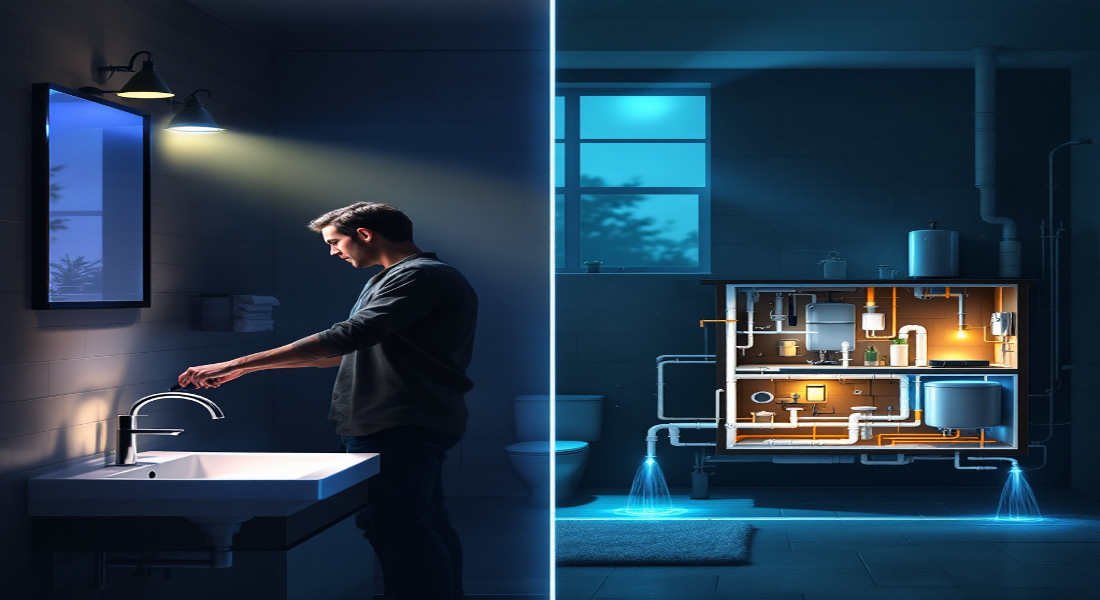
The answer largely depends on your water source and plumbing setup. Let’s examine different scenarios:
You may also read (cutting a metal roof at home).
City Water Supply
If your home is connected to a city water system:
- Water Flow: Water may continue flowing during a power outage because water towers use gravity to maintain pressure.
- Limitations: However, pressure may decrease over time if the outage lasts long enough to deplete reserves.
Well Water Systems
If you rely on a private well:
- Water Flow: Water will stop immediately during a power outage since the electric pump powering the well won’t function.
- Temporary Solutions: Some wells have holding tanks that store a limited supply of Water, which can provide temporary access during outages.
Apartments and High-Rise Buildings
Apartment complexes and high-rise buildings often use electric pumps to distribute Water to upper floors. During a power outage:
- Immediate Impact: Water supply typically stops immediately unless the building has a backup generator.
- Gravity-Fed Systems: Lower floors might retain water pressure longer if the system is partially gravity-fed.
Plumbing Appliances and Fixtures: What Works and What Doesn’t?
During power outages, some parts of your plumbing system may continue to function while others will fail.
What Works Without Power
- Toilets: Gravity-flush toilets will still work as long as there’s Water in the tank.
- Sinks and Showers: These will work if Water is available in your pipes or holding tanks.
What Doesn’t Work Without Power
- Electric Sump Pumps: Without power, these can’t prevent flooding, posing a significant risk in basements.
- Water Heaters: Electric or gas water heaters with electric ignition will stop providing hot Water.
- Pump-Assisted Sewer Systems: These may fail, potentially leading to sewage backups.
Risks and Issues to Watch Out For During Power Outages
Power outages can lead to several plumbing-related problems. Here are the most common risks:
- Depletion of Water Reserves: Once the Water in your pipes, tanks, or water towers runs out, you won’t have access to fresh Water.
- Sewage Backups: If your home uses pump-assisted systems, wastewater may back up into your home when the pumps fail.
- Flooding: A non-functional sump pump can result in Water accumulating in your basement during storms.
- No Hot Water: Without power, most water heaters won’t function, leaving you without hot Water for bathing or cleaning.
How to Prepare Your Home Plumbing for Power Outages
Preparation is key to minimizing plumbing-related issues during a power outage. Here’s what you can do:
You may also read (musty odors in your home).
Backup Power Solutions
- Generators: Install a generator to power essential systems like well pumps, sump pumps, and water heaters.
- Battery Backups: Use battery-powered backups for sump pumps to prevent basement flooding.
Water Storage
- Emergency Water Supplies: Store potable Water for drinking, cooking, and sanitation.
- Utilize Holding Tanks: If your well system has a holding tank, ensure it’s full before an expected outage.
Plumbing Maintenance
- Inspect Pumps and Water Heaters: Regular maintenance ensures these systems are in good working order.
- Understand Your System: Learn how your plumbing depends on electricity so you can plan accordingly.
Emergency Supplies
- Sandbags: Use these to prevent flooding during heavy rains.
- Manual Tools: Have a bucket or manual pump for toilet flushing if necessary.
What to Do During a Power Outage to Manage Plumbing
When the power goes out, follow these steps to conserve Water and protect your plumbing system:
- Use Water Sparingly: Limit water usage to essential activities like drinking and hygiene.
- Avoid Over-Flushing: If you have a pump-assisted septic system, excessive flushing can cause backups.
- Monitor Sump Pumps: Keep an eye on water levels in your basement and consider manual water removal if necessary.
- Conserve Hot Water: Use hot Water sparingly to make the most of the remaining supply in your tank.
When to Call a Professional Plumber
Certain situations during power outages require expert assistance. Here’s when you should contact a plumber:
- Sewage Backups: If wastewater is backing up into your home, a plumber can assess the issue and provide solutions.
- Pump Failures: Professionals can repair or replace sump pumps and sewage pumps to restore functionality.
- Preventative Measures: A plumber can help you prepare your home for future outages by installing backups and conducting system checks.
You may also read (how to manage home plumbing).
