
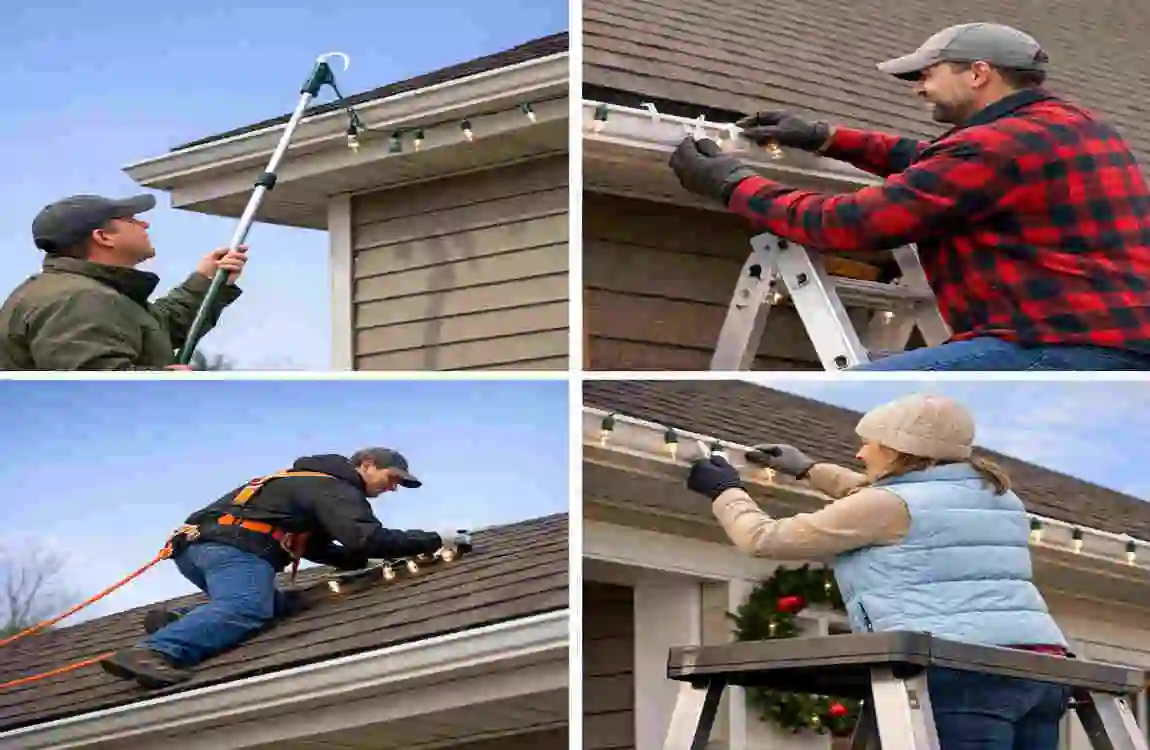
When you hang outdoor lights, you want your home to look warm, inviting, and well-cared-for. But the moment you step outside with a ladder, clips, and a bundle of lights, the big question shows up fast: how to keep lights up on the roof without damaging the house or putting yourself at risk.
That question matters more than many homeowners expect. Roof lighting can make your house stand out during the holidays, brighten dark areas around your property, and add a clean, polished look for parties or seasonal decorating. At the same time, a rushed setup can lead to loose wires, broken shingles, overloaded outlets, and even falls.
The good news is that you do not need to guess your way through it. With the right planning, the right clips, and a few smart safety habits, you can handle securing lights on roof areas in a way that looks neat and lasts longer. You can also protect your roofline, reduce electrical risks, and make future setup much easier.
Why Roof Lighting Matters for Your Home
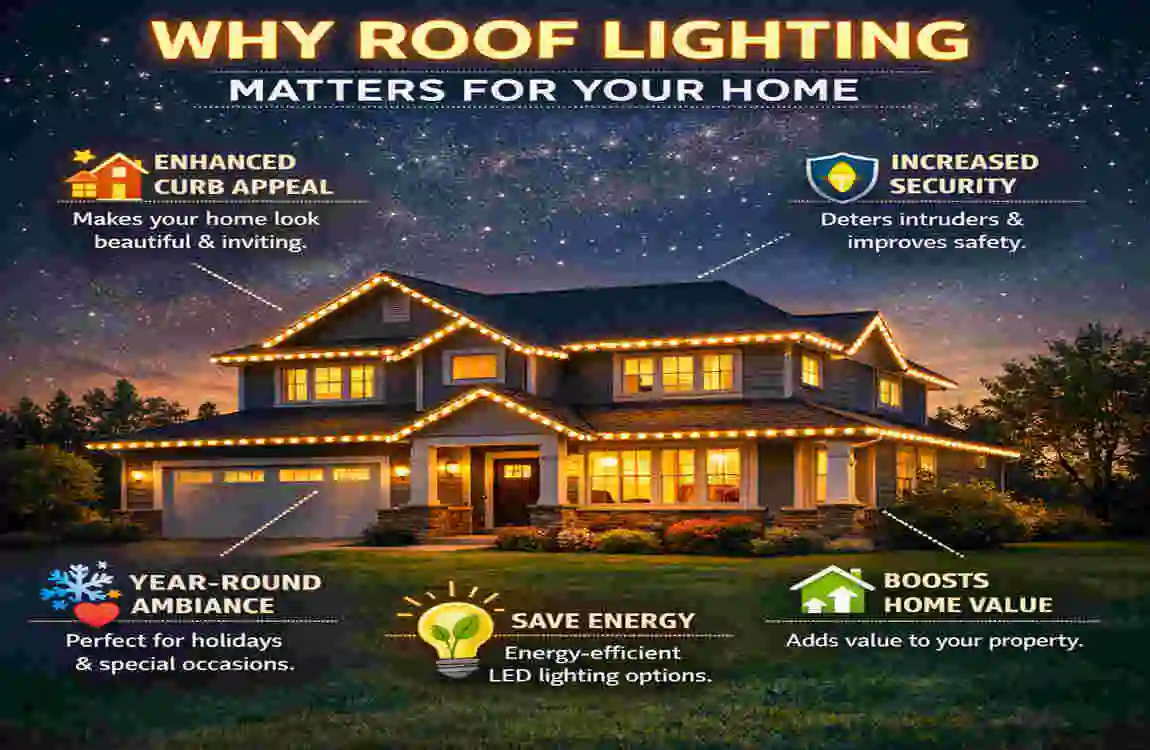
Roof lighting does more than make your house look festive. It can change the whole feel of your home from the street. A clean line of lights along the roofline adds shape, depth, and visual balance. Even simple white lights can make a home look more welcoming.
For many homeowners, the first benefit is curb appeal. Lights draw attention to the lines of the house, especially around eaves, peaks, dormers, and gutters. If you enjoy decorating for holidays or celebrations, roof lighting helps your home feel finished rather than half-done.
Another major benefit is visibility. Exterior lights can help family members and visitors see walkways, driveways, and entry points more clearly at night. That extra brightness can reduce trips and stumbles in darker areas near the home.
There is also a security advantage. A well-lit exterior can make dark corners less attractive to intruders. While decorative lighting is not the same as a motion-sensor security system, it can still improve visibility around the property and make the home feel more occupied and cared for.
Roof lighting is also great for special events. Holidays are the obvious example, but many people use outdoor lights for birthdays, graduation parties, backyard gatherings, and even simple year-round accent lighting.
Still, poor installation can turn a nice upgrade into a real problem. Loose strands can blow down in the wind. Wires can become tripping hazards. Indoor-rated lights can fail in bad weather. Bad connections can create electrical danger. In the worst cases, the roof itself can be damaged if nails, staples, or sharp fasteners are used incorrectly.
That is why learning how to keep the roof lights up safely matters so much. It is not just about making lights stay in place. It is about protecting your roof, your electrical system, and everyone around your home.
Common Mistakes When Installing Roof Lights
Many roof-lighting problems happen before the lights are even switched on. Homeowners often mean well, but small mistakes can lead to poor results, extra cost, and safety issues.
One common mistake is depending too much on tape or weak adhesive clips. Adhesives can lose grip when the roof surface gets hot, dusty, wet, or icy. On sloped areas, that weak hold becomes even less reliable. Lights may sag or fall after just a few days. If you want a setup that lasts, use attachment methods designed for outdoor use and for the exact edge of the roof where the lights will sit.
Another mistake is using damaged or non-weather-resistant lights. Indoor fairy lights may look similar to outdoor strands, but they are not built for rain, moisture, temperature swings, or wind. Cracked sockets, frayed wires, and loose bulbs are all warning signs. If you see any of these, replace the strand instead of trying to “make it work.”
Electrical safety is also often overlooked. Some homeowners run too many strands from one extension cord. Others connect cords where they can sit in puddles or be stepped on. Some forget to use GFCI-protected outlets, which help reduce the risk of shock outdoors. Safe outdoor lighting starts with outdoor-rated cords, good outlet protection, and careful load planning.
Another issue is pulling the lights too tight. A tight strand may look neat at first, but it puts strain on the wire and the sockets. Wind, temperature changes, and movement from clips can make the tension worse over time. This often leads to sagging in the middle or damage at one end. Leave a little room for the strand to rest naturally.
Homeowners also sometimes skip support points. A long section with too few clips can droop, flap in the wind, or put extra pressure on a single clip. The result is uneven spacing and a messy setup. Proper clip spacing helps you keep roofline lights secure and gives the finished display a cleaner appearance.
Another mistake is ignoring the roof itself. Nails, staples, or screws driven into shingles may seem like a quick solution. Still, they can puncture the roofing material, creating pathways for moisture. That can shorten the roof’s lifespan and may even lead to leaks.
In some neighbourhoods, there is one more thing to check: local rules. Homeowner associations, community guidelines, or local building codes may set limits on permanent exterior lighting, cord placement, or seasonal display timing. It is always smart to confirm the rules before you install.
Correcting these mistakes is the difference between a setup that only lasts for a weekend and one that stays secure through the season. If your goal is truly to learn how to keep the roof lights safely on, start by avoiding the shortcuts that cause the most trouble.
Types of Lights Suitable for Roof Use
Not all outdoor lights work the same way. Some are better for a clean roofline. Others are better for accents or soft glow. Choosing the right type of light makes installation easier and often safer, too.
String Lights and Fairy Lights
String lights are the most common choice for roof use. They are flexible, easy to find, and available in many colours, bulb shapes, and lengths. Traditional holiday strings, mini lights, and larger bulb styles all fit into this category.
If you want a classic roofline look, outdoor-rated string lights are usually the simplest option. They work well along gutters, eaves, and trim. Just make sure the packaging clearly says they are meant for outdoor use.
Fairy lights can also work outdoors if they are rated for outdoor use. They are thinner and more delicate-looking, so they are often better for subtle designs or accent areas rather than long roof spans in harsh weather.
Rope Lights and LED Strips
Rope lights give you a more continuous line of light. They can look very clean under eaves or along covered roof edges. Because the bulbs are enclosed, they often have a tidy appearance and can be easier to wipe clean.
LED strips are popular for modern accent lighting. They can highlight architectural details and create a sleek effect. However, some LED strips are meant only for indoor decorating, so check the rating carefully. Outdoor LED strips should be weather-resistant and supported with mounting hardware made for exterior surfaces.
LED Puck Lights and Spotlights
Puck lights and spotlights are ideal when you want to draw attention to a feature rather than outline the whole roof. You can use them to highlight peaks, dormers, gables, or stonework near the upper front of the house.
These lights are often installed lower on the structure and aimed upward, but in some designs, they can be placed near overhangs or sheltered roofline areas. Because they are more focused, they can create a dramatic effect with fewer fixtures.
Solar-Powered vs Plugged-In Options
Solar lights are appealing because they avoid long cord runs and can reduce power use. They are best for homes that get steady sunlight and for areas where running electrical cords would be awkward. The downside is that brightness and runtime can vary depending on the weather and battery quality.
Plugged-in lights are usually more reliable for stronger, longer-lasting illumination. They are a better fit if you want consistent light output, colour-changing options, or large holiday displays. The trade-off is that you need safe cord management and proper access to outlets.
A Quick Safety Note
No matter what style you choose, stick to weather-resistant, outdoor-grade, and safety-certified products. Look for trusted certifications and product labels that indicate the lights are built for outdoor use. You can also review outdoor electrical safety guidance from the Electrical Safety Foundation International and ladder safety advice from OSHA.
Tools and Materials You’ll Need
Before you start, gather everything in one place. That saves time, reduces climbing up and down, and helps you work more safely.
Tool or Material: What It Does, Why It Helps
A ladder with a stable footing gives you safe access to the roof edges and gutters. It reduces risky stretching and awkward reaching.
A tape measure helps you plan lengths and spacing. Prevents extra cord strain and uneven layout.
Work gloves protect your hands while handling clips and wires. Improves grip and comfort.
Safety goggles shield your eyes from dust and debris. They are useful near gutters and roof edges.
Outdoor roof clips or gutter hooks hold lights along edges without puncturing surfaces. They help keep lights secure without roof damage.
Adhesive-free shingle clips. Attach lights around shingle edges safely. Better than nails or staples on many roof types.
Cable ties add support in approved areas. They are useful for bundling slack and securing cord paths.
Outdoor-rated extension cords carry power safely in weather-exposed areas. Safer than indoor cords.
Surge-protecting outdoor power strip adds a layer of power protection. Helpful when multiple strands meet at a single point.
GFCI outlet access reduces shock risk. Important for outdoor electrical safety
A transformer or solar controller is needed for certain low-voltage or solar systems. Keeps the system operating correctly.
If you prepare these items ahead of time, you will make the job go more smoothly. More importantly, each one helps you keep the roof lights securely in place and reduces the risk to the house.
Step-by-Step: How to Keep Lights Up on the Roof Safely
This is the heart of the job. A good result comes from planning first, installing carefully, and checking your work before you leave it in place.
Plan Your Roof Light Layout
Start on the ground. Walk around your home and decide exactly where you want the lights to go. Look at the eaves, gutters, roof edges, peaks, and entry areas. If your home has dormers or decorative gables, choose whether you want to outline them or keep the design simple.
Sketch a basic layout. It does not need to be fancy. The goal is to know where each light strand begins and ends, where the power comes from, and how the cords will travel.
Measure the sections you want to light. This helps you avoid buying too many strands or ending up a few feet short. It also helps you place connection points where they are easier to protect from the weather.
Think about the look you want. Some homeowners like a straight line. Others prefer gentle draping, focal points, or layered lighting around roof peaks and windows. The cleaner the plan, the easier the installation.
Also check for outlet locations and safe cord paths. Try to keep extension cords as short and direct as possible. Avoid running cords across walkways, doors, or areas where they can be pinched.
Choose the Right Roof Attachment Method
Once you know where the lights will go, match the mounting method to the roof edge.
For gutters, gutter clips or hook-style clips are often the easiest choice. They attach to the gutter lip and hold the wire or bulb base in place without requiring holes.
For eaves or under-roof edges, plastic roof clips designed for trim or edge mounting work well. Many are made to hold standard holiday lights or mini lights. These clips help you create a clean line while avoiding roof punctures.
For shingle roofs, choose lightweight clips made specifically for shingles. These usually slide under the edge of the shingle or grip the lip area without nails. They are among the safest ways to secure decorative lights temporarily.
For sloped roofs, be extra careful. This is where people often get tempted to use staples or nails because they worry about lights sliding. Resist that shortcut. Clips are safer for both the roof and the wiring.
If you are wondering how to keep Christmas lights up on roof sections with a steep angle, the best answer is usually: use purpose-made clips, reduce the weight of the display, and only work where you can safely reach from a stable ladder. If you cannot reach it safely, call a professional.
Secure Lights Without Damaging the Roof
This rule matters more than any other: do not drive nails through shingles. The same goes for screws and staples in most decorative-lighting situations. Puncturing roofing materials can create leak points and shorten your roof’s lifespan.
Instead, follow existing edges. Run the lights along gutters, under eaves, and at trim lines where clips can grip without penetrating the roofing surface. If needed, use cable ties to organise excess slack in sheltered, approved areas, but do not tighten the wire too much.
Space the clips evenly. This keeps the line looking straight and reduces stress on the light strand. If the bulbs are larger or the weather is windy, use more support points rather than fewer.
Avoid heavy bundles. If too much extra cord hangs in one spot, it can pull the strand downward, causing visible sagging. Spread the weight across the layout.
Take a step back often. Looking from the ground helps you catch uneven lines or loose areas before the full setup is complete.
Install and Test the Electrical Setup
Always test every strand on the ground first. This saves time and prevents the frustration of clipping up a full section only to discover that one half does not work.
Use outdoor-rated extension cords and keep all electrical connections away from standing water. Elevate connection points or place them in weather-resistant cord covers designed for outdoor use.
Check that the outlet is GFCI-protected. This is one of the most important parts of outdoor electrical safety. A GFCI outlet helps cut power quickly if it senses a fault.
Do not overload a circuit. Read the manufacturer’s instructions to see how many strands can connect safely. LED lights usually use less power than older incandescent strands, but even then, limits still matter.
If you are using timers, smart plugs, or controllers, make sure they are also rated for outdoor use. Keep plugs secure and sheltered when possible.
Check Stability After Installation
Once everything is mounted and powered, walk around the house and inspect the installation from different angles.
Look for sections that sag, tilt, or pull too tightly at the ends. Check if the clips are seated correctly and if the lights sit neatly against the roofline.
Turn the lights on after dark and look again. Nighttime viewing often reveals gaps, uneven brightness, or visible cords that are harder to notice during daylight.
If the weather changes, check again. Wind and rain can quickly expose weak spots.
Maintain the Setup Through the Season
A roof-light installation should not be a “set it and forget it” project. Even a solid setup needs a quick check now and then.
After strong wind, rain, or freezing conditions, walk the property and inspect visible sections. If you notice a loose clip or a drooping strand, fix it early before the problem spreads.
Clean away leaves or debris around the clips and cord paths. Debris can trap moisture and add weight.
This ongoing care is the practical answer to keeping the roof lights on without damage. Good installation gets them in place. Good maintenance keeps them there safely.
DIY Roof Light Safety Tips
If you plan to install lights yourself, safety has to come first. A beautiful display is never worth a fall or electrical injury.
- Do not work on wet, icy, or windy roofs. Even a small amount of moisture can make surfaces dangerously slippery.
- Use a stable ladder on level ground. Make sure the ladder is fully opened or, if it’s a type that can be leaned, properly leaned and secured.
- Ask someone to help you. A second person can steady the ladder, hand you supplies, and call for help if needed.
- Wear non-slip shoes. A good grip makes a major difference when you are working near a roof edge.
- Avoid overreaching. Climb down and move the ladder, rather than stretching too far to one side.
- Use only outdoor-rated lights and cords. Indoor products are not made for rain, temperature swings, or prolonged UV exposure.
- Keep a first-aid kit nearby. It is a simple step, but a useful one.
- Know when to stop. If the roof is too steep, too high, or too complex, bring in a pro.
You should also review official ladder guidance before starting. OSHA’s ladder safety page is a useful reference for homeowners and contractors alike.
Creative House-Friendly Roof Lighting Ideas
Once you know the basics of a safe setup, you can have more fun with the design. Roof lights do not have to be limited to one holiday look. A thoughtful layout can make your house look stylish year-round.
Festive Roofline Themes
Holiday roofline lighting is still one of the most popular choices. Clean white lights give a classic look, while red, green, blue, or multicoloured strands add more energy. If you want flexibility, use colour-changing LEDs so you can switch the mood without replacing the whole setup.
This is also where many people search for how to keep Christmas lights up on the roof areas without making the display look bulky. The trick is to keep the line clean, support it evenly, and avoid too many crossing cords.
Soft Accent Lighting
If you want something more subtle, consider a soft line of warm LED lights along the eaves. This works well year-round and can make the home feel cosy without looking too bright or flashy.
Solar-powered strips can also work well for light accenting on covered roof edges or nearby trim, especially where direct sun is reliable during the day.
Highlight Architectural Features
Roof lighting can bring attention to the best parts of your house. Dormers, front-facing gables, peaks, and decorative trim all stand out more when lit thoughtfully.
Instead of outlining every edge, choose one or two features to highlight. This often creates a more upscale look and uses fewer materials.
Blend Exterior and Interior Style
A smart design choice is to match your outside lighting with the mood inside the home. If your living room uses warm, soft light, a harsh blue exterior may feel out of place. Warm white roof lights can create a more balanced and welcoming feel from the curb to the front door.
Good Options for Renters
Renters often need removable solutions. That makes clip-based systems especially useful. Look for adhesive-free, non-damaging attachment options that can be removed cleanly at the end of the season.
If you cannot attach lights directly to roof edges, consider lighting nearby trim, balcony lines, porch overhangs, or fences instead. You can still get the same bright, welcoming effect without permanent installation.
When to Call a Professional Roofer or Electrician
DIY roof lighting works for many homes, but not every house is a safe do-it-yourself project.
If your roof is steep, high, or complex, call a professional. Roofs with valleys, multiple peaks, slick surfaces, or hard-to-reach sections create a much greater fall risk. A licensed roofer or an experienced exterior lighting installer may have the proper equipment to work more safely.
You should also call a pro for permanent or integrated lighting systems if you want built-in LED roofline lights, low-voltage systems, hidden wiring, or year-round architectural lighting that goes beyond simple seasonal decorating. These systems often require careful planning, weatherproof connections, and code-aware electrical work.
Bring in an electrician if you notice electrical concerns such as flickering lights, tripped breakers, warm outlets, or signs of water exposure around plugs and connections. Outdoor electrical work should never rely on guesswork.
Likewise, if you spot roof damage, do not hang lights over the problem and hope for the best. Missing shingles, soft spots, leaks, damaged fascia, or sagging gutters should be inspected before installation.
A good professional can also save you time. They can recommend the best mounting methods, protect the roof surface, and build a cleaner long-term setup.
If your business offers these services, this is the right place to position your company as a trusted partner. Homeowners often need more than lights installed. They need peace of mind that the roof, wiring, and final look are all handled correctly.
Maintenance and Long-Term Care for Roof Lights
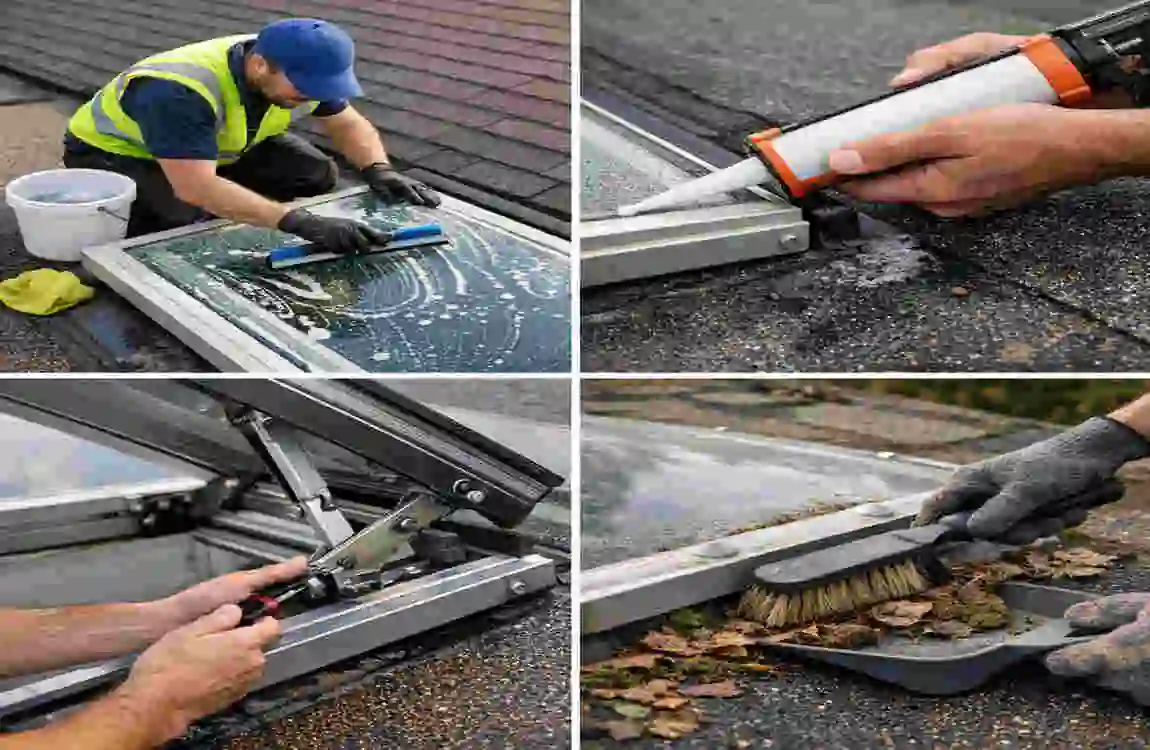
A safe installation should also be easy to maintain. Taking care of your lights over time helps them last longer and makes each future setup simpler.
Start with regular cleaning. Leaves, dirt, and small twigs can collect around gutters, clips, and wire runs. That debris adds weight, traps moisture, and can make the setup look messy. A quick cleaning keeps the display neater and helps you spot problems early.
Inspect the strands periodically for frayed wires, cracked sockets, flickering bulbs, or uneven brightness. If one section acts up, deal with it right away rather than waiting for more failures.
At the end of the season, remove the lights carefully. Do not yank them down. Support the strand as you release the clips one at a time. This protects both the roofline and the wire.
Store lights in a dry container and wrap them neatly to avoid tangles. Label each set by area, such as “front gutter,” “garage roofline,” or “left gable.” That small step will save you a lot of time next season.
Before reinstalling, do a seasonal inspection. Test every strand on the ground, check all clips, and replace worn extension cords. If the roofline or gutters changed during the year, update your layout instead of forcing the old one to fit.
This steady care is what helps you keep the roof lights on year after year. A little maintenance makes the setup safer, neater, and far less stressful.
Frequently Asked Questions
Can I leave my roof lights on all night?
Yes, you can, as long as the lights are outdoor-rated and installed correctly. Many homeowners still prefer a timer or smart outdoor plug to save energy and reduce wear.
What is the safest way to remove lights in spring?
Take them down slowly and support the strand as you unclip it. Do not pull on the wire. Remove clips carefully and inspect the roof edge as you go.
Can I use zip ties to keep the roof lit up?
You can use cable ties in some areas for extra support, but they should not replace proper roof or gutter clips. They work best for organising Slack or securing approved connection points.
How do I avoid damaging shingles when installing lights?
Use shingle-safe clips or gutter clips instead of nails, screws, or staples. The safest answer to how to keep the lights up on the roof is to use non-penetrating hardware whenever possible.
Are solar lights enough for roof-line lighting?
They can be, especially for soft accent lighting. For brighter displays or all-night performance, plugged-in outdoor-rated lights are often more reliable.
How many light strands can I connect?
That depends on the product. Always check the manufacturer’s instructions. LED sets often allow more connected strands than older incandescent lights, but limits still apply.
What are the best safe ways to keep lights up on the roof during windy weather?
Use purpose-made clips, increase support points, avoid heavy bulb styles on fragile edges, and inspect the setup after storms. That is one of the best ways to keep roofline lights secure.
How do I handle a steep roof?
If you cannot safely reach the roof edge from a stable ladder, do not force it. For steep slopes, the safest plan is usually to hire a professional.
