
Imagine this: You’re rushing to get ready for work, and your sink drains slower than molasses. Or worse, a foul odour wafts up from the pipes, hinting at a nasty backup just waiting to happen. We’ve all been there. Clogged plumbing pipes can turn a simple morning routine into a frustrating ordeal. But here’s the good news—you don’t always need to call a plumber and shell out big bucks. Learning how to clean plumbing pipes at home with simple DIY methods can save you time, money, and a whole lot of hassle.
Clogs often build up from everyday culprits like hair, grease, soap scum, and food scraps. Over time, these sneaky invaders narrow your pipes, leading to slow drains or complete blockages. Ignoring them might result in leaks, water damage, or even burst pipes. That’s where DIY pipe cleaning comes in. It’s not just about fixing the problem; it’s about taking control with eco-friendly tricks that use stuff you already have in your kitchen. Think baking soda, vinegar, or even a humble plunger—these household heroes can tackle most clogs without harsh chemicals that harm the environment or your pipes.
Why Clean Pipes Regularly
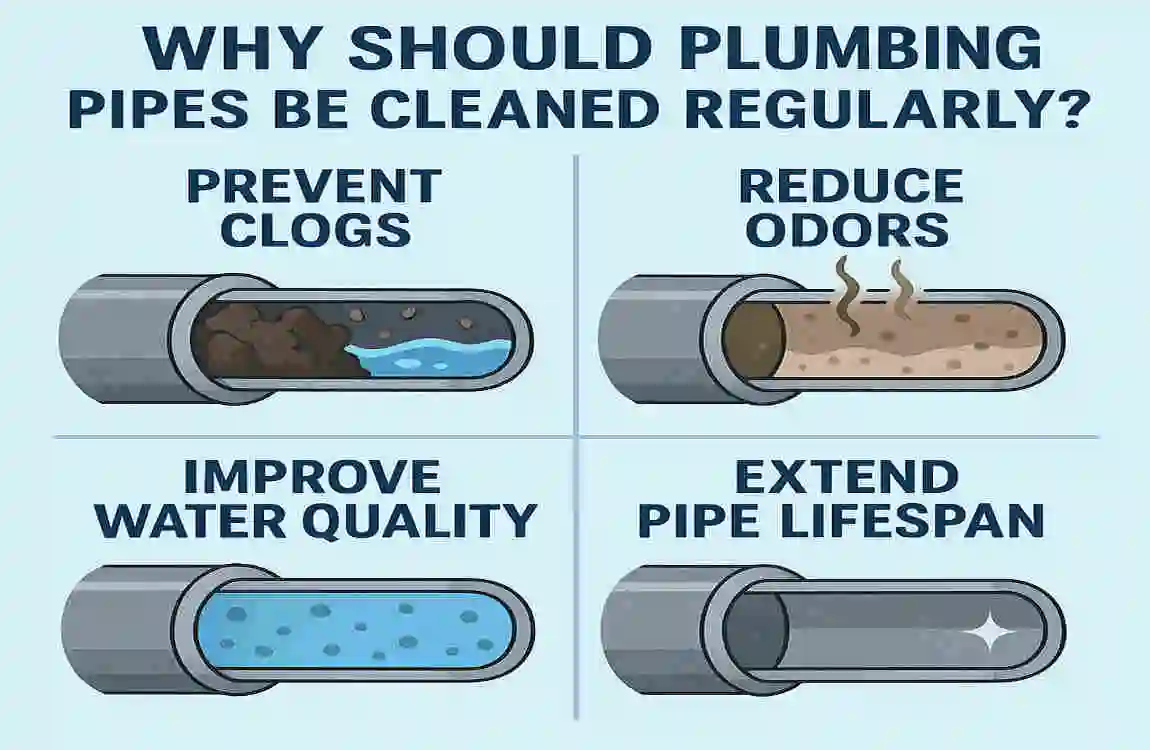
Keeping your plumbing pipes clean isn’t just a chore—it’s a smart habit that pays off in the long run. Think about it: When was the last time you gave your drains a little TLC? If you’re like most folks, it might not be often enough. But regular cleaning can prevent a world of trouble.
The Risks of Neglected Pipes
Clogged pipes don’t just slow down your day; they can lead to bigger issues. Leaks might spring up unexpectedly, causing water damage to your walls or floors. Odours from trapped gunk can make your home smell less than fresh. And in worst-case scenarios, backups could flood your space, turning a minor problem into an expensive mess. You wouldn’t want that surprise bill, would you?
Regular attention helps you spot these issues early. By cleaning your pipes every month or so, you break down buildup before it hardens. This simple step extends the life of your plumbing system, saving you from premature replacements.
Benefits for Your Wallet and the Planet
DIY cleaning means significant savings. Professional plumbers charge a pretty penny for what you can often fix yourself. Imagine keeping that money in your pocket instead! Plus, many of these methods use natural ingredients, making them kinder to the environment. No more dumping toxic chemicals down the drain that could harm waterways.
Homeowners who stay on top of this report fewer emergencies. It’s like giving your pipes a health check-up. You maintain flow, reduce joint pressure, and prevent corrosion. Doesn’t that sound reassuring?
How It Fits Into Your Routine
Incorporating pipe cleaning into your routine is easier than you think. Set a reminder on your phone to flush your system every few weeks. It takes minimal effort but delivers maximum peace. Over time, you’ll notice faster drains and fresher smells. Why not start today and experience the difference for yourself?
The 7 Easy DIY Methods to Clean Plumbing Pipes at Home
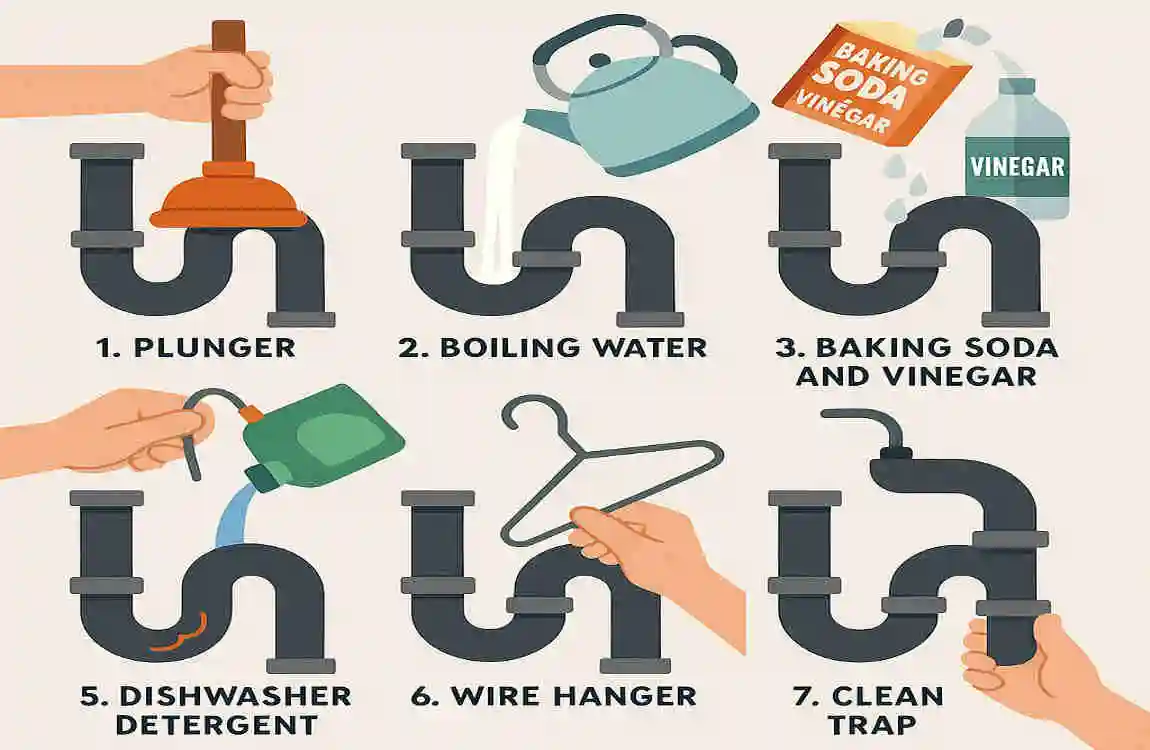
Now that you understand the importance, let’s get to the fun part—the actual fixes! These seven methods are straightforward and use items you likely have on hand. Each one targets specific clogs, from greasy kitchen messes to hairy bathroom blockages. I’ll explain them in detail, with step-by-step instructions. Remember, safety first: Wear gloves, and test on a small area if your pipes are old. Let’s roll up our sleeves and learn how to clean plumbing pipes at home effectively.
Baking Soda and Vinegar – The Natural Fizz Powerhouse
This duo is a fan favourite for good reason. It’s like a science experiment in your drain! The baking soda acts as a gentle abrasive, while vinegar creates a fizzing reaction that breaks down grime. Perfect for organic buildup, such as soap scum or food bits. No harsh fumes, just natural cleaning power.
Why does this work so well? The acid in vinegar reacts with the base in baking soda, producing carbon dioxide bubbles. These bubbles agitate the clog, loosening it without damaging your pipes. It’s eco-friendly and cheap—way better than store-bought drain cleaners.
But let’s talk safety. Avoid this on very old or fragile pipes, as the heat from flushing could cause issues. For sinks, it’s a go-to; for toilets, adjust the amounts slightly.
Here’s how to do it step by step:
- Gather your supplies: You’ll need ½ cup of baking soda, ½ cup of white vinegar, a cloth or stopper, and boiling water.
- Pour the baking soda down the drain. Let it sit for a minute to settle.
- Add the vinegar: Pour it in slowly. You’ll hear fizzing— that’s the magic happening!
- Cover and wait: Plug the drain with a cloth. Give it 30 to 60 minutes for the reaction to work.
- Flush it out: Boil water and pour it down to rinse everything away.
If the clog persists, repeat the process. For kitchen sinks, this melts grease like butter. In bathrooms, it tackles hair and soap. Imagine the satisfaction of watching water flow freely again!
Variations abound. For toilets, use a full cup of each and let it sit overnight. Just flush in the morning. Isn’t it great how versatile this is? Readers, try this on your next slow drain and share your results in the comments.
For stubborn cases, combine with plunging. This method shines for mild to moderate clogs. It’s all about patience—let the fizz do its job. By using this regularly, you’ll keep those pipes sparkling.
Boiling Water Flush – Simple Heat Therapy for Grease
Sometimes, the simplest solutions are the best. Boiling water is your ally against greasy clogs, especially in the kitchen. It melts fats and oils that solidify in pipes, flushing them away without any tools or mess.
Picture this: You’ve just cooked a greasy meal, and scraps go down the drain. Over time, they cool and stick. Boiling water reheats them, turning solids back to liquids for easy removal. It’s quick, free, and effective for early-stage blockages.
A word of caution: Skip this if you have plastic pipes, as extreme heat can warp them. Metal pipes handle it fine, though.
Let’s break it down:
- Boil the water: Heat 1-2 gallons on the stove until it’s rolling.
- Pour carefully: Do it in stages— a cup at a time—to avoid splashing.
- Wait and repeat: Let it sit for 5 minutes, then check. Repeat if needed.
This method is ideal for kitchen sinks where grease is the main villain. For showers, it might not cut through hair as well, so pair it with another technique.
Troubleshooting? If the water backs up, stop and try a plunger first. Readers, have you used this before? It’s amazingly straightforward.
Extend its power by doing this weekly as a preventive measure. You’ll notice smoother drains and fewer odours. It’s all about consistent, gentle care for your plumbing.
Dish Soap and Hot Water – Lubricate and Dissolve
Who knew your dish soap could double as a pipe cleaner? This method lubricates clogs, making them slippery enough to slide away. It’s fantastic for toilets and sinks plagued by soap or grease.
The soap breaks down fats, while hot water flushes them out. It’s gentle, effective, and smells way better than chemical alternatives.
For toilets, it’s a lifesaver—no need for fancy tools.
- Squirt the soap: Add ¼ cup of liquid dish soap directly into the drain or bowl.
- Add hot water: Pour in hot (not boiling) water to fill halfway.
- Let it sit: Wait 15 minutes for the soap to work its magic.
- Flush thoroughly: Run hot water or plunge if it’s a toilet.
If the clog is tough, add baking soda for extra punch. This combo tackles even moderate blockages.
Engage with me: Ever tried this on a clogged toilet? It’s often all you need!
Plunger Power – Mechanical Muscle
Don’t underestimate the plunger—it’s a mechanical powerhouse for dislodging clogs. It creates suction and pressure to push or pull blockages free. Works on sinks, showers, and toilets.
Active voice here: You pump, and the clog moves!
- Seal it up: Place the plunger over the drain for a tight fit.
- Pump away: Do 10-15 vigorous plunges.
- Check and repeat: Test the flow; go again if needed.
For multi-drain setups, cover other openings for better suction.
This builds on other methods—use after a soap soak for best results.
Wire Hanger or Drain Snake – Hook and Pull
Turn a wire hanger into a DIY snake to fish out solids like hair. It’s cheap and direct.
Straighten it, leave a hook, insert, twist, and pull.
Safety: Avoid garbage disposals to prevent damage.
Salt and Baking Soda – Abrasive Duo
This mix scrubs pipes naturally, neutralising odours.
Mix equal parts, pour, wait, flush.
Eco-friendly alternative.
Enzyme Cleaners – Biological Breakdown
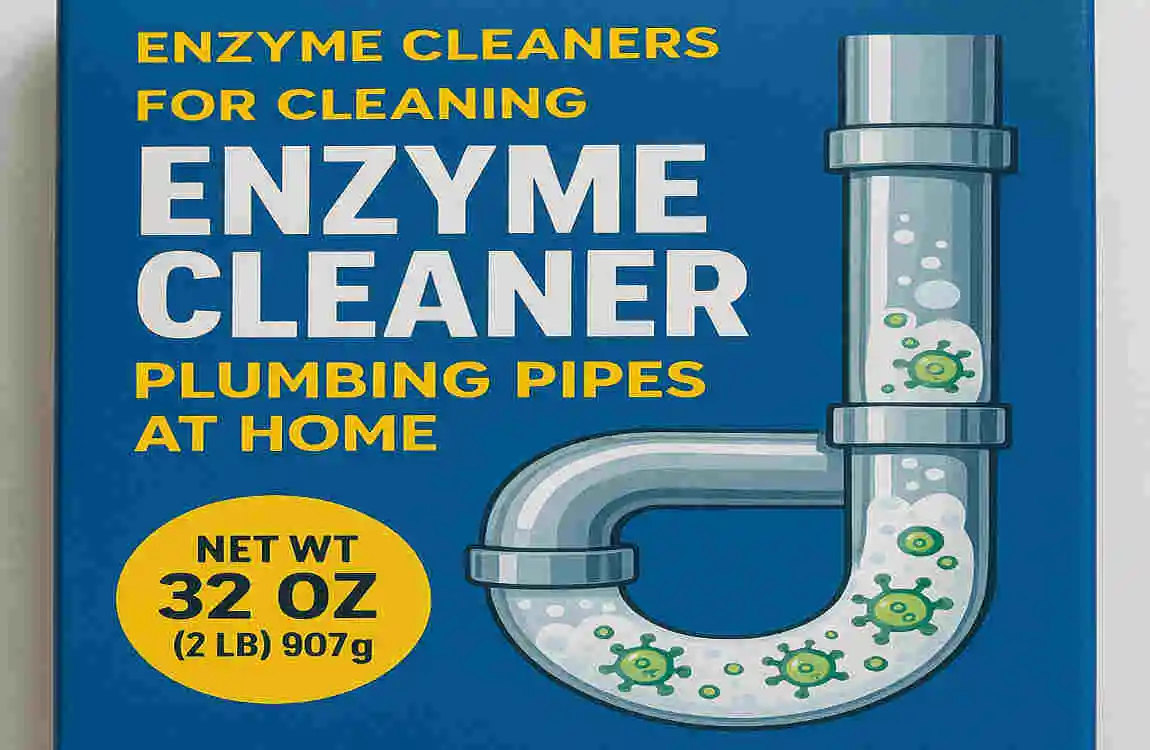
Enzymes eat organic matter safely.
Buy a product, apply overnight, and flush.
Compared to chemicals, it is safer for long-term use.
