
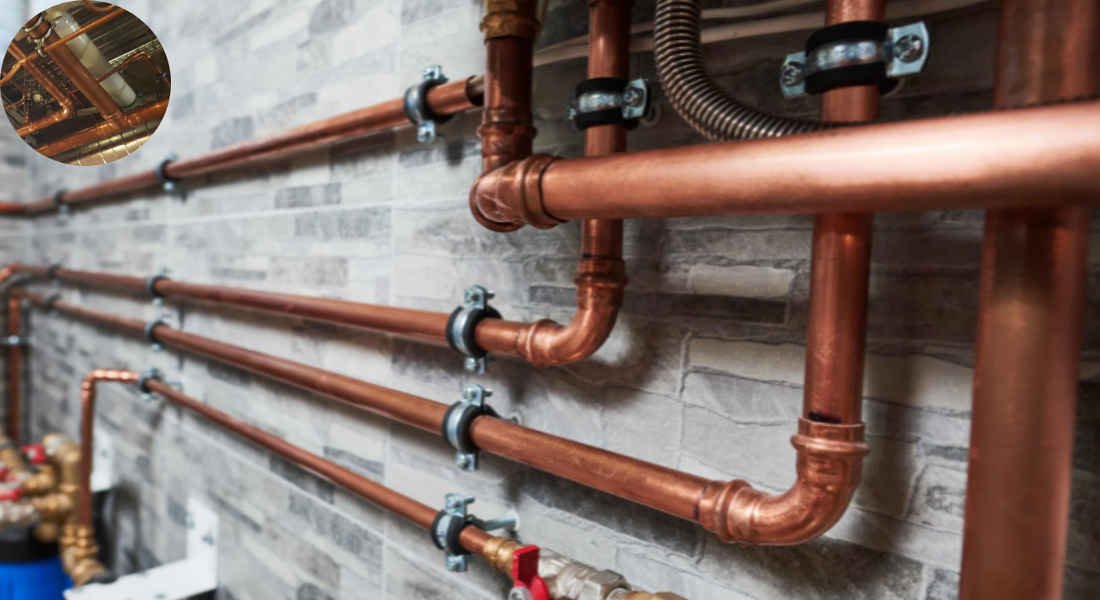
Copper plumbing has long been a popular choice for homeowners due to its durability and reliability. If you’ve ever wondered how long house copper plumbing lasts, you’re not alone! Understanding the lifespan of your copper pipes is essential for effective home maintenance.
Understanding Copper Plumbing Lifespan
Average Lifespan of Copper Pipes
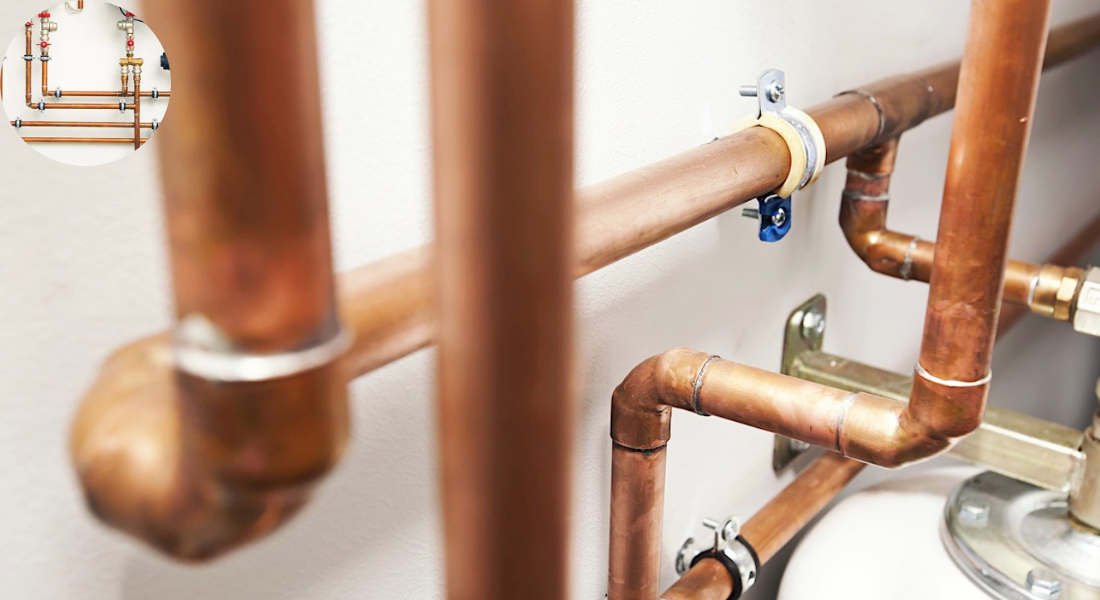
Copper pipes are known for their impressive durability. On average, they can last between 50 and 70 years and, in some cases, even longer. This lifespan can vary based on several factors, including the type of copper pipe used and the quality of installation.
Different Types of Copper Pipes
There are three main types of copper pipes, each with its own expected lifespan:
- Type K: This is the thickest type of copper pipe and is typically used for underground installations. It can last 70-80 years.
- Type L: Commonly used in residential plumbing, Type L pipes have a lifespan of 50-70 years.
- Type M: The thinnest of the three Type M pipes are often used for indoor applications and last about 40-60 years.
Installation Quality and Environmental Factors
The quality of installation plays a crucial role in determining the lifespan of your copper pipes. Properly installed pipes are less likely to develop leaks or weak points. Additionally, environmental factors such as soil conditions and temperature can also affect the lifespan of your plumbing system.
Key Factors Affecting Copper Pipe Longevity
Understanding the factors that impact the longevity of copper pipes is vital for homeowners. Here are some of the most significant influences:
Water Quality:
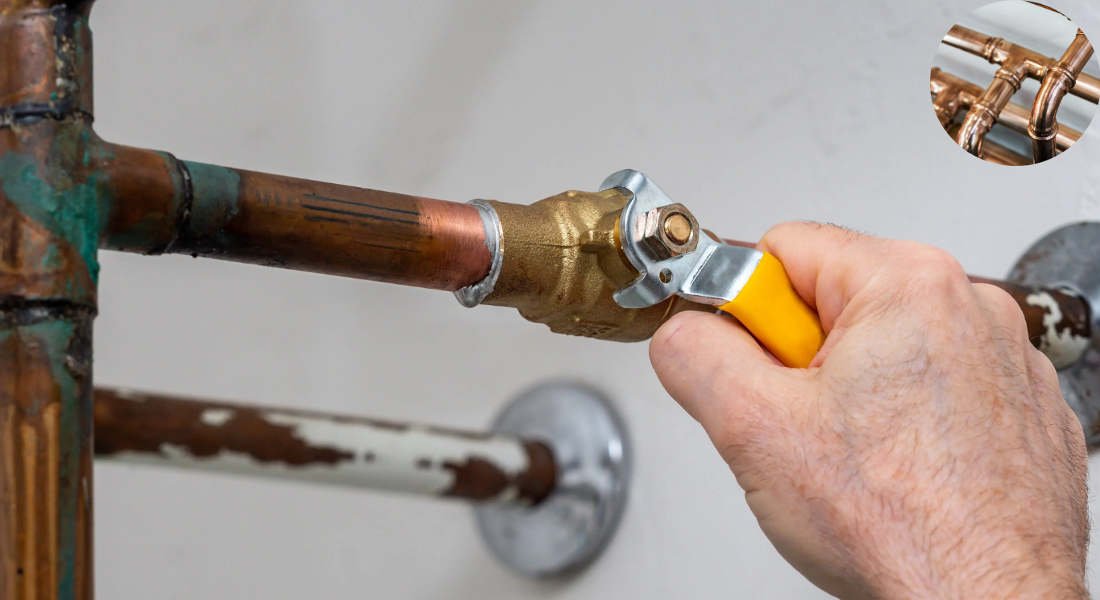
- Acidic or Alkaline Water: Water with extreme pH levels can lead to corrosion. An acidic environment can corrode the copper, reducing its lifespan.
- Chemicals in Water: Elements like chlorine and fluoride, often found in municipal water supplies, can also contribute to the deterioration of copper pipes.
You may also read (unlocking home value the impact of new plumbing).
Installation Quality:
The importance of professional installation cannot be overstated. Poor installation can create weak points that lead to leaks and potential failures down the line.
Environmental Conditions:
- Soil Acidity: In areas with highly acidic soil, copper pipes are at greater risk of corrosion.
- Temperature Extremes: Fluctuations in temperature can cause pipes to expand and contract, leading to stress and potential failure.
- Coastal Areas: Homes near the ocean may experience accelerated corrosion due to salt content in the air.
Water Pressure:
High water pressure can stress pipes and lead to premature wear. Maintaining an appropriate pressure level is essential for extending the life of your plumbing.
Pipe Thickness and Type:
Thicker pipes tend to last longer than thinner ones. Therefore, investing in higher-quality, thicker pipes can save you money in the long run.
Signs Your Copper Pipes May Need Attention or Replacement
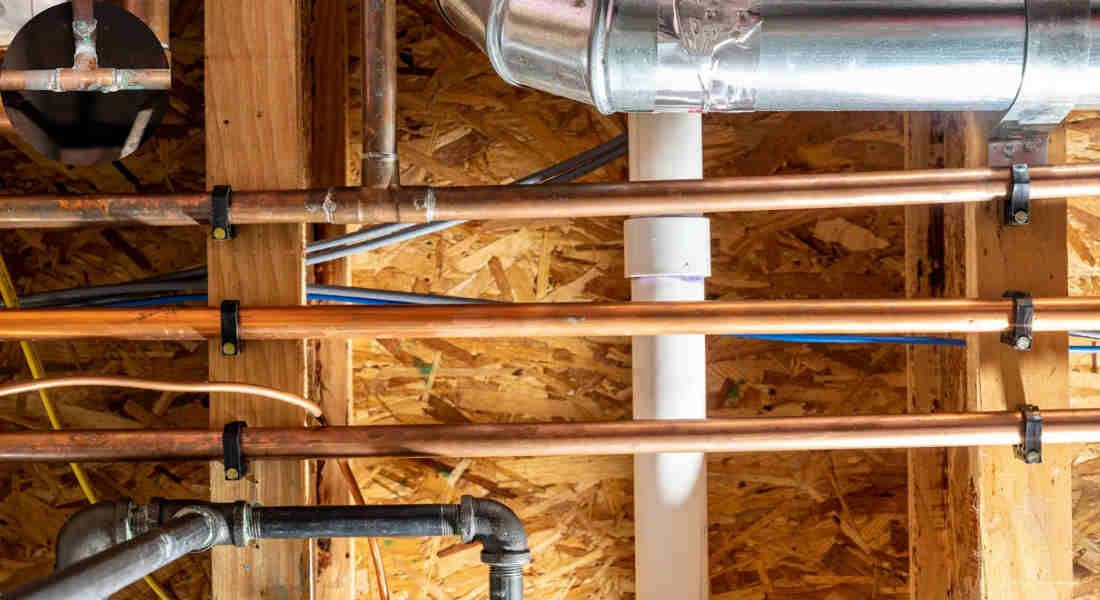
Recognizing the signs of wear and tear is essential for maintaining your plumbing system. Here are some common indicators that your copper pipes may need attention:
Common Signs of Wear
- Discoloration: Green or blue discoloration on the outside of the pipes is a clear sign of corrosion.
- Leaks: Pinholes or leaks are significant indicators that your pipes are in distress.
- Reduced Water Pressure: A sudden drop in water pressure or the presence of rusty water can signal plumbing issues.
- Strange Noises: Unusual sounds from your plumbing system can indicate underlying problems.
When to Call a Professional
If you notice any of these signs, it’s crucial to call a professional plumber for an inspection. Early detection can save you from costly repairs down the road.
Maintenance Tips to Extend the Life of Copper Pipes
Regular maintenance is key to prolonging the lifespan of your copper plumbing. Here are some practical tips:
Regular Inspections
Schedule regular inspections to catch potential problems early. A professional can assess the condition of your pipes and recommend necessary repairs.
Water Testing and Treatment
Conduct water tests to ensure the pH levels are balanced. If your water is excessively acidic or alkaline, consider treatments to adjust its pH level.
Avoid Chemical Cleaners
Be cautious with chemical cleaners, as they can damage copper pipes over time. Instead, opt for natural cleaning solutions.
You may also read (guide to proper chimney height for your home).
Proper Insulation
Insulate your pipes, especially in areas prone to extreme temperatures. This will protect them from freezing and expanding, reducing the risk of damage.
Manage Water Pressure
Consider installing pressure regulators if your home experiences high water pressure. This simple step can significantly extend the life of your plumbing.
Protective Coatings
In corrosive environments, using protective coatings or wraps can provide an additional layer of defense against deterioration.
Upgrading or Replacing Copper Pipes: When and Why
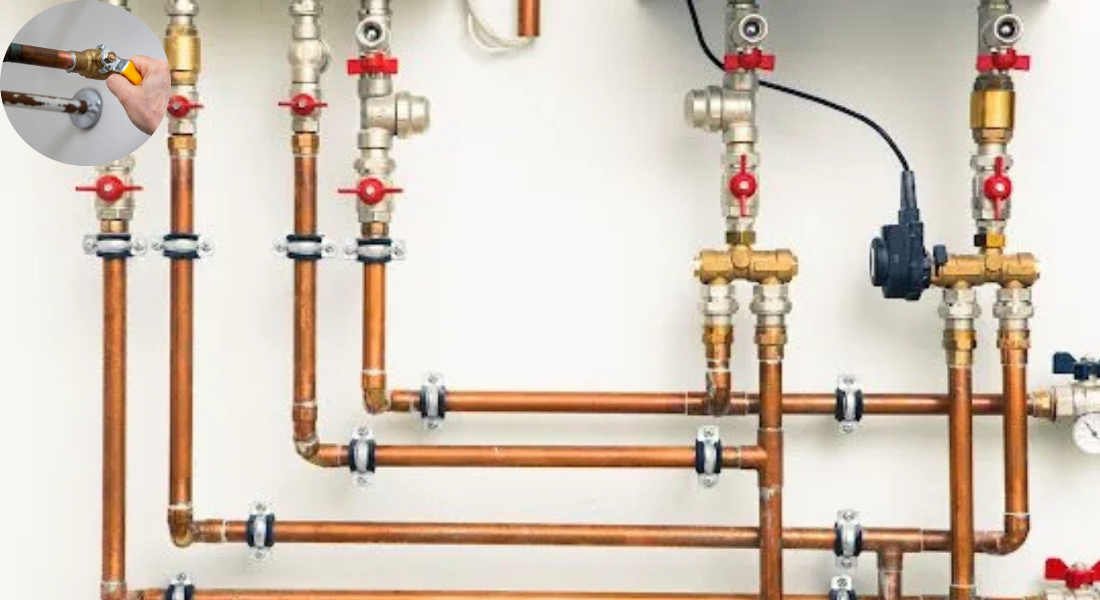
While copper pipes are durable, there are situations where replacement may be necessary. Here’s what to consider:
Situations that Warrant Replacement
If your pipes show severe corrosion or you experience frequent leaks, it may be time to replace them. Ignoring these issues can lead to more significant problems.
Choosing the Right Type of Copper Pipe
When replacing pipes, it’s advisable to choose Type L copper pipes for residential use. They offer a good balance of durability and cost.
Alternatives to Copper Pipes
While copper is a reliable choice, alternatives include PVC and PEX. Each option has its pros and cons, so it’s worth considering your specific needs and requirements.
Cost Considerations
While replacing pipes can be costly, investing in quality installation and materials can save you money in the long run by reducing maintenance and repair costs.
You may also read (should you tip your house plumber a guide).
