

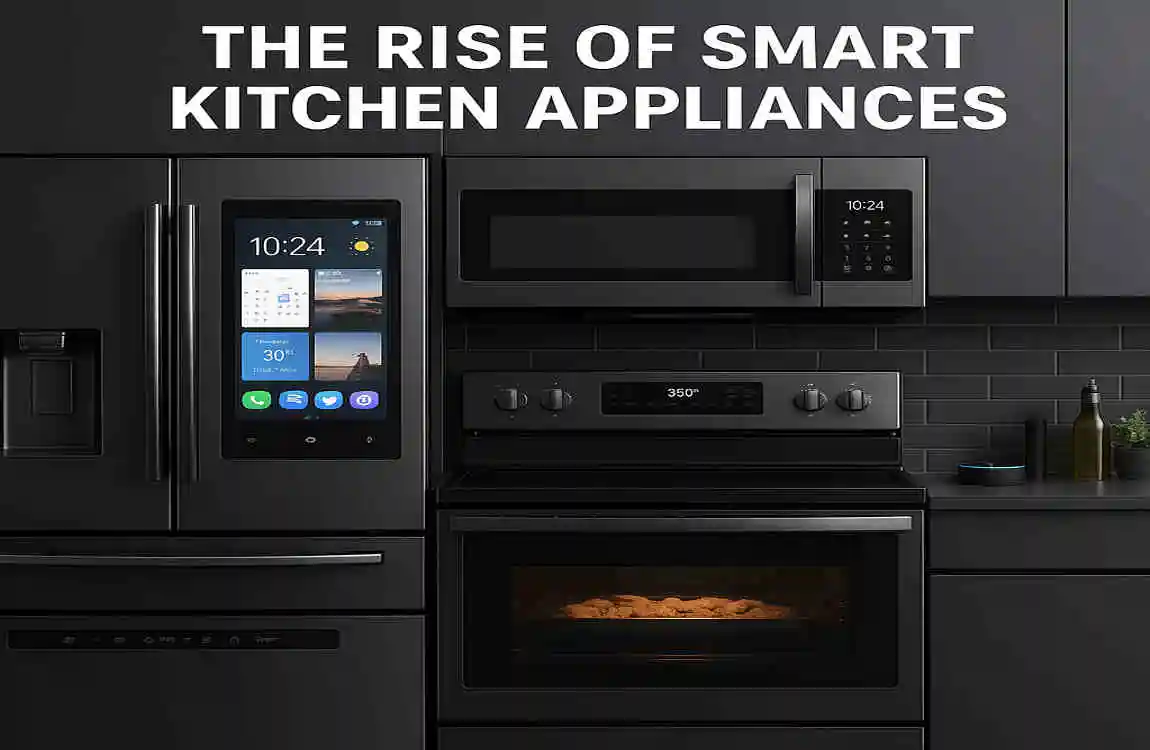
Imagine this: It’s a hectic weekday morning. You’re rushing to get the kids ready for school, coffee’s brewing too slowly, and the fridge is hiding that last yogurt you swore was there. Chaos, right? Now picture the same scene, but smarter. Your smart refrigerator pings your phone with an inventory alert. The voice-controlled coffee maker starts brewing your perfect cup just as your alarm goes off. The oven preheats itself via a quick “Alexa, preheat to 350” command. Suddenly, your kitchen feels like a well-oiled machine.
This is the magic of state-of-the-art kitchen appliances in 2026. These aren’t just your everyday appliances—they’re high-tech powerhouses that blend seamless tech with everyday functionality. Appliances like these turn ordinary homes into smart homes, where everything connects effortlessly. From energy-saving fridges to AI-driven ovens, modern appliances make cooking, cleaning, and meal prep a breeze.
The Rise of Smart Kitchen Appliances
What Makes Appliances “State-of-the-Art” Today?
What turns a regular kitchen gadget into a state-of-the-art appliance? It’s all about smart tech woven into the basics. Think IoT connectivity—that’s Internet of Things, letting your appliances talk to each other and your phone—AI steps in to learn your habits, such as suggesting recipes or automatically adjusting settings.
Energy efficiency is huge, too. These appliances use sensors to power down when not needed, slashing your bills. Voice control via Alexa or Google Home means hands-free operation—no more fumbling with buttons while your hands are full of ingredients.
Market data backs this up: The smart appliances boom hit a 25% year-over-year growth in 2025-2026, driven by folks craving convenience. In short, state-of-the-art kitchen appliances aren’t flashy gimmicks; they’re practical upgrades that make life smoother.
Benefits of Integrating Appliances into Smart Homes
Bringing smart home appliances into your kitchen pays off big time. You save energy—imagine appliances that run only at peak efficiency, cutting bills by up to 30%. Remote control via apps lets you start dinner from the office. Voice integration with assistants like Siri means cooking without touching a thing.
Health perks shine too: Some appliances track freshness or suggest balanced meals. Maintenance alerts prevent breakdowns, extending appliance life.
Here’s a quick list of top benefits:
- Energy savings: Auto-shutoff and smart sensors reduce waste.
- Remote access: Monitor and control from anywhere via apps.
- Voice commands: Hands-free operation with Alexa or Google.
- Health monitoring: Inventory tracking fights food waste.
- Time efficiency: Recipes and preheats sync with your schedule.
- Eco-friendliness: Lower energy use means a greener home.
- Seamless integration: Works with your whole smart home setup.
To see the difference clearly, check this comparison:
FeatureTraditional AppliancesSmart Appliances
Efficiency Manual settings, higher energy use Sensors optimize power, up to 30% savings.
Cost Savings: Higher bills over time, Long-term reductions via efficiency
Convenience: On-site only, App/voice control from anywhere
Smart home appliances like these don’t just upgrade your kitchen—they transform how you live. Picture less hassle, more joy in cooking. Isn’t that worth it?
Top 10 State-of-the-Art Kitchen Appliances for Your Smart Home
Let’s get to the stars of the show: the top 10 state-of-the-art kitchen appliances every smart home needs. Each one packs IoT smarts, energy efficiency, and real-world magic. We’ll break down features, integration, pros/cons, and costs—about 120 words each for easy reading.
Smart Refrigerators
Smart refrigerators are the heart of any modern kitchen. These appliances feature built-in cameras that snap inventory photos, viewable on your phone. Touchscreens display recipes based on what’s in the pantry, and AI suggests shopping lists.
Integration? They sync with innovative pantry systems or apps like grocery delivery services. Energy-efficient compressors keep food fresh longer.
ProsCons
Inventory tracking: Higher upfront cost
Recipe integration needs a strong WiFi
Price range: $1,500–$4,000. Perfect for busy families—these appliances end “fridge foraging” forever.
Voice-Controlled Ovens and Ranges
Say goodbye to oven guesswork with voice-controlled ovens and ranges. Preheat with “Hey Google, bake at 375,” or get precise modes like convection or air fry via app.
These state-of-the-art appliances probe meat temperatures remotely and notify when dinner’s ready. They tie into your smart home hub for scheduled cooking.
ProsCons
Hands-free preheat Learning curve for voice
Remote monitoring Premium pricing
Price range: $1,200–$3,500. Elevate weeknight meals effortlessly.
Induction Cooktops with Built-in Sensors
Induction cooktops heat pots directly, boiling water in seconds. Built-in sensors auto-adjust heat, detect spills, and shut off for safety.
Connect to your smart home for recipe-guided cooking—follow steps on a linked screen. Super energy-efficient, they cool instantly.
ProsCons
Fast, precise heat Needs compatible pots
Spill-proof safety installation requires pros
Price range: $800–$2,500. A must for precise home chefs.
Smart Dishwashers
Smart dishwashers monitor cycles via WiFi, alerting you when dishes are ready. They optimize water and energy per load, even suggesting eco modes.
Integrate with voice assistants for “start dishwasher” commands. Some detect rack fullness for perfect loading.
ProsCons
Cycle notifications App dependency
Water-saving tech is noisier than basic
Price range: $700–$2,000. Clean dishes, zero hassle.
AI-Powered Coffee Makers
Wake up to perfection with AI-powered coffee makers. They learn your brew strength via app, grind beans fresh, and alert for refills.
Syncs with your smart home routine—coffee ready when you wake—custom profiles for the family.
ProsCons
Personalized brews Bean cost adds up
Inventory alerts: Larger footprint
Price range: $200–$600. Your morning ritual, upgraded.
Robot Vacuum-Mop Combos for Kitchen Floors
Keep floors spotless with robot vacuum-mop combos. They map your kitchen, dodge appliances, and mop spills post-cooking.
App scheduling and voice start make them smart home staples. Self-emptying docks save time.
ProsCons
Autonomous cleaning Struggles with big messes
Spill response Battery life limits
Price range: $400–$1,200. Hands-free kitchen hygiene.
Smart Microwaves with Scan-and-Cook
Smart microwaves scan barcodes for auto-settings—popcorn or frozen meals cook perfectly. Inverter tech ensures even heating.
Voice control and app recipes integrate seamlessly. Energy-smart, they power down when unused.
ProsCons
Foolproof cooking: Barcode limits variety
Quick defrosts Space-hungry
Price range: $300–$800. Microwave magic redefined.
Under-Counter Wine Fridges with Climate Control
Wine lovers rejoice: Under-counter wine fridges maintain perfect temps via an app that tracks inventory, logs bottles, and monitors aging.
Smart home integration suggests pairings—dual zones for reds and whites.
ProsCons
Precise climate Capacity for collectors
App inventory Vibration sensitivity
Price range: $500–$1,500. Your cellar, countertop-sized.
Multi-Functional Air Fryers/Ovens
Multi-functional air fryers/ovens handle fry, bake, dehydrate—all with innovative recipes pushed to your phone—health-focused, low-oil cooking.
Voice-activated and app-synced for meal plans. Compact for small kitchens.
ProsCons
Versatile cooking, Smaller batches
Healthy recipes: Preheat time
Price range: $150–$500. Guilt-free crisps daily.
Integrated Smart Sinks and Faucets
Integrated brilliant sinks and faucets go touchless—wave to dispense water. Sensors save H2O, and apps track usage.
Pair with smart dishwashers for auto-fill. UV purification options are available.
ProsCons
Touchless hygiene Sensor glitches are rare
Water efficiency Pro install needed
Price range: $400–$1,000. Sink smarts for modern flows.
How to Choose the Best Appliances for Your Smart Home Setup
Compatibility and Ecosystem Essentials
Picking appliances starts with fit. Does it play nicely with your setup? Check for Zigbee or Z-Wave protocols—these ensure smooth chats between devices.
Hubs like HomeKit or Google Home are key. Here’s what to verify:
- Protocol match: Zigbee for low-power, Z-Wave for range.
- App ecosystem: Works with your phone’s OS?
- Voice support: Alexa, Google, or Siri ready?
- Future-proofing: Matter protocol for 2026 upgrades.
Test compatibility apps before buying. Your smart home appliances should feel like one team, not rivals.
Budgeting for State-of-the-Art Appliances
Budget wisely—state-of-the-art appliances vary wildly. Start with needs: Coffee maker or complete overhaul?
Price TierRangeExamples
Budget <$500 Coffee makers, microwaves
Mid $500–$1,500 Dishwashers, robot vacs
Premium >$1,500 Fridges, ovens
Factor rebates for energy-efficient appliances. Total setup costs can run $5,000–$20,000, but savings pay back quickly.
Installation and Maintenance Tips
Pro install ensures longevity. Follow these steps:
- Site survey: Measure spaces, check outlets.
- Hire certified pros: Avoid DIY pitfalls.
- Connect to WiFi: Secure network first.
- Firmware updates: Monthly checks via app.
- Routine clean: wipe sensors and descale.
Energy-efficient appliances often snag 2026 rebates—check local programs. Keep them humming for years.
Real-World Case Studies: Elevating Homes with Smart Appliances
Take the Ahmed family in Lahore. Their old kitchen meant hours of scrubbing and energy-guzzling appliances. They installed a smart refrigerator, a voice-controlled oven, and a robot vacuum. Result? Cooking time dropped 40%, and bills fell 25%. “It’s like having a personal chef,” says mom Sara.
In Karachi, the Khan household added an induction cooktop and a smart dishwasher. Before: Daily floods from overflows. After: Auto-sensors and app alerts saved 2 hours weekly. Energy use? Down 35%.
Our expert tech installer, Ali, notes: “These smart kitchen appliances integrate seamlessly, turning chaos into calm.” Metrics show 20-30% savings across installs. Imagine that in your free time, your wallet is fuller.
Future Trends in Kitchen Appliances and Smart Homes
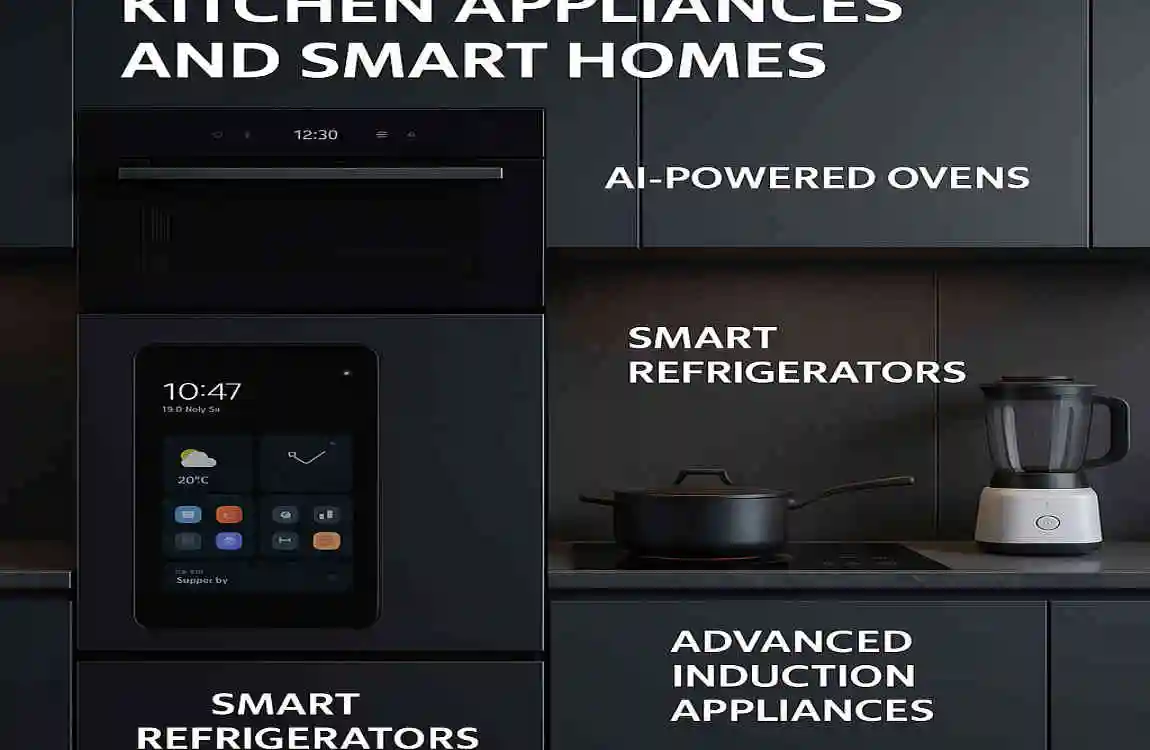
Looking ahead, kitchen appliances get even smarter. The Matter protocol unifies ecosystems—no more brand silos. Sustainable materials, such as recycled metals, dominate energy-efficient appliances.
AR previews let you “try” appliances in your space via the app. AI evolves to predictive cooking—guessing meals from your calendar. Voice gets multilingual for global homes.
By 2027, self-repairing smart home appliances could be the norm. Stay ahead—upgrade now for tomorrow’s edge.
