

Yes, you can rent a house in the UK – and millions do it every year. In fact, around 4.6 million households rely on private rentals, according to the latest Office for National Statistics (ONS) data from 2025. Whether you’re a local looking for your first home, a foreigner eyeing a fresh start, or an international student chasing opportunities, the UK rental market welcomes you with open arms. But it’s not just about saying “yes” – it’s about doing it smartly in 2026.
Who Can Rent a House in the UK? Eligibility Guide
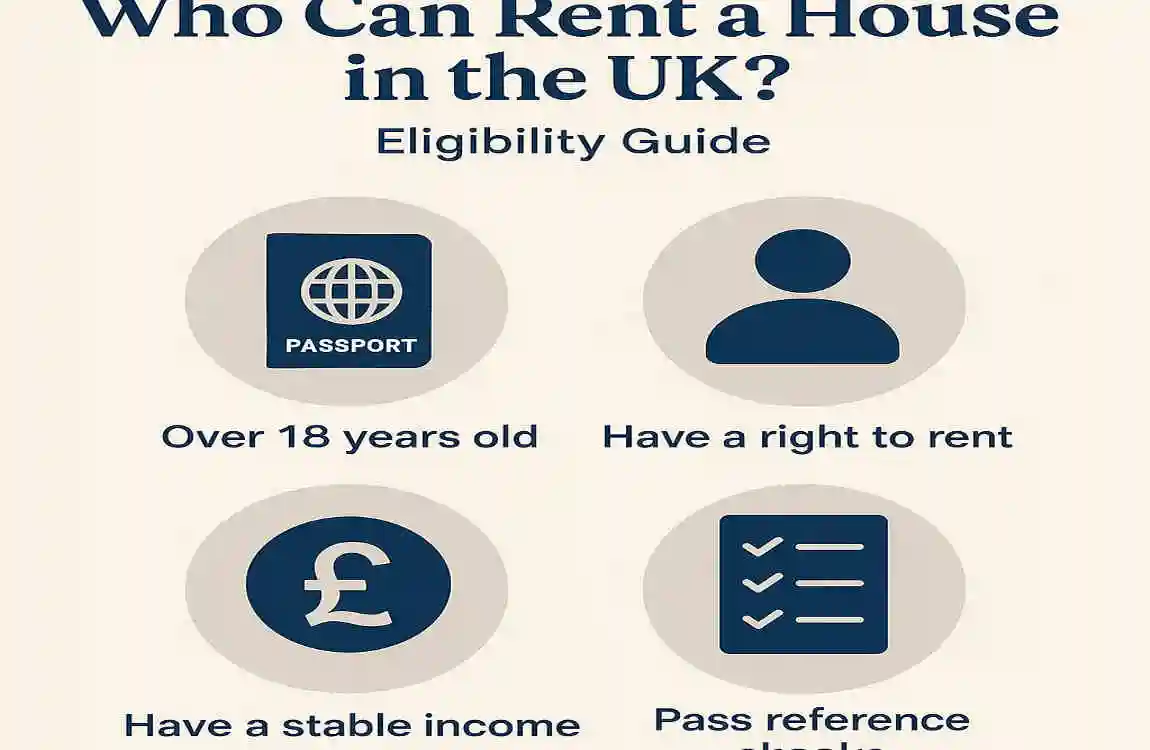
Renting a house in the UK is open to almost anyone with the basics in place. You don’t need to be a citizen or own property elsewhere. Landlords want proof you’re reliable and can pay. So, if “can you rent a house in the UK” keeps popping into your head, relax – eligibility is straightforward.
Can Foreigners or Non-UK Residents Rent a House in the UK?
Absolutely, renting a house in the UK as a foreigner is common. Over a million expats and students do it yearly. For EU, EEA, or Swiss nationals, no visa is needed post-Brexit agreements – just your passport. Others face a Right to Rent check: landlords verify your immigration status online via the UK government’s system. Visas like Skilled Worker, Student, or even Visitor (for short stays) work fine, as long as they allow renting.
Think about it – if you’re moving for a job in London or studying in Manchester, you can rent a house in the UK without hassle. Landlords must accept valid documents; refusing without reason breaks the law. Pro tip: Get your visa stamped or digital status ready early.
Age-wise, you must be 18+. No upper limit, but prove affordability. Landlords check whether rent fits your income – typically no more than 30% of your earnings. Students or low-earners? No sweat – guarantors or shared houses bridge the gap.
Common barriers pop up, but solutions exist. Here’s a quick table to show how to tackle them:
BarrierSolution
No UK credit history. Use a guarantor or international references from your bank/home country.
Bad credit, offer a higher deposit or rent through an agency that handles checks.
Pets or children: Search pet-friendly listings on sites like SpareRoom or Gumtree.
No job yet. Show savings (3-6 months’ rent) or a job offer letter
Beyond that, gather these docs:
- Valid passport or ID.
- Visa or Biometric Residence Permit (if needed).
- 3 months’ payslips or employment contract.
- Bank statements showing steady funds.
- UK address proof (if you have one, like a friend’s).
Even without a job, shared houses love students – yes, you can easily rent a house in the UK. Imagine settling into a cozy terraced home in Leeds with roommates covering bills. Landlords prioritize steady payers over perfection. If you’re a family, highlight a stable income to stand out.
What about self-employed folks? Submit tax returns (SA302) or accountant letters. Single parents? Councils offer help via housing allowances. The key? Be transparent. Agencies like Foxtons or Leaders smooth this for a fee.
In short, barriers are beatable. Prep your paperwork, and you’re golden. Feeling eligible? Let’s move to the how-to.
Step-by-Step: How to Rent a House in the UK
Great – you’re eligible. Now, how do you rent property in the UK? Follow this simple path, and you’ll hold keys in 2-4 weeks. It’s like a treasure hunt: budget first, search smart, seal the deal. If “can you rent a house in the UK” feels daunting today, these steps make it a breeze.
Check Your Budget. Crunch numbers before dreaming big. Factor rent, bills, and deposits (more in the costs section). Use online calculators – aim for rent under 35% of income. Save for upfronts: one month’s rent + deposit. Pro move: List must-haves like a garden or parking.
Search Platforms. Dive into goldmines like Rightmove, Zoopla, or OpenRent (no-agent deals)—filter by “houses only,” location, and price. Apps send alerts – set for £1,000-£1,500 in hotspots. Gumtree or Facebook Marketplace snag bargains, but verify landlords.
Book Viewings and Make Offers. Contact quickly – good houses vanish fast. Visit 2-3 times; note any dampness or noise. Ask: “What’s the tenancy length? Bills included?” Offer 5-10% below asking in slow seasons. Secure with a holding deposit (max one week’s rent, refundable).
Referencing and Contracts. Landlords run credit/income checks (via Experian). Pass? Sign the Assured Shorthold Tenancy (AST) – standard 6-12 months. Read clauses on rent hikes or breaks. The deposit goes to a scheme like DPS.
Move-In Checklist. Inventory signed? Keys handed? Test boiler, locks. Snap photos. Set up utilities via British Gas or Octopus Energy. Council Tax? Register online.
Here’s a timeline visual:
- Week 1: Budget + search.
- Week 2: Viewings + offer.
- Weeks 3-4: Refs + contract.
- Day 28: Move in!
Picture this: You spot a 3-bed in Birmingham on Zoopla, view it Saturday, offer Sunday, move by month’s end. Can you rent a house in the UK this smoothly? Yes! Apps like Sortter speed payments.
Watch for scams – never wire money without seeing the sender. Use letting agents for peace. Students? Uni portals list vetted pads. Families? Prioritize EPC C+ ratings for efficiency.
Negotiate extras like white goods. Winter searches yield deals – landlords want filled homes. Track everything in a folder. Done right, renting beats hotel life.
You’ve got the steps. Next, know your rights to stay protected.
UK Tenant Rights Explained: What You Need to Know in 2026
Rights make UK renting fair – no more “pay and pray.” In 2026, UK tenant rights 2026 shine brighter with Renters’ Rights Bill tweaks. Landlords can’t evict whimsically; you get security. Can you rent a house in the UK safely? Yes, if you know these.
Core Rights under Assured Shorthold Tenancy (AST)
Most rentals use AST – your shield. No fixed term? Periodic tenancy rules apply. Key: 4-week notice for endings (down from 2 months post-reforms). Evictions need court orders.
Deposits? Protected in DPS, TDS, or MyDeposits – max 5 weeks’ rent (6 for £50k+ properties). Landlords can’t dip in without dispute.
Eviction Protections
Section 21 “no-fault” evictions? Banned by 2026, full enforcement. Landlords prove fault (rent arrears, damage) via Section 8. Gives you breathing room – challenge dodgy notices at tribunal.
Repairs and Habitable Conditions
Landlords fix structure, heating, and plumbing. Report issues in writing – they have 14 days for emergencies. Mould? Their problem is due to poor maintenance. You keep it clean.
Discrimination Laws
“No DSS” (benefits claimants)? Illegal post-2025. No “no families” or “no foreigners” – Equality Act covers. Challenge via Shelter helpline.
Top 10 rights in a list:
- Quiet enjoyment: No uninvited landlord visits.
- Unharassed tenancy: No bullying.
- Inventory checks: Match move-out to avoid deposit fights.
- Rent receipt: Demand proof of payment.
- Utility switches: Change providers freely.
- Subletting: Okay if contract allows.
- Early termination: Negotiate breaks.
- Pet permission: Ask, don’t assume no.
- Viewing refusal: Decline pre-end viewings reasonably.
- Blocklist check: See your referencing report.
Compare rights vs. duties:
RightsResponsibilities
Deposit protection, Pay rent on time
Repairs by the landlord. Report issues promptly
No unfair eviction, no damage or illegal use
4-week notice: Give proper notice to leave
Expert note: These ensure that “can you rent a house in the UK” is safe. Disputes? Free advice from Citizens Advice or Acorn. In 2026, databases track bad landlords – power to you.
Imagine mouldy walls – snap pics, email, escalate if ignored. Students get extra uni support. Families? Priority for decent homes.
Know this, and conflicts fade. Budget next – costs await.
Breaking Down Rental Costs: What to Expect in 2026
Costs scare many, but plan and renting a house in the UK fit budgets. National average? £1,200/month outside London (NIMB 2025). London hits £2,000+, but hotspots undercut. Budget accurately before deciding, “Can you rent a house in the UK?”
Rent varies: 1-bed £900; 3-bed £1,500- £2,500. Inflation? +5-7% in busy areas, flat elsewhere.
Hidden fees: Holding deposits (1 week, credited). Agency fees? Banned for tenants since 2019; confirm—inventory £100- £200.
Utilities breakdown for a 2-bed house:
Cost TypeAverage Monthly (2-bed)
Rent £1,100-£2,500
Bills (gas/elec/internet) £200-£300
Council Tax £120-£200
TV Licence £13
Groceries/Transport £300-£400
Total £1,733-£3,413
Benefits like Universal Credit help – the housing element covers most of it. Students? Maintenance loans stretch.
Savings tips:
- Negotiate: Offer 10% less, especially at the end of the month.
- Longer tenancies: Lock 12 months for stability, no hikes mid-term.
- Shared bills: Housemates split.
- Energy-efficient homes: EPC A/B saves £200/year.
- Off-peak moves: Winter deals.
Couples? Dual incomes ease. Singles? Room rentals £600. Forecast: South East rises, North stable.
Track with apps like Money Dashboard. Government caps? Section 8 controls hikes to CPI+1%.
Real talk: A Manchester 3-bed at £1,400 leaves room for life. Skip luxuries first. Costs demystified – now hotspots.
Top Hotspots for Renting a House in the UK
Hotspots blend affordability, jobs, vibes. Where can you rent a house in the UK for the cheapest? North and Midlands lead 2026. Discover these for value.
Best Cities/Regions by Affordability and Demand
Manchester buzzes with tech jobs, culture – rents hold steady. Birmingham offers links to everywhere—Edinburgh charms with its views. Leeds suits students. Liverpool rebuilds cheaply.
HotspotAvg 3-Bed RentProsCons
Manchester £1,400 Jobs, nightlife, trams High competition
Birmingham £1,200 Affordable, airports, city bustle
Edinburgh £1,600 Festivals, nature, Tourist crowds
Leeds £1,100 Unis, shopping, Rainy winters
Liverpool £900 Football, seafront, Job market rebuilding
Emerging stars: Newcastle (£950, beaches, Geordie welcome), Sheffield (£1,000, peaks, steel revival). East Anglia (Norwich, £1,100) is becoming remote-work-friendly.
Why these? Demand from grads, migrants. Manchester’s MediaCity pulls creators—Birmingham’s HS2 boosts. Families love Liverpool’s parks.
South? Bristol £1,700 – vibrant but pricier. Avoid central London unless loaded.
Picture a Leeds semi: garden, near trains, £1,100. Or Edinburgh Victorian: character, £1,600.
Students? Leeds/Yorkshire. Expats? Manchester diversity. Families? Birmingham suburbs.
Search “3-bed houses [city]” on Rightmove. Trends: Hybrids flock to North post-pandemic.
Hotspots nailed – dodge pitfalls next.
Common Pitfalls and Pro Tips for UK Renters
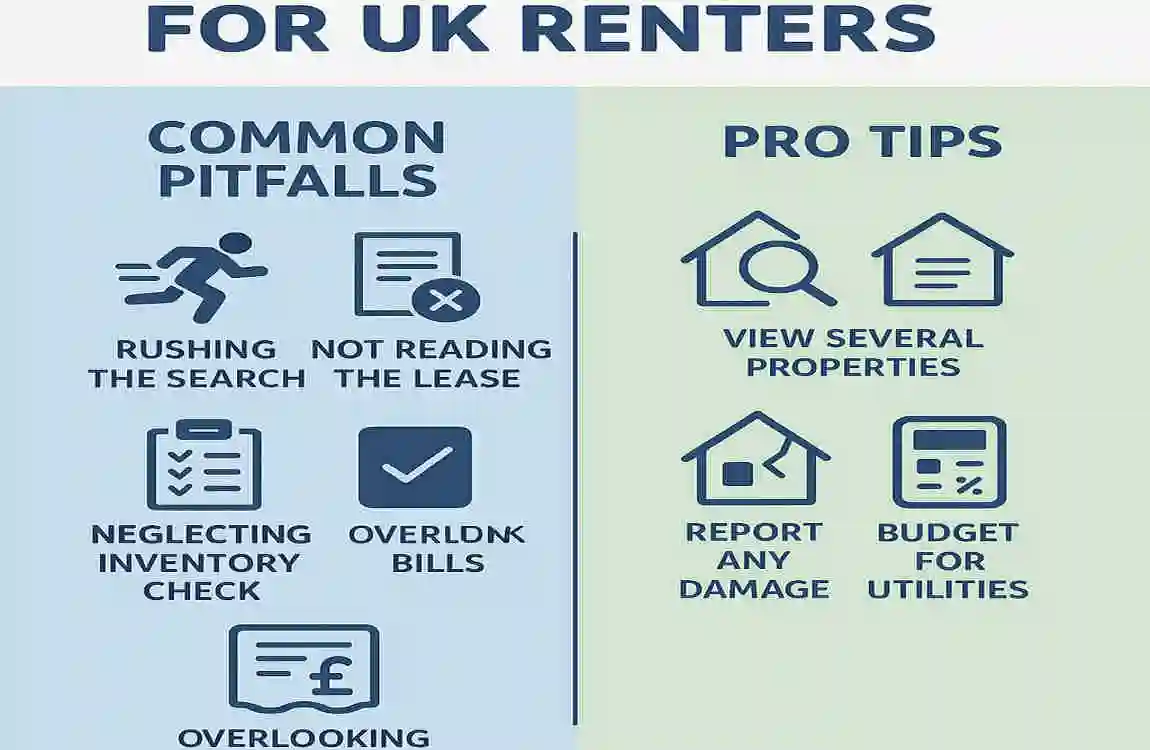
Pitfalls trip newbies, but spot them, thrive. Here’s how to sidestep when you rent a house in the UK.
Red flags: No EPC (energy rating mandatory), illegal fees, verbal promises. Always get a written tenancy.
Negotiation hacks: Move winter (Oct-Feb), ask for free months. Off-season = leverage.
Long-term: Request Section 8 for rent caps.
7 mistakes to avoid:
- Skipping inventory leads to deposit loss.
- Ignoring bills in ads – surprises hit.
- No guarantor – blocks low-income bids.
- Rushing viewings – miss damp.
- Paying cash unseen – scam city.
- Forgetting insurance – contents vital.
- Poor referencing prep – delays deals.
Pro tip: Use OpenRent for direct landlords to save on fees. Join tenant unions like Renters Reform. Track rent via app.
Imagine dodging a no-EPC trap – saves energy bills. Negotiate pets in.
Master these, rent worry-free.
