
Imagine this: You’re down in your basement, trying to enjoy a quiet evening, but a chilly draft sneaks in through that old, cracked window. Your energy bills are rising each month, and you may even have failed a home inspection because of it. Sound familiar? If you’re a homeowner dealing with these issues, you’re probably wondering how much it costs to replace a basement window. Well, in 2026, you can expect to pay between $300 and $1,200 per window, covering both materials and labour. That’s the straightforward answer to get you started.
But let’s dig a bit deeper. Basement window replacement costs aren’t just a random number—they depend on several things, like the window‘s size, the materials you choose, and where you live. Replacing these windows isn’t just about fixing a problem; it also brings real benefits. Think improved energy efficiency that cuts down on those heating bills, better safety for your family, and even a boost to your home’s overall value. Who wouldn’t want a brighter, more secure basement?
Average Costs Breakdown
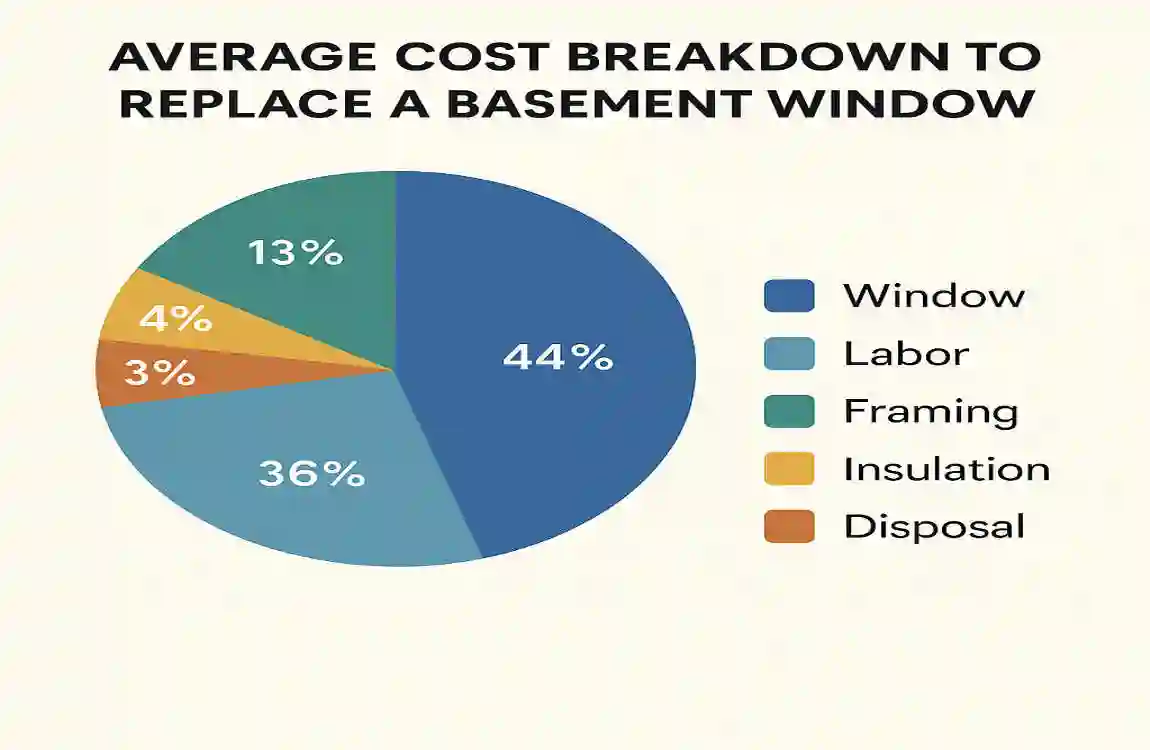
When you’re figuring out how much it costs to replace a basement window, starting with the averages helps paint a clear picture. In 2026, national averages hover between $300 and $1,200 per window, but that range can shift based on specifics. Don’t worry—I’ll explain it step by step so you can see where your project might land.
First off, let’s talk about what these costs include. Materials alone can run from $100 to $800, while adding labour pushes the price higher. If you’re going for a simple swap, stay on the lower end. But if you need something more complex, like an egress window for safety codes, expect to pay more. These numbers are based on reliable industry data and have been adjusted for 2026 trends, including a slight inflation rate.
To make this scannable, here’s a handy table breaking down costs by window type and size. It includes prefab materials (just the window itself) and fully installed prices (with labour). Take a look and imagine which one fits your basement.
Window Type/SizePrefab Cost (Materials Only)Installed Cost (Labour Incl.)Notes
Small Hopper $100-$475 $300-$700 Common for basements, great for ventilation without taking much space.
Medium Slider $325-$575 $500-$900 Standard replacement option, easy to operate and lets in good light.
Large Egress $525-$800 $1,000-$2,500+ Code required for bedrooms; ensures a safe escape in emergencies.
Vinyl Frame $100-$650 $300-$975 Budget-friendly and low-maintenance, perfect for moist basements.
Aluminium/Wood $175-$800 $375-$1,200 Durable and customizable, ideal for a Premium look.
See how the table shows the progression? A small hopper window keeps things affordable if your basement needs better airflow. On the flip side, a large egress can cost $2,500 or more because it often requires digging a window well for proper installation. That’s a big jump.
Now, let’s break down the ranges further. On the low end, you might snag DIY materials for $150 to $300—think basic vinyl windows from a home improvement store. But for high-end custom egress setups, costs can soar past $5,000, especially if you’re adding features like reinforced frames or professional excavation.
Regional differences also play a role. In urban areas like New York or Los Angeles, add about 20% more for higher labour rates and shipping costs. Rural spots might save you a bit. For example, a standard replacement in the Midwest could average $400, while on the coasts, it’s closer to $1,000.
Don’t forget the sub-costs that add up. Here’s a quick bullet list to keep it simple:
- Labour: $100- $200 per window, depending on complexity.
- Permits: $50-$100, required in many areas for code compliance.
- Additional fees: Consider removing old windows ($50-$100) or installing window wells for Egress ($500-$1,500).
These extras can catch you off guard if you’re not prepared. Imagine budgeting just for the window, only to face permit fees—it’s better to plan. By understanding these averages, you’re already ahead of the game. How does this compare to what you expected for your home?
Key Cost Factors
Diving into basement window replacement costs, it’s clear that several factors can swing the price tag. You might wonder why one neighbour pays $400 while another pays $1,000 for a similar job. Let’s unpack this together. I’ll break it down into key areas, explaining each in detail so you can spot what’s influencing your quote.
Think of these factors like ingredients in a recipe—change one, and the whole dish (or cost) transforms. We’ll cover materials, size and style, plus labour and location. By the end, you’ll know exactly how to tweak things for your budget.
Window Material Impacts
The material you pick for your basement window is a big deal—it’s like choosing the foundation for your project. Different options offer varying levels of durability, looks, and price. Let’s explore them one by one.
Start with vinyl. It’s the cheapest choice, ranging from $100 to $650 for prefab units. Why so affordable? Vinyl is lightweight and moisture-resistant, making it perfect for damp basements. But watch out—it can warp in extreme weather, like scorching summers or freezing winters. If you’re in a moderate climate, vinyl keeps costs low without sacrificing too much quality.
Next up, fibreglass or steel. These fall in the mid-range, costing $250 to $800. They’re champs at energy efficiency, helping trap heat and reduce drafts. Imagine lower utility bills year-round—that’s the appeal. Fibreglass is impact-resistant, while steel adds security. If you want something that lasts without breaking the bank, this is your sweet spot.
Then there’s wood. For a Premium, classic aesthetic, wood frames run $175 to $1,200. They look gorgeous and add warmth to your basement. But here’s the catch: wood needs regular maintenance to prevent rot, especially in humid spots. If you’re after that high-end vibe and don’t mind the upkeep, wood justifies the extra spend.
Which material speaks to you? Picking the right one aligns your costs with your home’s needs.
Size and Style Considerations
Size and style aren’t just about looks—they hit your wallet directly. Smaller windows keep things cheap and straightforward, while larger ones ramp up the price. Let’s make sense of it.
For small windows under 4 square feet, expect $100 to $475. These are ideal for tight basements where you need ventilation. Hopper styles that tilt inward are popular here—they’re easy to install and use.
Bump up to medium sizes, and the cost rises to $325-$575 for materials. Sliders, which glide open horizontally, fit well here. They provide better access and light, making your basement feel less like a cave.
Now, large egress windows? Those start at $525 and can reach $2,500 installed, especially if they need to meet the minimum 5.7-square-foot requirement set by safety codes. Egress means “escape,” so these are must-haves in basement bedrooms. They often require digging a well outside, which adds labour.
Style matters too. Hoppers focus on air flow, sliders on ease—choose based on how you use the space. Bigger and fancier? Higher costs. What size do you think your basement needs?
Labor and Location
Labour and where you live can make or break your budget. Professional installation typically adds $100 to $200 per window. Why pay? Pros ensure there are no leaks and meet code requirements, avoiding costly fixes later.
DIY might tempt you to save, but it risks waterproofing errors—more on that soon. Location-wise, the Midwest offers lower averages of around $400 due to lower labour costs. Coasts? Brace for $1,000+ because of demand and regulations.
Urban areas inflate prices by 20%, while rural ones keep them down. Factor in your spot—does it match these trends?
DIY vs Professional Installation
Deciding between DIY and hiring a pro for basement window replacement? It’s a common dilemma. You might save money going solo, but pros bring expertise. Let’s weigh the options so you can choose wisely.
First, consider the basics. DIY suits simple jobs, like swapping a small hopper window. Pros handle complex ones, like egress installations. I’ll outline pros, cons, and steps to guide you.
To keep it clear, here’s a table comparing the two:
AspectDIY CostsPro CostsRecommendation
Total (1 window) $150-$500 (materials only) $500-$1,200 (full install) Pros for complex Egress; DIY for basics.
Time 4-8 hours per window, 2-4 hours per window. DIY if you have weekends free.
Risks: Waterproofing errors, code violations. Higher upfront cost, but warranties are included. Pros: Ensure safety and compliance.
See the trade-offs? DIY keeps cash in your pocket but demands time and skill. Pros cost more but deliver peace of mind.
If you go DIY, follow these steps: Measure your opening precisely, remove the old window carefully, install the new one level, and seal all edges with caulk. Sounds straightforward? It can be for basic swaps. But warning: Egress windows need pros—codes require specific sizes and wells for safe exits. Mess that up, and you could face fines or safety issues.
On the pro side, they offer warranties and handle permits. Think about it: Is saving $200 worth potential leaks during a storm? For most homeowners, especially with tricky basements, pros win out. What path feels right for you?
Savings Tips and Financing
Who doesn’t love saving money on home projects? When tackling basement window replacement costs, innovative strategies can shave hundreds off your bill. Let’s chat about practical tips and financing options to make this upgrade affordable.
Start with shopping smart. Opt for prefab windows over custom—they’re ready-made and cheaper. Look for energy-efficient models; they qualify for rebates up to 30% through programs like ENERGY STAR. That means real savings on your initial outlay.
Bundle jobs too. Replacing multiple windows? Contractors often give 10-20% discounts for bulk work. Time it right—off-season installs in winter or fall can lower rates since pros are less busy.
Always compare quotes. Get at least three from local experts to spot the best deal. Don’t forget to ask about hidden fees.
For financing, consider home equity loans—they offer low interest for big projects. Many contractors also offer payment plans that spread costs over months.
Here’s the ROI in bullets for motivation:
- Resale value: Recoup about 70% on your investment when selling.
- Energy savings: Cut bills by 20% with better insulation.
- Long-term perks: Fewer repairs mean money saved over the years.
See? These tips turn an expense into a wise investment. How will you apply them to your project?
When to Replace
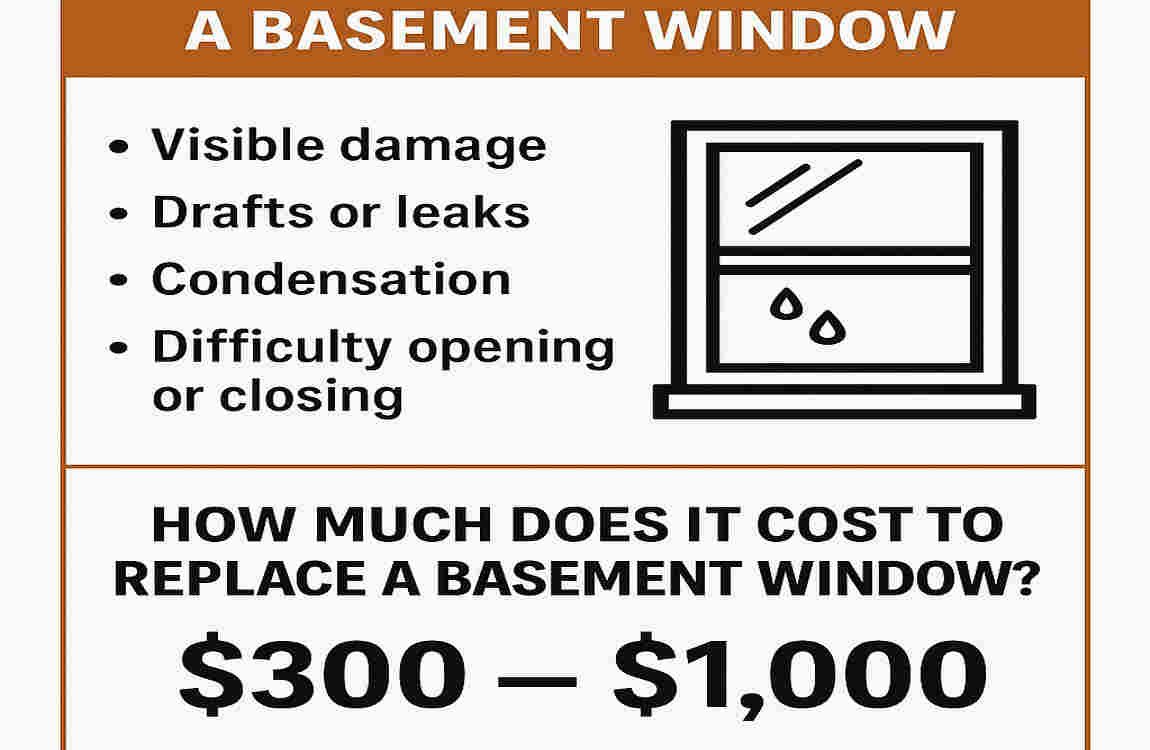
Is it time to replace your basement windows? Let’s spot the signs together. Cracks in the glass let in water and bugs—fix them before damage spreads.
Fogging between panes signals failed seals, trapping moisture and reducing efficiency. Drafts? They’re stealing your heat and money.
For safety, check egress compliance. If your basement bedroom lacks a proper escape window, it’s a code violation—replace now to protect your family.
Benefits abound: More natural light brightens the space, boosting your home’s value. Enhanced safety and energy savings justify the cost. Isn’t it worth investing in a better basement?
