
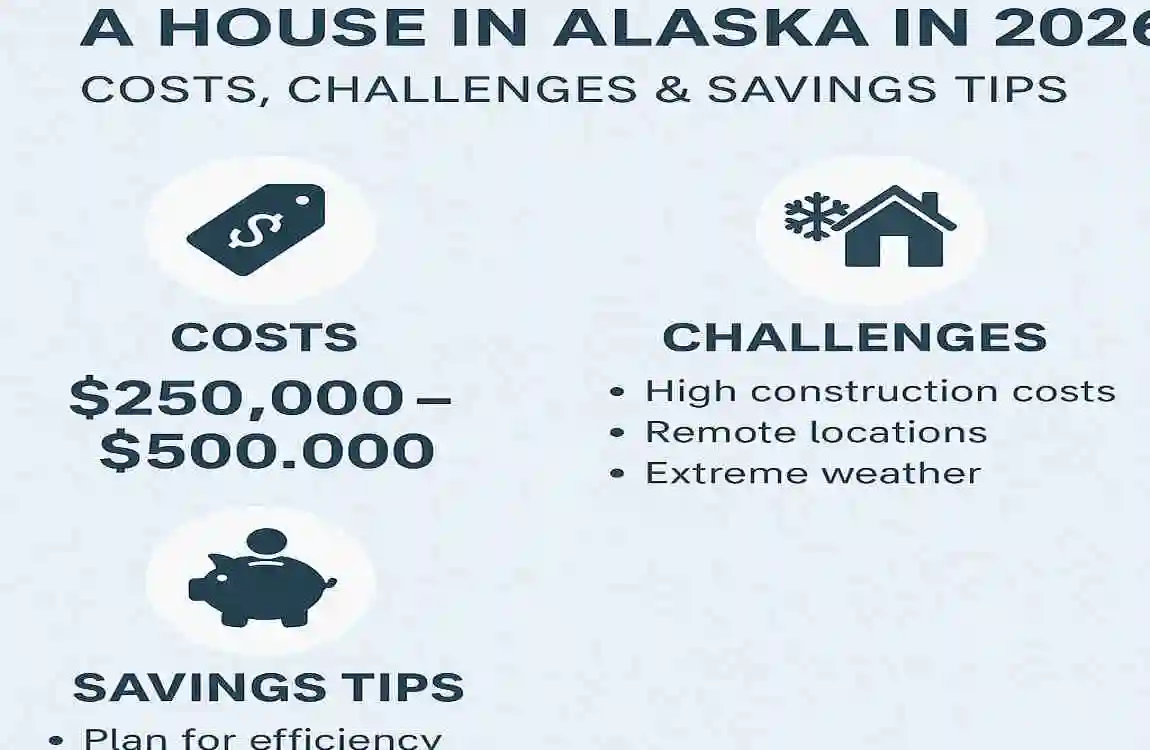
You’re not alone! Alaska is a land of wild beauty and wide-open spaces, but building a home here comes with a unique set of costs and challenges that can surprise even experienced homeowners. In 2026, you’ll find that the average price to build a house in Alaska ranges from $135 to $540 per square foot, with most projects landing between $300,000 and $725,000 for a typical 2,000–3,000 sq ft home—before you even buy the land.
These numbers reflect much more than just lumber and nails. Alaska’s harsh climate, remote locations, and strict building codes add extra layers of expense. Yet, with the proper planning and a few wise choices, you can make your dream of an Alaskan home a reality—without breaking the bank.
City-by-City Cost Comparison
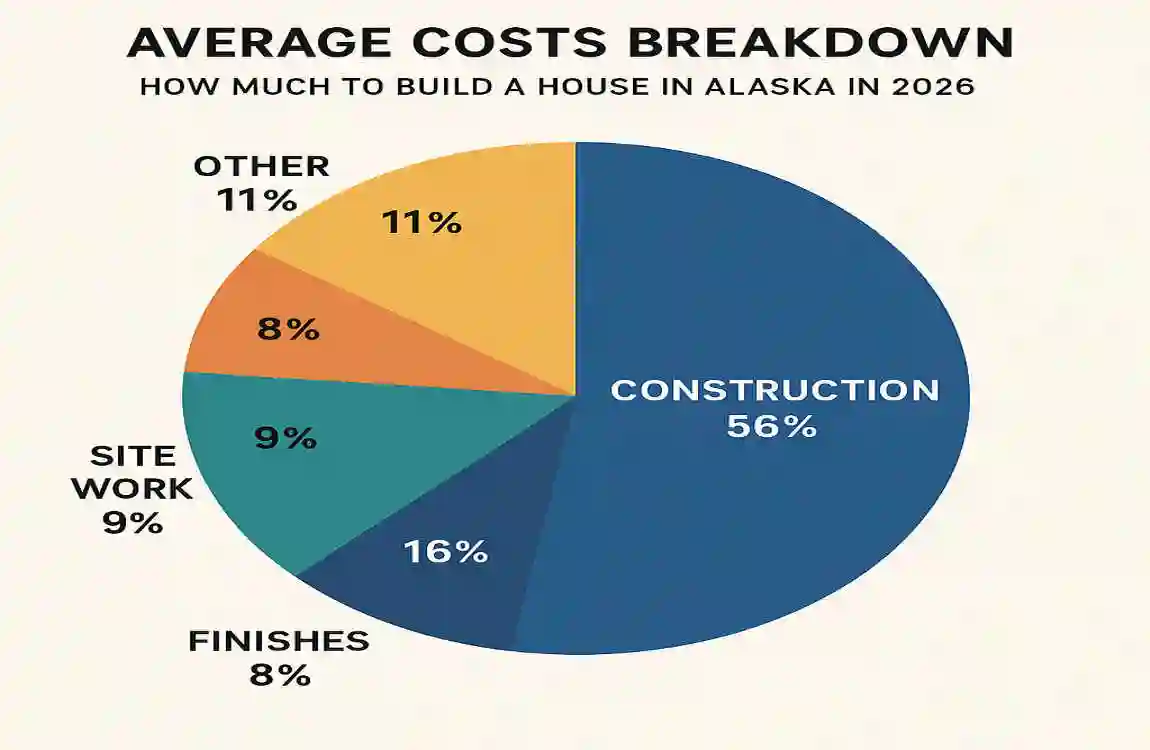
Not all Alaskan cities cost the same to build in. Here’s a look at what you might pay in the state’s most popular regions:
CityCost/sq ftTotal for 3,000 sq ft (incl. land)Buy vs. Build
Anchorage $270 $910,000 Build 2x pricier than $420K buy
Fairbanks $250 $850,000 Vs. $265K buy
Juneau $200 $700,000 Vs. $529K buy
As you can see, building costs are often double the price of buying an existing home, especially in Anchorage and Fairbanks. That’s due to a mix of high labour rates, shipping costs, and the need for specialised construction methods.
Buying vs. Building in Alaska
If you’re debating whether to build or buy in Alaska, know that building is usually pricier—sometimes by 100% or more. However, building gives you the ability to customise, use modern energy-efficient designs, and pick your ideal location. If budget is your top priority, consider buying an existing home or looking at modular options.
Permafrost and Soil Instability
Building on permafrost is one of the most complicated aspects of Alaska home construction. Permafrost is permanently frozen ground that can shift and thaw, causing traditional foundations to crack or sink. To combat this, builders use deep pilings or frost-protected slabs, which can add $10,000 or more to your foundation costs.
Harsh Winters and Short Build Seasons
Alaska’s winter can last up to 8 months, with snow and freezing temperatures making outdoor construction impossible. The build season is typically May to September, which means timelines are tight. To stay on schedule, contractors often work extra hours in summer, which increases labour costs. Plus, weatherproofing and insulation requirements are much stricter, adding another 10–15% to your bottom line.
Labour Shortages and Higher Wages
Finding skilled tradespeople in Alaska isn’t easy. Many workers only come for the summer, and those who live year-round command 20–30% higher wages than the national average. In remote areas, you might even need to fly in workers and provide housing, raising costs further.
Material Shipping and Logistics
Most building materials—lumber, drywall, even nails—must be shipped from the Lower 48 (the contiguous U.S.). Depending on your location, this can increase material costs by 15–25%. In isolated “bush” communities, every item must come by barge or plane, doubling logistics expenses and complicating delivery schedules.
Strict Building Codes and Energy Regulations
Alaska’s seismic activity and cold temperatures mean building codes are some of the toughest in the country. The International Energy Conservation Code (IECC) requires high R-value insulation in walls, roofs, and even foundations. While this increases costs, it also results in lower utility bills.
Remote vs. Urban Construction
Building in remote (bush) areas can double your logistics costs compared to urban centres like Anchorage or Fairbanks. Roads might be impassable in winter, and everything from concrete to roof trusses may require special transport arrangements.
Proven Tips to Save Money Building a House in Alaska
Can you actually save money building in Alaska?
Absolutely! While the average costs are high, there are several strategies that can cut your expenses by 10–30% or more. Here are some actionable tips to help you build smarter—not just bigger.
Top 10 Cost-Saving Tips
- Buy Affordable Land in Rural Areas
- Land in Alaska’s rural regions can be as low as $7,000 per acre. Consider areas outside Anchorage or Fairbanks for substantial savings.
- Choose Modular or Prefabricated Homes
- Modular homes are built in climate-controlled factories and shipped to your site. They’re 20–40% cheaper and much faster to construct.
- Design for Energy Efficiency
- Take advantage of Alaska’s energy rebate programs by building to AHFC 5-star standards—this can save you up to $10,000 in rebates and cut your ongoing utility bills.
- Plan Construction in the Off-Season
- Secure your contractors and materials during the winter, then start building as soon as the thaw begins. This can help you lock in lower rates.
- Keep Designs Simple and Compact
- Avoid custom layouts and stick to 1,800–2,500 sq ft plans. Simpler shapes have lower labour and heating costs.
- Do-It-Yourself Site Prep
- Where local rules allow, clear and grade your lot yourself or with friends. This can save thousands on site prep.
- Buy Materials in Bulk
- Team up with neighbours or other builders to purchase supplies in bulk, driving down per-unit costs.
- Apply for Government Grants
- Some rural construction projects may qualify for Alaska Housing Finance Corporation (AHFC) or federal grants—always check eligibility!
- Work With Local Contractors
- Hiring locally reduces travel and lodging costs for your crew, and local pros know the unique challenges of your area.
- Shop Around for Financing
- Compare rates from local banks and credit unions. Some offer special construction loans for Alaska residents.
Savings Impact Table
Tip Potential Savings Source Notes
Modular 20–40% Faster assembly
Efficient HVAC $5K–$10K rebates, State incentives
DIY Site Prep $2K–$10K Depending on lot size
Off-Season Planning 5–15% Lock in contractor rates
Step-by-Step Guide to Building Your Alaska Home
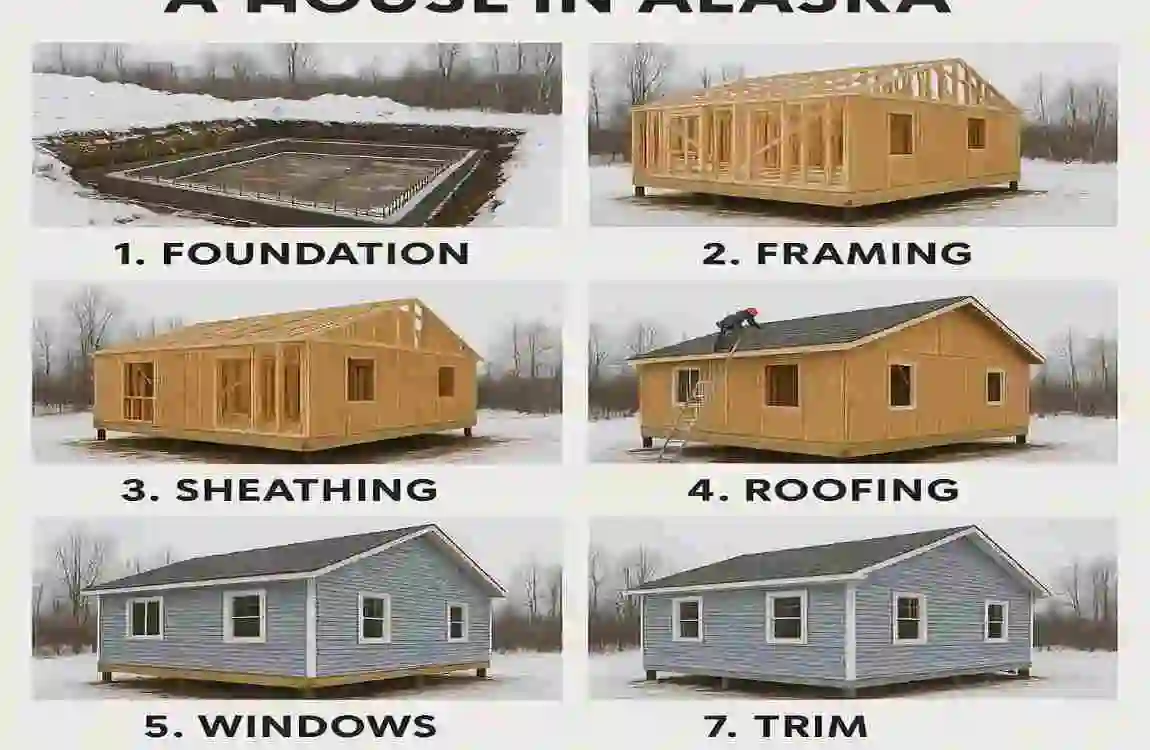
If you’re ready to move forward, let’s lay out the steps to build a house in Alaska. Following a transparent process helps you avoid costly mistakes and keeps your project on track.
Budget and Planning
Start by determining your total budget. Use a $300–$500 per square foot rule of thumb for realistic numbers. Add at least 10–15% for contingency in Alaska due to weather and logistics.
Land Acquisition and Permits
Scout for land (check local listings and talk to agents experienced in rural Alaska). Remember, some lots may need extra prep for permafrost. Apply for building permits through your local borough or municipality—requirements vary.
Design and Architecture
Hire a local architect or designer familiar with Alaska building codes, energy standards, and seismic risks. Opt for simple, compact designs to save money.
Secure Financing
Explore construction loans from Alaska banks or credit unions, or look into owner-builder loans if you plan some DIY work. Get pre-approved before you start construction.
Construction Phases
Work with a local builder to break ground as soon as the spring thaw allows. The general phases include:
- Site prep and foundation
- Framing
- Exterior and roofing
- Plumbing, HVAC, and electrical
- Interior finishes
Inspections and Final Walkthrough
Alaska requires multiple inspections at various stages—foundation, framing, insulation, and final occupancy. Schedule these with your local authorities. Once passed, do a final walkthrough with your builder to address any issues.
