

Designing a home is a nuanced process that blends creativity with practicality, aiming to create spaces that are not only visually appealing but also comfortable, functional, and enduring. At the heart of home architecture are several foundational design principles that guide architects and homeowners alike in shaping living environments that reflect personal lifestyles, maximize comfort, and harmonize with their surroundings. These principles—ranging from functionality and balance to sustainability and aesthetic harmony—serve as a blueprint for transforming ideas into homes that are both beautiful and livable. By understanding and applying these core concepts, anyone embarking on a home design journey can ensure their space meets present needs while remaining adaptable for the future.
Functionality vs Aesthetics: Finding the Balance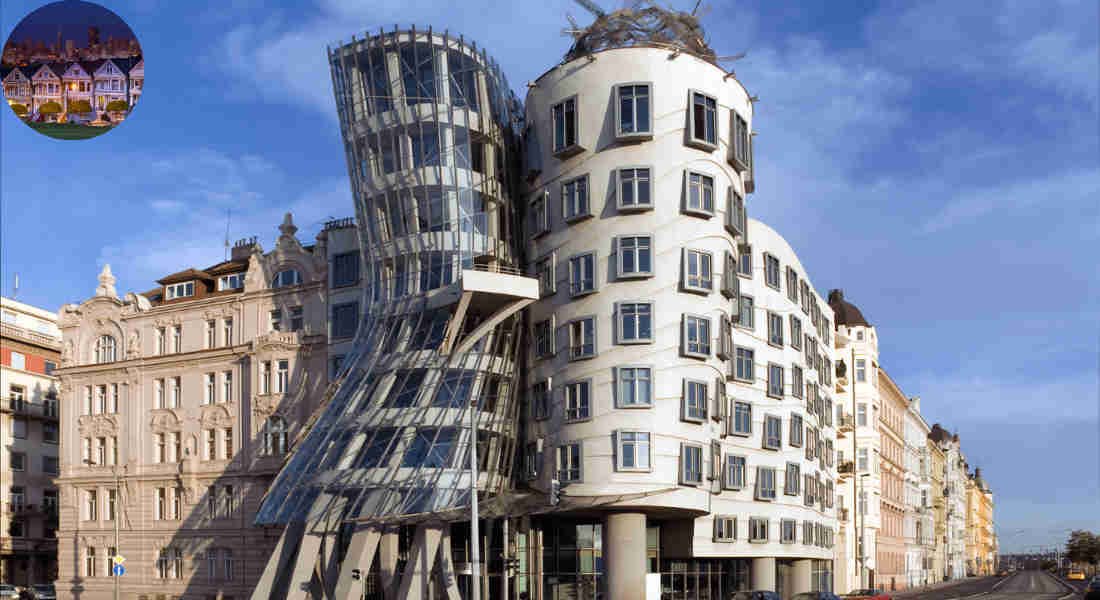
When designing a home, the interplay between functionality and aesthetics is paramount. Homeowners desire spaces that look stunning but also serve practical purposes.
Functionality ensures that each room meets the needs of its occupants. A well-designed kitchen, for instance, should allow for easy movement while cooking. Storage solutions need to be both accessible and unobtrusive.
On the other hand, aesthetics breathe life into those functional elements. Think about how colors, textures, and finishes can transform an ordinary space into something extraordinary.
Finding harmony between these two aspects requires thoughtful planning. Designers must consider lifestyle alongside visual appeal. The best homes reflect this balance seamlessly; they invite admiration while providing comfort in everyday living.
Achieving this equilibrium elevates a house from mere shelter to a true home where beauty complements practicality without compromise.
The Importance of Proportion and Scale in Home Design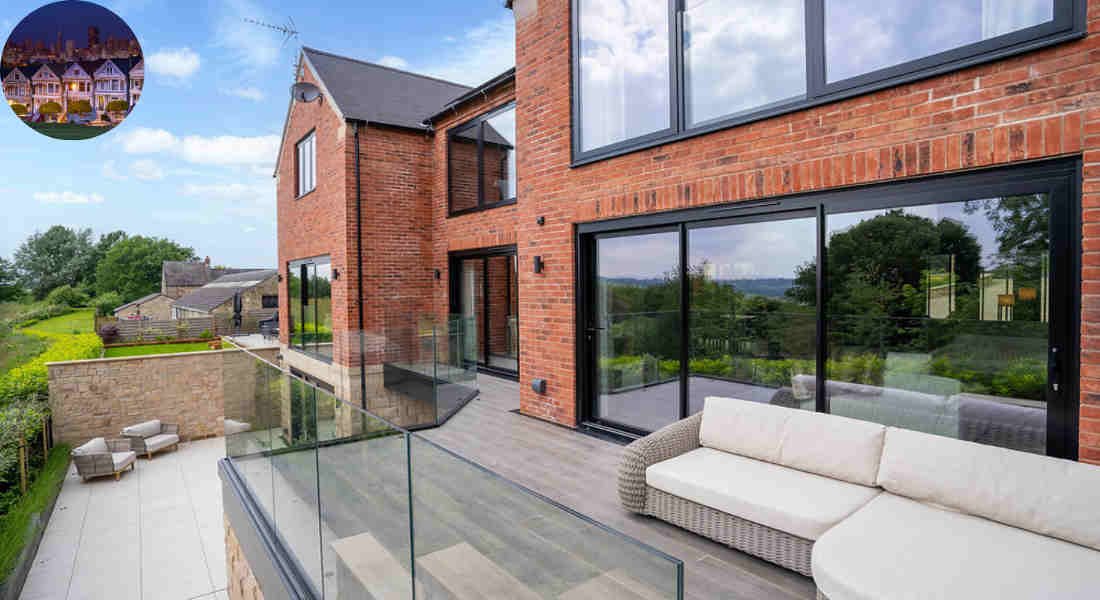
Proportion and scale are vital in home design, influencing the overall aesthetic and functionality of a space. When elements within a room relate well to each other, it creates harmony that feels pleasing to the eye.
Think about how furniture fits into your living area.In a small room, a large sofa can overwhelm, while a large room might be overwhelmed by tiny accents.Striking the right balance enhances usability without sacrificing style.
Architectural features also benefit from careful consideration of proportion. High ceilings paired with tall windows invite natural light while maintaining an airy feel. Conversely, low ceilings can be complemented by cozy furnishings that create intimacy.
These principles extend beyond interior spaces as well; they affect exterior facades too. Whether it’s the size of doors or window placements, getting proportions right ensures visual appeal from every angle. Making thoughtful choices leads to environments where people feel comfortable and inspired.
You may also read (why is art and architecture essential for home civilization).
Incorporating Natural Light and Ventilation
Natural light plays a crucial role in home architecture. It enhances the ambiance and can make spaces feel larger and more inviting. When designing a home, consider large windows or skylights to draw in sunlight throughout the day.
Ventilation is equally important for maintaining air quality. Proper airflow prevents moisture buildup and keeps homes feeling fresh. Incorporating features like operable windows or vents allows homeowners to control their indoor environment effectively.
Think about the layout too; open floor plans can promote better air circulation while maximizing light exposure. Strategic placement of rooms ensures that areas like living rooms benefit from ample natural illumination.
Using materials such as glass walls not only blurs the line between indoor and outdoor spaces but also draws nature into your home’s design. This connection with the outside world adds tranquility, making every room feel alive with energy and warmth.
Balancing Form and Function with Materials
Choosing the right materials can make or break a home design. It’s not just about looks; it’s about how those materials perform in everyday life.
Consider durability and maintenance when selecting options. Brick, for example, offers longevity but requires different care than wood siding. This architecture is an example of what principle of design? It’s all about balancing aesthetics with practicality.
Textures also play a vital role. A mix of smooth and rough surfaces can create visual interest while ensuring functionality. Think sleek countertops paired with natural wood cabinets for warmth.
Eco-friendly choices reflect modern values without sacrificing style or function.
Each element should serve a purpose while contributing to the overall aesthetic appeal of the home. When form meets function harmoniously through thoughtful material choices, spaces come alive and feel truly inviting.
You may also read (what defines romanesque house architecture features).
Creating a Cohesive Color Palette
Creating a cohesive color palette is an art form in home architecture. It sets the mood of your space and can influence how people feel when they enter.
Start with a base color that resonates with you. This will be your anchor, guiding other choices. From there, consider complementary colors to add depth and interest without overwhelming the senses.
Use varying shades within your chosen hues to create harmony throughout different areas of your home. A lighter version can brighten rooms, while darker tones offer warmth and intimacy.
Texture plays a role too. Mixing matte finishes with gloss can enhance visual appeal, making spaces feel layered rather than flat.
Don’t forget about natural elements like wood or stone; they interact beautifully with colors, enriching the overall aesthetic while grounding it in nature’s palette.
Integrating Technology into Home Design
Integrating technology into home design transforms living spaces into smart environments. Home automation systems allow homeowners to control lighting, security, and climate with just a touch or voice command.
Smart appliances are now commonplace. From refrigerators that track groceries to ovens that can be preheated remotely, these innovations make daily tasks more efficient.
Energy management is another area where technology shines. Smart thermostats learn your habits and adjust settings for maximum efficiency, saving energy and money while enhancing comfort.
This creates an immersive experience tailored to individual preferences.
Designing with technology in mind also considers aesthetics. Seamlessly blending devices within the decor ensures functionality doesn’t compromise style. The right balance of tech enhances both convenience and enjoyment in everyday life.
Sustainability and Green Design in Modern Homes
Sustainability in home design is more than a trend; it’s a necessity. Modern homeowners increasingly seek eco-friendly solutions that reduce their carbon footprint.
Green design emphasizes energy efficiency. This includes the use of solar panels, high-performance insulation, and energy-efficient appliances. These features not only lower utility bills but also promote environmental responsibility.
Materials play a crucial role too. Reclaimed wood, recycled metal, and low-VOC paints contribute to healthier living spaces while minimizing waste. Choosing sustainable materials reflects an understanding of the planet’s needs.
Rainwater harvesting systems further support this green approach by conserving resources.
Incorporating biophilic design connects residents with nature while improving well-being. Nature-inspired elements create harmony within the home environment without sacrificing style or comfort.
Traditional vs Contemporary Design Principles
When we explore traditional and contemporary design principles, a fascinating contrast emerges. Traditional architecture often emphasizes symmetry, ornamentation, and historical styles that reflect the culture of their time. Think of elegant columns, intricate moldings, and classic layouts that have stood the test of time. These homes evoke nostalgia and charm while telling stories from generations past.
On the other hand, contemporary design breaks away from convention. It embraces minimalism with open spaces, clean lines, and functional designs that prioritize practicality over embellishment. This approach often incorporates innovative materials like steel or glass to create striking aesthetics that align with modern lifestyles.
Both styles serve distinct purposes in home architecture but share a common goal: creating spaces where people can thrive comfortably. Whether you lean more towards tradition or innovation depends on your tastes and needs.
Understanding these differing principles enhances our appreciation for architectural diversity in homes today. Each style speaks to unique preferences while highlighting how this architecture is an example of what principle of design resonates most deeply within us as individuals.
You may also read (what defines french colonial house architecture style).
