

Renting out houses can seem straightforward, but many property owners wonder if they need a real estate license to do so legally. If you own the property, you generally do not need a real estate license to rent it yourself. Licensing requirements typically apply when you represent others in leasing or property management for valuable consideration. However, local laws may require business or rental licenses; compliance with these is important to avoid penalties or legal complications. This introduction explores when a real estate license is necessary for renting houses and what other permits or licenses landlords might need to operate within the law.
Understanding the role of a real estate license in renting properties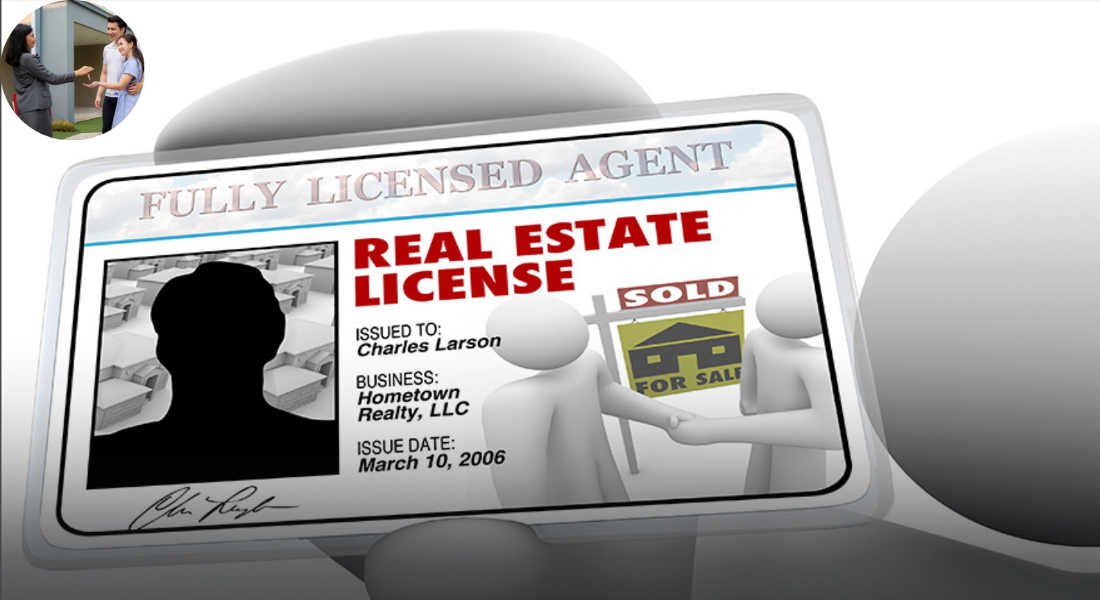
A real estate license is often seen as a badge of professionalism in the rental market. It signifies that an individual has undergone training and understands the nuances of property transactions.
When renting houses, having this license can open doors to valuable resources and networks. Licensed agents typically have access to databases that list available properties, making it easier for them to find suitable tenants or homes.
This knowledge helps ensure tenant rights, fair housing laws, and lease agreement compliance.
However, it’s important to note that not everyone needs a license to rent their property. Many landlords successfully navigate the rental landscape without formal certification by understanding basic legal requirements and effective management practices.
Pros and cons of obtaining a real estate license for rental purposes
Obtaining a real estate license can open doors in the property rental arena. One major advantage is access to industry knowledge. With training, you gain insights into local market trends and regulations.
Networking opportunities are another perk. You’ll connect with other agents, landlords, and potential tenants, which can boost your business prospects.
However, there are downsides, too. The process of acquiring a license involves time and financial investment. Classes often require a commitment that might not suit everyone’s schedule.
This could deter casual investors or those who only wish to rent out a single property occasionally.
Consider the balance between these pros and cons carefully before deciding whether pursuing a real estate license aligns with your rental goals.
You may also read (do you need a license to wholesale houses).
Alternative options for renting without a real estate license
Renting properties without a real estate license is indeed possible. Many landlords manage their rentals directly, leveraging online platforms that simplify the process.
Websites like Airbnb and Vrbo have revolutionized short-term rentals. These platforms allow homeowners to list properties easily while reaching a broader audience.
These companies handle everything from tenant screening to maintenance, offering peace of mind for property owners who prefer not to get involved in day-to-day operations.
Posting on local community groups or neighbourhood pages can attract potential tenants without needing any formal licensing.
Networking with friends and family may also yield leads for renters seeking homes. Building relationships within your community often opens doors to opportunities that might not require a traditional real estate approach.
Legal implications of not having a real estate license for rental properties
Renting properties without a real estate license can lead to significant legal trouble. Many states require landlords to hold a valid permit if they rent multiple units or engage in property management professionally. Failing to comply with these regulations can result in hefty fines.
Issues like safety violations or tenant rights disputes could complicate matters further, leaving an unlicensed landlord vulnerable.
Insurance coverage is another concern. Without a proper license, your liability insurance might be voided during claims related to rental activities.
Understanding local laws is crucial for anyone considering renting out properties. Ignorance of the law won’t protect you from penalties or other repercussions associated with non-compliance. Staying informed and adhering to licensing requirements safeguards your investment and ensures a smoother rental experience for everyone involved.
You may also read (how to determine if your house agreement needs notarization).
Tips for successful property management without a real estate license
Managing rental properties without a real estate license can be challenging but achievable with the right strategies. Here are some effective tips to help you navigate this path successfully.
Educate yourself about local rental laws and regulations. Each state has rules governing rentals, including tenant rights and landlord obligations. Familiarizing yourself with these regulations can prevent legal issues down the line.
Use reliable property management software or apps that streamline tasks like tracking rent payments, handling maintenance requests, and managing tenant communications. These tools save time and enhance organization.
Networking is also crucial. Connect with other landlords in your area for advice and support. They can provide valuable insights based on their experiences and may even refer trustworthy contractors or service providers when needed.
Clear communication is key when dealing with tenants. Establishing open lines of dialogue fosters trust and encourages timely reporting of any property issues they might encounter.
A well-maintained property attracts quality tenants who are more likely to pay rent consistently.
Document everything—rental agreements, communications with tenants, repair requests—all should be recorded meticulously. This protects you legally and provides clarity for both parties involved during disputes or misunderstandings.
Navigating the world of renting houses without a real estate license requires diligence, knowledge, and proactive management practices, but it’s attainable for those who approach it thoughtfully.
You may also read (how to manage home plumbing without electricity).
