
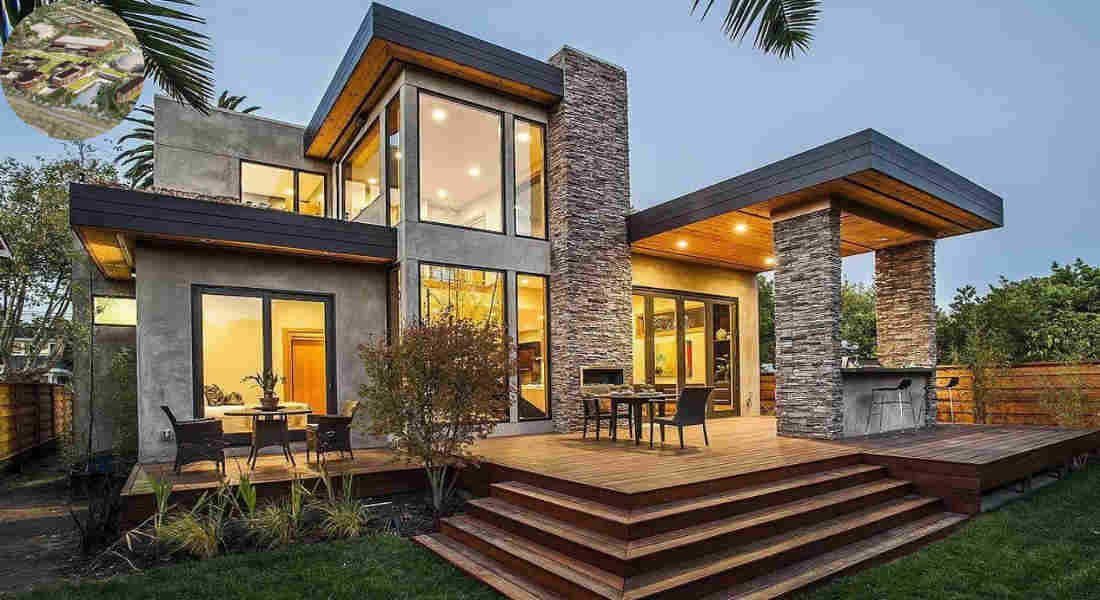
A master plan in house architecture is a foundational blueprint that outlines the long-term vision, goals, and overall strategy for developing or renovating a residential property. It serves as a roadmap, guiding every project stage from initial design to final construction. By integrating site analysis, land use, infrastructure, and design guidelines, a master plan ensures that all elements of the property—such as living spaces, outdoor areas, utilities, and access—are thoughtfully coordinated and aligned with the needs and aspirations of the homeowners. This process helps clarify the project’s objectives and budget and provides a clear framework for making informed decisions that enhance functionality, aesthetics, and sustainability for years.
Understanding the Concept of a Master Plan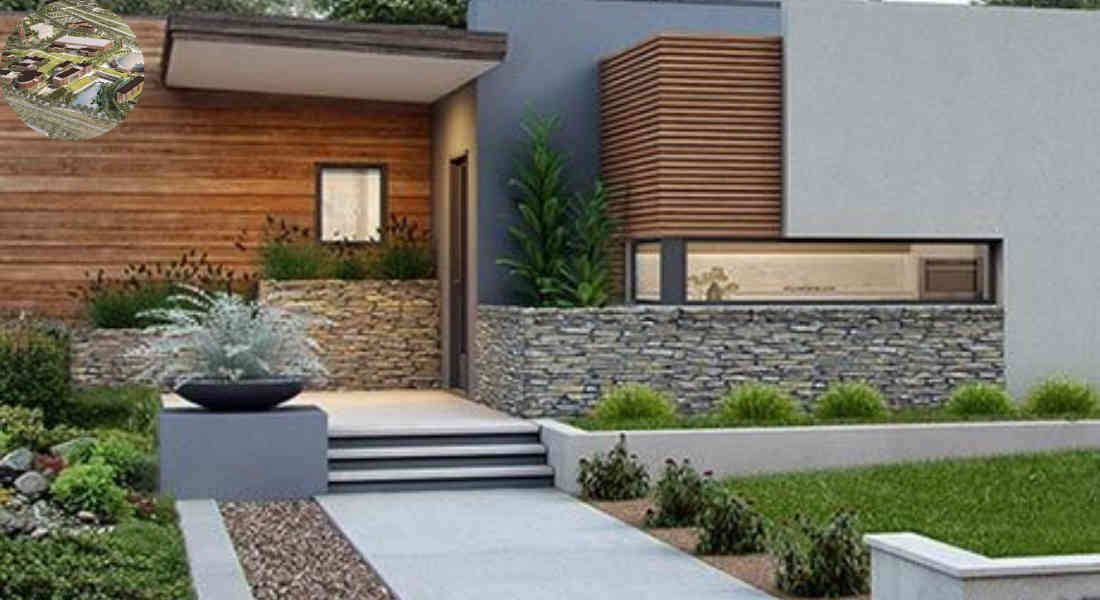
A master plan in architecture serves as a comprehensive blueprint for a house. It outlines the vision for a home’s overall layout, functionality, and aesthetic appeal.
At its core, a master plan is about strategic thinking. It integrates various elements like space usage, flow, and environmental considerations. This foresight ensures that every design aspect aligns with the homeowner’s lifestyle and goals.
This concept goes beyond mere aesthetics; it’s about creating a cohesive living experience. A well-defined master plan anticipates future needs while addressing current requirements.
Mapping out different zones—such as private areas versus communal spaces—fosters harmony within the household. Each decision during this process influences how residents interact with their environment daily.
Importance of Having a Master Plan in House Architecture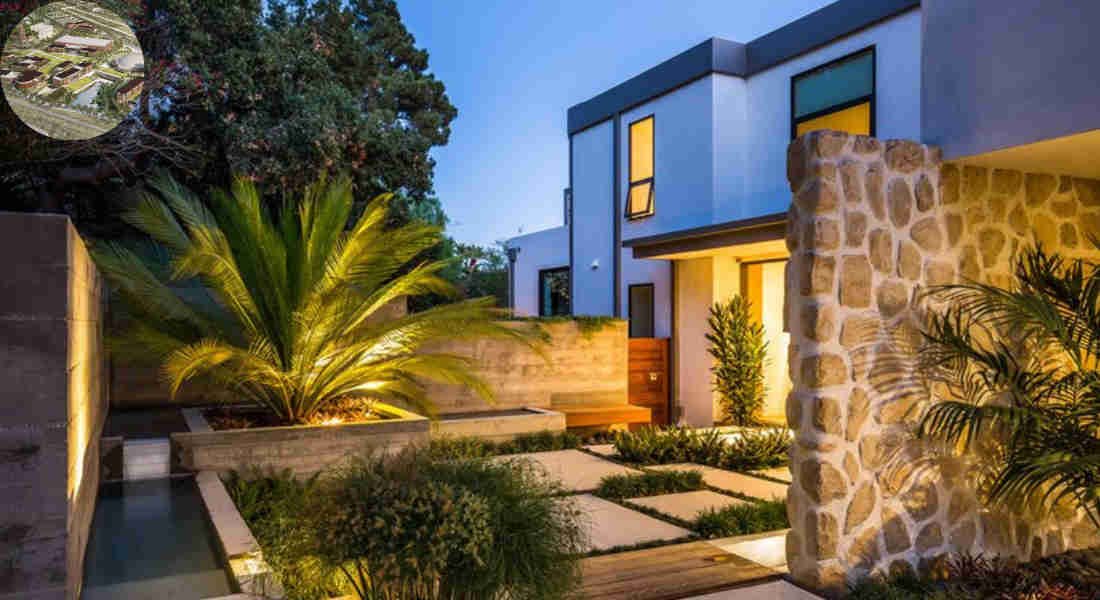
A master plan serves as the blueprint for your home’s future. It outlines how your space will look and how it will function.
Having a well-defined master plan helps streamline the design process. It ensures all elements work harmoniously together, avoiding costly changes later on.
This approach addresses potential challenges early in the planning stages. Homeowners can anticipate issues related to zoning regulations or site limitations before they become headaches.
Considering energy efficiency and resource management minimizes environmental impact while maximizing comfort and utility.
It provides clarity for both homeowners and builders alike. Clear communication reduces misunderstandings and keeps everyone aligned toward a common vision.
You may also read (how to understand pharaohs house architecture).
Elements and Considerations for Creating a Master Plan
Creating a master plan in house architecture involves several essential elements. First, assess the site’s characteristics. This includes topography, climate, and existing structures.
Next, consider your lifestyle needs. Think about family size, hobbies, and how you envision using each space within your home.
Incorporate functionality alongside aesthetics. The design should reflect personal style while ensuring practicality for day-to-day living.
Sustainability is another critical aspect. Choose materials that are eco-friendly and energy-efficient to reduce long-term costs.
Allow flexibility in your plans. Life changes over time; a successful master plan accommodates growth or shifts in needs without requiring major renovations later on.
Case Studies: Examples of Successful Master Plans in House Architecture
One compelling example of a successful master plan can be seen in the Fallingwater House, designed by Frank Lloyd Wright. Nestled over a waterfall, this iconic residence harmoniously integrates with its natural surroundings. The layout reflects an intentional flow between indoor and outdoor spaces.
This project emphasizes shared spaces while respecting individual privacy. Each home follows guidelines maintaining aesthetic coherence, ensuring a unified look across diverse architectural styles.
The Salk Institute for Biological Studies stands out as well. It was designed by Louis Kahn to demonstrate how a master plan can enhance functionality while fostering collaboration among scientists. Open courtyards promote interaction amid serene structures.
These examples illustrate how thoughtful master planning shapes individual homes and entire communities, creating environments where aesthetics and purpose coexist beautifully.
You may also read (what does dissemination mean in gothic home architecture).
The Role of the Architect in Developing and Implementing a Master Plan
The architect plays a pivotal role in developing and implementing a master plan. They act as the visionary, translating ideas into tangible designs that shape a home’s future.
Collaboration is key. Architects engage with homeowners to understand their needs, preferences, and lifestyle. This dialogue ensures the master plan reflects personal aspirations while adhering to functional requirements.
Their expertise helps mitigate potential issues such as zoning regulations or topography challenges.
Throughout implementation, architects supervise construction processes. They ensure that every detail aligns with the original vision outlined in the master plan.
An architect’s knowledge transforms abstract concepts into cohesive structures that harmonize aesthetics with practicality. Their guidance can significantly enhance both comfort and value within residential spaces.
Tips for Homeowners Planning to Create a Master Plan for Their House
Creating a master plan for your house is an exciting journey requiring careful consideration. Here are some tips to help homeowners navigate this process effectively.
Start by defining your needs and preferences. Consider how you want the space to function and what features are essential for your lifestyle. This might include areas for entertaining, working from home, or outdoor spaces.
Engage with professionals early on. Collaborating with architects or designers can provide valuable insights into what works best within the constraints of your property and local regulations. They can also help visualize ideas through sketches and models.
Plan for flexibility in design. Life changes over time—family size, work-from-home trends, or even hobbies may shift how you use space. Designing adaptable areas will ensure that your home remains functional as needs evolve.
Keep sustainability in mind while planning. Incorporate energy-efficient designs, materials, and systems where possible. This not only helps the environment but can also reduce long-term costs.
Don’t forget about aesthetics alongside functionality! The visual appeal of your home is equally important; think about style elements that resonate with you.
Take it step-by-step if needed; there’s no rush to finalize everything. A well-thought-out approach combined with patience leads to a master plan that reflects who you are while efficiently serving practical purposes.
You may also read (what defines italian baroque home architecture).
