

When homeowners remodel a house, convert a spare room, or prepare a property for sale, one common question arises: Does a bedroom require a window? While it may seem like a simple yes-or-no issue, the answer actually involves several legal, safety, and construction-related factors.
In most places, a room cannot legally be considered a bedroom unless it meets certain building code requirements, and one of the biggest requirements is having a proper window. Windows are not just decorative features. They play an important role in home safety, ventilation, natural lighting, and emergency escape. Without them, a room may fail inspection, reduce your home’s value, or pose serious safety risks to anyone sleeping in it.
However, laws and building codes can vary by state, city, or local municipality. Some areas may allow exceptions, while others follow strict regulations based on modern residential code standards. This is why understanding bedroom window requirements is essential before buying, building, or renovating a home.
Does a Bedroom Require a Window? The Simple Answer
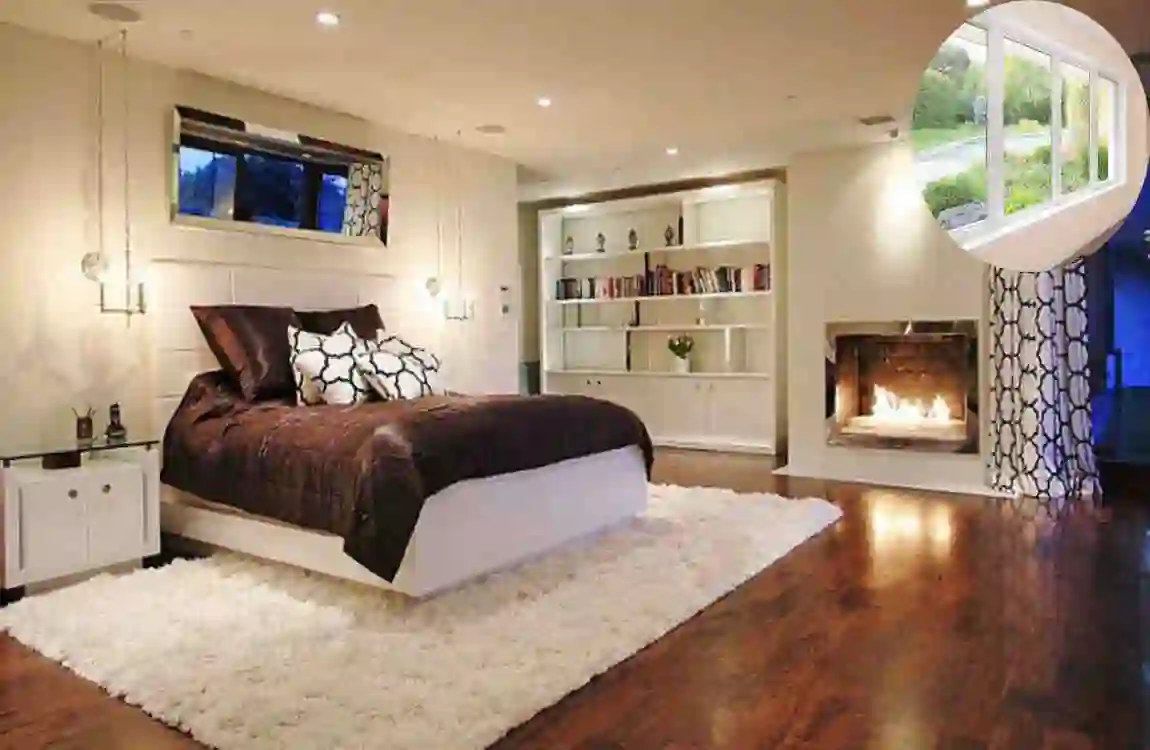
The simple answer is yes—in most cases, a bedroom does require a window to meet legal residential building codes.
General Legal Requirement Overview
Most building departments require bedrooms to have at least one window or another approved emergency exit. This rule exists because bedrooms are considered sleeping spaces, and sleeping spaces must provide safe escape routes during emergencies.
If a room lacks a window, it cannot legally be labeled or marketed as a bedroom. Instead, it may need to be listed as an office, den, storage room, or bonus room.
Real estate agents, inspectors, and appraisers often use these standards when determining whether a room qualifies as an official bedroom. Even if the room has enough space for a bed, it may not be considered legal without meeting code requirements.
Why Building Codes Enforce Bedroom Window Rules
There are several reasons building codes require windows in bedrooms:
- Emergency Escape: Windows provide an exit in the event of a fire or emergency.
- Ventilation: They allow fresh air to circulate through the room.
- Natural Light: Bedrooms need access to daylight for health and comfort.
- Habitability Standards: Homes must meet minimum living standards for occupancy.
Without a proper window, a room may fail to meet basic residential safety requirements.
Why Windows Are Important in Bedrooms
Windows do far more than improve the appearance of a room. They are essential for creating bedrooms that are safe, healthy, and comfortable.
Emergency Escape and Fire Safety
One of the biggest reasons bedroom windows are required is emergency escape. If a fire blocks the bedroom door, the window may become the only way for occupants to get out safely.
Firefighters also use windows to enter bedrooms during rescue operations. A windowless bedroom can trap someone inside, especially during nighttime emergencies when people are sleeping.
This is why many areas require egress windows, which are windows large enough for someone to climb through in an emergency.
Health and Ventilation Benefits
Fresh air matters in every living space, especially bedrooms where people spend many hours sleeping.
Proper ventilation helps:
- Reduce stuffy air
- Prevent moisture buildup
- Lower humidity levels
- Improve indoor air quality
- Reduce mold and mildew risks
Without airflow, bedrooms can quickly become uncomfortable and unhealthy.
Natural Lighting Requirements
Natural sunlight is another reason bedroom windows matter. Building codes often require habitable rooms to have a minimum amount of natural light.
Sunlight helps:
- Improve mood and mental health
- Support healthy sleep cycles
- Make rooms feel larger and brighter
- Reduce dependence on artificial lighting
A dark, windowless bedroom can feel cramped, uncomfortable, and uninviting.
Minimum Bedroom Window Requirements by Building Code
Simply having a window is not enough. Most building codes require the window to meet specific size and accessibility standards.
Egress Window Size Standards
Bedroom windows often must meet minimum dimensions to qualify as emergency exits.
Here are common egress requirements in many regions:
Requirement Common Standard
Minimum opening height 24 inches
Minimum opening width 20 inches
Minimum net clear opening 5.7 square feet
Maximum sill height from floor: 44 inches
These dimensions help ensure that adults and children can escape through the window if necessary.
Minimum Window Opening Area
The total openable area of the window matters because a tiny decorative window is unlikely to meet code.
A legal bedroom window typically must:
- Open fully
- Provide enough space for a person to fit through
- Allow firefighter access
A fixed or sealed window often does not qualify.
Window Accessibility Standards
The window must also be easy to reach and operate.
For example:
- It cannot be too high off the floor
- It must open without tools
- It should not require special strength to use
These rules make the window practical during emergencies.
Basement Bedroom Window Rules
Basement bedrooms often have stricter requirements because below-ground rooms are harder to escape from.
Basement egress windows may need:
- Window wells
- Escape ladders
- Larger openings
- Drainage systems
If you plan to build a basement bedroom, always check local basement bedroom codes first.
Can a Bedroom Be Legal Without a Window?
There are rare situations where exceptions may apply, but generally, bedrooms without windows are not considered legal.
Situations Where Exceptions May Apply
Some jurisdictions may allow alternatives such as:
- Exterior doors leading directly outside
- Special sprinkler systems
- Secondary approved exits
- Commercial-style fire safety systems
However, these exceptions are uncommon in standard residential homes.
What Happens If a Bedroom Has No Window?
If a room lacks a window:
- It may fail inspection
- It may not count toward the total bedroom number
- It could reduce property value
- It may create insurance concerns
Instead of being listed as a bedroom, the room may be classified as:
- Office
- Den
- Bonus room
- Flex room
- Storage space
This can significantly affect home resale value.
What Qualifies a Room as a Legal Bedroom?
A window alone does not automatically make a room a legal bedroom. Several additional factors determine bedroom legality.
Minimum Room Size Requirements
Most areas require bedrooms to meet minimum square-footage requirements.
Typical standards include:
- At least 70 square feet for one occupant
- Additional space for multiple occupants
This ensures the room is large enough for sleeping and movement.
Ceiling Height Regulations
Bedrooms usually must have a proper ceiling height.
Most codes require:
- Minimum ceiling height of 7 feet
- At least half the ceiling meets that requirement in sloped spaces
This prevents unsafe or cramped living conditions.
Closet Requirements (Myth vs Fact)
Many people believe bedrooms legally require closets, but this is not always true.
In many areas:
- Closets are not legally required
- However, buyers often expect them
- Real estate standards may differ from building codes
A room can sometimes still qualify without a closet if other conditions are met.
Access and Privacy Standards
Bedrooms also typically need:
- Direct interior access
- Privacy doors
- Safe entry and exit points
Walking through another bedroom to access a room may disqualify it as a legal bedroom.
Bedroom Window Requirements for Different Property Types
Window requirements can vary depending on the type of home.
Single-Family Homes
Single-family homes generally follow the standard residential building code.
These properties often require:
- Full egress windows
- Standard ventilation compliance
- Emergency access routes
Apartments and Condos
Apartment bedrooms may be subject to stricter safety regulations due to shared structures.
Requirements may include:
- Fire-rated materials
- Sprinkler systems
- Multiple exits
Basement Bedrooms
Basement bedrooms often need:
- Larger egress systems
- Window wells
- Ladder access
Because basement fires present an added risk.
Tiny Homes and ADUs
Tiny homes and accessory dwelling units (ADUs) may follow modified codes, but most still require:
- Emergency exits
- Ventilation systems
- Natural light access
Risks of Having a Windowless Bedroom
Using a room without a window as a bedroom can create serious problems.
Safety Hazards
The biggest danger is fire entrapment.
Without a window:
- Occupants may have no escape route
- Rescue teams may struggle to enter
- Fire risks increase significantly
Legal and Insurance Problems
Insurance companies may deny claims involving unpermitted bedrooms.
You could also face:
- Failed inspections
- Permit violations
- Legal penalties
Property Value Impact
Windowless bedrooms can hurt resale.
Buyers may:
- View the room as unusable
- Offer less money
- Question renovation quality
How to Convert a Windowless Room into a Legal Bedroom
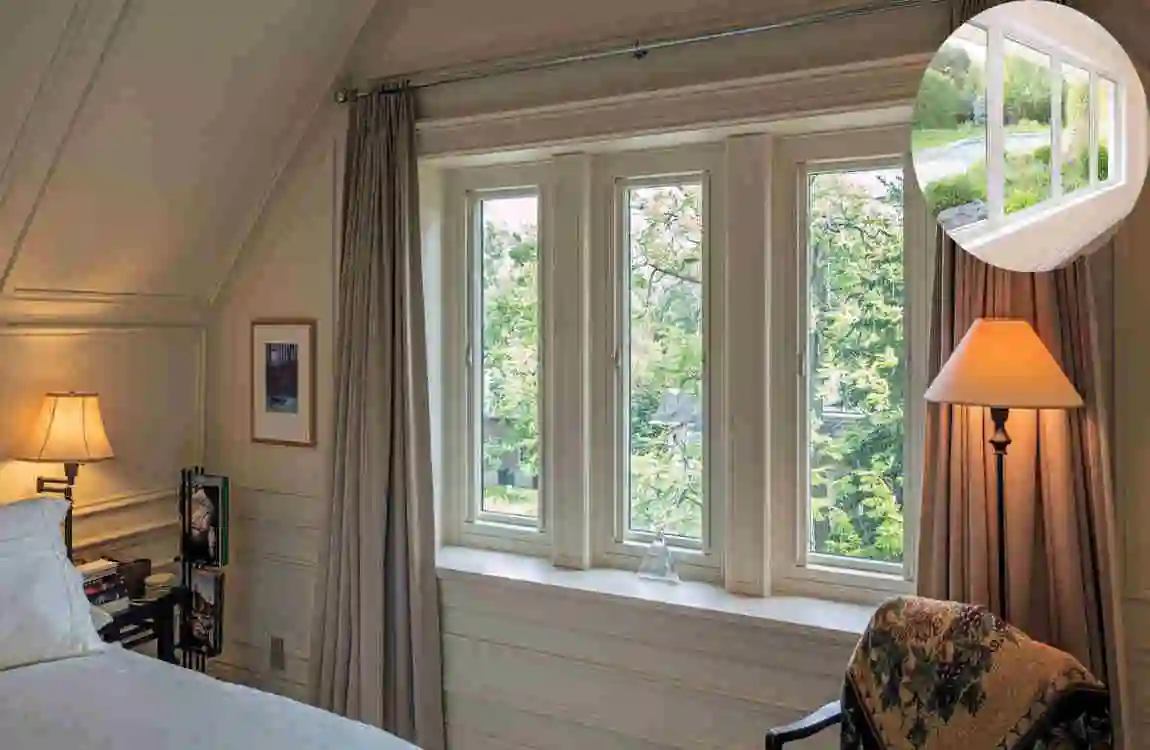
If you want to transform a room into a legal bedroom, there are ways to do it.
Installing an Egress Window
This is the most common solution.
Adding an egress window:
- Meets escape requirements
- Improves ventilation
- Adds natural light
- Increases home value
Adding Mechanical Ventilation
Some areas may also require:
- Exhaust fans
- HVAC systems
- Air circulation equipment
Though ventilation alone does not replace window requirements in many locations.
Meeting Local Permit Requirements
Always obtain permits before converting rooms.
Work with:
- Contractors
- Building inspectors
- Architects
This ensures your renovation meets all codes.
Bedroom Window Laws May Vary by Location
Not every city follows the same rules.
Local Building Code Differences
Some areas use:
- International Residential Code (IRC)
- Local municipal amendments
- State-specific regulations
This means your town may have stricter or looser rules.
Why You Should Check Local Regulations
Always review local laws before:
- Remodeling
- Selling a house
- Advertising bedroom counts
- Finishing a basement
Failing to comply can lead to costly problems later.
Frequently Asked Questions
Does every bedroom need a window by law?
In most areas, yes. Bedrooms usually must have at least one window or an approved emergency exit.
Can I use a room without windows as a bedroom?
You can use it personally, but legally, it may not qualify as an official bedroom.
Does a closet make a room a bedroom?
Not always. Many building codes do not require closets.
Can a basement bedroom have a small window?
Usually no. Basement bedrooms often require larger egress windows.
What is the minimum size for a bedroom window?
Many codes require at least 5.7 square feet of opening space with minimum width and height standards.
