
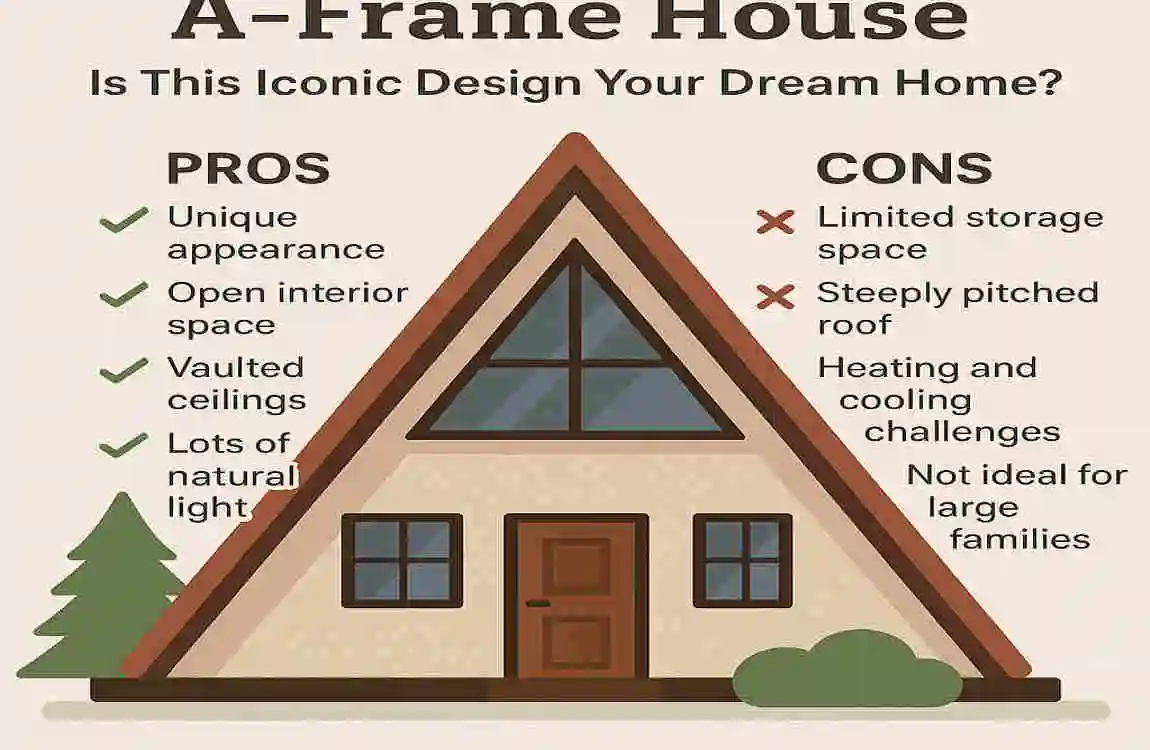
Picture this: a crisp winter morning in the snowy mountains. A sharp, triangular roof slices through the fresh powder, standing out like a giant tent against the peaks. This is the magic of an A-frame house—that retro-cool design pulling you back to cozy ski trips or childhood vacations. But is it just nostalgia, or a real contender for your forever home?
What Is an A-Frame House? A Quick History and Design Breakdown
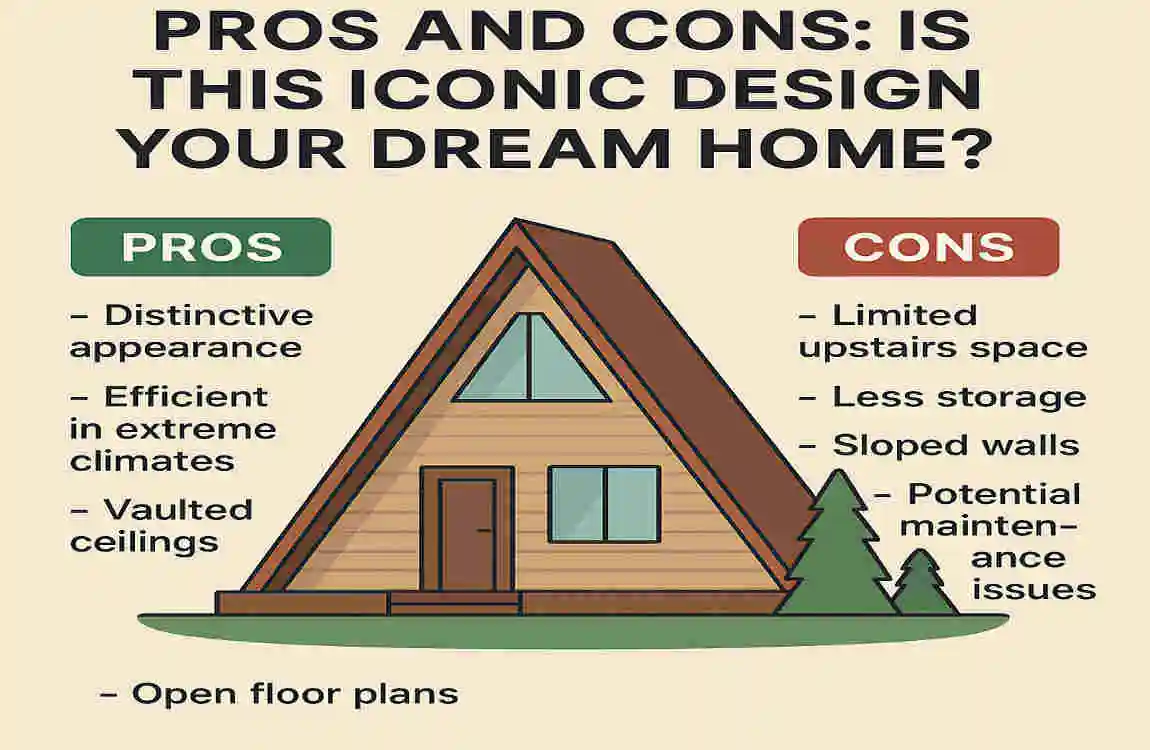
Ever wondered why these luxury homes look like they could star in a sci-fi movie? A-frames aren’t just quirky—they’re clever engineering wrapped in a simple shape. We’ll unpack their story and features so you can picture one in your backyard.
The Origins of A-Frame Architecture
A-frames burst onto the scene in the 1950s, right after World War II. Families wanted quick, affordable homes, and prefab designs exploded. Architects drew inspiration from Swiss chalets with their steep roofs and even Inuit snow houses that shrugged off blizzards.
Key players, such as architect John Johansen, pushed the style forward. Think 1960s ski lodges dotting mountain resorts—they became cultural icons for weekend getaways. Fast-forward to today, and A-frames are booming again. Tiny home movements and glamping spots on platforms like Airbnb have revived them. In Pakistan’s northern hills, they’re perfect for escaping city heat.
This history isn’t just trivia. It shows A-frames evolve from Survival shelters to stylish retreats. Have you driven past one and felt that pull? That’s the nostalgia at work.
Core Features of A-Frame Houses
At its heart, an A-frame gets its name from the giant “A” shape. The roof slopes steeply—usually 45 to 60 degrees—from the peak straight to the ground. This creates fewer walls and a super-compact base.
Materials keep it simple: sturdy wood frames, metal or shingle roofs, and sizes ranging from 400 to 2,000 square feet. Here’s what makes them tick:
- Lofted sleeping areas: Climb a ladder to a cozy mezzanine—perfect for stargazing.
- Large windows: Floor-to-ceiling glass floods the space with light and views.
- Compact footprint: Small lot? No problem; it hugs the ground tightly.
These elements make A-frames feel open despite their size. Imagine waking to panoramic vistas without leaving your bed. That’s the everyday appeal.
Why A-Frames Are Trending
By 2026, sustainability rules home trends. A-frames shine here—their steep roofs shed snow or heavy rain twice as fast, ideal for Pakistan’s northern hills or global snowy spots. Modern twists like solar panels and recycled materials make them eco-stars.
Glamping and remote work fuel the fire. Why cram into a city apartment when you can loft-work with mountain views? If you’re dreaming of off-grid living, this design fits right in.
Top Pros of A-Frame Houses: Why They’re a Smart Choice
Despite their quirky shape, a-frame house pros often outweigh the cons for many homeowners. They’re affordable, tough, and full of charm. Let’s dive into why they’re a smart pick—backed by real benefits that could change your mind.
ProBenefitReal-World Example
Cost-Effective: Build 20-30% cheaper than traditional homes. Prefab kits under $50K
Snow/Landslide Resistance: Steep roof sheds 2x faster. Ideal for Lahore’s monsoon-prone hills
Scenic Views & Space Efficiency Wall-to-wall windows; loft maximizes vertical space 800 sq ft feels like 1200
You’ll see these advantages play out in daily life. Keep reading to feel the pull.
Affordability and Quick Construction
Building an A-frame saves you serious cash. Traditional homes guzzle materials on foundations and walls—A-frames skip much of that. You use 20-30% less wood and concrete, dropping costs right away.
Prefab kits make it even better. Grab one for $20,000 to $100,000, depending on size. Assemble it like a high-end puzzle—no endless contractor drama. Stats show build times of just 2-4 months, versus 6-12 for stick-built homes. That’s moving-in speed you can bank on.
Think about it: In Pakistan’s Punjab region, where labor costs are rising, this speed further reduces expenses. Families have turned empty lots into homes before the monsoon season hits. A-frame home advantages like this make them a budget win. Are you tired of skyrocketing home prices? This could be your fix.
Durability in Harsh Weather
A-frames laugh at bad weather. That steep roof? It flings snow, rain, or debris off fast—up to twice the speed of flat designs. They handle winds up to 100 mph without flinching, thanks to the low center of gravity.
In Pakistan, this is evident during Lahore’s monsoons or hillside landslides. The shape channels water away, protecting your investment. No more ice dams or pooled water wrecking your roof. Homeowners in snowy U.S. mountains or Himalayan foothills swear by it—fewer repairs mean peace of mind.
You get resilience without fancy tech. It’s simple physics doing the heavy lifting. If your spot faces wild weather, these pros of A-frame houses seal the deal.
Aesthetic Appeal and Versatility
Who doesn’t love a photogenic home? A-frames turn heads with their bold triangle—boosting resale value by up to 15%, per real estate data. Post a pic online, and watch the likes roll in.
Versatility is key. Shrink it for a tiny home, scale up for family life, or deck it out as a cabin. Eco-bonuses abound: Proper insulation hits R-30 levels in roofs, slashing energy use. Add modern A-frame house pros like solar integration, and it’s future-proof.
From minimalist retreats to Instagram-famous glamping spots, they adapt. Picture customizing yours—rustic wood inside, sleek black exterior. Your style, your rules.
Low Maintenance and Energy Savings
Maintenance stays low because fewer walls mean less to paint or repair. Self-cleaning roofs rinse off dirt with every rain—no ladders needed.
Energy perks? Big time. Large windows capture passive solar heat, naturally warming your space. Insulate right, and bills drop. In cooler climates, this efficiency shines—think cozy winters without cranking the heat.
Homeowners report 20% savings on utilities. It’s practical magic for busy folks like you.
Lifestyle Perks
A-frames foster cozy vibes. Open lofts create airy, connected spaces—great for families or remote workers. Kids play below while you Zoom above. It’s intimate without feeling closed-in.
If you crave simplicity, this design delivers. Less stuff fits, so you live lighter. Loving that loft life? A-frames call your name.
The Cons of A-Frame Houses: Potential Deal-Breakers
No home is perfect, and an A-frame house comes down to space and quirks. They might not suit everyone, so weigh these carefully before committing. We’ll break it down honestly.
ConDrawbackMitigation Tip
Limited Usable Space; Sloped walls waste 20-30% of upstairs space. Add dormers
Poor Insulation Challenges: Heat loss via the roof. Spray foam insulation
High Upfront Customization Non-standard HVAC/plumbing Budget 10-20% extra
Spot any red flags for your needs? Let’s unpack.
Wasted Space and Layout Issues
Sloped walls are the big culprit. Upstairs, headroom shrinks to 2 feet at the edges—frustrating if you’re over 6 feet tall. That wastes 20-30% of space, turning lofts into awkward nooks.
Floorplans stay narrow, too. No wide hallways or sprawling kitchens. Tall folks bump heads; families cram during gatherings. In a 1,000 sq ft A-frame, usable space feels like 700 sq ft.
Insulation and Energy Inefficiency
That massive roof? It leaks heat like a sieve without top-notch insulation. Winter bills can run 20% higher as heat rises.
Pakistan’s humid climate increases the risk of mold if moisture sneaks in. Poor ventilation turns coziness into stuffiness. Summers? Heat traps under the peak.
Fix it with spray foam, but it costs extra upfront. Not ideal if efficiency is top of your list.
Expensive Expansions and Resale Hurdles
Want to add a room? Tricky. The shape resists easy extensions—dormers or complete rebuilds jack up prices. Budget 20-30% more for mods.
Resale lags in urban spots like Lahore markets. Niche appeal means longer waits for buyers. Families often pick boxy homes over quirky triangles.
If flipping houses is your game, think twice.
Other Practical Drawbacks
Furniture woes hit hard—standard beds or sofas won’t hug sloped walls. Roof repairs? Steep climbs mean $10,000+ quotes.
Stairs to lofts challenge elders or kids. Small bathrooms squeeze you in. These A-frame drawbacks add up for some.
A-Frame vs. Traditional Homes: Side-by-Side Comparison
How does an A-frame stack up against the classic box home? Let’s compare head-to-head so you see the trade-offs clearly.
Key Differences Table
FeatureA-FrameTraditional
Build Cost $100-200/sq ft $150-250/sq ft
Space Efficiency: High vertical use, Flat layouts
Weather Resistance Excellent Average
Maintenance Low Medium
Resale Speed Slower in cities Faster
Numbers don’t lie—A-frames win on cost and toughness.
Best For…
A-frames suit vacation pads, minimalists, or off-grid dreamers. Modern A-frame house pros shine for snowy hills or quick builds—perfect if you love lofts and views.
Traditional homes fit families craving square footage and easy add-ons. If space trumps style, go conventional. Ask yourself: Off-grid adventurer or suburban parent? Your answer guides you. Are A-frame houses worth it? Often yes, for the right fit.
Cost Breakdown: Building Your A-Frame House in 2026
Money talks, so let’s crunch numbers for 2026 builds. Expect smart savings with prefab smarts.
Initial Costs
Land sets the stage—$50,000+ for a decent plot. Kits run $30,000-$150,000; a 1,000 sq ft turnkey totals $200,000. Permits and site prep add 10-15%.
In Pakistan, source local wood for 20% of the trim. Hills? Factor foundation tweaks.
Ongoing Expenses
Utilities tick 10% higher from roof heat loss, but maintenance stays low—no wall rot. Insurance drops for weather resistance.
Annual costs: $2,000-4,000, versus $5,000 for trad homes.
Pakistan-Specific Tips
Punjab hills love A-frames—use local stone bases for quakes. Permits ease in rural spots; urban Lahore needs zoning checks. Monsoon-proof with metal roofs. Local builders cut costs 15%.
Budget wisely—you’ll thank yourself.
Is an A-Frame House Right for You? Final Verdict
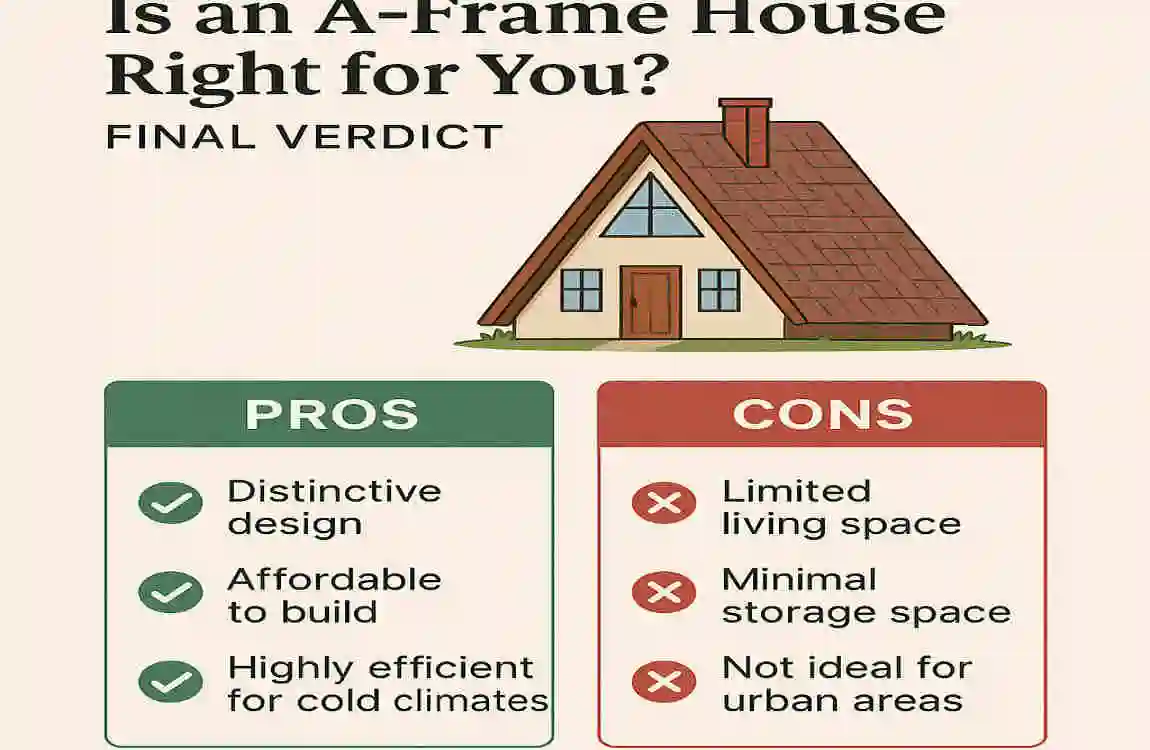
We’ve covered the A-frame house pros and cons: killer affordability and durability versus space squeezes and insulation tweaks. Pros of A-frame houses dazzle for adventurers; drawbacks deter space hogs.
Try this quick quiz:
- Love lofts and views? Yes → A-frame ahead!
- Need big bedrooms? No → Stick traditional.
- Face harsh weather? Yes → Steep roof wins.
- Budget tight? Yes → Prefab magic.
